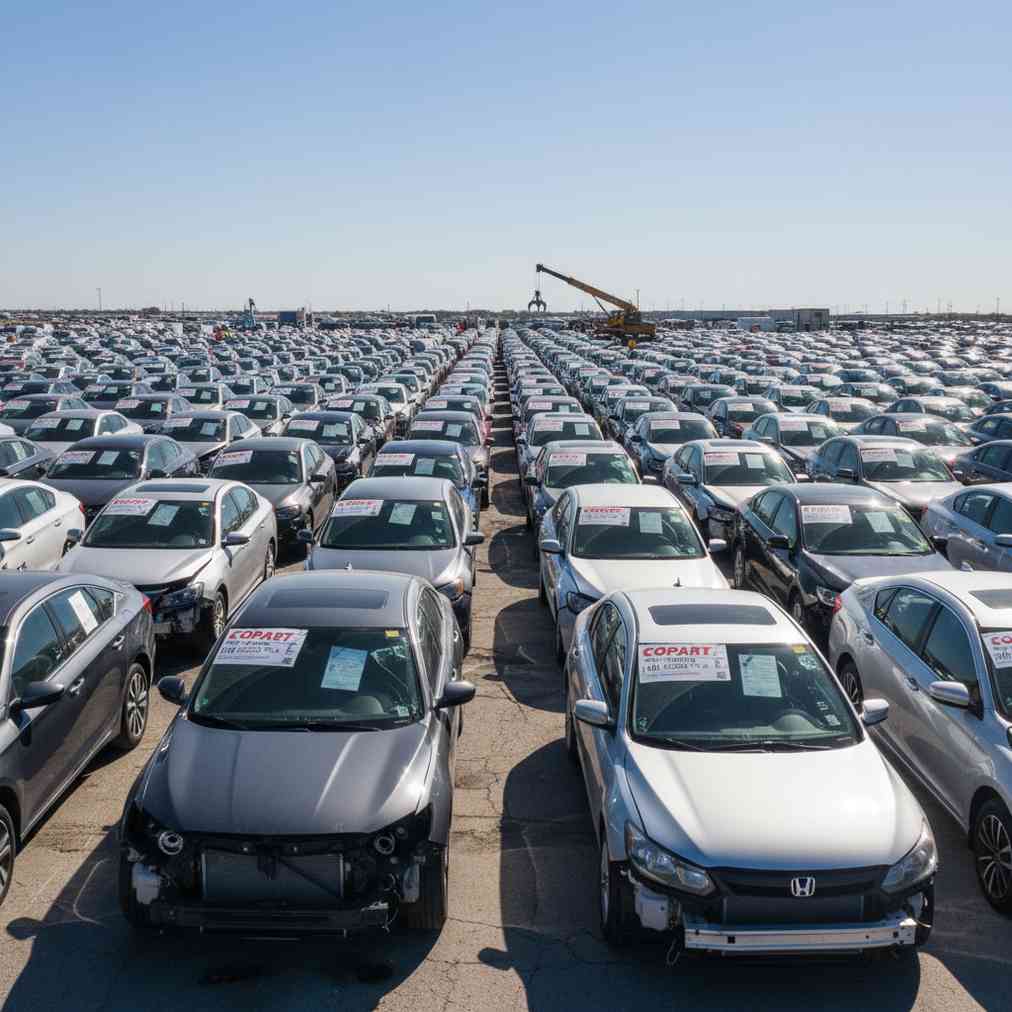
The Journey from Total Loss to Your Local Junkyard
Every day, thousands of vehicles involved in accidents, floods, or mechanical failures begin a fascinating journey that ultimately stocks your local junkyard with affordable used auto parts. This complex supply chain, powered by insurance companies and major salvage auction houses like Copart and IAA, transforms totaled vehicles into valuable resources for automotive recyclers and DIY repair enthusiasts.
Understanding the Total Loss Declaration Process
The journey begins when an insurance adjuster evaluates a damaged vehicle. A vehicle receives a total loss declaration when repair costs exceed a specific percentage of the vehicle’s Actual Cash Value (ACV) before damage occurred. This threshold typically ranges from 70% to 75% in most states, though regulations vary by location.
Once declared a total loss, the insurance company pays the owner their claim settlement minus the deductible and takes possession of both the vehicle and its title. The vehicle then receives a salvage title, marking it as damaged beyond economical repair for road use.
The Role of Major Salvage Auction Companies
Insurance companies partner with specialized salvage auction houses to maximize their recovery on claim payouts. Copart and Insurance Auto Auctions (IAA) dominate this market, controlling approximately 80% of the North American salvage auction industry. These companies serve as crucial intermediaries, handling vehicle transportation, inspection, inventory management, and marketing to a vast network of buyers.
| Auction Company | Market Share | Primary Services |
|---|---|---|
| Copart | ~50% | Vehicle inspection, online auctions, transportation |
| IAA | ~30% | Salvage auctions, vehicle storage, buyer services |
| Other Regional | ~20% | Local salvage operations, specialty auctions |
How Salvage Auctions Feed Junkyard Inventory
The salvage auction process creates opportunities for various buyer types to acquire damaged vehicles. Understanding this process helps explain how junkyards near me maintain their extensive inventories of affordable used parts.
Auction Listing and Vehicle Inspection
Upon arrival at auction facilities, vehicles undergo thorough inspection and documentation. Each vehicle receives a lot number and detailed listing that includes:
- Damage assessment and location
- Vehicle history and title status
- Mileage and mechanical condition
- Interior and exterior condition ratings
- Digital photographs from multiple angles
Diverse Buyer Categories at Salvage Auctions
Salvage auctions attract multiple buyer types, each with different objectives for their purchases:
- Used Car Dealers and Rebuilders: Purchase vehicles for repair and resale with rebuilt titles
- Export Companies: Ship vehicles to international markets where repair costs are lower
- Dismantlers and Parts Suppliers: Acquire vehicles specifically for parts harvesting
- Scrap Metal Recyclers: Buy vehicles primarily for metal content value
Strategic Bidding by Junkyard Operators
Licensed dismantlers and u-pull-it yards employ sophisticated strategies when bidding on salvage vehicles. These businesses analyze potential parts value against acquisition costs to ensure profitable operations.
“A successful junkyard might bid $2,000 on a vehicle they estimate can generate $6,000 in parts revenue, factoring in labor costs, storage, and processing time.”
When initial auction attempts fail to meet minimum bid requirements, insurance companies typically reduce reserve prices to avoid ongoing storage fees at auction facilities. This creates opportunities for salvage yard operators to acquire inventory at more favorable prices.
Impact of Damage Types on Parts Value
The type and location of vehicle damage significantly influence auction values and determine which parts remain salvageable for junkyard inventory. Understanding these patterns helps explain inventory availability at local recyclers.
Front-End Collision Vehicles
Vehicles with severe front-end damage often retain valuable parts including:
- Complete drivetrain systems (engine, transmission, differential)
- Rear body panels and structural parts
- Interior parts (seats, dashboard, electronics)
- Undamaged side panels and doors
- Suspension parts from unaffected areas
Flood-Damaged Vehicles
Water-damaged vehicles present unique challenges and opportunities for parts recyclers. While external damage may appear minimal, water intrusion can compromise:
- Electronic systems and control modules
- Wiring harnesses and connectors
- Engine internals (if water entered intake)
- Airbag systems and safety equipment
- Interior components and upholstery
However, flood vehicles with minimal water exposure may still yield valuable mechanical parts, making them attractive to experienced dismantlers who understand the risks.
Theft Recovery and Mechanical Total Loss
Vehicles totaled due to theft recovery or mechanical failure offer different value propositions:
- Theft recovery vehicles: May have specific parts removed but retain other valuable parts
- Mechanical failures: Often provide excellent body panels, interior, and unaffected mechanical systems
- Engine failures: Can still yield transmissions, electrical systems, and exterior parts
The Economics of Salvage-to-Parts Conversion
The financial dynamics driving this industry reveal why salvage auctions efficiently stock local junkyards. Market forces create a system where everyone benefits from the circular economy of automotive recycling.
| Vehicle Type | Typical Auction Price | Estimated Parts Value | Profit Margin |
|---|---|---|---|
| Front-end collision (repairable) | $3,000-$5,000 | $8,000-$12,000 | 60-70% |
| Side impact (moderate) | $2,500-$4,000 | $6,000-$9,000 | 55-65% |
| Flood damage (minimal) | $1,500-$3,000 | $4,000-$7,000 | 45-60% |
| Mechanical total loss | $1,000-$2,500 | $3,500-$6,000 | 50-65% |
Technology’s Role in Modern Salvage Operations
Modern salvage auctions leverage advanced technology to streamline operations and reach broader buyer networks. Online bidding platforms allow junkyard operators nationwide to participate in auctions without physical attendance.
Digital inventory systems help yards track acquired vehicles and manage parts availability. Many facilities now use data analytics to predict parts demand and optimize bidding strategies for maximum profitability.
Environmental Impact and Sustainability
The salvage auction system creates significant environmental benefits by extending vehicle lifecycles through parts reuse. Rather than immediately scrapping totaled vehicles, this system enables:
- Resource conservation through parts recycling
- Reduced manufacturing demand for new replacement parts
- Energy savings from avoiding new parts production
- Landfill waste reduction by maximizing material reuse
- Lower carbon footprint for automotive repairs
According to industry data, automotive recycling prevents approximately 25 million tons of materials from entering landfills annually, while providing affordable repair options for vehicle owners.
Seasonal Patterns in Salvage Inventory
Insurance salvage patterns follow predictable seasonal trends that directly impact junkyard inventory availability:
| Season | Primary Damage Types | Inventory Impact |
|---|---|---|
| Winter | Ice/snow accidents, salt corrosion | Increased collision inventory |
| Spring | Flood damage, storm damage | Weather-related total losses |
| Summer | Hail damage, vacation accidents | Body panel and glass parts |
| Fall | Deer strikes, early weather events | Front-end damage inventory |
Regional Variations in Salvage Supply
Geographic factors significantly influence salvage vehicle availability and types. Coastal areas see more flood-damaged vehicles, while northern regions generate more accident-related inventory due to winter driving conditions.
Urban areas typically produce higher volumes of collision-damaged vehicles, while rural regions may have more deer strike and rollover incidents. These patterns help explain why certain LKQ Pick Your Part Houston locations might specialize in different types of inventory.
The Future of Salvage Auctions and Junkyard Supply
Several trends are reshaping how salvage auctions stock junkyard inventories:
Electric Vehicle Integration
As electric vehicle adoption increases, salvage yards are adapting to handle EV-specific parts including battery packs, electric motors, and specialized electronics. This transition requires new safety protocols and storage capabilities.
Advanced Driver Assistance Systems (ADAS)
Modern vehicles equipped with ADAS technology create new opportunities for high-value parts recovery, including cameras, sensors, and control modules that remain functional after accidents.
Enhanced Data Analytics
Improved data science applications help salvage yards optimize inventory decisions, predict parts demand, and improve bidding strategies for maximum profitability.
Making the Most of Salvage-Sourced Inventory
Understanding how insurance auctions stock local junkyards helps consumers make informed decisions about purchasing used auto parts. When you visit U Pull and Pay Orlando FL or similar facilities, you’re accessing inventory that originated from this sophisticated supply chain.
For those looking to sell a junk car, understanding this process helps explain how vehicles transition from private ownership through insurance claims to eventual parts recycling.
Key Takeaways for Parts Buyers
The insurance salvage auction system creates a reliable supply of affordable OEM parts for vehicle repairs. By understanding this supply chain, consumers can:
- Time purchases based on seasonal inventory patterns
- Understand parts availability based on common damage types
- Appreciate quality of OEM parts from salvage sources
- Make informed decisions about parts condition and value
- Support sustainable practices through automotive recycling
This complex but efficient system ensures that valuable automotive parts don’t go to waste, providing affordable repair options while supporting environmental sustainability. Whether you’re a professional mechanic or DIY enthusiast, understanding how salvage operations work can help you make better decisions when sourcing replacement parts for your vehicle repairs.
The next time you visit your local self-service yard, you’ll have a deeper appreciation for the sophisticated supply chain that transformed someone’s totaled vehicle into your affordable repair solution. This system represents one of the automotive industry’s most successful examples of circular economy principles in action.

Leave a Reply
You must be logged in to post a comment.