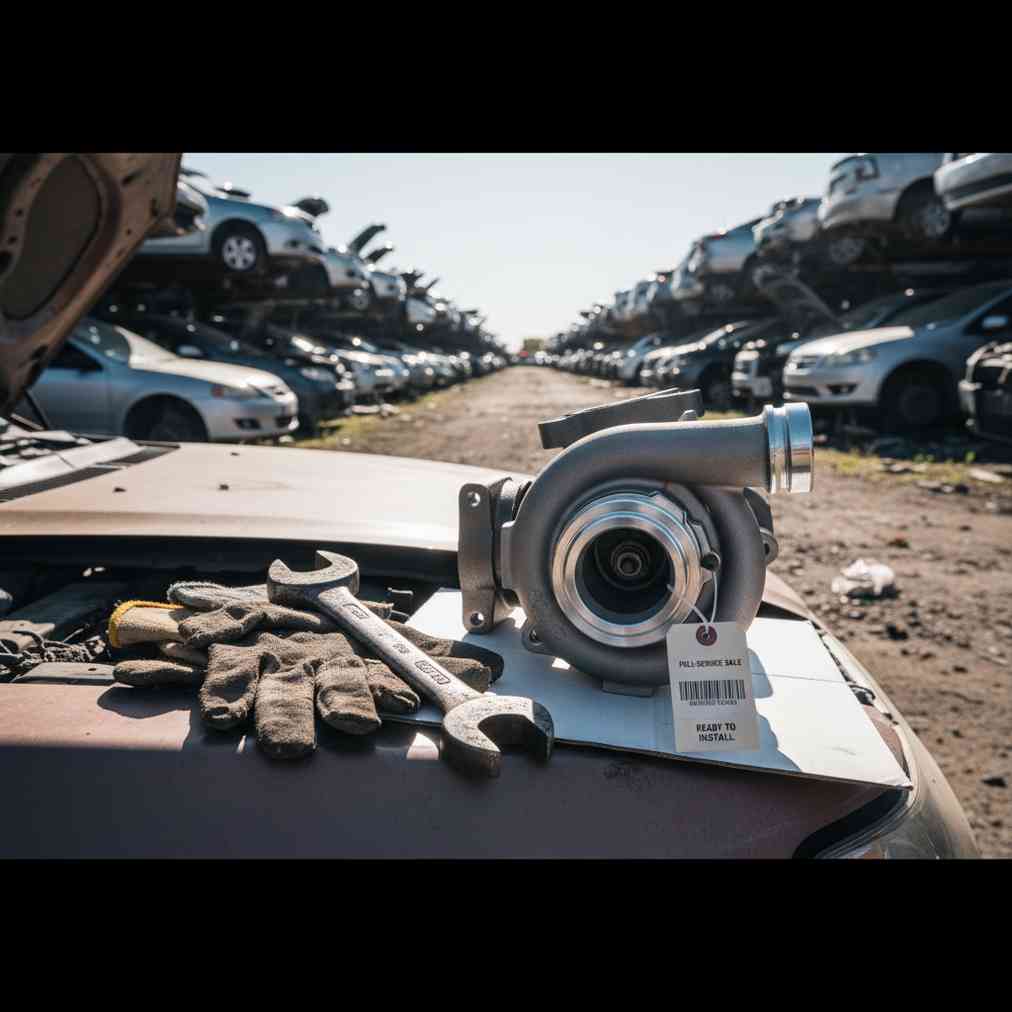
Understanding the Two Main Types of Junkyards
When searching for affordable auto parts, you’ll encounter two distinct types of salvage yards near you: full-service junkyards and self-service (“U-Pull-It”) yards. Each offers a completely different experience, cost structure, and level of convenience. Understanding these differences is crucial for making the right choice based on your needs, budget, and mechanical expertise.
The fundamental difference lies in who performs the labor-intensive task of removing parts from salvaged vehicles. This single factor creates a ripple effect that impacts pricing, part quality, warranties, and your overall experience as a customer.
Full-Service Junkyards: The Convenient Choice
Full-service auto recyclers handle all the heavy lifting for you. When you need a specific part, their trained staff locates, removes, cleans, and prepares it for sale. This comprehensive service model has evolved significantly due to increased environmental regulations and growing demand for professionally processed parts.
How Full-Service Yards Operate
- Professional removal: Experienced technicians extract parts without damage
- Quality inspection: Parts undergo cleaning and testing procedures
- Organized inventory: Many offer online catalogs and phone inquiries
- Warranty protection: Extended warranties often available for major parts
- Specialization focus: Often concentrate on newer or luxury vehicles
“Full-Service Auto Recyclers like us are your best bet for quality and value on parts like engines, transmissions, transfer cases, differentials, wheels, rear axles, air bags, speedometers, stereos and navigation units, and many of the body parts as well, like doors, trunk-lids, fenders, hoods, etc.”
Self-Service U-Pull-It Yards: The DIY Experience
Self-service salvage yards, commonly known as “U-Pull-It” or “Pick-Your-Part” facilities, operate on a completely different model. Here, you become the mechanic, bringing your own tools and expertise to remove the parts you need.
The Self-Service Process
- Bring your tools: You supply all necessary equipment for removal
- Locate your part: Browse the yard to find compatible vehicles
- Remove the part: Extract the component yourself
- Pay and go: Typically lower prices due to no labor costs
- Limited warranty: Minimal or no guarantees on functionality
Popular chains like LKQ Pick Your Part and Pull-A-Part have made this model widely accessible across the United States.
Comprehensive Cost and Value Comparison
| Feature | Self-Service Yard | Full-Service Yard |
|---|---|---|
| Labor Requirements | Customer performs all removal work | Staff handles removal, cleaning, preparation |
| Pricing Structure | Significantly lower due to no labor overhead | Higher costs reflecting professional service |
| Part Testing | No testing or quality verification | Often tested and inspected before sale |
| Warranty Coverage | Limited or no warranty protection | Extended warranties frequently available |
| Vehicle Selection | Wide variety including older, rare models | Focus on newer, luxury, or specialty vehicles |
| Time Investment | Significant time required for searching and removal | Quick pickup, often with advance ordering |
| Safety Considerations | Customer assumes all safety risks | Professional handling minimizes customer risk |
Detailed Pros and Cons Analysis
Self-Service U-Pull-It Advantages
- Maximum cost savings: Prices can be 50-70% lower than full-service yards
- Learning opportunity: Gain hands-on mechanical experience
- Treasure hunting appeal: Enjoy browsing and discovering unexpected finds
- Vintage vehicle access: Better selection of older or uncommon models
- Multiple part sourcing: Pull several parts from one vehicle visit
Self-Service U-Pull-It Disadvantages
- Tool requirements: Must own or rent specialized automotive tools
- Physical demands: Heavy lifting and awkward positions required
- Safety hazards: Risk of injury from rusty metal, fluid exposure
- No guarantee: Risk of pulling non-functional parts
- Time consumption: Can spend hours searching and removing
- Weather exposure: Work outdoors in all conditions
Full-Service Yard Advantages
- Professional convenience: Expert handling and preparation
- Quality assurance: Parts tested and cleaned before sale
- Warranty protection: Coverage for defective parts
- Expert assistance: Knowledgeable staff for part identification
- Organized inventory: Online catalogs and phone availability checks
- Time efficiency: Quick transactions without yard searching
Full-Service Yard Disadvantages
- Higher costs: Premium pricing for professional service
- Limited vintage selection: Focus on newer, profitable vehicles
- Small part exclusions: Minor items may not be cost-effective to process
- Less hands-on experience: No learning opportunities for DIY mechanics
- Potential wait times: May need to order or locate specific parts
Which Parts Work Best for Each Yard Type
Ideal Self-Service Parts
Certain automotive parts are particularly well-suited for self-service removal, especially when you’re looking for affordable used car parts:
- Body panels: Fenders, doors, hoods, bumpers
- Interior parts: Seats, trim pieces, dashboard parts
- Wheels and tires: Easy removal with basic tools
- Glass parts: Windows, mirrors, headlight assemblies
- Small mechanical parts: Alternators, starters, pumps
Best Full-Service Parts
Complex or high-value parts benefit from professional handling and testing:
- Engines and transmissions: Require proper testing and warranties
- Electronic modules: ECUs, airbag systems, navigation units
- Suspension systems: Complex assemblies needing expert removal
- HVAC systems: Air conditioning compressors and related parts
- Differential assemblies: Heavy, complex drivetrain parts
Financial Considerations and Budgeting
Understanding the true cost difference requires looking beyond sticker prices. While self-service yards offer lower part prices, you must factor in additional costs and considerations.
Hidden Costs in Self-Service Yards
- Tool investment: Initial cost of automotive tools
- Time value: Hours spent searching and removing
- Transportation: Multiple trips if parts don’t fit or work
- Failed parts: Risk of pulling non-functional parts
- Safety equipment: Gloves, safety glasses, proper clothing
Value Proposition of Full-Service
- Time savings: Professional efficiency saves hours
- Warranty protection: Coverage reduces replacement risk
- Expert testing: Reduces likelihood of defective parts
- Professional installation advice: Technical support included
- Convenience factor: No tool requirements or physical labor
Safety Considerations and Risk Assessment
Safety represents a significant differentiator between yard types. Research indicates that self-service operations require careful safety planning.
“The biggest drawback to the self-service junkyard is that it takes your time to go pull the part, & then the safety risk of removing the part in the yard.”
Self-Service Safety Protocols
- Personal protective equipment: Safety glasses, gloves, steel-toe boots
- Tool safety: Proper use of jacks, wrenches, cutting tools
- Environmental hazards: Watch for fluids, sharp metal, unstable vehicles
- Weather considerations: Heat exhaustion, cold exposure, wet surfaces
- Physical limitations: Know your lifting and mobility limits
Current Industry Trends and Market Shifts
The auto salvage industry is experiencing significant changes that affect both yard types. Understanding these trends helps predict future availability and pricing.
Transition to Full-Service Model
Many traditional U-Pull-It yards are transitioning to full-service operations due to several factors:
- Environmental regulations: Stricter fluid disposal requirements
- Insurance demands: Professional part grading for claims
- Scrap metal values: Higher profits from professional processing
- Customer preferences: Growing demand for convenience and warranties
Technology Integration
Both yard types are embracing technology to improve customer experience:
- Online inventory systems: Real-time part availability checking
- Mobile apps: Yard maps and part location assistance
- Digital payment: Contactless transactions and pricing
- Quality certification: Digital testing records and warranties
Making the Right Choice for Your Situation
The decision between full-service and self-service depends on multiple personal factors. Consider these key questions when making your choice:
Choose Self-Service If:
- Budget is primary concern: Maximum cost savings are essential
- You enjoy mechanical work: DIY projects and learning appeal to you
- You have proper tools: Own or can access necessary equipment
- Time is flexible: Can spend hours searching and removing
- Working on older vehicles: Need parts for vintage or uncommon models
- Multiple parts needed: Can efficiently pull several parts per visit
Choose Full-Service If:
- Time is limited: Need quick, efficient part acquisition
- Warranty important: Want protection for expensive parts
- Limited mechanical knowledge: Prefer professional expertise
- Safety concerns: Want to avoid physical risks
- Need complex parts: Engines, transmissions, electronic modules
- Quality assurance: Want tested, guaranteed functionality
Maximizing Success in Either Yard Type
Self-Service Success Strategies
When visiting locations like U-Pull and Pay Orlando, preparation is key:
- Research first: Call ahead about inventory and pricing
- Bring proper tools: Socket sets, wrenches, cutting tools, jack
- Dress appropriately: Work clothes, safety gear, weather protection
- Start early: Best selection available at opening
- Know your vehicle: VIN numbers, compatible year ranges, part numbers
Full-Service Shopping Tips
- Compare warranties: Understand coverage terms and duration
- Ask about testing: Verify what quality checks were performed
- Get installation advice: Professional tips for proper installation
- Check return policies: Understand exchange and refund terms
- Negotiate on expensive parts: Room for discussion on high-value items
Environmental Impact and Sustainability
Both yard types contribute significantly to environmental sustainability by extending part lifecycles and reducing manufacturing demand. However, their approaches differ:
- Professional processing: Full-service yards often have better fluid recovery systems
- Part grading: Professional assessment reduces waste from unusable parts
- Customer education: Both types help consumers understand repair alternatives
- Metal recycling: Efficient processing maximizes material recovery
Future Outlook and Recommendations
The salvage yard industry continues evolving, with emerging research indicating increased specialization and technology integration. Electric vehicle adoption is also creating new opportunities and challenges for both yard types.
For consumers, the key is understanding your specific needs, capabilities, and priorities. Whether you choose the hands-on approach of self-service yards or the convenience of full-service facilities, both options provide valuable alternatives to expensive new parts.
If you’re ready to sell your junk car to make room for a new project or simply clear space, professional auto recyclers provide convenient pickup and competitive pricing for vehicles destined for either type of salvage operation.
The choice between full-service and self-service ultimately depends on balancing cost, convenience, time, and expertise. Both serve essential roles in keeping vehicles running affordably while supporting environmental sustainability through parts reuse and metal recycling.




Leave a Reply
You must be logged in to post a comment.