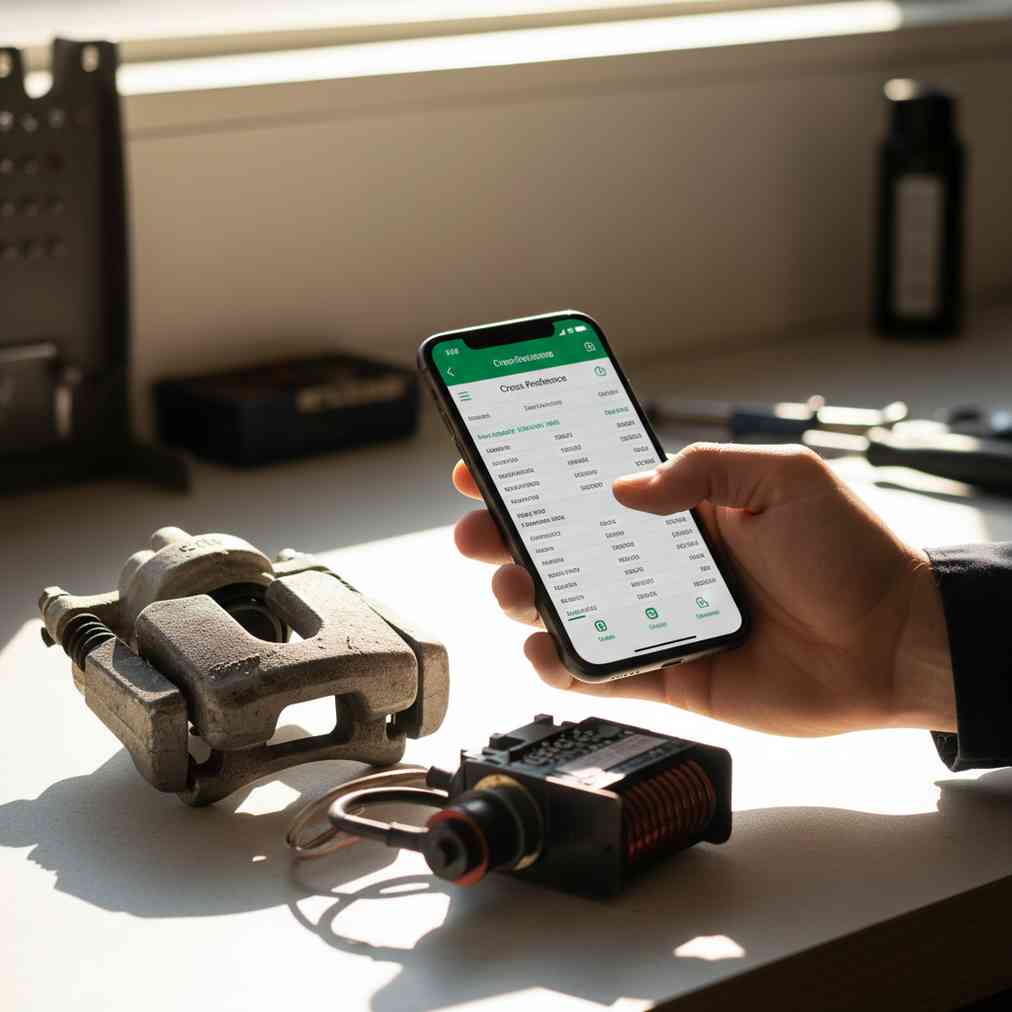
Understanding the Interchange Secret
The automotive world’s best-kept secret isn’t hidden in some exclusive manual or locked away in dealership databases. It’s called the “Interchange” system, and it’s the key to finding compatible auto parts that can save you hundreds or even thousands of dollars on car repairs. This comprehensive system reveals which parts from different vehicles are completely interchangeable, opening up a world of affordable repair options that most car owners never discover.
Part interchangeability is the ability to use a component from one vehicle model or year in another vehicle without requiring significant modifications. Manufacturers often use the exact same part across different makes, models, or years, even when the vehicles appear completely different. A part that fits and functions identically to the original without any modification is known as a Direct Fit Interchange (DFI) part.
Why Part Interchangeability Matters
Understanding part interchangeability is crucial for several reasons that directly impact your wallet and repair timeline. When you need to fix your car, knowing which parts interchange can mean the difference between paying premium prices for a single “compatible” part and having dozens of affordable options to choose from.
- Cost Savings: Interchange parts can cost 50-80% less than buying the exact OEM part number
- Time Efficiency: More available options means faster repairs and shorter wait times
- Increased Availability: Popular interchange parts are stocked more frequently
- Salvage Value: Maximizes the value when selling parts from damaged vehicles
Method 1: Using Online Retailers for Part Research
Online auto parts retailers like RockAuto offer user-friendly methods to check part fitment that can be leveraged for interchange research. These platforms have become invaluable tools for both professional mechanics and DIY enthusiasts looking to find compatible parts.
Model Year Comparison Technique
One of the simplest methods to check interchangeability between different years of the same model involves a straightforward process. Look up the part for your vehicle’s year, note the part number, then change only the model year in the search. If the part number remains exactly the same, there’s approximately a 99% probability that the parts are identical.
This technique works particularly well for components like brake pads, filters, sensors, and electrical parts that often remain unchanged across multiple model years. According to data analysis techniques used in automotive research, this method has proven highly reliable for identifying compatible parts.
Part Number Search Function
If you have an OEM or aftermarket part number, you can use the “Part Number Search” function on major retailer websites. Clicking on the resulting part number often displays a popup or comprehensive list showing all the different vehicles that specific part fits, effectively revealing its complete interchange applications.
General Fitment Verification
Many major parts websites allow you to look up a part for a specific vehicle and then review a “fitment” section that lists every vehicle the part was designed to fit. This feature is particularly useful when you’re working with affordable headlight replacements or other common components.
Method 2: Professional Interchange Tools – The Hollander System
The Hollander Interchange system represents the gold standard for automotive part interchangeability in North America. This comprehensive database has been the industry-standard resource for auto recyclers for decades, designed specifically to unlock the value of salvaged vehicles by identifying compatible parts.
How the Hollander System Works
The Hollander system functions as a massive cross-referencing database that maps millions of auto parts to their interchangeable equivalents. It allows users to digitally understand what parts fit which vehicles, simplifying complex compatibility combinations that would otherwise require extensive research.
| Hollander System Statistics (2020) | Numbers |
|---|---|
| Vehicle Models Covered | 1,221 models |
| OEM Part Numbers Mapped | 623,000+ |
| Vehicle Applications | 700,000 vehicles |
| North American Coverage | 95% of vehicles |
Understanding Interchange Numbers
The system maps OEM part numbers to compatible aftermarket or salvaged parts through Interchange Numbers. These numbers consist of a part type number and a specific 5-digit identifier. Parts sharing the same 5-digit number may be interchangeable with minor modifications, while parts sharing the entire interchange number are typically perfectly interchangeable.
Accessing Hollander Data
Professional interchange data is available in various formats to meet different user needs:
- Printed Manuals: Traditional reference books for offline use
- Downloadable Database Files: Digital versions for computer-based searching
- Integrated Systems: Built into yard management systems like Powerlink
- Parts-Locating Networks: Connected to networks like EDEN for real-time availability
Method 3: Vehicle-Specific Forums and Community Knowledge
For highly specific or complex part swaps, the community knowledge found in vehicle-specific forums proves invaluable. These platforms serve as repositories of real-world experience from enthusiasts and professionals who have already attempted various modifications and repairs.
Crowdsourced Expertise
Enthusiast forums contain thousands of verified part swaps and budget-friendly alternatives shared by members. If you know another car model uses the same engine or transmission, there’s a high probability that related parts like sensors, manifolds, and electrical components will have significant interchangeability. Research methodologies used in these communities often mirror professional market research methods, ensuring reliable information.
Professional Technical Networks
Professional platforms like the International Automotive Technicians Network (iATN) feature forums where certified technicians exchange real-world fixes and part compatibility information. These sources provide professional-grade insights that can be cross-referenced with retail sites for confirmation.
Key Insights and Industry Trends
Platform Sharing
Many vehicles share parts because they’re built on common platforms. For example, Ford Focus and Fusion models often share numerous interchange parts due to shared engineering platforms. This platform sharing extends across multiple manufacturers, creating extensive interchange opportunities.
Third-Party Supplier Patterns
Parts supplied by single third-party manufacturers, such as brake systems or lighting assemblies, are more likely to be identical across different makes. However, these parts may still undergo slight modifications for specific OEM applications, requiring careful verification before purchase.
Electronic Components Caution
Experts strongly advise caution when dealing with used computer modules like PCM (Powertrain Control Module) or BCM (Body Control Module). These components may have security features or VIN-locking that prevent them from working without specialized programming, making interchange more complex.
A major challenge with aftermarket DFI parts is the potential for quality variations. Not all replacements meet the same standards as OEM components, making verification crucial before purchase.
Practical Applications for Different Vehicle Types
Understanding interchange applications varies significantly depending on your vehicle type and repair needs. Whether you’re working on a common daily driver or a specialty vehicle, different strategies apply.
Common Vehicle Applications
Popular vehicles like the Honda Civic, Toyota Camry, and Ford F-150 benefit from extensive interchange networks. These vehicles often share parts across multiple model years and sometimes even across different models within the same manufacturer. When looking for Honda Civic parts at the junkyard, you’ll find numerous interchange options that can significantly reduce costs.
Specialty and Performance Vehicles
Specialty vehicles often have more limited interchange options, but when they exist, the savings can be substantial. Performance parts, in particular, may interchange across seemingly unrelated models that share the same performance-oriented powertrains or suspension systems.
Finding Interchange Parts at Salvage Yards
Salvage yards represent one of the best sources for interchange parts, offering significant cost savings compared to new or even rebuilt alternatives. When you’re searching for junkyards near me, understanding interchange principles can help you find exactly what you need at unbeatable prices.
Maximizing Salvage Yard Success
Before visiting a salvage yard, research the interchange options for your needed part. This preparation allows you to look beyond just your specific vehicle model and consider compatible parts from other vehicles that might be more readily available or in better condition.
- Bring Multiple Part Numbers: Research all compatible part numbers before your visit
- Check Different Model Years: Don’t limit yourself to your exact year
- Consider Related Models: Look at vehicles from the same manufacturer family
- Verify Fitment: Always double-check compatibility before removal
Quality Assessment at the Yard
When you find an interchange part at a salvage yard, proper assessment becomes crucial. Look for signs of wear, damage, or modification that might affect fitment or performance. Even interchange parts need to meet basic quality standards to function properly in your vehicle.
Digital Tools and Modern Resources
Modern technology has revolutionized how we access interchange information. Advanced analytical techniques, similar to those used in research methodology applications, now power sophisticated databases that make interchange research faster and more accurate than ever before.
Mobile Applications
Several mobile applications now provide instant access to interchange data, allowing you to research compatibility while standing in a salvage yard or auto parts store. These tools often integrate multiple databases and provide real-time pricing comparisons.
VIN Decoding Integration
Advanced systems now integrate VIN decoding with interchange databases, providing precise compatibility information based on your specific vehicle’s build specifications rather than general model information.
Cost-Benefit Analysis of Interchange Parts
Understanding the financial impact of using interchange parts versus OEM-specific parts can help you make informed decisions about your vehicle repairs. The savings often extend beyond just the initial purchase price.
| Repair Scenario | OEM Specific | Interchange Part | Potential Savings |
|---|---|---|---|
| Headlight Assembly | $350-500 | $75-150 | 60-75% |
| Alternator | $200-350 | $45-85 | 70-80% |
| Transmission | $2,500-4,000 | $400-800 | 75-85% |
| Body Panel | $400-800 | $50-150 | 80-90% |
Safety Considerations and Limitations
While interchange parts offer significant advantages, certain safety considerations and limitations must be understood. Not every part that physically fits will perform identically to the original, and some applications require exact OEM specifications for safety or legal reasons.
Safety-Critical Parts
Certain automotive parts are considered safety-critical and may have specific certification requirements. Airbag components, brake parts, and steering components often fall into this category and may require exact OEM specifications or certified alternatives.
Emissions and Legal Compliance
Emissions-related parts like catalytic converters, oxygen sensors, and exhaust components may need to meet specific certifications for legal compliance. While interchange parts may be available, verify they meet local emissions requirements before installation.
Future of Auto Parts Interchange
The automotive industry continues evolving, and interchange applications are becoming more sophisticated. Electric vehicles, hybrid systems, and advanced driver assistance systems are creating new categories of interchange opportunities while also introducing new complexities.
Electric Vehicle Considerations
As electric vehicles become more common, new interchange patterns are emerging around battery modules, electric motors, and charging systems. However, these parts often require specialized knowledge and safety procedures for handling.
Advanced Driver Assistance Systems
Modern vehicles increasingly incorporate cameras, sensors, and radar systems that may appear interchangeable but require specific calibration or programming. These systems are expanding the complexity of interchange applications while creating new opportunities for cost savings.
Getting Started with Interchange Research
Beginning your journey into auto parts interchange doesn’t require professional tools or expensive databases. Start with the free resources available online and gradually build your knowledge through practical experience.
Building Your Knowledge Base
- Start Simple: Begin with common maintenance parts like filters and belts
- Document Successes: Keep records of successful interchange applications
- Join Communities: Participate in vehicle-specific forums and groups
- Practice Research: Use multiple sources to verify compatibility before purchasing
- Learn from Mistakes: Document failed interchanges to avoid future issues
When to Seek Professional Help
While interchange research can save significant money, certain situations warrant professional assistance. Complex electrical systems, safety-critical components, or high-value parts may require professional verification before purchase or installation.
Conclusion: Mastering the Interchange Advantage
The interchange secret represents one of the most powerful tools available to vehicle owners seeking affordable, reliable repair solutions. By understanding how to research and verify part compatibility across different vehicle applications, you can access a world of options that most people never discover.
Whether you’re sourcing parts from online retailers, professional databases, or local salvage yards, the principles of interchange research remain consistent. Start with reliable sources, verify compatibility through multiple methods, and always prioritize safety when making substitutions.
Remember that if your vehicle has reached the end of its useful life, you can always get an instant quote for your junk car and use the proceeds to fund repairs on a more reliable vehicle. The interchange secret not only helps you maintain your current vehicle affordably but also maximizes the value you can extract from vehicles that are ready for recycling.
As you develop your interchange research skills, you’ll find that car repairs become less intimidating and more affordable. The automotive industry’s best-kept secret is now yours to use, opening doors to cost-effective vehicle maintenance that can keep your car running reliably for years to come.


Leave a Reply
You must be logged in to post a comment.