
What is a U-Pull-It Yard and Why Should You Care?
A U-Pull-It yard, also known as a Pick-and-Pull salvage yard, is a self-service auto parts facility where you do the labor and reap the savings. These yards operate on a simple principle: you bring your tools, locate the vehicle you need parts from, remove the parts yourself, and pay significantly less than you would for new parts. The savings can be substantial – often 50% to 80% less than new part prices.
The self-service model has revolutionized how DIY mechanics and budget-conscious car owners source affordable auto parts. Whether you’re restoring a classic car, fixing a daily driver, or building a project vehicle, understanding how to navigate these salvage yards near you can save thousands of dollars over the years.
Essential Pre-Trip Preparation
Success at a U-Pull-It yard starts at home with proper preparation. The most crucial step is checking the yard’s inventory online before making the trip.
Research Your Target Vehicles
Most modern salvage yards offer online inventory systems where you can search by make, model, and year. This feature allows you to confirm vehicle availability and prevents wasted trips. Some facilities organize their inventory by manufacturer sections, making location planning more efficient.
- Search specific vehicle models you need parts from
- Note the yard location numbers or section designations
- Check recent arrival dates for fresher inventory
- Cross-reference multiple vehicles for better part selection
Create a Detailed Parts List
A comprehensive parts list prevents aimless wandering and ensures you don’t forget critical items. Include part numbers, specifications, and compatibility information when possible.
| Part Category | Specific Items | Notes/Specifications |
|---|---|---|
| Engine | Alternator, Starter, Water Pump | Check amperage/part numbers |
| Body | Fender, Hood, Bumper | Note color code if needed |
| Interior | Seats, Dashboard, Door Panels | Check condition and color match |
| Electrical | ECU, Wiring Harness, Sensors | Verify compatibility |
Tool and Safety Equipment Checklist
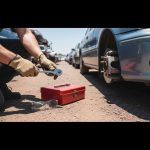
U-Pull-It yards require you to bring your own tools. Most facilities allow hand tools and battery-powered equipment but prohibit power tools, grinders, or cutting devices.
- Basic hand tools: Wrenches, screwdrivers, pliers, socket sets
- Battery-powered tools: Impact drivers, drills (where permitted)
- Safety gear: Closed-toe boots, work gloves, safety glasses
- High-visibility vest: Required at most yards (can purchase on-site)
- Additional items: Flashlight, magnetic pickup tool, zip ties
According to industry research, proper preparation can reduce yard visit time by up to 40% and increase successful part acquisition rates.
Arrival and Check-In Process
Your first impression of a U-Pull-It yard begins at the entrance gate. The check-in process is standardized across most facilities but understanding the steps helps streamline your entry.
Admission Fees and Membership Options
Most yards charge a small flat-rate admission fee per person, typically ranging from $2 to $5. Some facilities offer membership programs that waive admission fees and provide additional benefits like complimentary high-visibility vests.
Mandatory Safety Waiver
Every visitor must sign a safety waiver before entering the yard. This legal document acknowledges that you understand the inherent risks of working in an industrial salvage environment. The waiver covers potential hazards including:
- Sharp metal edges and broken glass
- Unstable vehicle conditions
- Exposure to automotive fluids
- Slip and fall hazards
- Moving equipment and machinery
Equipment and Navigation Tools
The facility typically provides wheelbarrows or sack trolleys to help transport tools and large parts. Staff may offer directions to specific vehicle sections or provide yard maps showing the layout of different manufacturer zones.
Navigating the Yard Like a Professional
Once inside the yard, efficiency and safety become your primary concerns. Understanding the layout and developing a systematic approach will maximize your time and results.
Locating Your Target Vehicles
Most salvage yards organize vehicles by manufacturer or alphabetically by make. Use any online inventory information or yard maps to navigate directly to your target section. Stay alert for designated walking routes and moving machinery.
Professional yard visitors recommend starting with the newest arrivals first, as these vehicles typically have parts in better condition and haven’t been picked over by other customers.
Part Pricing and Quality Assessment
Many modern facilities use QR codes on vehicles or publish price lists for common parts. Some yards post pricing information online, allowing you to budget before removal. Always check pricing before committing significant time to part removal.
| Part Category | Typical Price Range | Quality Factors to Check |
|---|---|---|
| Engines | $300-$800 | Mileage, oil condition, compression |
| Transmissions | $200-$600 | Fluid color, shifting mechanism |
| Body Panels | $25-$150 | Rust, dents, paint condition |
| Electronics | $15-$200 | Connector integrity, water damage |
Proper Yard Etiquette
Salvage yard etiquette ensures everyone has a positive experience and maintains safety standards:
- Ask permission before working on a vehicle someone else is using
- Replace fasteners in their original locations after part removal
- Close doors and covers you opened during your work
- Avoid unnecessary damage to surrounding parts
- Keep common walkways clear of tools and debris
Thorough Part Inspection
Before leaving the vehicle, conduct a comprehensive inspection of your selected part. Look for:
- Visible cracks or damage
- Excessive wear or corrosion
- Missing mounting brackets or hardware
- Electrical connector condition
- Internal component integrity
A few extra minutes of inspection can prevent purchasing defective parts and save return trips to the yard.
Safe and Efficient Part Removal
The actual part removal process requires patience, proper technique, and safety awareness. Understanding common removal procedures helps prevent injury and part damage.
Heavy Component Handling
When removing heavy parts like engines, transmissions, or large body panels, use proper lifting techniques and consider bringing assistance. Many yards provide engine hoists or lifting equipment for major parts removal.
“Never attempt to remove heavy automotive parts alone. A back injury isn’t worth any amount of savings, and most yards have lifting equipment available or allow helpers for major component removal.”
Professional Salvage Yard Technician
Electrical System Safety
When working with electrical parts, always disconnect the battery first if still connected. Be cautious around airbag systems, high-voltage hybrid components, and damaged wiring that may present shock hazards.
Checkout and Payment Process
After successfully removing your desired parts, the checkout process finalizes your salvage yard experience.
Payment Methods and Surcharges
Most facilities accept cash, debit, and credit cards, though some impose surcharges for credit card transactions. Staff will verify your parts and charge according to their established pricing structure.
Warranty and Return Policies
Many yards offer limited exchange-only warranties, typically 45 days, contingent on retaining your receipt. This policy allows part exchange for the same item but doesn’t provide cash refunds.
Always keep your receipt as proof of purchase and warranty eligibility. Some facilities use digital tracking systems to manage inventory and warranty claims.
Final Sign-Out Procedures
Before leaving the premises, ensure you sign out at reception if required. Check that you have all personal tools and equipment, and verify your receipt shows all purchased parts.
Timing and Planning Considerations
Successful salvage yard visits require proper timing and realistic planning to maximize results.
Operating Hours and Last Entry Times
Most yards enforce a “last entry” policy 30 minutes before closing time. Plan your arrival with sufficient time to locate, inspect, and remove desired parts without rushing.
Best Days and Times to Visit
- Weekday mornings: Less crowded, better part selection
- Right after new inventory arrives: Fresh vehicles with untouched parts
- Avoid weekends: Higher crowds and picked-over inventory
- Weather considerations: Avoid extreme weather that makes yard work dangerous
Common First-Timer Mistakes to Avoid
Learning from others’ experiences can prevent costly and time-consuming mistakes during your first salvage yard visit.
- Not bringing adequate tools: Arriving unprepared for basic part removal
- Failing to check part compatibility: Assuming parts fit without verification
- Ignoring safety protocols: Working without proper protective equipment
- Not inspecting parts thoroughly: Purchasing damaged or worn components
- Forgetting receipts: Losing warranty protection and return options
- Underestimating time requirements: Rushing part removal and inspection
Maximizing Your Salvage Yard Investment
With experience, salvage yard visits become more efficient and profitable. Understanding advanced strategies helps maximize your time and savings.
Building Relationships with Staff
Developing positive relationships with salvage yard employees can provide access to insider information about new arrivals, special pricing, and hard-to-find parts. Regular customers often receive preferential treatment and advance notice of quality vehicles.
Seasonal Opportunities
Different seasons bring unique opportunities at salvage yards. Winter months may see increased inventory from accident vehicles, while spring brings customers clearing out project cars. Understanding these patterns helps optimize visit timing.
Learning Part Interchangeability
Understanding which parts interchange between different model years and vehicle lines significantly expands your options. Many manufacturers use identical parts across multiple models, increasing availability and reducing costs.
When to Consider Selling Your Vehicle
While you’re learning about buying parts, you might also have a vehicle that’s reached the end of its useful life. If you have a non-running or damaged vehicle taking up space, consider getting an instant quote for your junk car to turn that liability into cash for your next project.
Digital Tools and Modern Resources
Modern technology has revolutionized the salvage yard experience, making part identification and compatibility checking more accessible than ever.
Mobile Apps and Online Resources
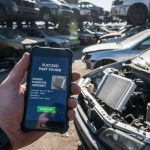
Several mobile applications help identify parts, check compatibility, and compare pricing across multiple yards. These tools can significantly improve your success rate and reduce time spent searching.
Photography and Documentation
Taking photos of part numbers, mounting locations, and electrical connections before removal helps ensure proper installation later. Many successful salvage yard visitors maintain digital libraries of their finds for future reference.
Environmental Impact and Sustainability
Participating in the salvage yard economy contributes to environmental sustainability by extending the lifecycle of automotive parts and reducing manufacturing demand for new components.
According to environmental research, automotive recycling prevents millions of tons of material from entering landfills annually and reduces the energy required for new part production by up to 85%.
Advanced Strategies for Experienced Visitors
As you gain experience, consider these advanced strategies to maximize your salvage yard success:
- Develop specialty knowledge: Focus on specific vehicle types or part categories
- Network with other enthusiasts: Share information and coordinate visits
- Monitor auction sources: Track where yards source their inventory
- Understand pricing cycles: Learn when yards adjust prices or offer sales
- Build a parts inventory: Stock commonly needed items for future projects
Conclusion: Your Journey Begins
Your first trip to a U-Pull-It yard marks the beginning of a cost-effective approach to automotive repair and restoration. By following this comprehensive guide, you’ll navigate the experience safely, efficiently, and successfully.
Remember that every expert started as a beginner. Don’t be discouraged if your first visit doesn’t yield perfect results. Each trip builds knowledge, improves technique, and expands your understanding of automotive systems and part compatibility.
The combination of significant cost savings, hands-on learning opportunities, and environmental responsibility makes salvage yard visits worthwhile for anyone maintaining or repairing vehicles. With proper preparation, safety awareness, and patience, you’ll soon discover why millions of DIY mechanics consider U-Pull-It yards their preferred source for quality automotive parts at unbeatable prices.
Start planning your first visit today, and join the community of savvy car enthusiasts who have discovered the treasure trove of affordable auto parts waiting in salvage yards across the country.


Leave a Reply
You must be logged in to post a comment.