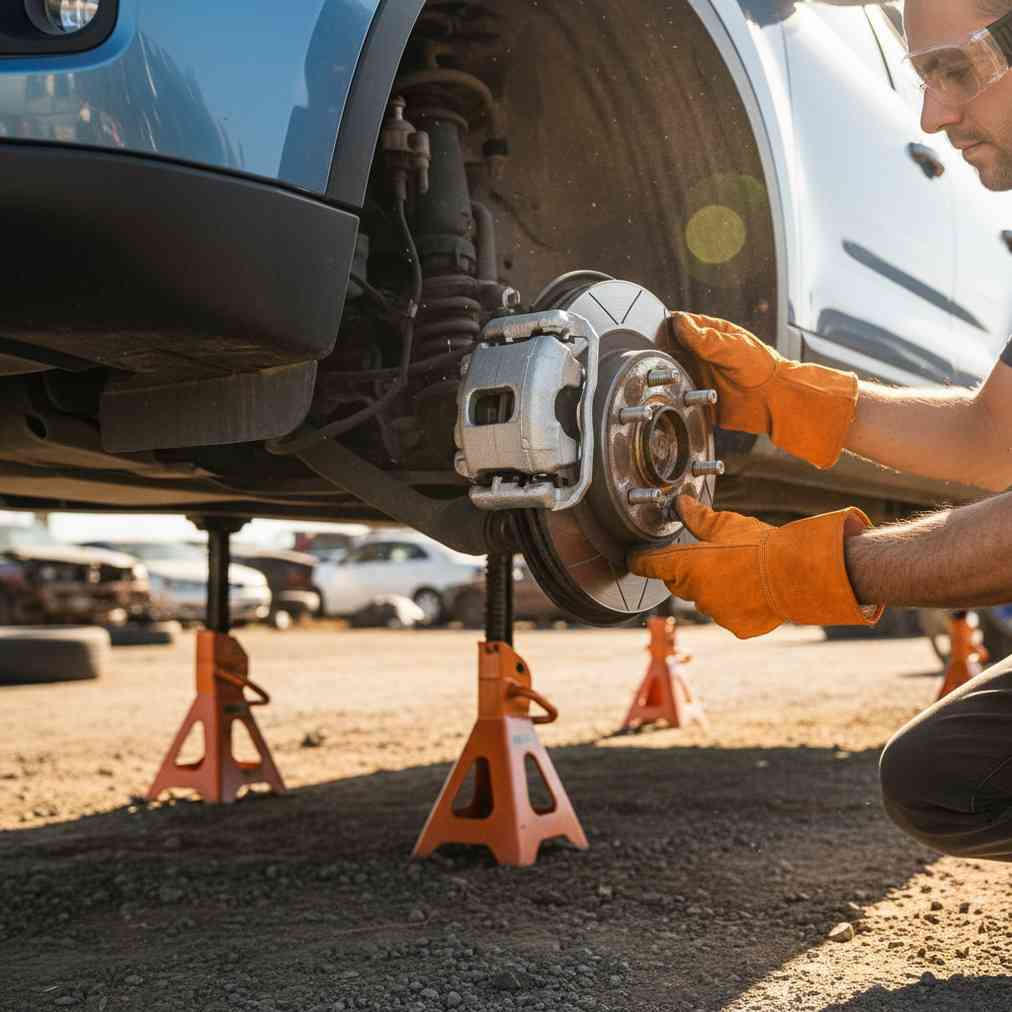
Understanding the Real Risks of Self-Serve Junkyards
The short answer is no – self-serve junkyards are not inherently dangerous, but they do present real, manageable risks that require basic safety precautions and awareness. Modern reputable yards implement comprehensive safety measures, but personal responsibility remains crucial for a secure experience when visiting these automotive treasure troves.
If you’re considering finding a junkyard near you for the first time, understanding these risks and how to mitigate them will ensure you have a safe and productive visit. Let’s separate fact from fiction when it comes to junkyard safety.
Debunking Common Junkyard Safety Myths
Many first-time visitors arrive at self-serve yards with preconceived notions about safety that are largely unfounded. Here’s the reality behind the most common fears:
| Common Fear/Myth | Reality & Mitigation |
|---|---|
| Cars falling off stands | Reputable yards stabilize vehicles on blocks or welded rims. Always “nudge” or “body rock” a car before working to ensure stability. |
| Encountering “sketchy people” | Modern yards are organized by make/model with staff present. Focus on the physical environment rather than other customers. |
| Hidden critters/pests | While possible, staying aware of surroundings and checking before reaching into hidden spaces minimizes risk. |
| Children getting hurt | Most yards prohibit minors under 18 due to inherent hazards, eliminating this concern. |
The Real Hazards: What You Actually Need to Worry About
While many fears are overblown, legitimate safety concerns do exist in salvage yards. Understanding these actual risks helps you prepare appropriately and stay safe during your visit.
Sharp Metal and Debris Injuries
The Risk: Cuts, scrapes, and puncture wounds are the most common injuries at self-serve yards. Jagged metal edges, broken glass, and rusty parts create numerous opportunities for injury.
Essential Protection:
- Heavy-duty work gloves – Non-negotiable for protecting hands
- Sturdy, closed-toe boots – Steel-toed preferred for foot protection
- Safety goggles or glasses – Shield eyes from dust and flying debris
- Long pants and sleeves – Provide additional skin protection
Hazardous Material Exposure
Automotive fluids present serious health and safety risks that many visitors underestimate. Gasoline, diesel, antifreeze, and various automotive acids can cause harm through skin contact, inhalation, or ingestion.
Critical Safety Measures:
- Never smoke or use open flames in the yard
- Avoid direct contact with leaked fluids
- Wash hands thoroughly after handling any parts
- Be especially cautious around antifreeze – it’s highly toxic
Falling Objects and Heavy Lifting Injuries
Auto parts are deceptively heavy, and improper lifting techniques cause numerous injuries. Additionally, unsecured parts can fall and cause head injuries or other trauma.
Prevention Strategies:
- Use proper lifting techniques – bend your knees, not your back
- Bring a friend for heavy parts like engines or transmissions
- Ask staff for equipment assistance when available
- Never lift heavy objects over your head
- Check that parts are secure before working underneath
Understanding Vehicle Stabilization Methods
One of the biggest concerns for first-timers is vehicle stability. Many worry that cars are precariously balanced and could collapse at any moment. The reality is quite different.
Professional salvage yards implement several stabilization methods:
- Welded rims – Many yards weld rims in place when vehicles arrive
- Concrete blocks – Heavy-duty blocks provide stable support
- Professional stands – Purpose-built automotive stands for heavier vehicles
- Customer jack restrictions – Most yards prohibit personal jacks for safety reasons
Before working on any vehicle, always perform the “stability test” by gently pushing or rocking the car to ensure it won’t shift during your work.
Essential Safety Gear for Junkyard Visits
Proper preparation dramatically reduces your risk of injury. Here’s your complete safety checklist:
Must-Have Safety Equipment
- Work gloves – Heavy leather or cut-resistant synthetic materials
- Safety boots – Steel-toed with puncture-resistant soles
- Eye protection – Safety glasses or goggles
- Work clothes – Long pants and long-sleeved shirts
- First aid kit – Basic supplies for minor cuts and scrapes
Recommended Additional Gear
- Hard hat for work in tight spaces
- Knee pads for ground-level work
- Respiratory protection in dusty conditions
- Flashlight or headlamp for dark areas
- Hand sanitizer and wet wipes
Best Practices for Safe Junkyard Navigation
Beyond protective equipment, following proven safety practices ensures a successful visit:
Before You Start
- Check weather conditions – Avoid visits during storms or extreme weather
- Inform someone of your plans – Let others know where you’re going and when you expect to return
- Bring adequate water – Stay hydrated, especially in hot weather
- Review yard rules – Each facility has specific safety requirements
During Your Visit
- Stay in designated customer areas only
- Watch for moving yard equipment and other customers
- Take frequent breaks to avoid fatigue
- Ask staff for assistance with unfamiliar procedures
- Never work alone under vehicles or in confined spaces
When to Seek Professional Help
Some situations require yard staff assistance or professional intervention:
- Heavy part removal – Engines, transmissions, and large body panels
- Stuck or corroded parts – Don’t risk injury forcing stubborn parts
- Electrical system work – High-voltage systems in hybrid/electric vehicles
- Fluid-covered areas – Extensive contamination requires professional handling
- Structural damage – Compromised vehicle integrity
Age Restrictions and Liability
Most reputable self-serve yards maintain strict age policies. Customers under 18 are typically prohibited from entering operational areas due to insurance and safety concerns. This policy exists because:
- Minors may lack the judgment to recognize hazards
- Insurance liability increases significantly with underage visitors
- Safety equipment may not fit properly on younger individuals
- Physical demands of part removal can exceed adolescent capabilities
Emergency Preparedness
Despite all precautions, accidents can happen. Being prepared for emergencies is part of responsible junkyard visiting:
Know Before You Go
- Location of first aid stations
- Emergency contact procedures
- Nearest medical facility
- Yard staff locations and communication methods
Basic First Aid Knowledge
- Treating minor cuts and scrapes
- Recognizing signs of more serious injuries
- When to seek immediate medical attention
- Proper wound cleaning and bandaging techniques
Modern Junkyard Safety Standards
Today’s professional salvage operations bear little resemblance to the chaotic junkyards of decades past. Reputable facilities invest heavily in safety infrastructure:
- Organized inventory systems – Cars arranged by make, model, and year
- Improved vehicle stabilization – Professional-grade support systems
- Regular safety inspections – Ongoing assessment of potential hazards
- Staff training programs – Employees educated in safety protocols
- Environmental compliance – Proper handling of hazardous materials
These improvements have dramatically reduced injury rates while making yards more accessible to DIY enthusiasts and professional mechanics alike.
Smart Shopping: Beyond Safety
Once you understand the safety fundamentals, focus on making data-driven decisions about which parts to buy and which to avoid:
Safe Parts to Buy Used
- Body panels and trim pieces
- Wheels and hubcaps
- Interior parts (seats, door panels, consoles)
- Mechanical parts with visible condition (alternators, starters)
- Glass and mirrors
Parts to Approach with Caution
- Safety-critical systems (brakes, steering, suspension)
- Airbag systems
- High-wear items without service history
- Electronic control modules
- Fluid-containing systems with unknown maintenance
Making the Most of Your Visit
Successful junkyard visits combine safety consciousness with strategic planning. When you’re ready to sell a vehicle instead of buying parts, consider getting an instant quote for your junk car to understand its value.
The key to safe junkyard visits lies in preparation, proper equipment, and realistic expectations. While risks exist, they’re manageable with the right approach. Most visitors find that self-serve yards offer tremendous value and an educational experience that builds automotive knowledge.
Final Safety Recommendations
Remember these critical points for every junkyard visit:
- Never compromise on safety equipment – The cost of proper gear is minimal compared to medical bills
- Trust your instincts – If something feels unsafe, don’t proceed
- Ask questions – Yard staff are knowledgeable resources for safety and parts location
- Take your time – Rushing leads to accidents and poor part selection
- Stay hydrated and take breaks – Fatigue increases accident risk significantly
With proper preparation and respect for the environment, self-serve junkyards provide safe, affordable access to quality used automotive parts. The key is understanding that while these facilities aren’t inherently dangerous, they do require awareness, preparation, and common sense to navigate safely.
Whether you’re a first-time visitor or seasoned parts hunter, prioritizing safety ensures that your junkyard adventures remain both profitable and injury-free. Research shows that prepared visitors have significantly better experiences and find higher-quality parts than those who arrive unprepared.


Leave a Reply
You must be logged in to post a comment.