How to Find and Remove Interior Trim Panels Without Breaking Clips
Essential Tools: The Foundation of Clip-Free Removal The most critical factor in successfully removing interior trim panels without breaking clips is using the right tools. Professional mechanics and experienced DIY enthusiasts unanimously agree that investing in proper plastic trim removal tools is essential for non-destructive panel removal. Plastic Trim Removal Tools Tools made from sturdy [...]
Article image
Essential Tools: The Foundation of Clip-Free Removal
The most critical factor in successfully removing interior trim panels without breaking clips is using the right tools. Professional mechanics and experienced DIY enthusiasts unanimously agree that investing in proper plastic trim removal tools is essential for non-destructive panel removal.
Plastic Trim Removal Tools
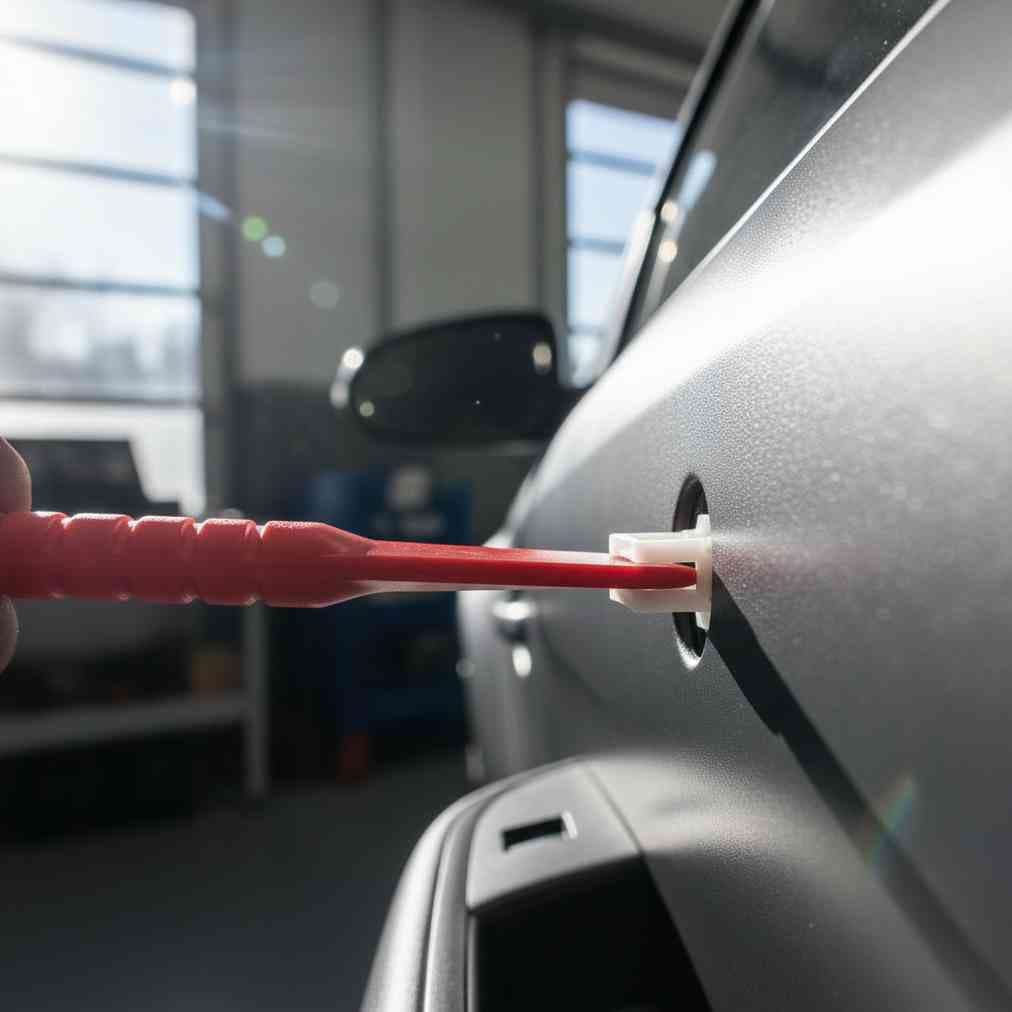
Tools made from sturdy ABS plastic or polycarbonate are highly recommended for prying operations. These materials are flexible enough to avoid scratching or cracking surrounding trim and panels while providing sufficient leverage to release stubborn clips.
Wide edge removers – Perfect for large panel sections
Narrow edge removers – Ideal for tight spaces and small clips
Pull-type removers – Designed for clips that need vertical extraction
Upholstery clip removers – Specialized for interior fabric components
Specialized Metal Tools
For clips that require pulling from the metal frame, particularly plastic rivets or retainers, a metal clip removal tool or panel clip pliers becomes invaluable. These tools pinch the rivet correctly to facilitate easy removal without damage.
“Ever since I bought one of these trim tools, I've never had a problem with breaking trim clips or getting them off.”
Avoid using screwdrivers or utility knives, as they risk scratching sensitive areas like the dashboard and concentrate force on single points, leading to clip breakage.
Pre-Removal Preparation and Assessment
Before applying any force to interior panels, proper preparation can significantly reduce the risk of clip damage. Understanding your vehicle's specific clip types and locations is crucial for successful removal.
Warming the Plastic
Temperature plays a critical role in plastic flexibility. Cold plastic becomes brittle and breaks much more easily than warm plastic. Perform trim removal work when the car's interior is warm, or use a hairdryer on stubborn areas to loosen the fit.
Locating Hidden Fasteners
Many interior panels have hidden screws behind handles or under plastic caps that must be removed first. Some fasteners are screw-fit rivets requiring a Phillips screwdriver before using a pry tool on the sleeve.
Panel Type
Common Hidden Fasteners
Removal Method
Door Panels
Screws behind handles
Remove handle covers first
Dashboard
Clips under trim caps
Pry caps carefully with plastic tool
Console
Screws in storage compartments
Check all compartments thoroughly
Step-by-Step Removal Techniques
The key to successful trim panel removal lies in understanding the specific techniques for different clip types and panel configurations. Each type of interior panel requires a slightly different approach.
General Removal Process
Locate clips by gently tugging on the panel to feel resistance points
Position tools correctly – slip the appropriate plastic tool under the panel edge near clip locations
Apply even pressure – pry evenly rather than concentrating force on one spot
Pop clips systematically – work around the panel methodically
Door Panel Specific Techniques
Door panels often contain the most clips and retainers. These panels require extra care to prevent fouling released clips on the door structure when pulling the panel away. For specific clip types on door trims, it may be necessary to turn the clip 90 degrees with pliers before levering it up, as they might be designed to lock in place.
“If you try and pry the plastic lugs away from the spindle with screwdrivers or other stuff, you'll probably break 'em. Use a circlip (snap-ring) plier instead.”
Dashboard and Console Removal
Dashboard and console areas require careful prying, often starting at a corner to reveal the next step or concealed screws and retaining clips. These areas typically have more complex clip arrangements and may require multiple tool types for complete removal.
If you're working on a project car or need replacement parts, consider visiting salvage yards near you where you can practice these techniques and find affordable replacement clips and panels.
Understanding Different Clip Types
Interior trim panels use various clip and fastener types, each requiring specific removal techniques. Understanding these differences is crucial for preventing breakage during removal.
Clip Type
Description
Removal Method
Risk Level
Push Rivets
Plastic rivets with center pin
Pull center pin first, then rivet
Low
Twist Clips
Clips that rotate to lock
Turn 90 degrees then lift
Medium
Snap Clips
Spring-loaded retainers
Compress and slide out
High
Screw Rivets
Threaded center with sleeve
Unscrew center, then pry sleeve
Low
Push-Type Rivets and Retainers
These are among the most common fasteners in modern vehicles. The center pin must be removed first, often by pulling with pliers or pushing through with a punch tool. Once the center is out, the outer sleeve can be removed easily.
Rotating Lock Clips
Some clips, particularly on door panels, require rotation before removal. These clips have locking mechanisms that engage when installed and must be disengaged by turning counterclockwise before lifting.
Safety Considerations and Best Practices
Working with interior trim requires attention to safety and proper technique to protect both yourself and the vehicle's interior parts. Modern data science trends in automotive manufacturing have led to more complex clip designs that require careful handling.
Personal Safety
Wear safety glasses – Clips can spring back unexpectedly
Use proper lighting – Good visibility prevents mistakes
Protect your hands – Sharp edges on trim panels can cause cuts
Work in comfortable positions – Awkward positions lead to mistakes
Vehicle Protection
Protecting the vehicle's interior while working is equally important. Use blankets or towels to cover seats and other surfaces. Be especially careful around sensitive electronic parts that might be affected by static electricity.
Troubleshooting Common Problems
Even with proper tools and techniques, you may encounter challenging situations during trim panel removal. Understanding common problems and their solutions can save time and prevent damage.
Stubborn or Seized Clips
When clips won't budge despite proper technique, they may be seized due to age, heat exposure, or corrosion. Apply heat with a hairdryer to soften the plastic, or use penetrating oil around metal clips. Sometimes gentle back-and-forth motion while applying pressure helps break the seal.
Partially Broken Clips
If a clip starts to crack during removal, stop immediately and assess the situation. Sometimes applying heat can make the plastic more flexible, allowing complete removal without total failure. However, plan to replace any damaged clips before reassembly.
Replacement and Reassembly Tips
Successful trim panel removal is only half the job. Proper reassembly with functional clips ensures a professional result and prevents future problems.
When to Replace Clips
Older plastic clips can become brittle due to heat and UV exposure, making them likely to snap on the next removal attempt. Consider replacing clips proactively, especially on vehicles over five years old. Generic replacement clips are often available affordably online.
Reassembly Best Practices
Clean clip mounting points before reassembly
Align panels carefully before pressing clips home
Press firmly and evenly to ensure proper engagement
Test panel security with gentle tugging after installation
If you're planning to sell your current vehicle and need cash for a replacement, consider getting an instant quote for junk car to fund your next project or purchase.
Advanced Techniques for Specific Vehicles
Different manufacturers use varying clip designs and panel attachment methods. Understanding these variations can improve your success rate across different vehicle brands.
European Vehicles
German and other European manufacturers often use more complex clip systems with multiple engagement points. These may require specialized tools or techniques, such as sliding tools along specific angles or using multiple tools simultaneously.
Asian Vehicles
Japanese and Korean manufacturers typically use simpler but more numerous clips. The key is methodical removal, working systematically around the panel perimeter rather than attempting to force large sections at once.
American Vehicles
Domestic manufacturers often combine clips with screws and may use larger, more robust fasteners. Always check for hidden screws before attempting clip removal on American vehicles.
Tool Maintenance and Storage
Proper care of trim removal tools ensures they remain effective and reduces the likelihood of tool-related damage to clips and panels.
Cleaning and Inspection
Regularly clean plastic tools to remove debris that might scratch surfaces. Inspect tools for cracks or wear that could cause them to fail during use. Replace damaged tools promptly to maintain effectiveness.
Organization and Accessibility
Keep tools organized in a dedicated case or tool roll. Having the right tool immediately available reduces the temptation to use inappropriate substitutes that might cause damage.
“The one kit that stands out as universally recommended is this one from Tresalto. You get four panel removal tools made from a sturdy ABS plastic, and you get this long reach metal tool for removing the plastic rivets that most cars use to hold the panel to the metal frame. This one is a lifesaver.”
Cost-Benefit Analysis of Professional vs. DIY
Understanding when to tackle trim removal yourself versus seeking professional help can save both money and frustration. The decision often depends on the complexity of the job and the value of the vehicle.
Factor
DIY Approach
Professional Service
Tool Cost
$20-50 initial investment
Included in service
Time Required
2-4 hours for beginners
30-60 minutes
Risk of Damage
Moderate with proper tools
Low with experienced tech
Learning Value
High for future projects
None
Environmental Considerations
Proper trim panel removal supports environmental sustainability by enabling parts reuse and reducing waste. When clips break, they often end up in landfills, whereas intact removal allows for multiple use cycles.
Research in environmental data science shows that automotive recycling significantly reduces manufacturing demand for new parts, making careful removal techniques an important environmental practice.
Recycling Considerations
Preserve clip integrity for multiple reuse cycles
Sort materials properly during disposal
Consider donation of intact trim pieces to restoration projects
Recycle broken clips through appropriate plastic recycling programs
Future Trends in Interior Fastening
The automotive industry continues evolving its approach to interior trim attachment. Understanding these trends helps DIY mechanics prepare for future vehicle technologies.
Modern automotive research focuses on developing more sustainable and reusable fastening systems. This includes magnetic attachments, improved clip designs, and modular interior systems that facilitate easier service and customization.
Emerging Technologies
Magnetic fasteners for easier removal and replacement
Quarter-turn fasteners replacing traditional clips
Tool-free designs enabling hand removal
Smart fasteners with integrated sensors for maintenance tracking
Conclusion: Mastering Clip-Free Removal
Successfully removing interior trim panels without breaking clips requires the right combination of proper tools, technique, and patience. By investing in quality plastic trim removal tools, understanding different clip types, and following systematic removal procedures, DIY mechanics can achieve professional results while preserving valuable parts for future use.
The key to success lies in preparation, using appropriate tools, and working methodically rather than forcing parts. With practice and proper technique, trim panel removal becomes a routine maintenance skill that saves money and preserves vehicle value. Remember that broken clips are often more expensive and difficult to replace than taking extra time during initial removal.
Whether you're performing routine maintenance, installing aftermarket accessories, or working on interior restoration projects, these techniques will help ensure successful outcomes while maintaining the integrity of your vehicle's interior parts and fastening systems.