How to Find "Hidden Gem" Parts on Unsuspecting Cars
Understanding Platform Sharing in the Automotive Industry The modern automotive industry's practice of platform sharing has created unprecedented opportunities for savvy car enthusiasts and mechanics to find high-end performance parts on seemingly ordinary vehicles. This comprehensive guide will show you how to leverage this industry practice to discover "hidden gem" parts that can save you [...]
Article image
Understanding Platform Sharing in the Automotive Industry
The modern automotive industry's practice of platform sharing has created unprecedented opportunities for savvy car enthusiasts and mechanics to find high-end performance parts on seemingly ordinary vehicles. This comprehensive guide will show you how to leverage this industry practice to discover “hidden gem” parts that can save you hundreds or even thousands of dollars on your next automotive project.
Platform sharing is a core strategy where different models and even different brands under the same corporate umbrella share the same basic structure, engineering, and major parts. This means that engines, gearboxes, braking systems, and suspension parts can be identical across seemingly distinct models, creating opportunities to source expensive luxury car parts from more common, affordable donor vehicles.
What Makes a Part a “Hidden Gem”
A hidden gem part is essentially a high-performance or luxury component that's shared between an expensive vehicle and a more common, less expensive model. The key advantage comes from finding these shared parts at salvage yards near me or through used parts catalogs for the common car, resulting in significant savings compared to sourcing the same part from the luxury vehicle.
Cost Reduction: Save 50-80% compared to buying from luxury vehicle sources
OEM Quality: Identical parts with same specifications and performance
Availability: Common donor vehicles are more frequently found in salvage yards
Lower Demand: Less competition when sourcing from economy models
Major Platform Sharing Examples
Volkswagen-Audi Group (VAG) Platform Strategy
The VAG group represents one of the most extensive platform sharing networks in the automotive industry, offering numerous opportunities for hidden gem discoveries:
Platform
Luxury Vehicle
Common Donor Vehicle
Shared Parts
MQB Platform
Audi A3/S3
VW Golf/GTI
Engines, transmissions, brakes
MLB Platform
Audi Q7
VW Touareg
Suspension, drivetrain, electronics
MLB Platform
Porsche Cayenne
VW Touareg
Platform structure, major mechanicals
Other Notable Platform Sharing Examples
Mercedes GLA and Infiniti Q30: Share platform, engine, gearbox, and crash structure
Toyota GT86 and Subaru BRZ: Nearly identical vehicles with different badges
Ford Focus and Volvo V50: Share numerous mechanical parts and systems
Chrysler 300 and Mercedes E-Class (older generations): Platform and drivetrain sharing
Cross-Referencing Parts: Tools and Techniques
Successfully finding hidden gem parts requires mastering the art of cross-referencing. This involves understanding how to identify shared parts between different vehicles and where to find reliable information about part compatibility data across multiple platforms.
Using Online Parts Catalogs
RockAuto is one of the most valuable resources for cross-referencing parts between different vehicles. This major online auto parts retailer operates as a warehouse/dropshipper, often offering lower prices than traditional brick-and-mortar stores.
Start with the luxury vehicle: Search for your desired part using the expensive model
Note the OEM part number: Record the manufacturer's original part number
Cross-reference the part number: Search for the same OEM number across different makes and models
Verify fitment: Double-check compatibility, considering sub-models and production dates
Advanced Research Techniques
Modern automotive research benefits from advanced data analysis techniques that help identify part sharing patterns across different vehicle lineups. Professional mechanics and serious enthusiasts often maintain databases of interchangeable parts to streamline their sourcing process.
VIN Decoder Analysis: Use VIN information to identify exact specifications
Factory Service Manuals: Reference original equipment specifications
Online Forums and Communities: Leverage collective knowledge from enthusiast groups
Part Number Cross-Reference Databases: Utilize professional-grade lookup tools
Strategic Salvage Yard Shopping
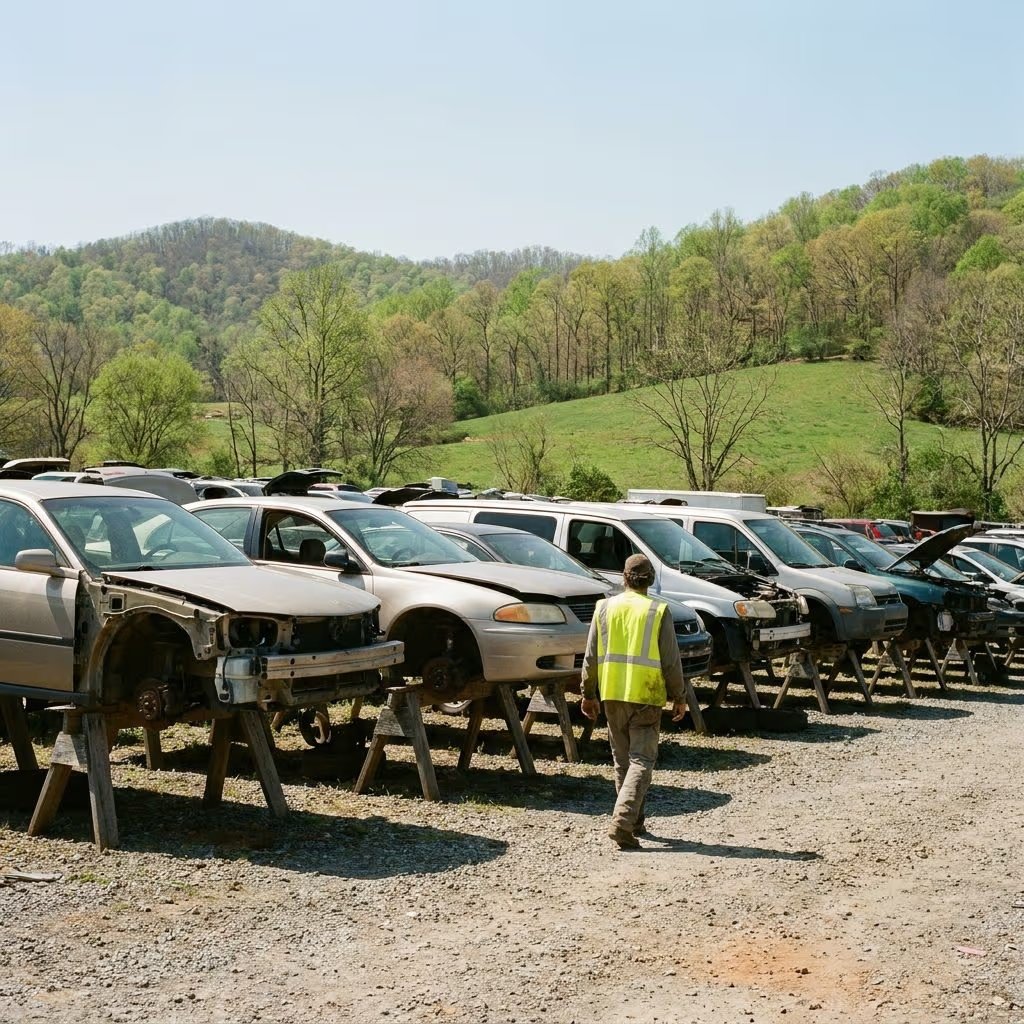
Success in finding hidden gem parts requires a strategic approach to visiting salvage yards. The goal is to target vehicles that share platforms with expensive models but are less sought after in the salvage market.
Identifying Target Vehicles
When visiting a local salvage yard, focus on common vehicles that share platforms with luxury or performance models. These donor vehicles typically have lower demand, making parts more available and affordable.
Target Part
Look in This Common Vehicle
Instead of This Expensive Vehicle
Potential Savings
Performance Brakes
VW GTI
Audi S3
60-70%
Turbo Engine
Ford Focus ST
Ford Mustang EcoBoost
40-50%
AWD System
VW Touareg
Porsche Cayenne
70-80%
Timing Your Visits
Successful salvage yard shopping requires understanding inventory cycles and timing your visits strategically. The best days to visit salvage yards can significantly impact your chances of finding quality parts.
New Inventory Days: Visit shortly after fresh cars arrive
Weekday Visits: Less competition from weekend DIY enthusiasts
Seasonal Considerations: Target specific parts based on seasonal demand
Holiday Periods: Take advantage of special sales and promotions
Performance Parts: The Brembo Example
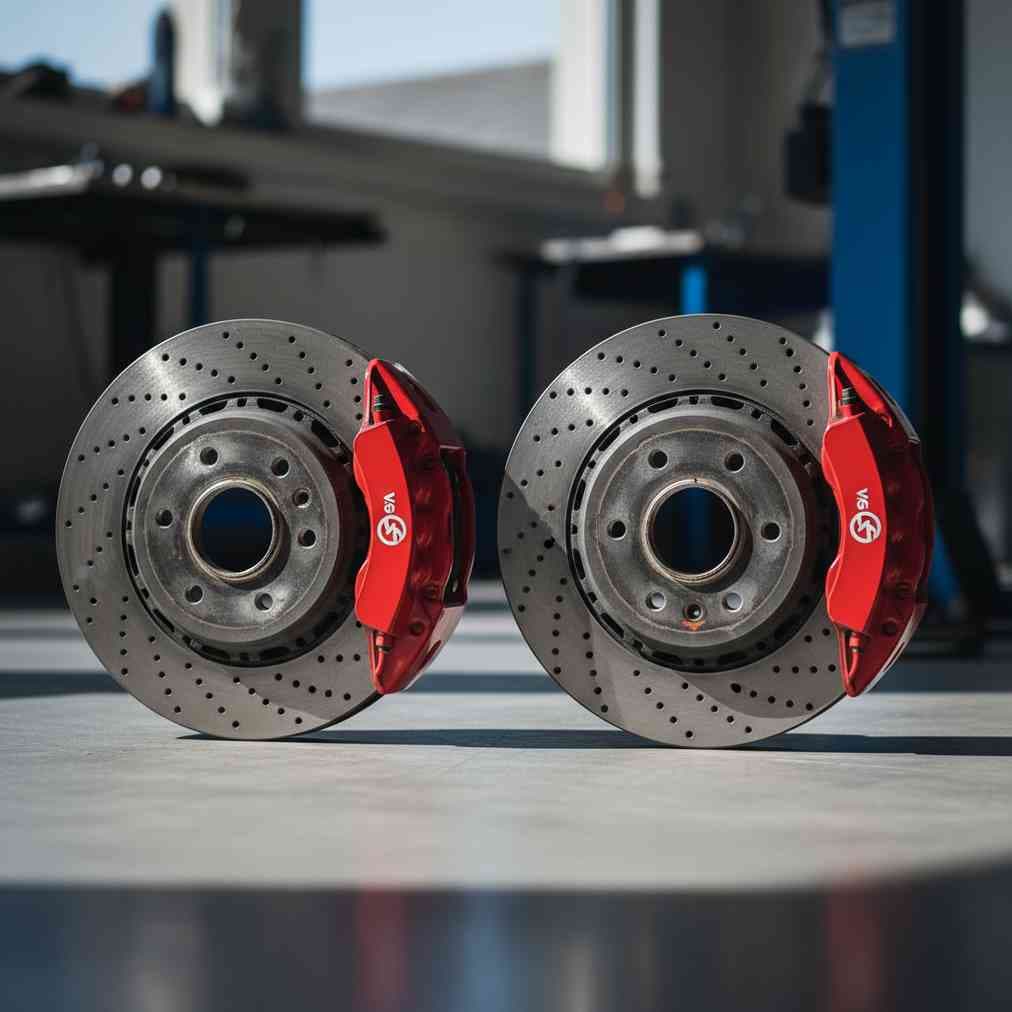
High-performance brake systems represent one of the most valuable categories of hidden gem parts. Brembo brake systems, known for their exceptional performance and premium pricing, are often shared between luxury and performance models and their more common platform siblings.
For example, if an Audi S-model uses a specific Brembo brake system, that same system might be found on a higher-spec Volkswagen model built on the same platform. Finding performance brakes on a budget becomes possible when you know where to look for these shared parts.
Brake Calipers: Often identical across platform siblings
Brake Rotors: Same specifications and mounting points
Brake Pads: Identical compounds and dimensions
Brake Lines: Compatible routing and connections
Engine and Drivetrain Hidden Gems
Powertrains represent some of the most expensive automotive parts, making them prime candidates for hidden gem discoveries. The automotive industry's trend toward standardization through data-driven design has led to increased sharing of engines and transmissions across brand lines.
Engine Sharing Examples
Engine Type
Premium Application
Common Application
Availability
2.0T FSI
Audi A4
VW Passat
High
3.6L VR6
Porsche Cayenne
VW Touareg
Moderate
2.3L EcoBoost
Ford Mustang
Ford Focus RS
Low
Transmission Treasures
Automatic and manual transmissions are frequently shared across platforms, creating opportunities to source expensive transmissions from more common vehicles. Finding quality used transmissions becomes much more affordable when you know about these shared applications.
Electronic Systems and Modules
Modern vehicles rely heavily on electronic control modules, and these sophisticated parts are often shared across platform families. Understanding electronic system data structures can help identify compatible modules between different vehicles.
Engine Control Modules (ECM): Often identical with different software
Body Control Modules: Shared across similar body styles
Climate Control Systems: HVAC modules frequently interchangeable
Infotainment Systems: Head units and displays often platform-specific
Quality Assessment and Inspection
Finding hidden gem parts is only half the battle; ensuring their quality and functionality is equally important. Developing a systematic approach to inspecting used parts will help you avoid costly mistakes and ensure successful installations.
Visual Inspection Checklist
Physical Damage: Look for cracks, corrosion, or obvious wear
Mounting Points: Verify all attachment points are intact
Electrical Connections: Check for damaged pins or corroded connectors
Fluid Contamination: Assess any fluid stains or leaks
Part Numbers: Verify correct part numbers and revision codes
Functional Testing
When possible, perform basic functional tests on electronic parts before purchase. Many salvage yards allow customers to test parts using portable testing equipment.
Pricing Strategies and Negotiation
Understanding salvage yard pricing structures can help you negotiate better deals on hidden gem parts. Yards often price parts based on the donor vehicle rather than the expensive application, creating opportunities for significant savings.
Negotiation Factor
Advantage
Typical Savings
Multiple Parts Purchase
Volume discount
10-20%
Cash Payment
No processing fees
5-10%
End of Day Visit
Quick sale preference
15-25%
Repeat Customer
Relationship building
10-15%
Legal and Warranty Considerations
When sourcing parts from salvage yards, it's important to understand your rights and any warranty coverage that may apply. Most reputable yards offer limited warranties on major parts, but terms vary significantly between locations.
Return Policies: Understand time limits and condition requirements
Core Charges: Know which parts require core returns for full refunds
Installation Requirements: Some warranties require professional installation
Documentation: Keep receipts and part numbers for warranty claims
Building Your Hidden Gem Database
Successful hidden gem hunting requires building and maintaining your own database of interchangeable parts. Combining data from multiple sources creates a comprehensive reference that can save time and money on future projects.
Essential Information to Track
Part Numbers: OEM numbers and cross-references
Vehicle Applications: All compatible makes and models
Yard Locations: Where you've seen specific parts available
Pricing History: Track price trends over time
Installation Notes: Document any fitment considerations
Future Trends in Platform Sharing
The automotive industry continues to evolve toward greater standardization and platform sharing. Current trends in automotive technology suggest that platform sharing will only increase, creating even more opportunities for hidden gem discoveries.
Major automakers are working to reduce their platforms by up to two-thirds while simultaneously reducing engine and gearbox variants by approximately 90%. This standardization trend means that future vehicles will share even more parts across brand lines, making hidden gem hunting an increasingly valuable skill.
Getting Started: Your First Hidden Gem Hunt
Ready to start your own hidden gem hunting adventure? Begin with a specific project in mind and research the platform sharing opportunities for your target vehicle. Whether you're looking for performance upgrades or replacement parts, understanding these shared applications can lead to substantial savings.
If you have a vehicle that's reached the end of its useful life, consider getting an instant quote for your junk car to fund your next project. The money from selling your old vehicle can provide the budget for sourcing quality used parts for your next automotive adventure.
Start Small: Begin with less expensive parts to build experience
Network with Enthusiasts: Join forums and local car groups for insider knowledge
Document Everything: Build your own cross-reference database
Be Patient: The best hidden gems require time and persistence to find
Stay Safe: Always prioritize safety when removing parts from vehicles
The world of hidden gem auto parts offers endless possibilities for the informed enthusiast. By understanding platform sharing, mastering cross-referencing techniques, and developing relationships with local salvage yards, you can unlock substantial savings while building or maintaining your dream vehicle. Start your hidden gem hunting journey today and discover the treasures waiting in seemingly ordinary cars.