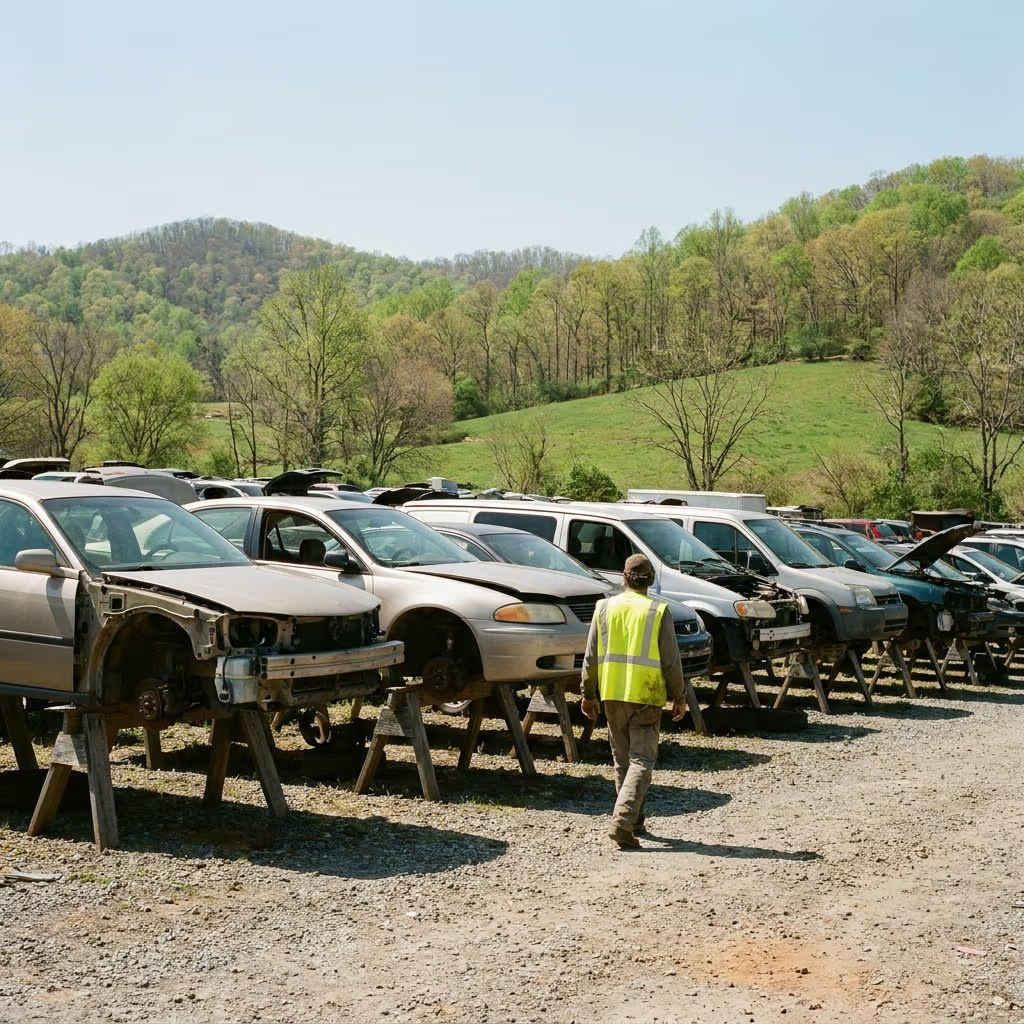
Direct answer: Most self-service yards use flat-rate pricing: the same alternator price whether it came from a compact car or a luxury sedan. That is why u pull it yards can be such a good deal.
Quick facts
Primary keyword junkyard price guide Related searches- used auto parts prices
- salvage yard
- junkyard near me
What is flat-rate junkyard pricing?
Flat-rate pricing means a category has one posted price. A door is a door, a mirror is a mirror, and a starter is a starter, unless the yard separates prices by size, truck class, or specialty category. This makes comparison shopping easier.
- Check whether tax is included
- Ask whether warranty is optional or automatic
- Confirm whether hardware, brackets, and pigtails count as separate parts
- Compare the used price against remanufactured options before buying major components
What is a core charge?
A core charge is a deposit on rebuildable parts like alternators, starters, batteries, engines, and transmissions. Bring the old part back and the yard may refund the core fee, depending on its rules.
When is a junkyard warranty worth it?
A warranty is worth considering for electrical parts, engines, transmissions, and parts that take hours to install. It matters less for trim, brackets, glass, and other parts you can inspect fully before buying.