U PULL IT

Advertisement
Junkyard Guideβ€’Aug 3, 2026β€’By U-Pull-It Staff

Junkyard Scams and Red Flags: How to Avoid Getting Burned on Used Parts

Most used-parts scams are avoidable. Demand real photos and the donor VIN, know the market price, and never pay for an untestable part sight unseen.

Junkyard Scams and Red Flags: How to Avoid Getting Burned on Used Parts
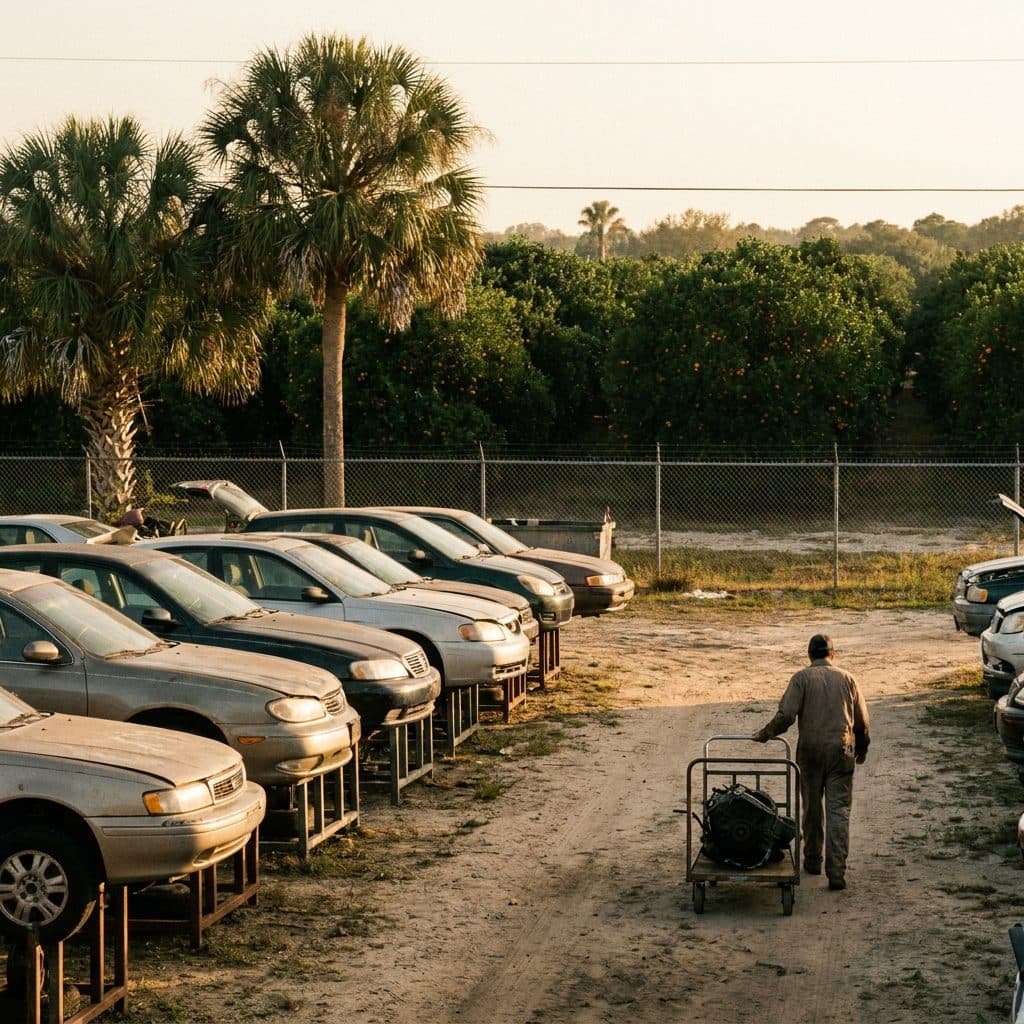
Photo by U-Pull-It
Advertisement

Direct answer: Most junkyard and used-parts scams are easy to avoid once you know the pattern. Demand photos of the actual part and the donor VIN, know the fair market price before you shop, and never pay for an untestable electronic part sight unseen. The scams below repeat constantly online and in the yard, and each has a simple defense.

Junkyard Scams and Red Flags: How to Avoid Getting Burned on Used Parts
Junkyard Scams and Red Flags: How to Avoid Getting Burned on Used Parts from U-Pull-It.
Video: Starting Your Side Hustle | Used Auto Parts to Flip | Pt. 1

What are the most common online used-parts scams?

Online marketplaces are where most money is lost. The classic tells are stock or manufacturer photos instead of the real part, unverifiable β€œlow mileage” claims, counterfeit β€œOEM” parts priced too low, and flood-car modules sold without a VIN. Bait-and-switch shipping charges and VIN mismatches on drivetrain parts round out the list.

  • Stock photos β†’ demand front, back, connector, and casting-number shots
  • False mileage β†’ request the donor VIN and run history
  • Counterfeit OEM β†’ cross-reference casting marks and packaging
  • Flood parts β†’ no VIN provided is an automatic walk-away
  • Shipping bait-and-switch β†’ get the total shipped price in writing

What scams and mistakes happen inside the yard?

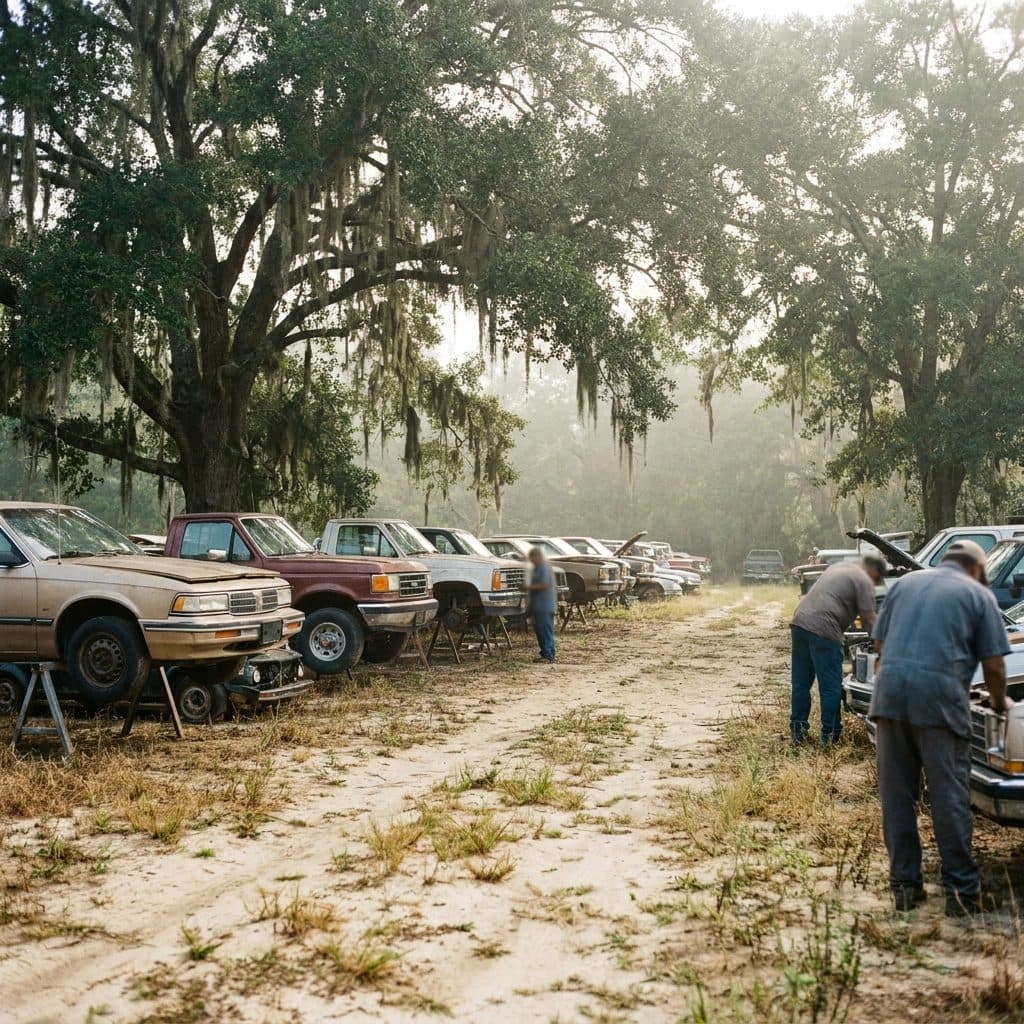
In-person risks are subtler. A clerk may hand you a β€œclose enough” interchange part that does not fit, damage may hide behind a panel, and some yards return stripped shells to the lot. Checkout upcharges catch people who did not read the price board at the entrance. Verify interchange yourself, inspect the whole part, and know the posted price before you pull.

Why demanding the VIN protects you

For engines, transmissions, ECUs, and airbag modules, the donor’s 17-digit VIN is your best defense. Run it through a free NMVTIS check or Carfax to confirm mileage, title brand (salvage, flood, lemon), and that no odometer rollback occurred. A seller who refuses the VIN is telling you something.
Advertisement

Quick-reference tables

Used-parts scams: spot it and beat it
ScamHow to spot itWhat to do
Stock photosImage too clean, shows new partDemand real photos + casting numbers
False mileageβ€œLow miles!” with no proofRequest donor VIN, run history
Counterfeit OEMPrice too good for OEMCross-reference casting marks
Flood-car moduleSeller won’t share VINWalk away
VIN mismatchEngine VIN β‰  car VINVerify before buying drivetrain
Checkout upchargePrice higher than expectedRead the price board first

Field checklist

  1. Step 1: Research fair market price before you shop or drive
  2. Step 2: For online parts, demand real photos and the donor VIN
  3. Step 3: Run the VIN through a free NMVTIS or Carfax check
  4. Step 4: Get total shipped price in writing before paying
  5. Step 5: In the yard, verify interchange and inspect the whole part
  6. Step 6: Confirm the posted price before you pull anything

Where to go next

Use the U-Pull-It junkyard directory to compare local yards, check inventory before you drive, and use used parts search when a local donor vehicle is not available.

Keep reading

Frequently asked questions

How do I avoid getting scammed buying a used engine online?

Demand photos of the actual engine including casting numbers, request the donor VIN and run a history check, confirm the total shipped price in writing, and avoid any seller who will not provide a VIN.

Should a junkyard give me the VIN of the donor car?

For engines, transmissions, ECUs, and airbag modules, yes β€” ask for the full 17-digit VIN so you can verify mileage and title history. A refusal is a red flag.

How do I know if a used part price is a scam?

Know the market first. Check Car-Part.com, eBay sold listings, and LKQ pricing. A price 70% below market with no paperwork is suspicious, not a bargain.

Are flood-car parts really that risky?

Yes. Water corrodes connectors and internals, so flood modules and electronics often fail weeks after installation. Without a clean VIN history, avoid them.

Advertisement

Related Articles

Leave a Comment