U PULL IT

Advertisement
Auto Tipsβ€’Jul 14, 2026β€’By U-Pull-It Staff

Salvage Yard Engine Inspection: Green Flags, Red Flags, and Mileage Traps

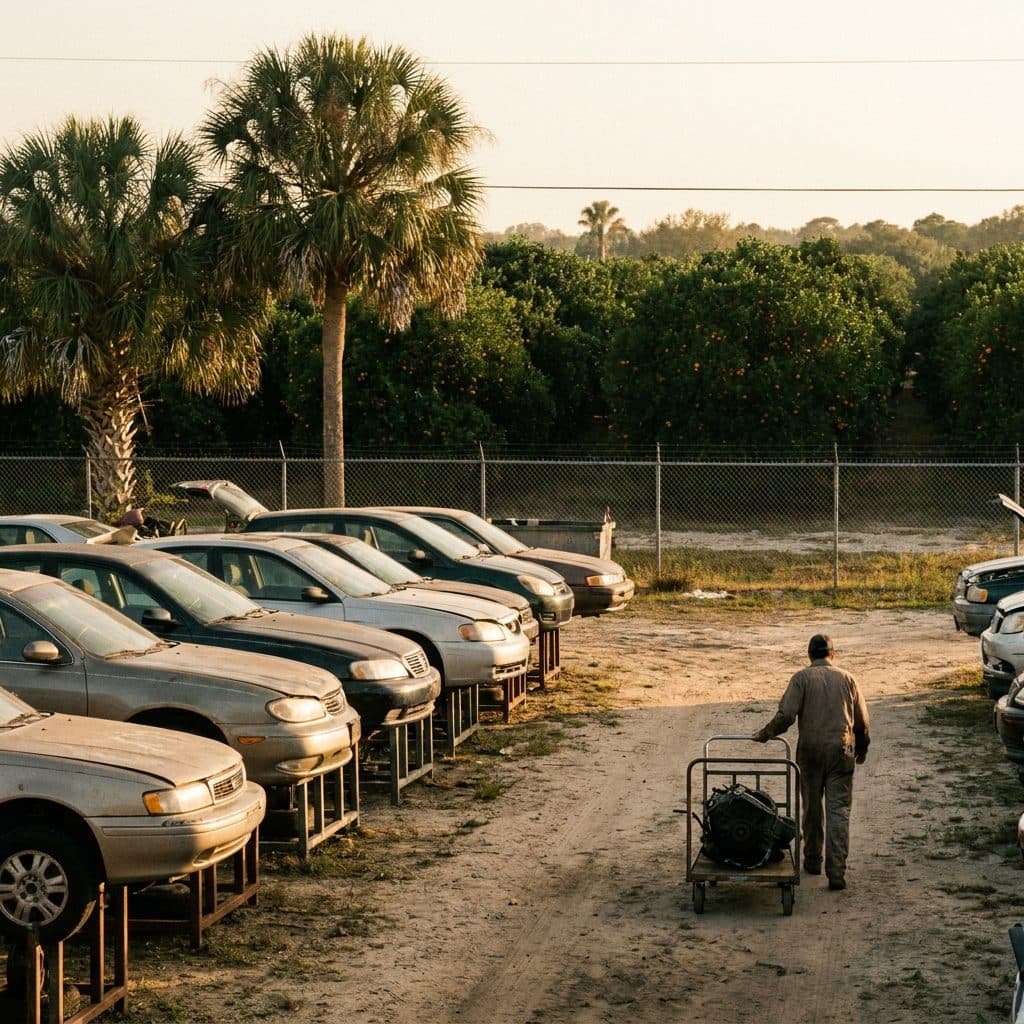
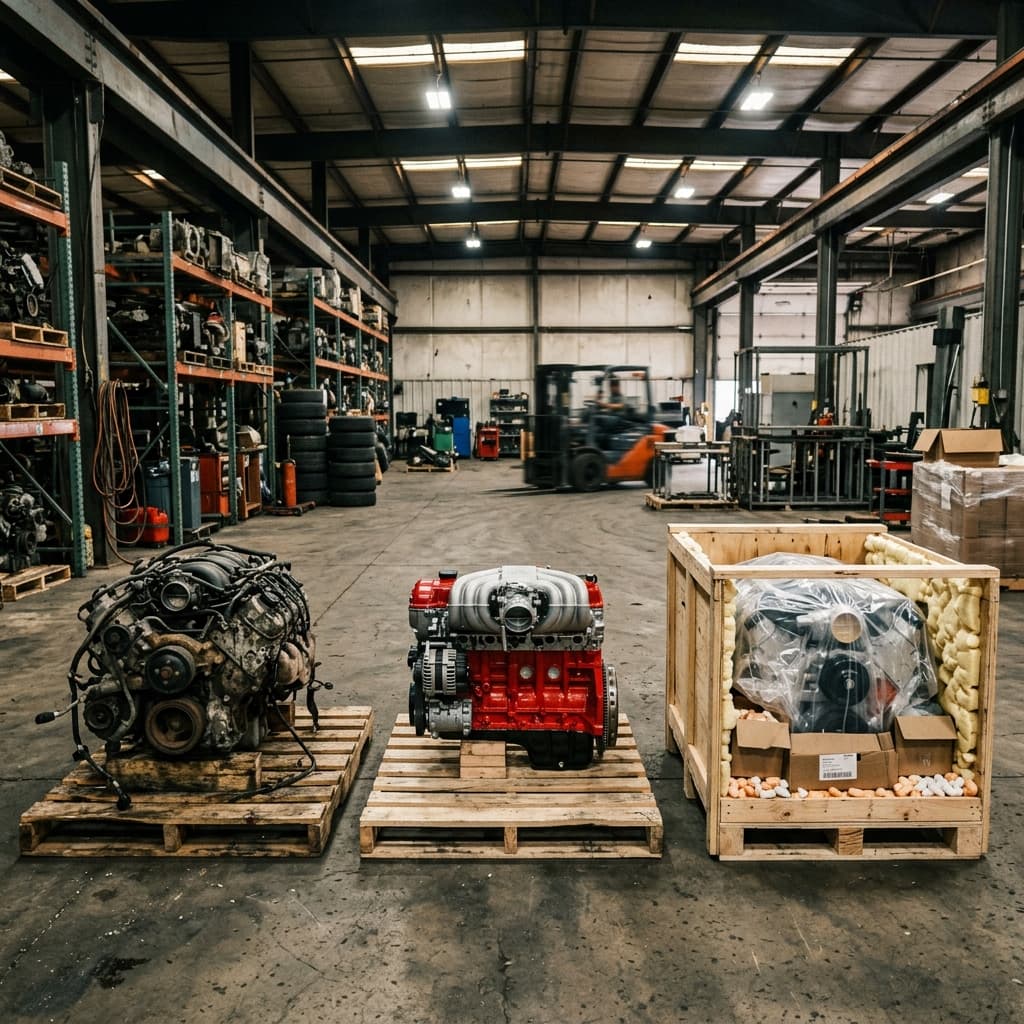
Buying a used engine from a salvage yard can save thousands, but only if you know how to read the donor car before you pull.

Salvage Yard Engine Inspection: Green Flags, Red Flags, and Mileage Traps
Photo by U-Pull-It
Advertisement

Direct answer: A good used engine usually comes from a car that was running before the crash. Your job is to look for proof. Oil condition, crash location, mileage history, wiring, and coolant clues tell a better story than the price tag.

Salvage Yard Engine Inspection: Green Flags, Red Flags, and Mileage Traps
Salvage Yard Engine Inspection: Green Flags, Red Flags, and Mileage Traps from U-Pull-It.
Video: Things to check before pulling a motor

What are good signs on a junkyard engine?

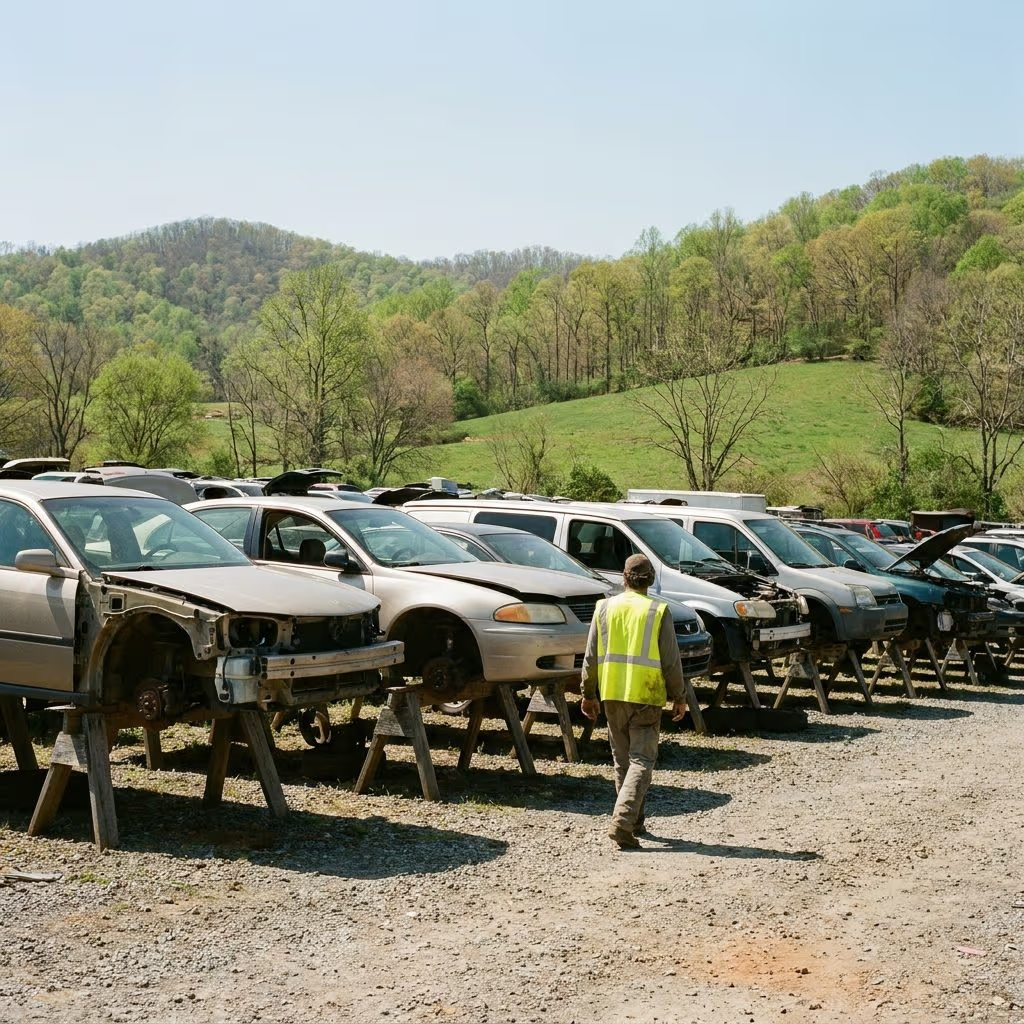
Rear-end crash damage is a strong clue because the drivetrain may have been working when the vehicle was hit. Clean oil, intact wiring, normal coolant color, and a dry engine valley also help. None of these guarantees a perfect engine, but they stack the odds in your favor.

  • Rear or side impact away from the engine bay
  • Oil at the correct level with no milky residue
  • No heavy sludge under the oil cap
  • Harness and connectors still intact
  • Normal-looking coolant with no oil sheen

What engine red flags should stop the purchase?

Flood smell, fire damage, missing VIN labels, cut harnesses, milky oil, metal flakes, or a vehicle with no body damage but a missing engine story should slow you down. A cheap engine with coolant in the oil is not cheap.

How do mileage traps happen?

Mileage may come from the vehicle record, not the engine itself. Engines get swapped. Clusters get replaced. If the engine label, donor VIN, and vehicle history do not line up, treat the mileage as unverified.
Advertisement

Field checklist

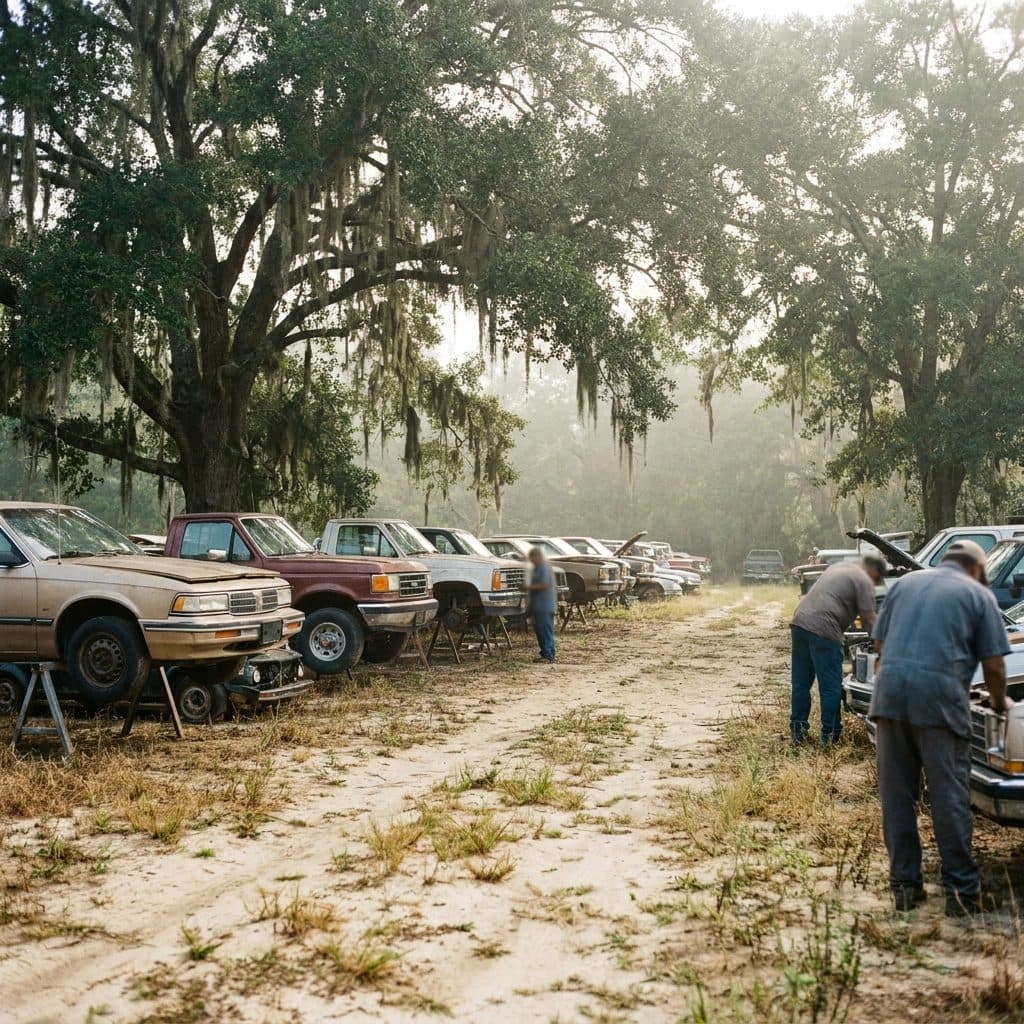
  1. Step 1: Check the crash damage before touching the engine
  2. Step 2: Inspect oil, coolant, and visible leaks
  3. Step 3: Verify VIN, engine code, and casting numbers
  4. Step 4: Look for flood, fire, and cut-harness damage
  5. Step 5: Ask about warranty or return terms before buying

Where to go next

Use the U-Pull-It junkyard directory to compare local yards, check inventory before you drive, and use used parts search when a local donor vehicle is not available.

Frequently asked questions

Is a low-mileage junkyard engine always better?

No. Low mileage helps only when it is verified. A higher-mileage engine from a clean crash donor can be safer than an unverified low-mileage engine from a flood or no-damage vehicle.

What does milky oil mean?

Milky or frothy oil can mean coolant contamination, often from a head gasket, cracked head, or other internal failure. Avoid that engine.

Should I buy an engine from a burned car?

Usually no. Heat can damage wiring, sensors, seals, plastic parts, and aluminum components in ways that are hard to see in the yard.

Advertisement

Related Articles

Leave a Comment