Understanding Oxygen Sensors: Your Engine's Critical Component Oxygen sensors (O2 sensors) are vital components that monitor oxygen levels in your vehicle's exhaust system, enabling the engine control unit to optimize fuel combustion for maximum efficiency and emissions control. These sensors, also known as lambda sensors, play a crucial role in your vehicle's performance and environmental [...]
Article image
Understanding Oxygen Sensors: Your Engine's Critical Component
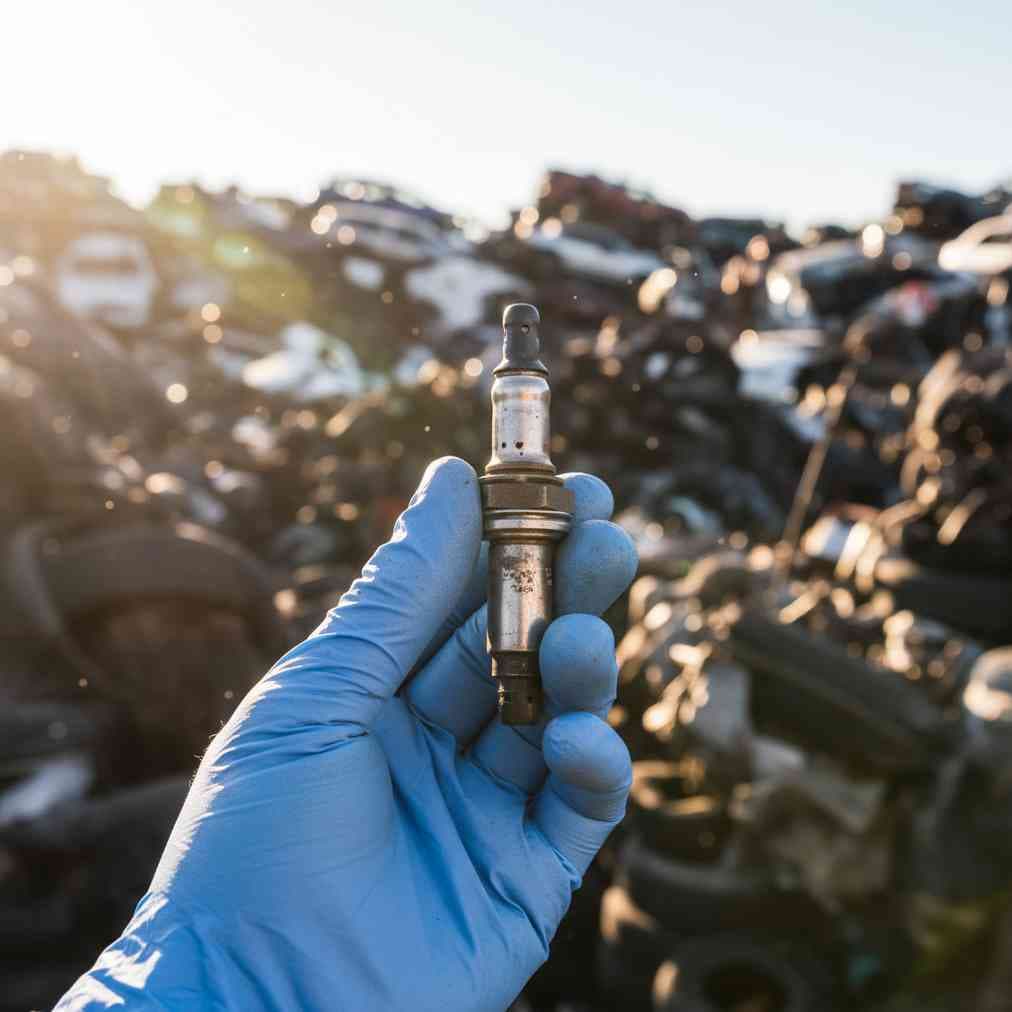
Oxygen sensors (O2 sensors) are vital components that monitor oxygen levels in your vehicle's exhaust system, enabling the engine control unit to optimize fuel combustion for maximum efficiency and emissions control. These sensors, also known as lambda sensors, play a crucial role in your vehicle's performance and environmental impact. Understanding their function and lifespan is essential for making informed decisions about replacement options.
According to automotive experts at Noble Quote, these sensors typically last between 60,000 to 100,000 miles, though this can vary significantly based on driving conditions, maintenance practices, and exposure to contaminants.
How Long Do Oxygen Sensors Last?
The lifespan of oxygen sensors depends on several factors, and understanding these can help you make better decisions about replacements. Modern heated sensors generally offer superior longevity compared to older unheated versions.
Sensor Type
Expected Lifespan
Factors Affecting Longevity
Heated O2 Sensors
60,000 – 100,000 miles
Better cold-start performance, faster response
Unheated O2 Sensors
30,000 – 50,000 miles
Slower warm-up, more susceptible to contamination
Wide-band Sensors
100,000 – 200,000 miles
Advanced technology, premium vehicles
Research from Kemso Racing indicates that some OEM sensors can reach 100,000 to 200,000 miles under ideal conditions, making them a significant investment in your vehicle's performance.
Common Causes of Oxygen Sensor Failure
Understanding what causes O2 sensor failure is crucial for both maintenance and when considering used alternatives. Several factors can significantly reduce sensor life and effectiveness:
Contamination from oil or coolant entering the exhaust stream
Carbon buildup from poor fuel quality or incomplete combustion
Silicone contamination from gasket sealers or fuel additives
Overheating due to engine problems or exhaust restrictions
Heater circuit failure in heated sensors
Physical damage from road debris or corrosion
Just like other critical engine components such as used car batteries or used starters, oxygen sensors face unique challenges that affect their reliability and performance over time.
The Reality of Buying Used Oxygen Sensors from Junkyards
While it might seem like a cost-effective solution, purchasing used oxygen sensors from junkyards carries significant risks that often outweigh the initial savings. Unlike some auto parts that can be easily inspected for condition, oxygen sensors operate through complex chemical processes that aren't visible to the naked eye.
Why Experts Advise Against Used O2 Sensors
Automotive professionals consistently recommend against using junkyard oxygen sensors for several compelling reasons. Unlike purchasing OEM car parts that can be visually inspected, oxygen sensors require specialized testing equipment to determine their true condition.
Unknown operating history – No way to determine previous exposure to contaminants
Invisible degradation – Chemical deterioration isn't visible externally
No warranty or guarantee – Risk of immediate or premature failure
Potential for cascading damage – Faulty sensors can damage catalytic converters
Emissions compliance issues – May fail state inspections
According to discussions on Car Talk Community, experienced mechanics report that oxygen sensors tend to fail gradually, making it difficult to assess the remaining life in a used sensor.
Risks and Consequences of Using Failed O2 Sensors
Installing a faulty oxygen sensor can lead to a cascade of problems that far exceed the cost savings of buying used. The sensor's role in maintaining the proper air-fuel mixture is critical for both performance and emissions control.
Increased emissions – Failed state inspection requirements
Catalytic converter damage – Potentially costing $1,000-$3,000 to replace
Engine damage – Long-term effects of improper fuel mixture
Similar to how a check engine light can indicate various problems, a failing oxygen sensor often triggers warning lights and diagnostic codes that signal broader issues developing in your vehicle's systems.
Testing and Inspection Methods for Oxygen Sensors
If you're considering a used oxygen sensor, proper testing is essential. However, the complexity of these sensors makes accurate assessment challenging without professional equipment.
Professional Testing Methods
Testing Method
What It Measures
Reliability
OBD-II Scanner
Real-time sensor response and codes
High – Most reliable method
Multimeter Testing
Voltage output (0.1V – 0.9V range)
Moderate – Requires expertise
Visual Inspection
Physical damage, corrosion
Low – Cannot detect internal issues
Exhaust Gas Analyzer
Actual exhaust composition
High – Professional equipment
Forums like Bob Is The Oil Guy provide valuable insights from experienced mechanics who emphasize that proper sensor testing requires understanding of the specific vehicle's operating parameters and sensor specifications.
Visual Inspection Limitations
While you can perform basic visual checks on used oxygen sensors, these inspections have severe limitations:
External appearance – Check for physical damage or corrosion
Wiring condition – Inspect for cuts, burns, or deterioration
However, the most critical aspect – the sensor's chemical responsiveness – cannot be determined through visual inspection alone. This limitation makes buying used sensors particularly risky compared to other used auto parts that can be more thoroughly evaluated.
Cost Analysis: New vs. Used Oxygen Sensors
Understanding the true cost of oxygen sensor replacement requires looking beyond the initial purchase price to consider long-term reliability and potential consequences of failure.
Option
Initial Cost
Installation
Reliability
Total Investment
Used Junkyard Sensor
$20 – $50
$100 – $200
Unknown/Poor
$120 – $250 + Risk
Aftermarket New
$50 – $150
$100 – $200
Good
$150 – $350
OEM New
$100 – $300
$100 – $200
Excellent
$200 – $500
According to Cars.com, the cost differential between used and new sensors becomes negligible when you factor in the risk of premature failure and potential damage to other expensive components like catalytic converters.
Alternative Money-Saving Strategies
Rather than risking used oxygen sensors, consider these safer money-saving approaches that don't compromise reliability:
Smart Shopping for New Sensors
Compare aftermarket brands – Quality alternatives to OEM at lower cost
Buy in sets – Volume discounts when replacing multiple sensors
Online retailers – Often 30-50% less than dealership prices
DIY installation – Save on labor costs if you have the skills
Preventive Maintenance to Extend Sensor Life
Proper vehicle maintenance can significantly extend oxygen sensor lifespan and delay replacement needs:
Regular oil changes – Prevent oil contamination in exhaust system
Quality fuel – Use top-tier gasoline to reduce deposits
Fix engine problems promptly – Address misfires and other issues quickly
Replace air filters regularly – Ensure proper air-fuel mixture
Avoid silicone sealers – Use sensor-safe products for repairs
Following a comprehensive car maintenance guide can help you avoid premature sensor failure and the temptation to cut corners with used parts.
When Replacement Becomes Necessary
Recognizing the signs of oxygen sensor failure helps you address problems before they cause expensive damage to other components. Early detection is key to maintaining your vehicle's performance and emissions compliance.
Common Warning Signs
Check engine light – Most common early warning sign
Poor fuel economy – Noticeable increase in fuel consumption
Rough idle – Engine runs unevenly at idle
Failed emissions test – Unable to pass state inspections
Strong fuel odor – Rich fuel mixture from faulty sensor
Black exhaust smoke – Indicates overly rich fuel mixture
These symptoms often overlap with other engine problems, making proper diagnosis crucial. Unlike some issues you might encounter when dealing with common car problems, oxygen sensor issues specifically affect fuel mixture and emissions control.
The Environmental and Legal Considerations
Using faulty oxygen sensors isn't just a performance issue – it has significant environmental and legal implications that many vehicle owners overlook.
Emissions Compliance
Modern vehicles must meet strict emissions standards, and oxygen sensors play a critical role in this compliance:
State inspection requirements – Faulty sensors cause inspection failures
Increased pollutant emissions – Contributes to air quality problems
Legal liability – Potential fines in some jurisdictions
Vehicle registration issues – May prevent registration renewal
The environmental impact of properly functioning emissions systems extends beyond individual vehicles to community air quality and public health considerations.
Expert Recommendations and Industry Standards
Automotive industry professionals consistently advise against using used oxygen sensors, particularly given the relatively low cost of new sensors compared to the potential risks and damages.
“Oxygen sensors are one component where cutting corners simply doesn't make financial sense. The risk of catalytic converter damage alone far exceeds any savings from buying used sensors.”
– Automotive Service Excellence (ASE) Certified Technicians
This philosophy aligns with broader trends in automotive repair, where certain components are considered too critical for used replacements. Similar to how professionals recommend against using dangerous used car parts, oxygen sensors fall into the category of safety and emissions-critical components.
Industry Trends and Future Considerations
The automotive industry continues to evolve, with increasing emphasis on emissions control and fuel efficiency:
Advanced sensor technology – Wide-band and multi-gas sensors becoming standard
Stricter emissions standards – Requiring more precise sensor performance
Hybrid and electric integration – New challenges for traditional sensors
Diagnostic improvements – Better detection of sensor degradation
The evolution toward electric vehicles will eventually reduce the demand for oxygen sensors, but for the millions of internal combustion vehicles still on the road, proper sensor maintenance remains crucial.
Making the Right Decision for Your Vehicle
When faced with oxygen sensor replacement, the decision should be based on long-term value rather than short-term savings. Consider these factors when making your choice:
Factor
Used Sensor Impact
New Sensor Advantage
Reliability
High failure risk
Predictable lifespan
Warranty
None available
1-3 year coverage
Performance
Potentially degraded
Optimal response time
Long-term cost
Risk of expensive damage
Predictable investment
The decision becomes clearer when you consider that oxygen sensors are among the most frequently needed replacement parts, making their reliability crucial for ongoing vehicle operation.
Conclusion: Why New Oxygen Sensors Are Worth the Investment
While the initial appeal of used oxygen sensors from junkyards lies in their lower upfront cost, the consensus among automotive professionals is clear: the risks far outweigh the benefits. The potential for premature failure, catalytic converter damage, poor fuel economy, and emissions compliance issues make new sensors a more prudent investment.
Modern oxygen sensors are precision instruments that play a critical role in engine performance, fuel efficiency, and environmental protection. Unlike some automotive components that can be safely purchased used, oxygen sensors operate through complex chemical processes that degrade over time in ways that aren't visible through external inspection.
For vehicle owners looking to save money on car repairs, oxygen sensors represent one area where investing in new, quality components delivers better long-term value. The modest price difference between used and new sensors becomes insignificant when compared to the potential cost of catalytic converter replacement or ongoing fuel economy losses.
By choosing new oxygen sensors and following proper maintenance practices, you protect your investment in your vehicle while ensuring optimal performance, fuel efficiency, and environmental compliance for years to come.