Weathering the Yard: Tips for Pulling Parts in Sun, Rain, or Mud
Essential Safety Gear for Any Weather Condition When visiting junkyards near me, proper protective equipment isn't optional—it's a necessity that could save your life. Whether you're dealing with scorching sun, pouring rain, or muddy conditions, the right gear keeps you safe while you extract valuable auto parts. Non-Negotiable Protective Equipment According to automotive safety research, [...]
Article image
Essential Safety Gear for Any Weather Condition
When visiting junkyards near me, proper protective equipment isn't optional—it's a necessity that could save your life. Whether you're dealing with scorching sun, pouring rain, or muddy conditions, the right gear keeps you safe while you extract valuable auto parts.
Non-Negotiable Protective Equipment
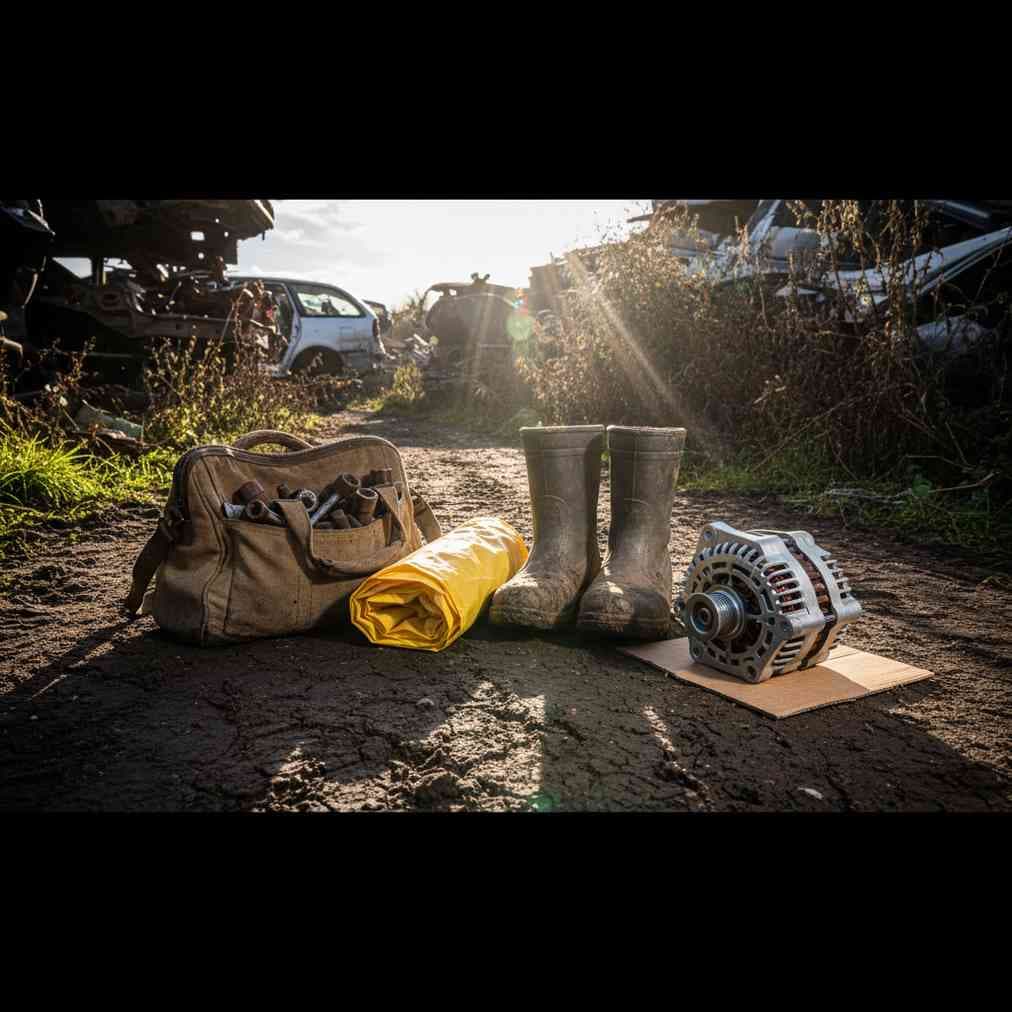
Closed-toe boots with excellent traction – Essential for navigating slippery surfaces and protecting feet from heavy, sharp objects
Durable automotive gloves – Shield hands from sharp edges, corrosive materials, and dirt
Safety glasses or goggles – Protect eyes from flying debris and hazardous fluids
Long pants and long-sleeved shirts – Safeguard skin from scratches and irritating substances
Clothes you're ready to discard – Salvage yard work is inherently messy
According to automotive safety research, proper protective equipment reduces injury rates by up to 70% in industrial environments like salvage yards.
Conquering Wet Conditions: Rain and Mud Strategies
Rainy weather and muddy conditions present unique challenges when pulling parts from vehicles. The area underneath cars remains perpetually wet and soupy, even after the yard appears to dry out, because sunlight never reaches these spaces.
The Ground Cover Solution
Professional salvage yard visitors swear by the tarp trick – bringing a disposable ground cover to avoid lying directly in mud or standing water. Here are the most effective options:
Vehicle floor mats from donor cars (passenger side is typically cleaner)
SUV trunk liners with jute backing
Waterproof tarps that can be left behind after use
Disposable plastic sheeting for single-use applications
Weather Condition
Essential Gear
Pro Tips
Rain/Mud
Waterproof outerwear, tarp, non-slip boots
Bring floor mat from donor vehicle as ground cover
Extreme Heat
Hat, plenty of water, lightweight layers
Start early morning, take frequent breaks
Cold Weather
Insulated gloves, warm layers, hand warmers
Keep tools warm to prevent metal handling issues
Waterproof Gear Recommendations
When rain is forecasted, waterproof or water-resistant outerwear becomes crucial. Consider investing in:
Rain jackets with reinforced elbows and shoulders
Waterproof work pants or coveralls
Rubber or waterproof work boots with deep treads
Waterproof gloves that maintain dexterity
Beating the Heat: Sun Protection Strategies
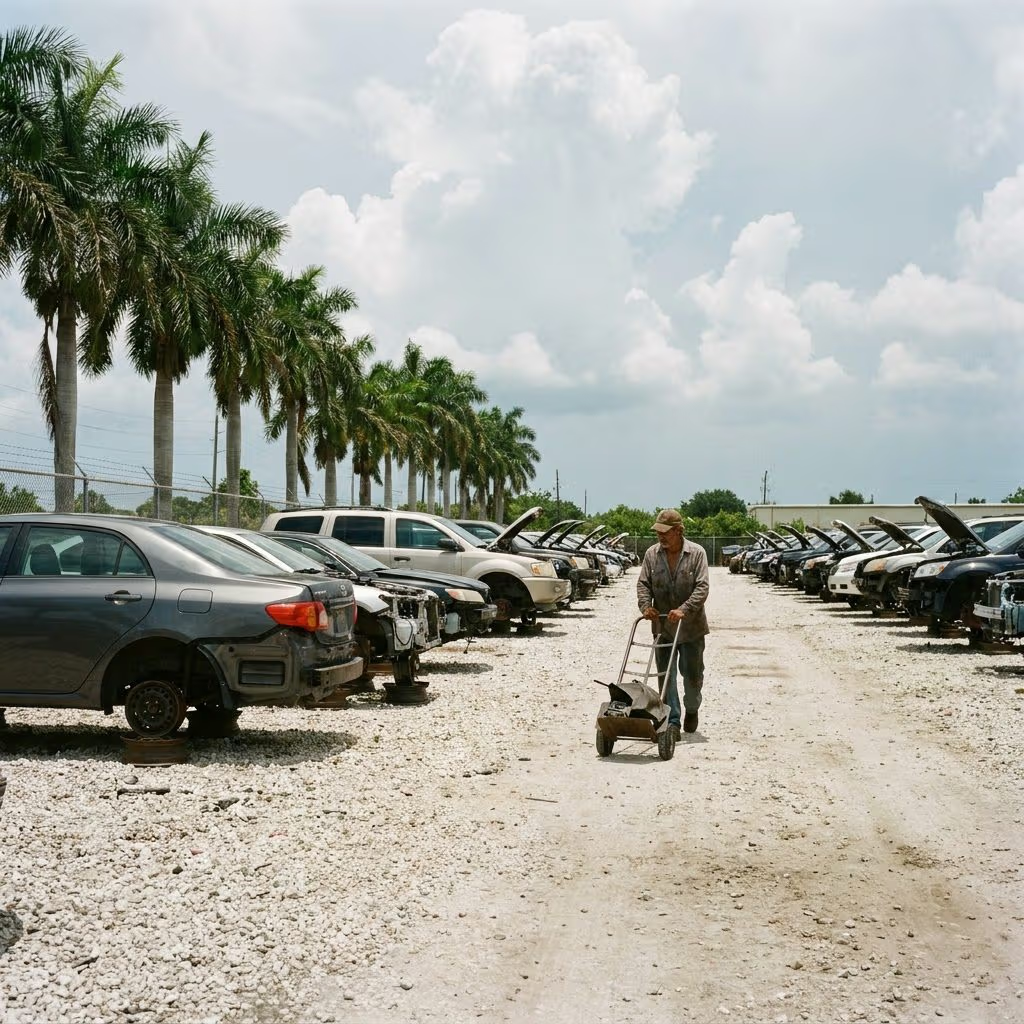
Working in salvage yards during hot weather requires careful planning and proper equipment. Temperatures can soar above 100°F, making hydration and sun protection absolutely critical for safety.
Heat Safety Essentials
“Bring water – you can work up a sweat pulling parts, especially in 100-degree heat. Staying hydrated is vital for safety in high temperatures.”
Experienced salvage yard worker
Wide-brimmed hat or cap – Protects head from sun and falling debris
Plenty of water – Minimum one gallon for full-day work sessions
Lightweight, breathable layers – Allow temperature adjustment as needed
Electrolyte supplements – Replace minerals lost through sweating
Sunscreen – Bonus tip: also works as a grease remover!
Understanding proper hydration techniques can prevent heat exhaustion and maintain productivity throughout your salvage yard visit.
Universal Comfort and Efficiency Tips
Regardless of weather conditions, certain strategies will improve your salvage yard experience and keep you comfortable while hunting for affordable auto parts.
Clean-Up and Maintenance Supplies
Heavy-duty hand cleaner (orange-based varieties work exceptionally well)
Shop towels or heavy-duty paper towels
Wet wipes for quick cleaning
Plastic bags for dirty clothes and tools
Change of clothes for the drive home
Tool Organization and Transport
Weather conditions affect how you should organize and transport your tools. Consider these factors when selecting essential junkyard tools:
Waterproof tool bags for rainy conditions
Insulated handles for extreme temperature work
Rust-preventative storage for humid environments
Easy-grip tools when wearing thick gloves
Expert Community Insights and Professional Hacks
Seasoned salvage yard professionals have developed numerous techniques for working efficiently in challenging weather conditions. These insights come from years of hands-on experience and can significantly improve your success rate.
Weather-Specific Professional Tips
Challenge
Professional Solution
Cost Savings
Muddy ground under vehicles
Use donor vehicle floor mats as disposable work surface
$0 (free from junkyard)
Extreme heat exhaustion
Work during cooler morning hours, take frequent shade breaks
Prevents medical emergencies
Grease and grime removal
Sunscreen doubles as effective grease remover
$5-10 vs. specialized cleaners
Community-Proven Strategies
Online communities of DIY enthusiasts and professional mechanics have shared valuable insights about weather preparation. The consensus emphasizes preparation over avoidance—don't skip the junkyard because of weather; instead, prepare properly for the conditions.
Plan arrival timing – Visit during optimal weather windows when possible
Check weather forecasts – Adjust gear selection based on predictions
Bring backup supplies – Extra gloves, towels, and protective gear
Know your limits – Don't push through dangerous conditions
Advanced Weather Preparation Strategies
Beyond basic protective gear, experienced salvage yard visitors employ sophisticated strategies for handling extreme weather conditions. These techniques can mean the difference between a successful parts-pulling session and a frustrating, potentially dangerous experience.
Seasonal Equipment Rotation
Smart salvage yard visitors maintain different equipment sets for different seasons. This approach ensures you're always prepared for regional weather patterns and seasonal challenges.
Summer kit: Lightweight tools, extra water, cooling towels, UV-protective gear
Winter kit: Insulated tools, hand warmers, ice cleats, thermal layers
Rainy season kit: Waterproof everything, extra tarps, quick-dry towels
Year-round essentials: First aid supplies, emergency contact information
Weather Monitoring for Optimal Timing
Professional parts pullers use weather data to optimize their salvage yard visits. According to environmental data analysis research, timing salvage yard visits can improve efficiency by up to 40%.
Monitor 7-day forecasts for optimal weather windows
Avoid visits during severe weather warnings
Plan around temperature extremes when possible
Consider humidity levels for comfort and tool performance
Emergency Preparedness and Safety Protocols
Weather conditions in salvage yards can change rapidly, requiring emergency preparedness planning. Whether dealing with sudden thunderstorms, extreme temperature shifts, or unexpected weather events, having safety protocols can prevent injuries and save lives.
Weather Emergency Action Plan
Lightning protocol: Immediately seek shelter in vehicles or buildings
Heat emergency signs: Recognize symptoms of heat exhaustion and heat stroke
Communication plan: Ensure cell phone battery and emergency contacts
First aid supplies: Weather-appropriate medical kit
When severe weather strikes, remember that selling your junk car for cash might be more practical than risking dangerous conditions to retrieve parts.
Cost-Benefit Analysis: Weather Gear Investment
Investing in proper weather gear pays dividends through improved safety, comfort, and productivity. The initial cost of quality protective equipment is minimal compared to potential medical bills, lost productivity, or ruined clothing.
Equipment Category
Initial Investment
Replacement Frequency
Annual Cost
Basic protective gear
$100-150
1-2 years
$50-75
Weather-specific gear
$75-125
2-3 years
$25-40
Emergency supplies
$50-75
As needed
$15-25
Total annual cost
–
–
$90-140
Maximizing Productivity Across All Weather Conditions
The ultimate goal of weather preparation is maintaining productivity and safety regardless of environmental conditions. Experienced salvage yard visitors understand that proper preparation allows them to work efficiently in nearly any weather.
Weather-Adaptive Workflow Strategies
Prioritize tasks by weather sensitivity – Complete outdoor work during favorable conditions
Adapt tool selection – Use weather-appropriate equipment for maximum efficiency
Schedule breaks strategically – Take shelter or cooling breaks as needed
Plan escape routes – Know where to find immediate shelter
By implementing these comprehensive weather preparation strategies, you'll be equipped to handle any conditions while safely and efficiently extracting the auto parts you need. Remember, the key to successful salvage yard visits isn't avoiding bad weather—it's being properly prepared for whatever conditions you encounter.
Final Weather Preparation Checklist
Check 24-48 hour weather forecast before departure
Pack weather-appropriate protective gear
Bring adequate hydration and nutrition
Ensure communication devices are charged
Plan transportation for weather conditions
Identify emergency shelter locations at the yard
Pack cleanup and comfort supplies
With proper preparation and the right mindset, weather conditions become just another manageable aspect of successful salvage yard visits. Stay safe, stay prepared, and happy hunting!