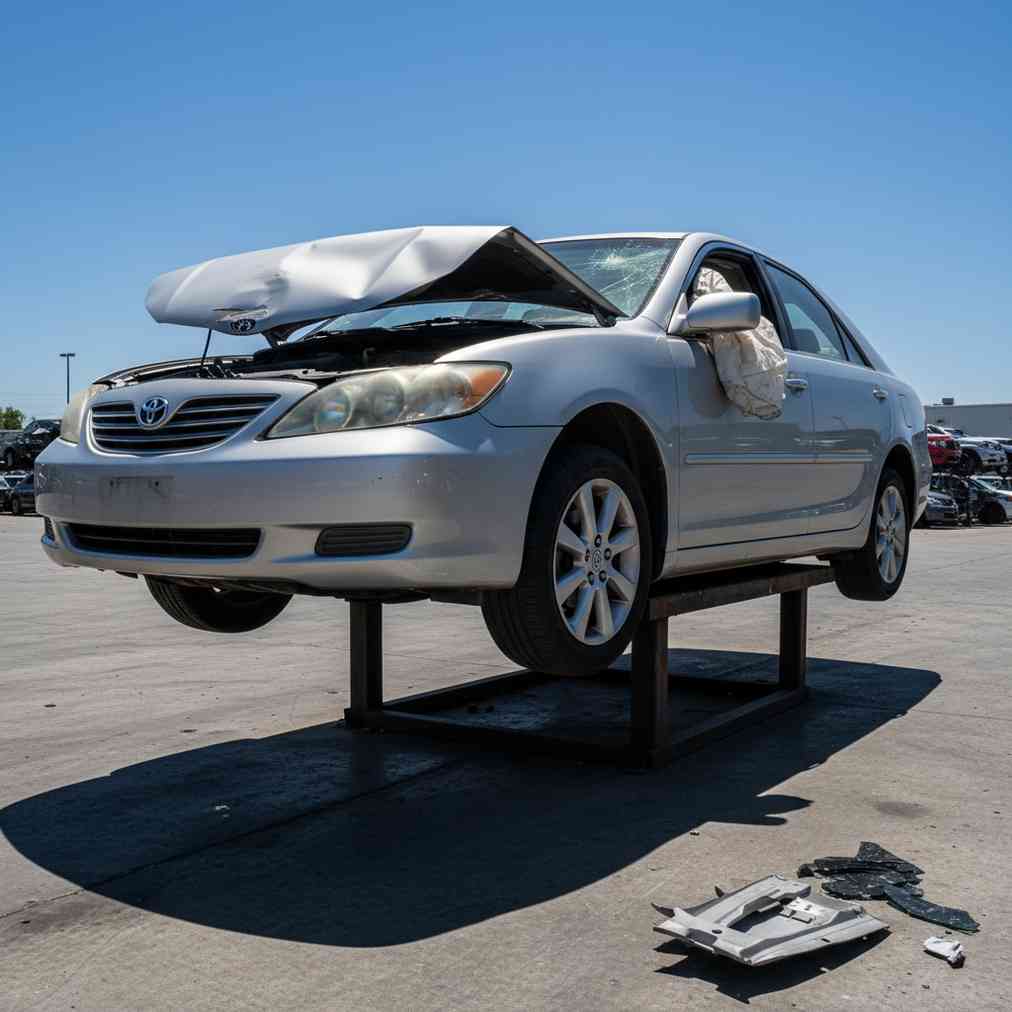
The Moment of Recognition: Finding Your Old Friend
There’s something profoundly unsettling yet strangely comforting about spotting your old car sitting among the rows of vehicles at a salvage yard near me. Whether it’s the familiar dent in the bumper, the specific shade of paint that caught your eye years ago, or that aftermarket spoiler you installed during a weekend project, the recognition hits like a wave of mixed emotions.
The experience of finding your former vehicle in its final resting place is described by most people as **bittersweet**. This complex emotional response stems from the deep **attachment** we form with our cars—relationships that often extend far beyond simple transportation needs.
The Emotional Bond Between Human and Machine
Cars are far more than metal, glass, and rubber to their owners. They become repositories of memories, marking significant life events and personal milestones. Your first car, the vehicle that took you to college, or the family sedan that witnessed countless road trips—these machines hold pieces of our personal history.
“It’s what non-car people don’t get. They see all cars as just a ton and a half, two tons of wires, glass, metal, and rubber, and that’s all they see. People like you or I know we have an unshakable belief that cars are living entities… You can develop a relationship with a car and that’s what non-car people don’t get…”
Jeremy Clarkson
The statistics support this emotional connection. A 2013 Autotrader survey revealed that over **70% of participants** were either “very attached” or “somewhat attached” to their vehicles, with about a third calling their car an “old friend.” Even more telling, an eBay Motors study found that around **40% of Millennials** gave their car a name, with about **25%** of motorists across all age groups doing the same.
Why We Form These Deep Connections
- Personal Space and Identity: Cars serve as extensions of our identity and autonomy, offering a sense of control in a personal space
- Memory Repository: Vehicles become associated with significant moments—first dates, family vacations, daily commutes
- Investment of Time and Resources: The time, money, and energy invested in maintenance and modifications creates emotional bonds
- Reliability and Trust: A dependable car becomes a trusted companion through life’s challenges
The Journey to the Salvage Yard
Most cars don’t end up in salvage yards by choice. Whether through accidents, mechanical failure, or simply reaching the end of their useful life, the transition from daily driver to yard inventory often happens quickly and without ceremony.
When your car becomes totaled or non-operational, selling it to a junkyard through services like cash for cars programs is often the most practical solution. However, this practical decision doesn’t diminish the emotional weight of saying goodbye to a longtime companion.
| Common Reasons Cars End Up in Salvage Yards | Emotional Impact Level |
|---|---|
| Accident damage/totaled | High – sudden and unexpected |
| Mechanical failure | Medium – gradual decline |
| Age and deterioration | Low – expected outcome |
| Insurance claims | High – often beyond owner’s control |
The Salvage Yard as a Car’s Retirement Home
Rather than viewing salvage yards as automotive graveyards, it’s more accurate to see them as retirement communities for vehicles. These facilities serve a crucial role in the automotive ecosystem, acting as **resource recovery centers** and **environmental conservation hubs**.
The Three-Stage Process of Auto Recycling
- Parts Reclamation: Usable parts like engines, transmissions, and body panels are carefully removed, inspected, and prepared for resale
- Material Recovery: Non-functional metal parts are processed for recycling, reducing the need for new raw materials
- Responsible Disposal: Hazardous fluids and materials are properly handled according to environmental regulations
This systematic approach ensures that up to **80% of a vehicle** can be recycled or reused, making salvage yards essential players in the circular economy. When you find your old car at a yard, you’re witnessing this transformation process in action.
The Economics of Automotive Afterlife
Understanding the financial aspects can help ease the emotional sting of seeing your car dismantled. Salvage yards offer significant **cost savings** for consumers seeking replacement parts, with used parts often costing a fraction of new or remanufactured alternatives.
Your old car’s parts are helping other vehicle owners keep their cars running affordably. That transmission you remember having serviced just before the accident? It might now be giving another car several more years of life. This perspective can transform the goodbye from pure loss to a form of automotive altruism.
Modern Salvage Yard Operations
Today’s salvage yards are increasingly sophisticated operations, far removed from the chaotic junkyards of popular imagination. Modern facilities employ systematic methods for cataloging inventory and managing resources.
- Digital Inventory Systems: Many yards maintain computerized databases of available parts
- Environmental Compliance: Strict protocols for fluid drainage and hazardous material handling
- Community Support: Some facilities donate usable parts to vocational schools and training programs
- Sustainability Focus: Emphasis on maximizing resource recovery and minimizing waste
Coping with the Emotional Goodbye
If you find yourself at a salvage yard and spot your old vehicle, the feelings of loss are entirely normal. The sensation of seeing a “friend” in this state can trigger grief similar to other forms of loss. Here are strategies for processing these emotions:
Healthy Ways to Process the Experience
- Acknowledge the Relationship: Recognize that your attachment was real and meaningful
- Focus on Positive Memories: Remember the good times and adventures you shared
- Consider the Continuing Impact: Your car’s parts will help other vehicles and owners
- Take a Photo: If permitted, capture a final image for closure
- Share the Story: Tell friends or family about your history with the vehicle
The Environmental Silver Lining
One way to find peace with your car’s fate is understanding its environmental impact. By ending up at a salvage yard, your vehicle is contributing to sustainability efforts in several ways:
| Environmental Benefit | Impact |
|---|---|
| Reduced Mining Needs | Recycled steel reduces ore extraction requirements |
| Energy Conservation | Recycling uses 75% less energy than new steel production |
| Landfill Avoidance | Prevents automotive waste from entering landfills |
| Parts Reuse | Extends lifecycle of automotive parts |
From Goodbye to New Beginnings
The automotive lifecycle doesn’t end at the salvage yard—it transforms. Your car’s journey continues in new forms, whether as replacement parts helping other vehicles stay on the road, recycled materials forming new products, or properly disposed fluids preventing environmental contamination.
This perspective shift from “ending” to “transformation” can help process the emotional aspects of finding your old car at a yard. Rather than focusing solely on what’s lost, consider what continues and what new purposes your vehicle will serve.
The Future of Auto Recycling
As the automotive industry evolves with electric vehicles and new materials, salvage yards are adapting their practices. Electric vehicle recycling presents new challenges and opportunities, requiring specialized knowledge for safely handling battery systems and high-voltage parts.
This evolution ensures that salvage yards will continue serving as crucial links in the automotive ecosystem, helping vehicles live multiple lives through part reuse and material recycling. Your emotional goodbye today contributes to a more sustainable automotive future.
Finding Closure and Moving Forward
The experience of finding your old car at a salvage yard is ultimately about transition and acceptance. It’s okay to feel sad, nostalgic, or even protective of your former vehicle. These emotions reflect the genuine relationships we form with our cars and the role they play in our lives.
Remember that while your car’s story with you has ended, its broader story continues. The parts that served you faithfully will now serve others, carrying forward not just mechanical function but also the care and maintenance you provided over the years.
Whether you’re saying goodbye to a beloved daily driver or simply processing the sight of your old car in its new environment, understanding the value and purpose of auto recycling can transform a moment of loss into an appreciation for the ongoing cycle of automotive life.
The emotional goodbye at the salvage yard isn’t really an ending—it’s a recognition of the journey shared and an acknowledgment of the continued journey ahead, just in a different form.



Leave a Reply
You must be logged in to post a comment.