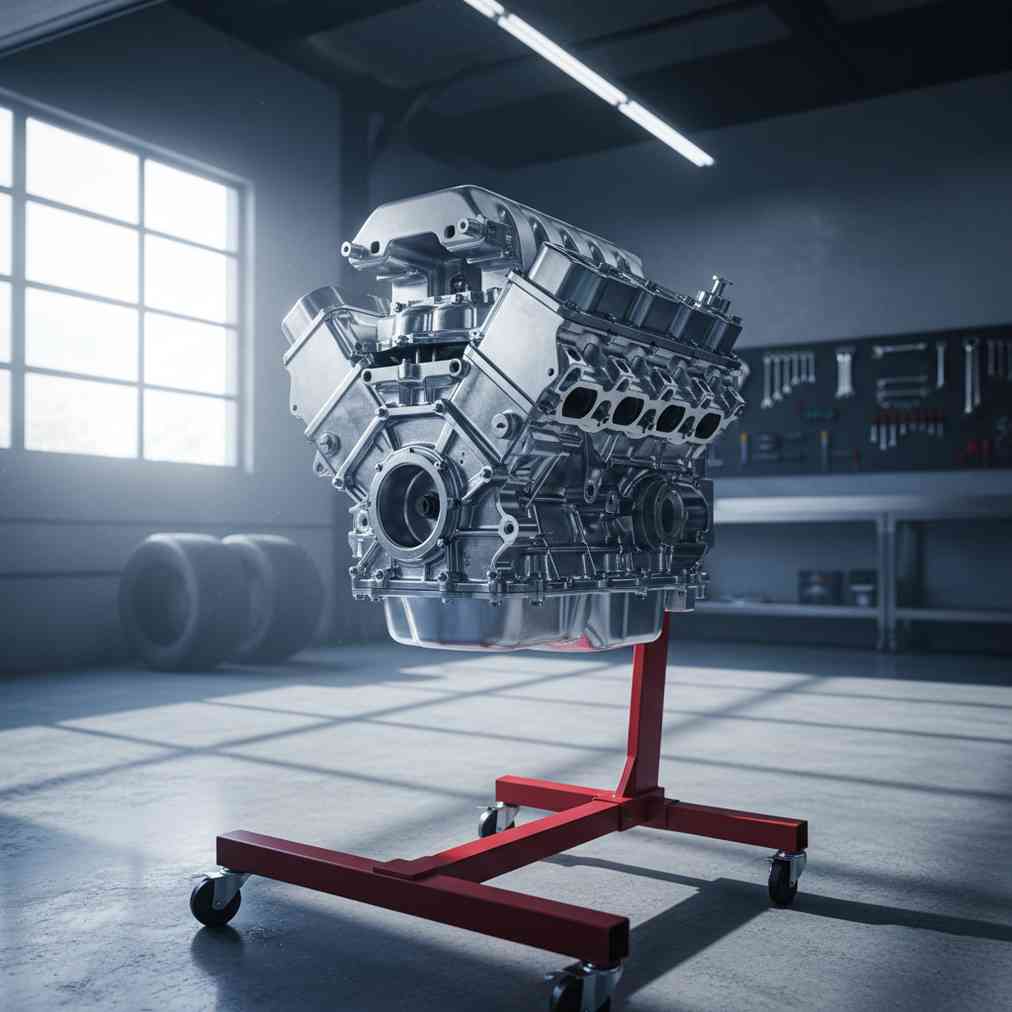
What is the “Junkyard 5.3” LS Engine?
The Junkyard 5.3 LS swap has become one of the most popular engine modifications in the automotive world. This refers to the practice of sourcing a General Motors 5.3L V8 engine from a salvage yard near me to use as a cost-effective replacement or upgrade in another vehicle. The most common variant is the iron-block, Gen III LM7 Vortec 5300 engine.
These engines represent the perfect storm of availability, affordability, and performance potential. With 320 horsepower and 340 lb-ft of torque in stock form, the cast-iron block construction makes them incredibly durable for forced induction applications. Many builders have achieved over 500 horsepower on stock bottom ends with proper tuning and boost.
Why Choose a Junkyard 5.3 LS for Your Swap?
The popularity of junkyard 5.3 engines stems from several compelling factors that make them an attractive choice for budget-conscious builders and performance enthusiasts alike.
Budget-Friendly Power
Unlike expensive crate engines or larger displacement LS variants, junkyard 5.3 engines are incredibly affordable. You can typically find these engines for $200 to $600 at most salvage yards, making them accessible to builders with tight budgets.
Abundant Availability
Tens of thousands of these engines are available in GM trucks, vans, and SUVs throughout the United States. This abundance ensures consistent supply and competitive pricing across different regions.
Swap-Friendly Architecture
The LS family shares common architecture, meaning swap kits and support parts like oil pans, motor mounts, and wiring solutions are readily available for various vehicle platforms. This extensive aftermarket support makes the swap process more straightforward.
Common Donor Vehicles for Junkyard 5.3 Engines
Understanding which vehicles housed these engines helps you make informed decisions when searching for the perfect donor. The research methodology for identifying compatible engines involves checking VIN codes and understanding generational differences.
| Engine Code | Years | Primary Vehicles | VIN Code |
|---|---|---|---|
| LM7 | 1999-2007 | Silverado, Suburban, Avalanche, Express Vans | T |
| LM4 | 2003-2005 | Silverado, Sierra (Aluminum Block) | P |
| LH6 | 2005-2009 | TrailBlazer, Envoy, Rainier | M |
| LC9 | 2007-2011 | Silverado, Sierra (Gen IV) | J |
Most Popular Donor: The LM7
The LM7 remains the most sought-after variant due to its widespread availability and proven reliability. Found primarily in Chevrolet Silverados, Suburbans, and Express vans from 1999-2007, this engine features the robust iron block construction that builders love.
Engine to Avoid: The LS4
The LS4 variant (2005-2009) should be avoided for traditional rear-wheel-drive swaps. This front-wheel-drive application features a shorter crankshaft that causes significant issues with accessory drive alignment and transmission spacing.
Essential Parts to Acquire with Your Junkyard Engine
Success with a junkyard 5.3 swap depends heavily on acquiring the right supporting parts from the donor vehicle. This comprehensive approach saves time and money while ensuring compatibility.
Engine Management System
- ECU (Engine Control Unit) – Critical for stock fuel injection operation
- Wiring harness – Complete engine bay harness preferred
- Mass Air Flow (MAF) sensor – Essential for proper air metering
- Throttle body assembly – Includes position sensor and actuator
Fuel System Parts
- Fuel rails and injectors – Matched set for proper flow
- Fuel pressure regulator – Maintains consistent pressure
- Fuel pump assembly – If compatible with recipient vehicle
Accessory Drive Parts
- Alternator with mounting brackets – Ensures proper belt alignment
- Power steering pump – Truck-style configuration
- A/C compressor – If climate control is needed
- Water pump – Cooling system circulation
Oil and Ignition System
- Truck oil pan and pickup tube – May require low-profile swap
- Coil packs and associated wiring – Individual cylinder ignition
- Valve covers – Proper sealing and appearance
Critical Inspection Points for Junkyard Engines
Since you don’t know the maintenance history of junkyard engines, thorough inspection becomes crucial. Industry experts recommend several key checks to avoid costly mistakes.
Oil System Inspection
Remove a valve cover to check for excessive sludge buildup. Heavy sludge indicates poor maintenance and potential internal damage. Clean oil passages suggest better care and longevity.
Head Casting Concerns
Be particularly cautious of 706 casting heads from 2001-2006 models. These heads are known to develop cracks around oil drain areas, which are typically unrepairable and require replacement.
“Inspection is key when buying junkyard engines. A few minutes of checking can save thousands in rebuilding costs later.”
– Automotive Engine Specialist
Generation Differences: Gen III vs Gen IV
Later Gen IV 5.3L engines (2007+) feature slightly more robust connecting rods and floating pistons. However, these engines may require Active Fuel Management (AFM) delete kits if you plan to swap camshafts, adding to the overall cost.
Common First Modifications for Junkyard 5.3 Builds
Even budget-conscious builders typically implement certain modifications to maximize the potential of their junkyard 5.3 engine. These upgrades provide the best return on investment.
| Modification | Benefit | Typical Cost |
|---|---|---|
| Performance Camshaft | Significant power increase | $200-500 |
| Valve Springs | Support higher RPM operation | $150-300 |
| Headers | Improved exhaust flow | $300-800 |
| Cold Air Intake | Better airflow and sound | $100-300 |
Forced Induction Potential
The iron block construction of most junkyard 5.3 engines makes them excellent candidates for turbocharging or supercharging. The additional strength compared to aluminum blocks allows for significant boost pressure without internal modifications.
Many builders have successfully achieved 500+ horsepower on stock internals with proper tuning and supporting modifications. This potential makes the junkyard 5.3 an attractive option for those seeking serious performance on a budget.
Cost Analysis: Junkyard vs New vs Rebuilt
When considering engine replacement options, the financial advantages of junkyard engines become clear through comprehensive cost analysis.
| Option | Base Cost | Supporting Parts | Total Investment |
|---|---|---|---|
| Junkyard 5.3 | $200-600 | $500-1000 | $700-1600 |
| Rebuilt 5.3 | $2500-4000 | $500-1000 | $3000-5000 |
| New Crate Engine | $5000-8000 | $500-1000 | $5500-9000 |
Where to Find Junkyard 5.3 Engines
Locating the right junkyard 5.3 engine requires knowing where to look and what to ask for. Many self-service salvage yards maintain online inventory systems that allow you to search for specific vehicles and engines.
Regional Availability
Different regions may have varying availability based on local vehicle populations. Southern states often have better availability due to higher truck ownership rates, while northern regions may have engines affected by road salt corrosion.
Timing Your Search
Visit salvage yards regularly, as inventory changes frequently. Many yards receive new vehicles weekly, and the best engines are often claimed quickly by experienced builders and resellers.
Tools and Equipment Needed for Engine Removal
Successfully removing a junkyard 5.3 engine requires proper tools and preparation. Most self-service yards allow you to bring your own tools and equipment.
- Basic hand tools – Wrenches, sockets, screwdrivers
- Engine hoist or come-along – For safe engine removal
- Engine stand – For transport and storage
- Cutting tools – For removing stubborn bolts or brackets
- Drain pans – For fluids removal
- Plastic bags and labels – For organizing small parts
Legal Considerations and Documentation
When purchasing engines from salvage yards, ensure proper documentation for legal compliance. Some states require specific paperwork for engine swaps, and insurance companies may need proof of legitimate purchase.
If you’re looking to sell your current vehicle for cash to fund your junkyard 5.3 project, many services provide instant online quotes and handle all necessary paperwork.
Performance Expectations and Realistic Goals
Setting realistic expectations for your junkyard 5.3 build ensures satisfaction with the final result. While these engines offer excellent potential, understanding their limitations helps with planning and budgeting.
Stock Performance Numbers
- Horsepower: 315-320 HP (depending on year)
- Torque: 340 lb-ft
- Redline: 6000 RPM (stock tune)
- Compression Ratio: 9.5:1
Modified Performance Potential
With basic modifications like a camshaft, headers, and tune, expect 350-400 horsepower. More aggressive builds with forced induction can achieve 500+ horsepower while maintaining reasonable reliability.
Common Mistakes to Avoid
Learning from others’ experiences can save significant time and money during your junkyard 5.3 swap project.
- Skipping the inspection process – Always check for internal damage
- Forgetting supporting parts – Acquire everything needed from the donor
- Ignoring compatibility issues – Verify part numbers and fitment
- Underestimating additional costs – Budget for unexpected expenses
- Rushing the swap process – Take time for proper installation
Environmental Benefits of Junkyard Engine Swaps
Choosing a junkyard 5.3 engine offers significant environmental benefits compared to purchasing new engines. This approach supports the circular economy by giving new life to existing parts and reducing manufacturing demand.
The quantitative research shows that reusing automotive parts reduces carbon footprints and conserves raw materials that would otherwise be needed for new production.
Future of Junkyard LS Swaps
As the automotive industry transitions toward electrification, the availability of internal combustion engines like the 5.3 LS may eventually decrease. However, current projections suggest abundant supplies will continue for at least the next decade as vehicles from the 2000s and 2010s reach end-of-life status.
This timeline provides ample opportunity for enthusiasts to complete their junkyard 5.3 projects while parts remain readily available and affordable. The combination of proven reliability, modification potential, and cost-effectiveness ensures the junkyard 5.3 LS swap will remain popular among builders seeking maximum value for their performance dollar.
Conclusion
The junkyard 5.3 LS swap represents one of the best value propositions in automotive performance modification. With proper research, careful inspection, and realistic expectations, builders can achieve impressive power gains while maintaining reasonable budgets. Whether you’re building a weekend warrior or a daily driver with extra punch, the junkyard 5.3 offers the perfect balance of affordability, availability, and performance potential.
Success with these builds comes down to preparation, patience, and understanding what you’re working with. Take time to inspect potential donors thoroughly, acquire all necessary supporting parts, and plan for the inevitable unexpected challenges that arise during any engine swap project. The reward is a reliable, powerful engine that can provide years of enjoyment at a fraction of the cost of alternatives.




Leave a Reply
You must be logged in to post a comment.