The Pocket List Strategy: Why Small Parts Matter Most
While most visitors to junkyards near me focus on major parts like engines, transmissions, and body panels, veteran pullers know that the real value lies in the small, easily overlooked items. These savvy scavengers understand that building a “Pocket List” of essential small parts can save significant money on repairs while providing excellent resale opportunities.
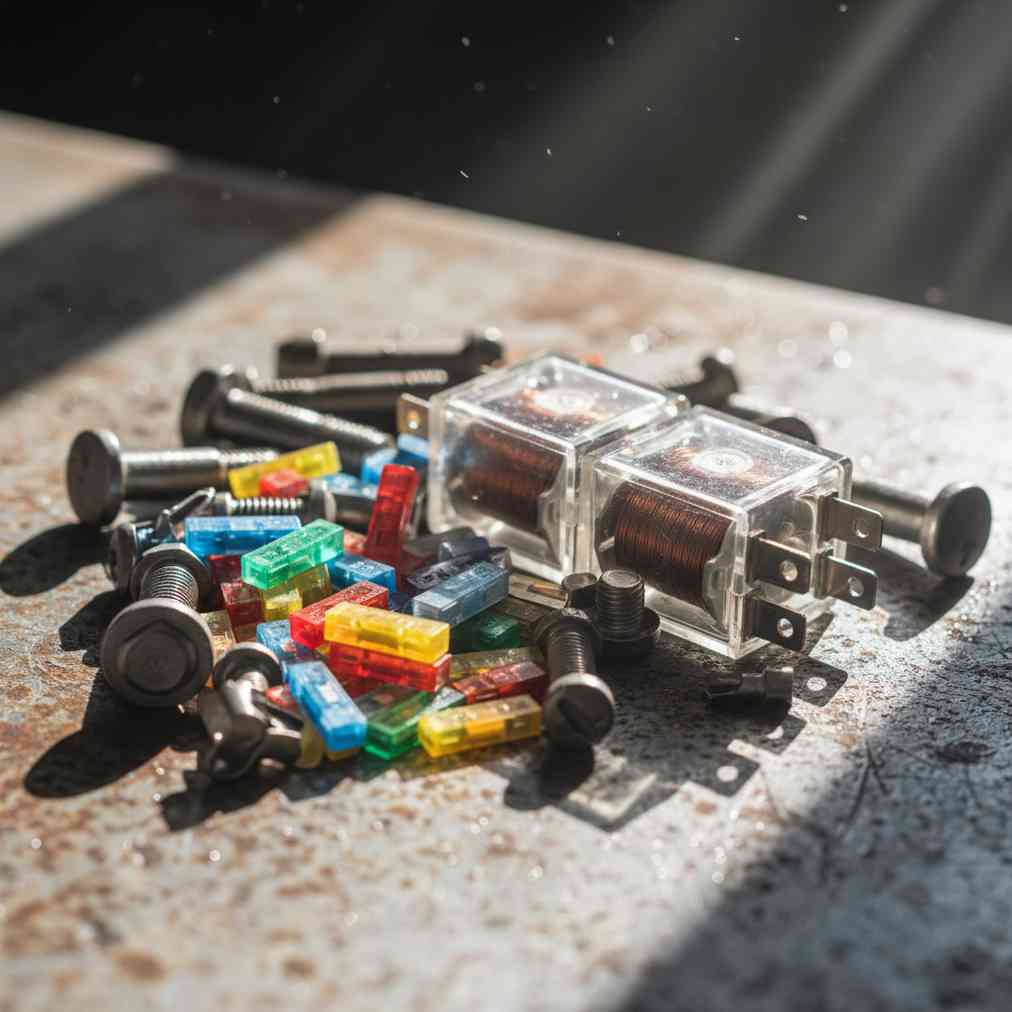
The concept of pocket parts refers to small, inexpensive, yet crucial automotive elements that experienced mechanics and parts resellers always prioritize during salvage yard visits. These items are frequently needed, easily overlooked by casual visitors, and command impressive profit margins relative to their initial cost.
Why Veteran Pullers Target Small Parts
Experienced salvage yard visitors understand several key principles that make small parts incredibly valuable:
- Low Cost, High Necessity: These parts typically cost only a few dollars at self-service yards but are essential for completing repairs
- OEM Quality for Pennies: Used OEM parts offer superior quality and fitment compared to cheap aftermarket replacements
- Exceptional Savings: Customers can save between 50-80% over new parts when doing the removal work themselves
- Strong Resale Value: Experienced resellers can flip these items for double or triple their junkyard purchase price
The Essential Pocket List: 5 Small Parts You Should Always Grab
| Pocket Part | Why It’s Essential | Typical Savings |
|---|---|---|
| Fuses | Single-use safety devices, always blown during electrical diagnosis | 60-80% vs. retail |
| Relays | Control high-current circuits, common failure points | 70-85% vs. new |
| Specialty Bolts | Unique thread pitches and head types, impossible to find elsewhere | 50-90% vs. dealer |
| Interior Clips | Brittle plastic retainers that break during removal | 80-95% vs. new |
| Lug Nuts | Vehicle-specific designs, easily lost or damaged | 40-70% vs. retail |
1. Fuses – Your Electrical Insurance Policy
Fuses are among the most overlooked yet critical items in any vehicle. When diagnosing electrical issues, blown fuses are almost always the culprit. Vehicle-specific fuses can be expensive when purchased individually, and retailers often force you to buy mixed-use boxes containing many fuses you don’t need.
Smart pullers grab several fuses from donor vehicles, focusing on common amperage ratings like 10A, 15A, 20A, and 30A. These OEM fuses provide perfect insurance against stalled repair jobs and cost virtually nothing at the yard.
2. Relays – The Unsung Heroes of Automotive Systems
Relays control high-current circuits including fuel pumps, cooling fans, horns, and headlights. These parts are notorious failure points in older vehicles and can be surprisingly expensive when purchased new. Vehicle-specific relays from the salvage yard offer perfect, cheap backups for known-failing parts.
When pulling relays, focus on common applications like fuel pump relays, AC clutch relays, and cooling fan relays. Always test relays before installation, as they’re one of the easier electrical parts to verify functionality.
3. Specialty Bolts and Fasteners – The Missing Link
Nothing stops a repair job faster than missing the right bolt. Specialty fasteners with unique head types, lengths, or thread pitches are nearly impossible to source at hardware stores. These include sensor mounting bolts, trim fasteners, and bracket hardware that often get lost or damaged during disassembly.
- Engine sensor mounting bolts
- Brake caliper bracket bolts
- Suspension mounting hardware
- Interior trim screws
- Body panel fasteners
4. Rare Interior Clips and Retainers – The Fragile Necessities
Plastic clips and retainers used for interior trim, door panels, headliners, and light bezels are incredibly brittle, especially on older vehicles. These parts almost always break upon removal and are rarely sold individually by parts stores. Grabbing a handful from salvage vehicles ensures clean reassembly of your projects.
Target common clip types including door panel retainers, headliner clips, dashboard fasteners, and weatherstrip clips. These small investments can save hours of frustration and prevent damage to expensive trim pieces.
5. Lug Nuts – The Overlooked Essentials
Lug nuts are easily lost, stripped, or damaged during tire changes and wheel work. If you’re buying wheel assemblies from the yard or damage lug nuts on your own vehicle, having matching OEM units saves immediate trips to parts stores. Lug nuts are often vehicle-specific, featuring unique designs like spline drive, acorn style, or mag seat configurations.
The Economics of Pocket Parts
The financial advantages of focusing on small parts are compelling. While a radiator might cost $60-70 at the yard and sell for $250 by resellers, the profit margins on small parts are often even better. A $2 relay can easily sell for $15-20 online, while specialty clips that cost quarters can command several dollars each.
“The trend among experienced parts pullers is to treat the salvage yard as a ‘spare part supply yard.’ This mindset moves beyond sourcing large, expensive parts and focuses on accumulating small, high-utility consumables and fasteners.”
Building Your Pocket List Strategy
Developing an effective pocket list requires understanding your specific needs and market opportunities. Consider these approaches:
- Personal Use Focus: Stock up on parts for vehicles you own or frequently work on
- Common Vehicle Strategy: Target parts for popular models like Honda Civic, Toyota Camry, and Ford F-150
- Reseller Approach: Focus on high-demand, hard-to-find items with strong online markets
- Seasonal Preparation: Grab winter-specific items like battery terminals and heating system clips
Storage and Organization Tips
Successfully implementing a pocket list strategy requires proper storage and organization. Small parts are easily lost or forgotten without good systems:
- Use clear plastic organizers with labeled compartments
- Group parts by vehicle make or system type
- Create inventory lists with purchase dates and costs
- Store in moisture-free environments to prevent corrosion
- Photograph parts with vehicle information for easy identification
Advanced Pocket List Techniques
Experienced pullers employ several advanced strategies to maximize their pocket list success:
Early Bird Advantage: Many successful resellers build relationships with yard workers to get early access to fresh inventory. This provides first pick of valuable small parts before other customers arrive.
Cross-Reference Knowledge: Understanding part interchange between different vehicles multiplies opportunities. A relay that works in multiple Ford models has broader market appeal than vehicle-specific items.
Seasonal Timing: Certain small parts see increased demand during specific seasons. Battery-related items peak in winter, while AC system parts are most valuable before summer.
Common Mistakes to Avoid
Even experienced pullers can make costly errors when building their pocket lists:
- Hoarding Without Purpose: Collecting parts without clear use or resale plans leads to clutter
- Ignoring Condition: Small parts can still be worn out or damaged
- Overlooking Compatibility: Not all similar-looking parts are interchangeable
- Inadequate Testing: Electrical parts should be tested when possible
- Poor Documentation: Failing to track vehicle sources makes parts useless
Environmental and Economic Benefits
The pocket list strategy aligns perfectly with sustainable automotive practices. By reusing small OEM parts instead of purchasing new aftermarket alternatives, you’re extending the life of quality materials while reducing manufacturing demand. This approach supports the circular economy model that many modern auto recyclers actively promote.
From an economic perspective, the strategy provides multiple benefits. Individual consumers save money on repairs, professional mechanics improve their profit margins, and the automotive aftermarket becomes more efficient through better resource utilization.
Getting Started with Your Pocket List
Beginning your pocket list journey doesn’t require major investment. Start with these steps:
- Visit your local salvage yard with a small container
- Focus on one category initially (fuses or relays work well)
- Document every part with vehicle information
- Test parts when possible before storing
- Track your savings compared to retail prices
Remember that building an effective pocket list is a long-term strategy. The initial time investment in learning, collecting, and organizing pays dividends through years of convenient access to essential parts and significant cost savings.
Maximizing Your Investment
The most successful pocket list practitioners treat their small part collection as both insurance and investment. Whether you’re planning to sell a junk car or maintain your current vehicle, having the right small parts available can mean the difference between a quick repair and a costly delay.
Professional mechanics often report that pocket list items generate some of their highest profit margins. A $3 relay purchased at the yard might be billed at $25-30 when installed for a customer, providing excellent return on investment while offering significant savings compared to dealer prices.
The Future of Small Parts Collecting
As vehicles become increasingly complex, the value of simple, reliable small parts continues to grow. While modern cars feature sophisticated electronics, they still rely on basic fuses, relays, and mechanical fasteners. This ensures that the pocket list strategy will remain relevant for years to come.
Additionally, the rise of online marketplaces has made selling small parts easier than ever. Platforms like eBay, Facebook Marketplace, and specialized automotive forums provide ready markets for hard-to-find small parts, making the reseller aspect of pocket list strategy more accessible to casual participants.
The pocket list approach represents smart, sustainable automotive maintenance and repair. By focusing on these five essential categories – fuses, relays, specialty bolts, interior clips, and lug nuts – you’ll be prepared for most common repair situations while building valuable inventory that can save money or generate income. Whether you’re a weekend DIY mechanic or professional technician, implementing a pocket list strategy will enhance your automotive success while supporting environmentally responsible practices.




Leave a Reply
You must be logged in to post a comment.