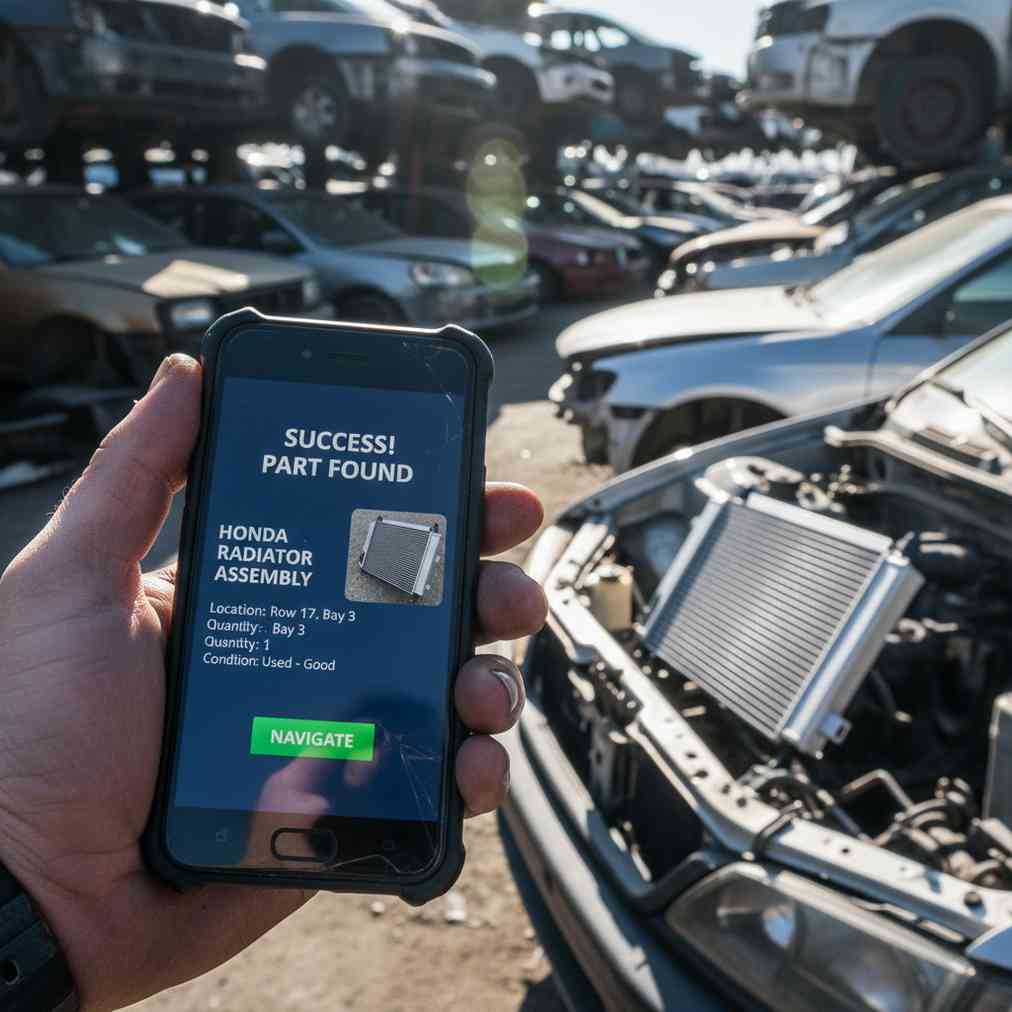
Understanding the Frustration of Wasted Trips to Auto Salvage Yards
Nothing is more frustrating for DIY mechanics and car restorers than driving across town to an auto salvage yard, only to discover that the specific vehicle you need isn’t there—or worse, someone else has already pulled the part you were counting on. These **”wasted trips”** cost valuable time, gas money, and momentum on your project. The solution is simpler than you might think: checking online inventory before you leave home.
Modern auto recycling facilities have revolutionized the parts-hunting experience by maintaining searchable online databases that reflect their current vehicle stock. This technology allows customers to confirm the presence of specific donor cars before making the drive, eliminating guesswork and saving resources.
How to Check Online Inventory: A Step-by-Step Guide
Most major auto recycling chains, including those in the U-Pull-It or U-Pull-&-Pay networks, have embraced digital inventory management systems. These platforms provide real-time or near-real-time updates on their vehicle stock, making it easy for customers to plan their visits strategically.
The Basic Search Process
The inventory checking process typically involves four main steps that most salvage yards follow:
- Select Your Store Location: Since many salvage yard chains operate multiple locations, you must first choose the specific yard you plan to visit
- Search by Vehicle Specifications: Enter your target vehicle’s Year, Make, and Model. Some advanced systems also allow VIN-based searches
- Review Available Results: The system displays all vehicles matching your criteria currently in the yard
- Utilize Advanced Features: Take advantage of additional search options when available
Advanced Search Features
Modern inventory systems offer sophisticated features that can significantly improve your parts-hunting success rate:
| Feature | Description | Benefit |
|---|---|---|
| Multi-Location Search | Search multiple yards simultaneously | Expands your options without multiple searches |
| “New On Yard” Filter | Shows recently added vehicles | Access to fresh inventory with intact parts |
| Interchange Search | Finds compatible parts across different makes/models | Increases chances of finding needed parts |
| Year Range Search | Search multiple model years at once | Useful when parts interchange between years |
For example, when using a U-Pull-It inventory search system, you can select a location, choose your desired Make (such as Honda, Ford, or Toyota), then specify the Model (like Accord, F-150, or Camry) to see current stock levels.
The Critical Importance of Pre-Visit Inventory Checks
Understanding why online inventory checking is essential can help you appreciate the value of this simple step. The benefits extend far beyond mere convenience, impacting your project timeline, budget, and overall success rate.
Primary Benefits of Online Inventory Verification
- Eliminates Wasted Trips: The most obvious benefit is preventing disappointing journeys that yield no results, saving both fuel costs and valuable time
- Confirms Physical Presence: Verifies that your target make and model is actually present in the yard before you invest time traveling
- Maximizes Yard Efficiency: Knowing exactly which vehicles are available helps you plan your route through the yard and budget your time effectively
- Enables Strategic Planning: Some systems even provide row locations, making your actual search more targeted and efficient
Leveraging Parts Interchangeability
One of the most powerful features of modern inventory systems is their ability to help you research parts interchangeability. This capability is invaluable when your exact vehicle isn’t available, as it helps identify other makes and models that use compatible parts.
For instance, if you’re looking for Toyota Camry parts but find limited inventory, the interchange feature might reveal that certain Lexus models or other Toyota vehicles share compatible parts, dramatically expanding your options.
Understanding System Limitations and Best Practices
While online inventory systems are incredibly helpful, it’s important to understand their limitations and use them strategically for the best results.
Important System Limitations
Remember: Online inventory confirms the vehicle’s presence, not the availability of specific parts. Even if a car is listed, the part you need might have already been removed by another customer.
Most salvage yards explicitly state that they do not maintain inventory of individual parts—only complete vehicles. Additionally, these databases typically update once per evening, meaning there’s always some lag time between actual yard conditions and online listings.
Maximizing Your Success Rate
To get the most value from online inventory systems, consider these professional strategies:
- Use “Notify Me” Features: Many yards offer notification services that alert you when desired vehicles arrive
- Check Multiple Locations: Don’t limit yourself to the closest yard—sometimes a slightly longer drive yields better results
- Research Interchange Options: Before your visit, research which other vehicles might have compatible parts
- Plan for Alternatives: Always have backup part options identified in case your primary target has been picked clean
Practical Tips for Different Types of Shoppers
Different types of parts hunters can optimize their approach based on their specific needs and experience levels.
For First-Time Visitors
If you’re new to salvage yards and self-service auto parts, online inventory checking becomes even more critical. Start with popular vehicles that tend to have good parts availability, and don’t be afraid to call the yard directly if you have questions about their inventory system.
For Professional Mechanics and Resellers
Professional users often benefit from checking inventory at multiple locations simultaneously and setting up notifications for high-demand vehicles. Consider the data-driven approach that many successful parts resellers use to track inventory patterns and pricing trends.
For Classic Car Restorers
When hunting for specialty parts for classic cars, online inventory becomes your first line of defense against disappointing trips. Classic vehicles appear less frequently in yards, making every opportunity precious.
Making the Most of Your Yard Visit
Once you’ve confirmed that your target vehicle is in the yard, proper preparation ensures you maximize your visit’s value and efficiency.
Pre-Visit Preparation Checklist
- Gather Necessary Tools: Research which tools you’ll need for your specific part removal
- Check Weather Conditions: Yard conditions can vary dramatically based on recent weather
- Verify Operating Hours: Double-check current hours and any special policies
- Plan Multiple Targets: Identify several potential donor vehicles in case your primary choice doesn’t pan out
Understanding Yard Organization
Most yards organize vehicles by make, model, or arrival date. Some advanced facilities like LKQ Pick Your Part locations provide detailed maps or row information to help you navigate efficiently.
Alternative Options When Inventory is Limited
Sometimes, despite thorough online checking, you might find limited options for your specific needs. In these cases, consider expanding your search strategy.
Exploring Regional Options
Different regions often have varying vehicle populations based on local preferences and climate conditions. For example, Houston-area yards might have different truck inventory compared to yards in coastal areas.
Considering Seasonal Factors
Vehicle availability can fluctuate seasonally. Winter months might bring more accident-damaged vehicles, while summer might see more trade-ins. Understanding these patterns, much like the data trends analysts track, can help you time your searches more effectively.
The Economic Impact of Proper Planning
The financial benefits of checking online inventory extend beyond just saving gas money. Consider the broader economic impact of efficient parts hunting:
| Cost Factor | Wasted Trip | Planned Trip | Savings |
|---|---|---|---|
| Fuel Costs | $15-30 | $15-30 | $0 (but trip is productive) |
| Time Value | 4 hours wasted | 2 hours productive | 2 hours saved |
| Opportunity Cost | High | Low | Significant |
| Project Momentum | Lost | Maintained | Invaluable |
Looking Forward: The Future of Salvage Yard Technology
The salvage yard industry continues to evolve with technology, and inventory management systems are becoming increasingly sophisticated. Some yards are experimenting with artificial intelligence and machine learning to better predict part availability and customer needs.
Future developments might include real-time part tracking, augmented reality yard navigation, and predictive inventory alerts. These innovations will make the “wasted trip” an increasingly rare experience for savvy parts hunters.
Beyond Parts: Selling Your Vehicle
If you’re considering the other side of the equation—selling a vehicle to a salvage yard—the same technology that helps you find parts can help you get cash for your junk car efficiently. Many yards now offer online quotes and pickup services, making the selling process as streamlined as the buying experience.
Conclusion: Smart Shopping Starts with Smart Planning
The frustration of a wasted trip to an auto salvage yard is entirely preventable with proper use of online inventory systems. These tools, combined with strategic planning and realistic expectations, transform parts hunting from a game of chance into a targeted, efficient process.
Remember that while online inventory confirms vehicle presence, it doesn’t guarantee part availability. However, this digital-first approach dramatically improves your odds of success while saving time, money, and frustration. Whether you’re a weekend warrior working on a project car, a professional mechanic sourcing reliable used alternators, or a classic car enthusiast hunting for rare parts, checking online inventory before you leave home is the smartest first step you can take.
The next time you need a specific auto part, resist the urge to jump in your car and drive to the nearest yard. Instead, spend a few minutes online, do your research, and plan your visit strategically. Your wallet, your schedule, and your project timeline will thank you for this simple but powerful approach to salvage yard shopping.



Leave a Reply
You must be logged in to post a comment.