What to Expect at Your First U-Pull-It Visit
Walking into your first U-Pull-It yard can feel overwhelming, but understanding the process beforehand will help you navigate with confidence. A U-Pull-It yard, also known as a self-service salvage yard, is a facility where you do the labor to remove auto parts yourself, allowing you to pay significantly less—often 50% to 80% less than new part prices. This comprehensive guide will walk you through every step of your first visit, from preparation to checkout.
Pre-Trip Preparation: Setting Yourself Up for Success
Success at a U-Pull-It yard starts before you leave home. Proper preparation can make the difference between a productive trip and a frustrating waste of time.
Research Online Inventory
Most modern salvage yards have online inventory systems that allow you to search by make, model, and year. This feature helps confirm vehicle availability and prevents a wasted trip. Note the yard location numbers or section designations for the vehicles you’re interested in. According to recent data analysis techniques, customers who research inventory online before visiting have a 75% higher success rate in finding their desired parts.
Create a Detailed Parts List
A detailed list prevents aimless wandering and ensures you don’t forget critical parts. Include part numbers and specifications where possible. Consider creating a checklist that includes:
- Specific part names and numbers
- Compatible year ranges for your vehicle
- Alternative part options
- Estimated prices from your research
Essential Tools You’ll Need
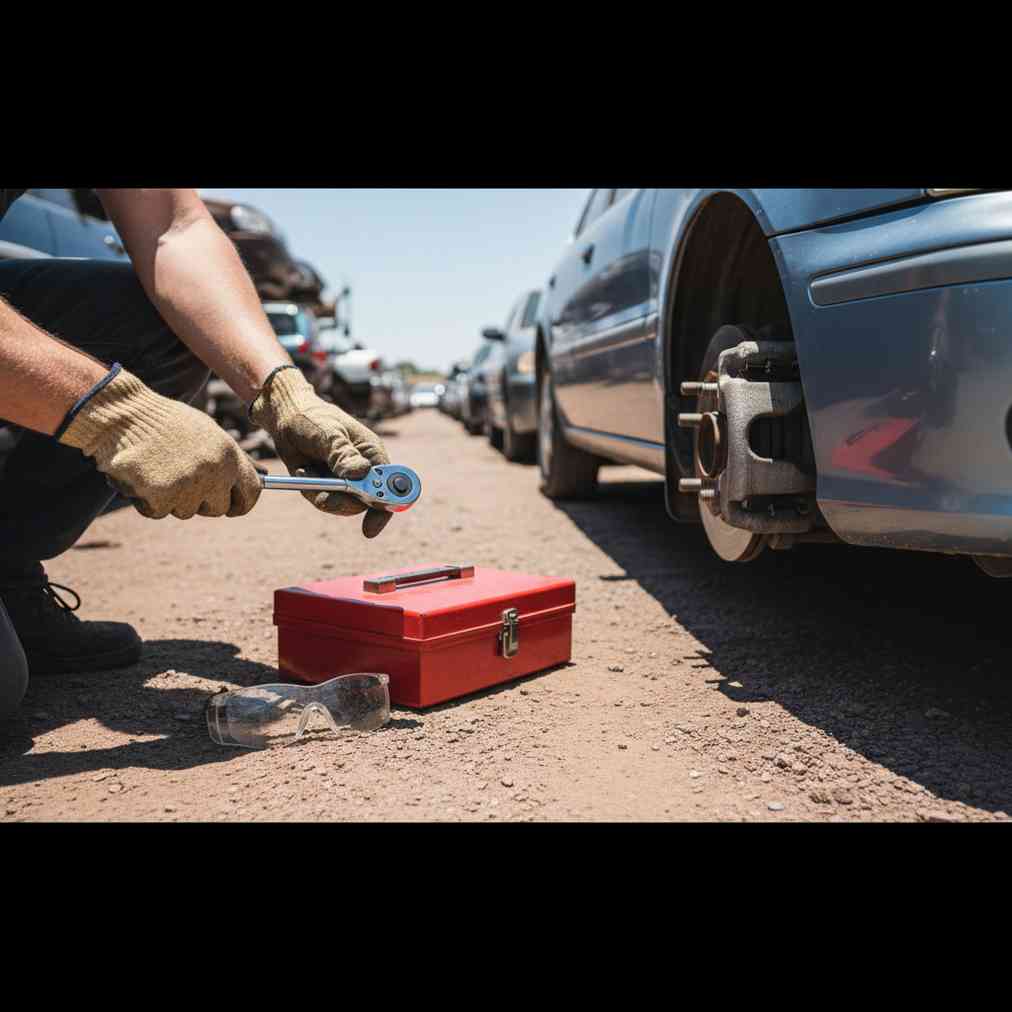
Since you do the labor, you must bring your own tools. Most yards don’t provide tools or have electrical outlets available, so come prepared.
| Essential Tools | Optional but Helpful |
|---|---|
| Basic wrench set | Battery-operated drill |
| Screwdriver set | Pry bars |
| Pliers | WD-40 lubricant |
| Ratchet and socket set | Multimeter |
| Metric and standard sizes | Flashlight |
Arriving at the Entrance Gate
Your first impression begins at the entrance gate, where several important steps must be completed before you can enter the yard.
Mandatory Safety Waiver
Every visitor must sign a safety waiver before entering the yard. This legal document acknowledges that you understand the inherent risks, such as sharp metal, unstable vehicles, and exposure to automotive fluids. You must typically be 18 years of age or older to enter, though some yards allow those 16 and up with parental consent.
Entry Fee Structure
Most yards charge a small, flat-rate admission fee per person, which typically ranges from $1.00 to $5.00. This fee is separate from the price of parts you purchase. Some facilities offer memberships that waive this fee for frequent visitors.
Safety Equipment and Dress Code
Closed-toe shoes or boots are mandatory for safety against sharp objects and debris. Sandals or open-toed shoes are strictly prohibited. Staff may inspect all toolboxes and bags as you enter and leave for safety and security reasons.
- Required: Closed-toe shoes, long pants recommended
- Essential: Work gloves for hand protection
- Recommended: Old clothes you don’t mind getting dirty
- Prohibited: Sandals, flip-flops, shorts (in some yards)
Navigating the Yard and Pulling Parts
Once inside, the real work begins. Understanding how to efficiently navigate and work in the yard will save you time and energy.
Understanding Yard Organization
The yard layout might seem chaotic at first, but vehicles are organized systematically, often by manufacturer section. Staff can usually direct you to the right area if you have the vehicle information. Most yards provide wheelbarrows or sack trolleys at no charge to help transport your tools and heavy parts.
Locating and Inspecting Parts
When you find the car you researched, inspect the part closely before starting removal. Look for rust, wear, or damage that might not have been visible in online photos. For electrical parts, consider bringing a multimeter to test functionality if the yard allows.
“The key to success at a U-Pull-It yard is patience and thorough inspection. Take your time to ensure the part meets your needs before you start the removal process.”
— Experienced salvage yard customer
The Removal Process
You must perform the removal yourself, which is why the prices are so much lower than traditional parts suppliers. For large, heavy items like engines or transmissions, consider bringing a helper. Be aware that cutting torches, grinders, and jacks are typically prohibited inside the yard for safety reasons.
Yard Etiquette and Respect
Leave the vehicle and surrounding area as you found them so others can benefit. Clean up any debris after you finish working. If you decide not to take a part after removing it, return it to the correct area or designated bin. This community approach helps maintain the yard for everyone’s benefit.
The Final Checkout Process
After successfully securing your parts and loading them onto a wheelbarrow, head back to the front office for the final step of your visit.
Pricing and Payment
The cashier will price your selection based on the yard’s established pricing structure. Some yards have QR codes throughout the facility to check prices, or you can view the price list online beforehand. Prices are generally clear and upfront, with no hidden fees.
| Payment Methods Accepted | Typically Not Accepted |
|---|---|
| Cash | Personal checks |
| Debit cards | Store gift cards |
| Major credit cards (Visa, MasterCard, Discover) | Cryptocurrency |
Warranties and Return Policies
Be aware of the yard’s policy before making your purchase. Many self-service yards offer no cash refunds but may provide an exchange for in-store credit or a limited-time warranty (such as 30 or 180 days) on certain parts. Returns or exchanges almost always require the original receipt, so keep it safe.
Money-Saving Tips for Your Visit
Maximize your savings and efficiency with these insider tips from experienced yard visitors.
- Visit during off-peak hours: Weekday mornings typically have fewer crowds
- Check for special promotions: Many yards offer monthly sales or discount days
- Bring helpers for large parts: Some items require multiple people to remove safely
- Consider buying multiple parts: If you find a good donor car, grab other parts you might need later
- Join loyalty programs: Many chains offer membership benefits and reduced entry fees
Common Mistakes to Avoid
Learning from others’ mistakes can save you time, money, and frustration during your first visit.
Preparation Mistakes
- Not checking online inventory before visiting
- Forgetting essential tools
- Wearing inappropriate clothing or footwear
- Not bringing a helper for heavy parts
On-Site Mistakes
- Rushing through part inspection
- Not testing electrical parts when possible
- Leaving tools behind in vehicles
- Taking parts without paying (this can result in being banned)
What Parts Are Best to Buy Used
Not all parts are suitable for used purchase. Understanding which parts offer the best value and reliability when bought used can help you make smart decisions.
| Great Used Part Purchases | Parts to Buy New |
|---|---|
| Body panels and trim | Brake pads and rotors |
| Interior parts | Timing belts |
| Glass and mirrors | Gaskets and seals |
| Wheels and hubcaps | Airbags (safety critical) |
| Starter motors | Oil filters |
Environmental Benefits of U-Pull-It Yards
Choosing used parts from salvage yards provides significant environmental benefits that extend far beyond personal savings. According to recent environmental research, automotive recycling prevents millions of tons of materials from entering landfills annually.
- Resource Conservation: Reusing existing parts reduces demand for new manufacturing
- Energy Savings: Manufacturing new parts requires significantly more energy than refurbishing used ones
- Pollution Reduction: Less manufacturing means reduced industrial emissions
- Waste Diversion: Keeps functional parts out of landfills
When to Sell Your Vehicle to a Junkyard
If your current vehicle is beyond economical repair, consider selling it for cash to a salvage yard. This option can provide immediate value while contributing to the circular economy of auto parts recycling.
Making the Most of Your First Visit
Your first trip to a U-Pull-It yard should be viewed as both a money-saving opportunity and a learning experience. Take your time, ask questions when needed, and don’t be afraid to inspect parts thoroughly before removal. The staff, while not able to help with part removal, can often provide guidance on yard layout and policies.
Remember that patience and preparation are your best tools for success. With the right approach, you can find quality parts at fraction of retail prices while contributing to environmental sustainability. Many customers find that their first successful visit leads to becoming regular customers who rely on salvage yards for future automotive needs.
Whether you’re a DIY mechanic looking to save money or someone interested in learning more about automotive repair, U-Pull-It yards offer an invaluable resource. By following this guide and approaching your first visit with realistic expectations and proper preparation, you’ll be well-equipped to navigate the world of self-service auto salvage successfully.



Leave a Reply
You must be logged in to post a comment.