Direct answer: Buying a whole parts car from Copart or IAA can beat pulling parts one at a time, but only when the math works. It makes sense when you need several components, a rare car, or a full drivetrain. Before you bid, add up the buyer fees, gate and towing costs, and check whether your state requires a dealer or broker license to buy, because those extras can erase the savings fast.

Key takeaways
- A parts car wins when you need multiple components or a rare vehicle.
- Copart and IAA add buyer fees, gate fees, and storage on top of the bid.
- Many states require a dealer or broker license or a registered broker to buy.
- Use preview days to inspect before you bid — photos hide a lot.
- Calculate total part value vs. bid + fees + towing before committing.
When does buying a whole parts car pay off?
A donor car wins when you need more than one expensive part, when the model is rare and hard to find in local yards, or when you want a complete matched drivetrain. If you only need a single common part, a self-service yard is almost always cheaper and faster. The break-even point is roughly two to three high-value parts.
How do Copart and IAA auctions actually work?
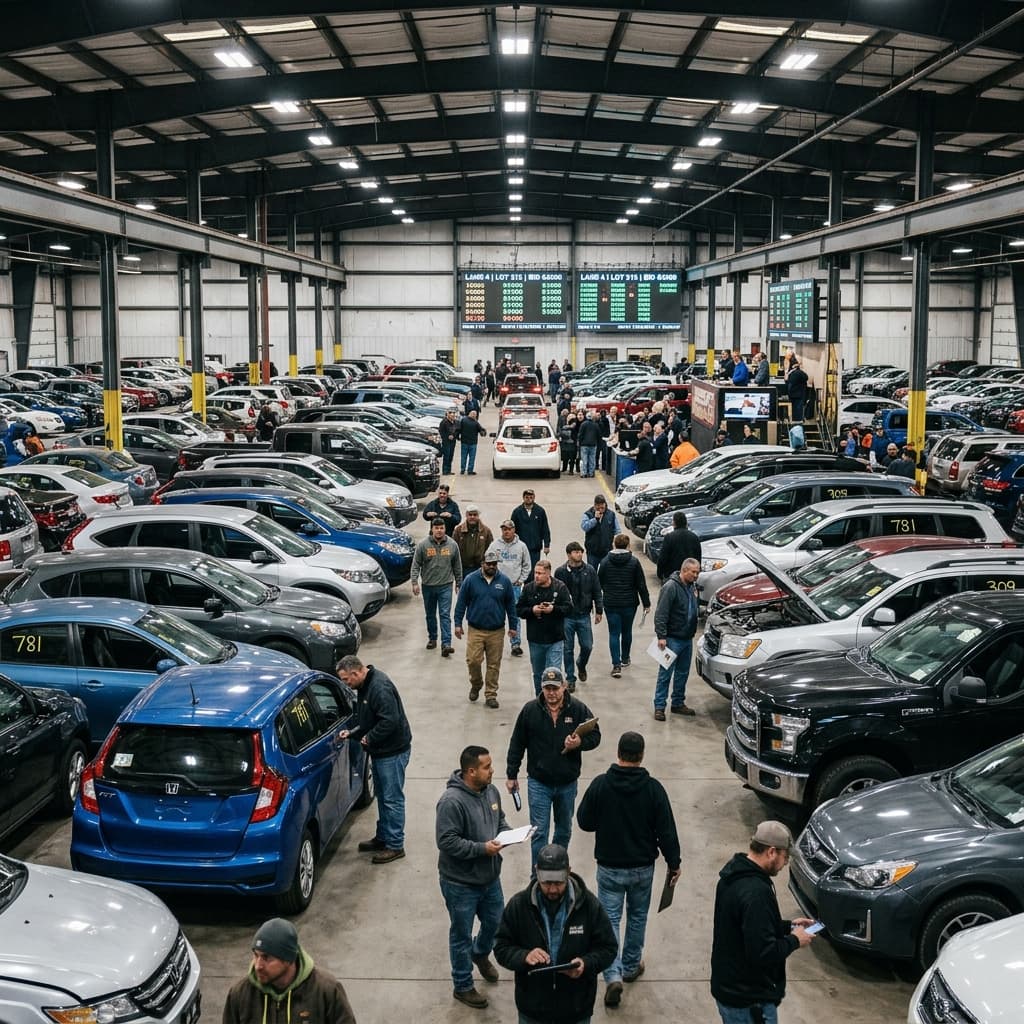
Copart and IAA are insurance auto auctions selling salvage, flood, and total-loss vehicles. Bidding is online, but the final price is more than your bid: expect a buyer fee, a virtual bid fee, a gate fee, and towing or storage. Many states require a dealer or broker license to buy directly, though registered brokers can bid on your behalf for a fee.
- Buyer fee scales with the sale price
- Gate fee and environmental fee are added at pickup
- Storage accrues daily if you don’t collect quickly
- A broker can bid for you where a license is required
How do you inspect before you bid?
Use preview days to see the car in person, because auction photos hide flood lines, fire damage, and cut harnesses. Check the run-and-drive status, the title brand (salvage, flood, lemon), and whether the parts you need survived the damage. A rear-damaged car is a great engine donor; a fire or flood car rarely is.