<\/script>
Published: June 11, 2026
· By U-Pull-It.com Editorial Team
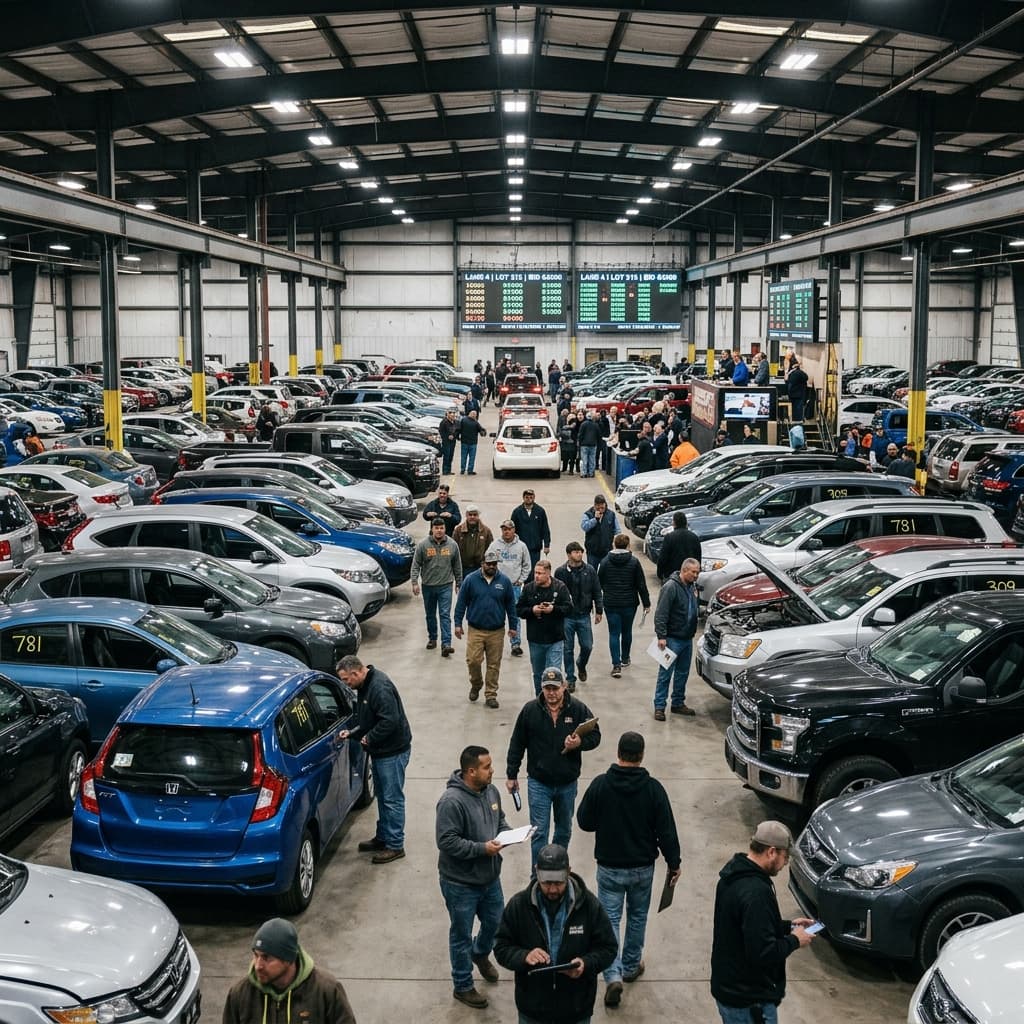
The biggest mistake salvage auction beginners make is treating the winning bid as the purchase price. It's not. Fees add 25-40% on top. A $5,000 "winning" bid becomes $6,500-$7,000 by the time you add buyer's premium, gate fees, title processing, and towing. Then repairs start. Here's the complete strategy for buying smart at Copart and IAAI without getting burned.
Copart vs. IAAI: key differences
| Feature | Copart | IAAI |
|---|
| Auction format | Virtual (VB3) + live | Virtual + live |
| Buyer's premium | 12-18% (tiered) | Similar tiered structure |
| Gate/yard fees | $79-$99 | $79-$99 |
| Public buying | Basic membership free; Premier required for some lots | Membership + broker option |
| Inventory size | ~175,000+ vehicles at any time | ~150,000+ vehicles at any time |
| Storage fees | Start 3-5 days after purchase | Start 3-5 days after purchase |
The real cost formula
Total cost = winning bid + fees + towing + repairs
Example on a $5,000 winning bid:
- Winning bid: $5,000
- Buyer's premium (~15%): $750
- Gate fee: $89
- Environmental fee: $10
- Title processing: $75
- Internet bid fee: $139
- Towing (200 miles): $350
- Total before repairs: $6,413
That's 28% above the "winning" bid — before you turn a single wrench.
Max bid formula
- Find the clean-title retail value (KBB, NADA, or similar for the specific year/make/model/mileage)
- Apply the rebuilt-title discount (25-40% reduction — use 30% as baseline)
- Subtract estimated repair costs (research parts + labor for the specific damage)
- Subtract estimated fees (use 30% of expected bid as a conservative estimate)
- Subtract your profit margin (if flipping: 15-20%. If keeping: this is optional)
Example: 2021 Toyota Camry, clean value $22,000. Rebuilt value: $15,400. Estimated repairs: $3,500. Estimated fees at max bid: $2,100. Max bid = $15,400 - $3,500 - $2,100 = $9,800.
Reading auction photos like a pro
- Count the airbags deployed: Each airbag is $300-$1,500 to replace. Multiple deployments signal severe impact.
- Check the wheel alignment: If a front wheel is visibly cambered, there's suspension and possibly subframe damage.
- Look at the roofline: A buckled or shifted roof means structural frame damage — expensive and often not worth repairing.
- Check the interior photos: Water lines on seats or dashboard = flood vehicle. Walk away.
- Read the damage description: "Minor Dents/Scratches" is very different from "Front End" or "Burn." The description drives bidding competition.
5 mistakes that cost beginners thousands
- Forgetting fees: Buyer's premium, gate fees, towing, and storage add 25-40% on top of the bid.
- Bidding emotionally: Set your max bid before the auction. Walk away if it passes. There's always another car.
- Ignoring secondary damage: A "front-end" hit often includes radiator, condenser, fans, sensors, and airbag modules not visible in photos.
- Not checking title type: A salvage title can be rebuilt. A scrap/non-repairable title (in some states) cannot be registered — ever. Verify before bidding.
- Slow pickup: Storage fees ($25-$50/day) start accumulating 3-5 days after purchase. Have towing arranged before you bid.
Rather skip the auction and sell your car instead?
We buy damaged and totaled vehicles directly. No auction fees, no hassle.
Get an Instant Offer
How much are Copart and IAAI fees?
Fees add 25-40% on top of the winning bid. Buyer's premium (12-18%), gate fee ($79-$99), environmental fee, title processing ($55-$80), and towing ($100-$500+). A $5,000 bid typically becomes $6,500-$7,000 all-in.
What is a good max bid formula for salvage cars?
Max bid = (clean-title value × 0.70) – repair costs – fees. This accounts for the 30% rebuilt-title discount and gives margin for hidden damage discovered during teardown.
Can anyone buy from Copart or IAAI?
Rules vary by state. Some states allow direct public registration. Others require a dealer license or using a broker ($100-$500 fee). Check your state requirements before creating an account.