Honda Pilot Junkyard Parts Guide: Best Parts to Pull and What Fits
The Honda Pilot is common in salvage yards, so good used parts are easy to find and cheap to buy. Here are the best parts, the interchange, and what to inspect.
Article image
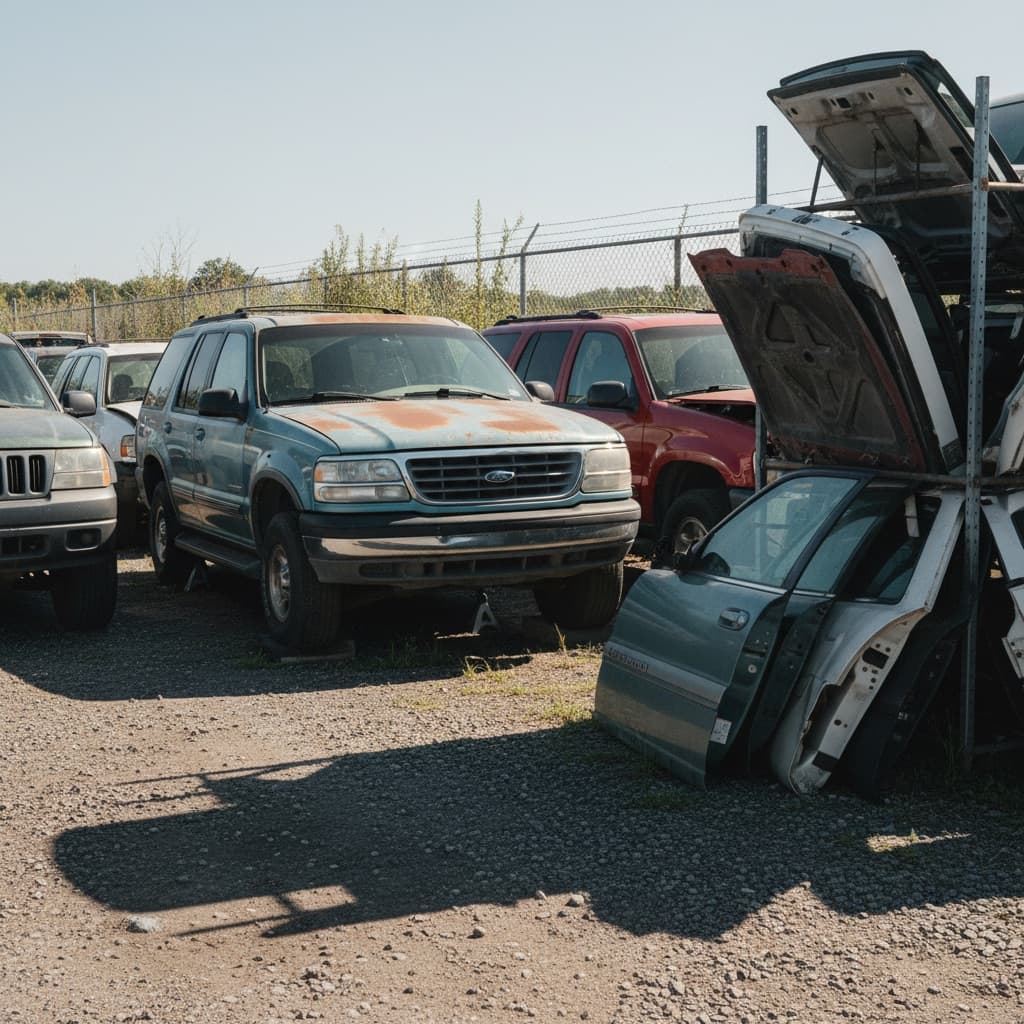
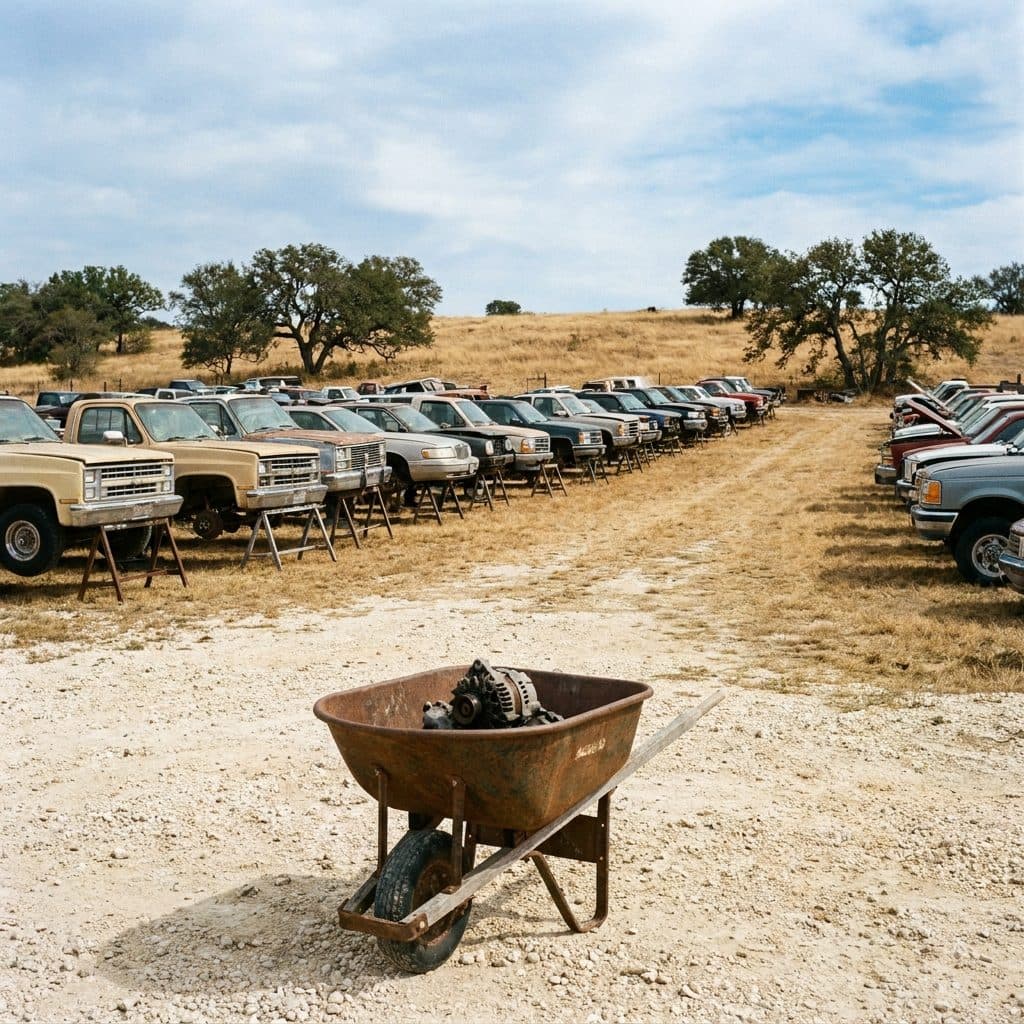
Direct answer: The Honda Pilot is a common sight in salvage yards, which means good used parts are easy to find and inexpensive to buy. The key is knowing which generation and engine you have, which models share parts with it, and what to inspect before you spend your Saturday pulling a part.
Key takeaways
Honda Pilot generations: 1st gen (2003–2008), 2nd gen (2009–2015), 3rd gen (2016–2022).
Engines: the 3.5L J35 V6, some with Variable Cylinder Management (VCM).
Shares parts with: Honda Odyssey, Ridgeline, and the Acura MDX (shared J35 V6).
Watch out for: VCM-related oil consumption and misfires, and second-gen transmission wear.
Verify engine code (8th VIN digit) and options before buying drivetrain parts.
Video: Rare junkyard finds pt.1
Which Honda Pilot generation and engine do you have?
Interchange starts with the generation and engine. The Honda Pilot spans 1st gen (2003–2008), 2nd gen (2009–2015), 3rd gen (2016–2022), using the 3.5L J35 V6, some with Variable Cylinder Management (VCM). Match the engine code before buying any drivetrain part, because engines are not interchangeable across families. Confirm the 8th VIN digit for engine-specific parts.
What does the Honda Pilot share parts with?
Your donor pool is bigger than one badge. The Honda Pilot shares parts with Honda Odyssey, Ridgeline, and the Acura MDX (shared J35 V6). If a Honda Pilot with the part you need isn’t in the yard, one of those siblings of the same era often carries the same engine, drivetrain, and body parts. Verify casting numbers, connectors, and option codes before pulling.
What should you check before pulling Honda Pilot parts?
Before you commit, inspect for the Honda Pilot’s known weak points: VCM-related oil consumption and misfires, and second-gen transmission wear. Confirm the trim and options on the door-jamb sticker, check fluids for metal on drivetrain parts, and photograph connectors before unplugging so reinstallation is easy.
Quick-reference tables
High-value Honda Pilot parts to pull
Part
Why it’s worth it
Verify
3.5L J35 V6
Shared across Honda line
Oil, VCM history, VIN
Automatic transmission
Costly new
Fluid, shift quality
3rd-row & 2nd-row seats
Trim-specific
Connectors, wear
Doors, tailgate, glass
Common damage
Rust, regulator motors
Infotainment / cluster
Expensive OEM
Part number, programming
Field checklist
Step 1: Identify your Honda Pilot generation, engine, and options
Step 2: Search yard inventory for the Honda Pilot and its sibling models
Step 3: Match the engine code (8th VIN digit) for drivetrain parts
Step 4: Inspect the known weak points before pulling
Step 5: Check fluids for metal and connectors for corrosion
Step 6: Verify trim and option codes on the door-jamb sticker
Primary keywordhonda pilot junkyard parts
Related searches
honda pilot used parts
honda pilot interchange
honda pilot salvage yard
used auto parts
Frequently asked questions
Do Honda Pilot and Odyssey parts interchange?
Many drivetrain parts do — both use the 3.5L J35 V6 and share components with the Ridgeline and Acura MDX. Verify the exact engine variant and VCM equipment before buying.
Are used Honda Pilot parts easy to find?
Yes. The Honda Pilot is common in salvage yards, so donor vehicles and used parts are widely available and affordably priced. Search sibling models too, since they share many parts.
What should I inspect first on a junkyard Honda Pilot?
Check the model’s known weak points (VCM-related oil consumption and misfires, and second-gen transmission wear), confirm the engine code, and inspect fluids and connectors before pulling drivetrain or electrical parts.
How do I make sure a used Honda Pilot part will fit?
Match the generation, engine code (8th VIN digit), and option codes, and compare casting numbers and connectors. Bring your old part for a side-by-side comparison when possible.