How to Find and Inspect a Used Power Steering Pump
Understanding the Role of Your Power Steering Pump The power steering pump serves as the powerhouse of your vehicle's hydraulic steering system, generating the essential hydraulic pressure needed to make steering effortless. This critical component converts your engine's mechanical energy into hydraulic energy through a belt-driven system, drawing power steering fluid from the reservoir and [...]
Article image
Understanding the Role of Your Power Steering Pump
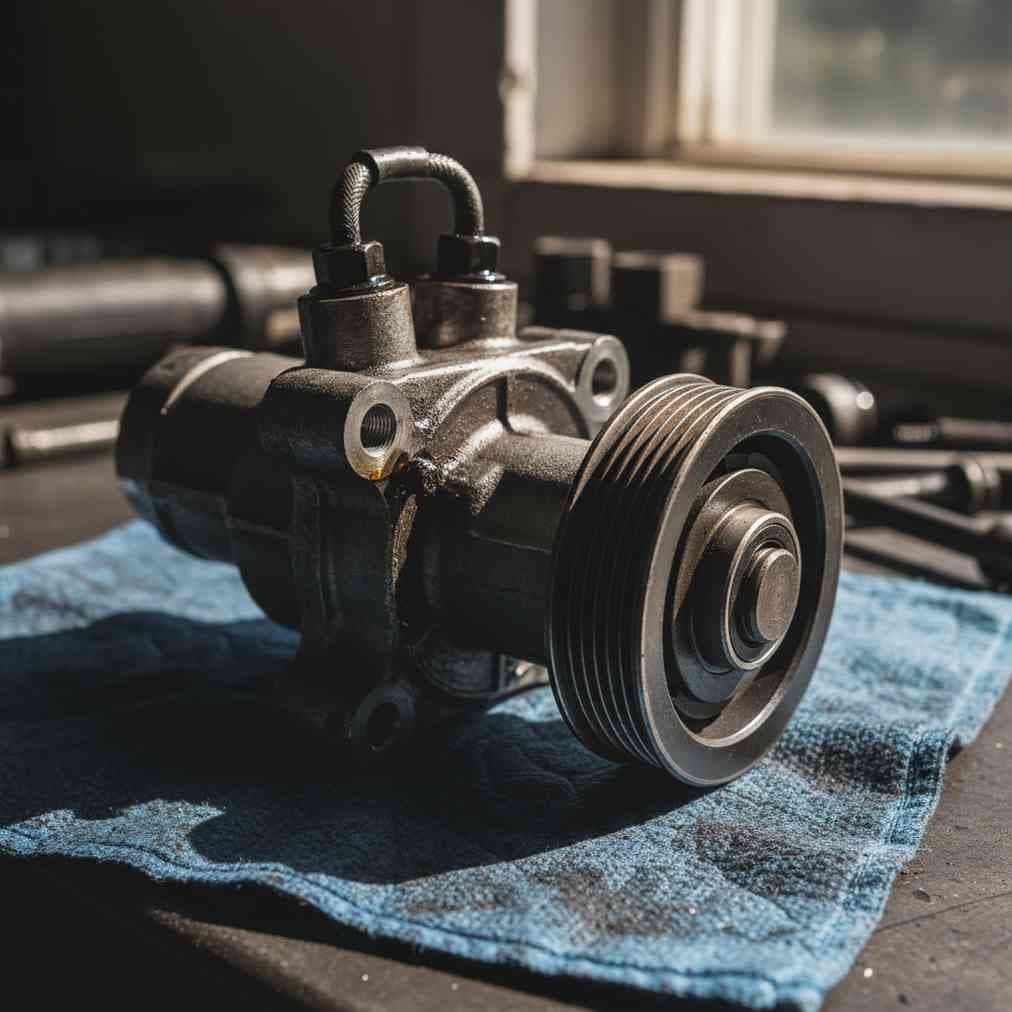
The power steering pump serves as the powerhouse of your vehicle's hydraulic steering system, generating the essential hydraulic pressure needed to make steering effortless. This critical component converts your engine's mechanical energy into hydraulic energy through a belt-driven system, drawing power steering fluid from the reservoir and pressurizing it before sending it to your steering gear assembly.
When functioning properly, the pump provides proportional assistance based on your driving needs – offering more support during low-speed maneuvers like parking while reducing assistance at highway speeds for better road feedback and stability. Understanding this system becomes crucial when your pump begins to fail and you need to find a reliable replacement.
Recognizing the Warning Signs of a Failing Power Steering Pump
Before diving into your search for a used power steering pump, it's essential to confirm that your current pump is indeed the problem. A failing power steering pump typically manifests through several distinct symptoms that fall into three main categories.
Symptom Category
Specific Signs
What It Indicates
Noise Issues
Whining when turning, squealing on startup, groaning sounds
The most common early warning sign is a whining noise that occurs when turning the steering wheel, often indicating internal leaks or low power steering fluid levels. More severe symptoms include groaning noises and the presence of chrome flakes in the power steering fluid, which signal serious internal component wear.
Where to Find Quality Used Power Steering Pumps
When searching for a replacement power steering pump, salvage yards near me offer the most cost-effective solution. These facilities, also known as auto recyclers or pick-and-pull yards, maintain extensive inventories of vehicles from which you can source OEM parts at a fraction of new part costs.
Self-service yards – Where you remove parts yourself for maximum savings
Full-service yards – Staff removes parts for you, typically at higher prices
Specialty recyclers – Focus on specific makes or high-end vehicles
Modern data science applications have revolutionized how salvage yards track and manage their inventory, making it easier than ever to locate specific parts across multiple locations.
Essential Tools for Junkyard Power Steering Pump Removal
Proper preparation is key to successfully extracting a power steering pump from a donor vehicle. Having the right tools not only saves time but also prevents damage to the part and ensures your safety during removal.
Socket set (metric and standard sizes)
Box-end wrenches for tight spaces
Drain pan for capturing residual fluid
Shop rags for cleanup
Pulley puller (if removing pulley)
Line wrenches for hydraulic connections
Safety glasses and gloves
“When removing the pump, be prepared for residual fluid. Having rags and a catch pan ready is standard procedure to manage any spilled power steering fluid and avoid creating a mess in the yard.”
Complete Inspection Checklist for Used Power Steering Pumps
A thorough physical inspection is crucial to avoid purchasing a faulty unit. This comprehensive checklist will help you identify a reliable used pump that will provide dependable service.
External Leak Assessment
Begin your inspection by examining the entire pump housing for signs of external fluid leaks. Look for:
Dried power steering fluid residue on the pump body
Wet spots or active leaking
Condition of attached power steering lines
O-ring integrity at connection points
Heat or ozone damage to rubber sections
Crimping or damage to metal line sections
Pulley and Bearing Evaluation
The pulley rotation test is one of the most critical assessments you can perform. Spin the pulley by hand and pay close attention to:
Smooth operation – The pulley should rotate freely without binding
Quiet operation – No grinding, clicking, or scraping noises
Minimal shaft play – Excessive movement indicates worn bearings
Belt groove condition – Check for excessive wear or damage
If you detect any shaft play or noise during this test, the pump is likely worn internally and should be rejected, regardless of its external appearance.
Donor Vehicle Fluid Analysis
When possible, examine the power steering fluid in the donor vehicle's reservoir. This inspection provides valuable insight into the pump's internal condition:
Fluid Condition
What It Indicates
Action to Take
Clear, reddish color
Well-maintained system
Good candidate for purchase
Dark, dirty fluid
Poor maintenance
Proceed with caution
Metal flakes present
Internal wear
Reject this pump
Gritty texture
Contamination
Look for another option
Try to find a pump that still has fluid in its reservoir, as this indicates the system was likely operational when the vehicle arrived at the yard.
Structural Integrity and Compatibility Check
Complete your inspection by examining the pump's physical condition and ensuring compatibility with your vehicle:
Mounting tabs – Look for cracks or dents indicating rough removal
Pressure control valve – Verify it's intact and undamaged
Pump housing integrity – Check for cracks or impact damage
Rotor condition – Ensure main parts appear intact
OEM compatibility – Verify correct model match for your vehicle
Different pump types (Vane, Roller, Slipper) are not interchangeable, so ensuring exact compatibility is crucial for proper function. When available, checking the Carfax report on the donor vehicle can provide insight into maintenance history or accident damage.
Advanced Testing Techniques for Used Power Steering Pumps
While visual inspection covers most potential issues, experienced buyers employ additional testing methods to further verify pump condition. These techniques, inspired by data-driven analysis approaches, help predict long-term reliability.
Pressure Port Examination
Remove the high-pressure line fitting (if still attached) and examine the pressure port interior. Look for:
Metal scoring or deep scratches
Excessive wear patterns
Corrosion or pitting
Foreign debris or contamination
Return Port Assessment
Similarly, inspect the return port for signs of cavitation damage, which appears as small pitted areas caused by air bubbles collapsing under pressure. This condition indicates the pump operated with insufficient fluid or excessive aeration.
Negotiating the Best Price
Once you've identified a suitable used power steering pump, effective negotiation can significantly reduce your costs. Salvage yards typically have flexible pricing, especially for self-service facilities.
Point out any defects – Minor issues can justify price reductions
Bundle multiple parts – Buying several items often yields discounts
Visit during slow periods – Staff have more time to negotiate
Build relationships – Regular customers often receive better deals
Consider core charges – Some yards offer credits for returning old parts
If you're also looking to sell a junk car while sourcing parts, many yards offer package deals that can benefit both transactions.
Installation Tips and Final Verification
After successfully acquiring a quality used power steering pump, proper installation and system preparation ensure optimal performance and longevity.
Pre-Installation Preparation
Flush the system – Remove old, contaminated fluid
Replace the filter – If your vehicle has a power steering filter
Check all hoses – Replace any showing signs of deterioration
Prime the pump – Fill with fresh fluid before installation
Post-Installation Testing
After installation, proper system bleeding and testing verify successful pump replacement:
Fill reservoir with manufacturer-specified fluid
Start engine and turn steering wheel lock-to-lock several times
Check for leaks at all connection points
Verify smooth steering operation at various speeds
Monitor fluid level and top off as needed
Common Mistakes to Avoid
Learning from others' experiences can save you time, money, and frustration. These frequent mistakes plague both novice and experienced buyers:
Common Mistake
Why It's Problematic
How to Avoid It
Skipping compatibility verification
Wrong pump won't function properly
Always verify part numbers and specifications
Ignoring fluid condition
Contaminated systems damage new pumps quickly
Always flush system before installation
Rushing the inspection
Hidden problems emerge after installation
Follow complete inspection checklist
Buying from flood-damaged vehicles
Water contamination causes premature failure
Research vehicle history when possible
When to Consider Alternatives
While used power steering pumps offer excellent value, certain situations may warrant considering alternatives. Modern research approaches in automotive reliability suggest that some scenarios favor different solutions.
High-mileage vehicles – Sometimes total system overhaul is more cost-effective
Rare or exotic cars – Used parts may be scarce or expensive
Commercial applications – New or remanufactured parts offer better warranties
Performance builds – Upgraded pumps may provide superior capabilities
Environmental Benefits and Sustainability
Choosing used power steering pumps from salvage yards contributes significantly to environmental sustainability. This practice reduces manufacturing demands, minimizes raw material extraction, and keeps functional parts out of landfills. The automotive recycling industry, enhanced by modern AI and data analytics, now processes over 80% of a vehicle's content for reuse or recycling.
By selecting quality used parts through careful inspection and proper installation, you're participating in the circular economy while achieving substantial cost savings. The key lies in following systematic evaluation procedures and maintaining realistic expectations about used part performance and longevity.
Remember that finding a reliable used power steering pump requires patience, thorough inspection skills, and sometimes visiting multiple yards. However, the significant cost savings and environmental benefits make this effort worthwhile for most vehicle owners. With proper selection and installation, a quality used power steering pump can provide years of dependable service at a fraction of the cost of new alternatives.