A Guide to Junkyard Return Policies: When a Used Part Fails
Understanding Junkyard Warranty Policies When you purchase used auto parts from salvage yards, understanding their return policies becomes crucial for protecting your investment. While policies vary significantly between different junkyards near me, there are common patterns that can help you navigate potential issues when a part fails. Most reputable salvage yards offer a standard 30-day [...]
Article image
Understanding Junkyard Warranty Policies
When you purchase used auto parts from salvage yards, understanding their return policies becomes crucial for protecting your investment. While policies vary significantly between different junkyards near me, there are common patterns that can help you navigate potential issues when a part fails.
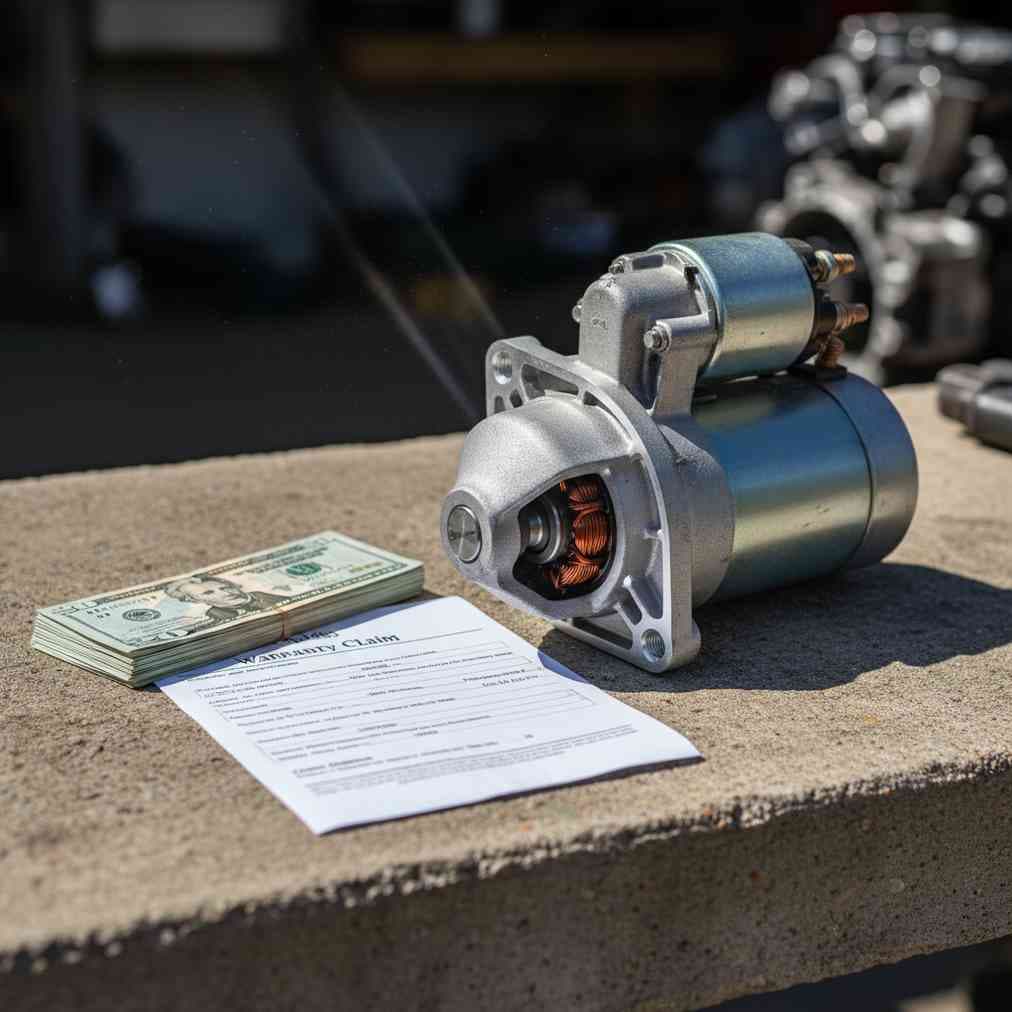
Most reputable salvage yards offer a standard 30-day warranty on mechanical parts, though some extend this to 90 days or even 6 months for specific items like used engines. However, it's important to understand that warranties typically cover only the replacement cost of the part and exclude labor charges, installation fees, towing costs, or diagnostic expenses.
Common Warranty Terms and Exclusions
Understanding what's covered—and what's not—can save you significant frustration and money. Here are the key aspects of typical junkyard warranties:
Body parts, plastics, and glass are frequently sold “as-is” with no warranty
Electrical parts often have very limited or no return policies
Warranties are voided immediately if parts are altered, painted, or modified
Improper installation or damage from overheating voids coverage
Professional installation by certified mechanics may be required to maintain warranty
What Is a Core Charge?
A core charge is essentially a deposit system used throughout the auto parts industry. CORE stands for “Cash on Receipt of Exchange,” and it serves as both an environmental initiative and a business practice that benefits both salvage yards and customers.
The primary purposes of core charges include:
Recycling and rebuilding: Ensures a steady supply of parts for remanufacturing
Environmental responsibility: Reduces landfill waste by encouraging part returns
Cost reduction: Helps keep used part prices lower for consumers
Raw material recovery: Valuable metals and materials can be recycled
Typically, you'll encounter core charges on parts like alternators, starters, water pumps, and other rebuildable parts. The charge is refunded when you return your original part, usually within 30 days, though some yards require returns within 7-10 days.
Step-by-Step Guide: When Your Part Fails
If you've purchased a defective part or received the wrong item, following these exact steps is crucial for a successful warranty claim or return:
Step
Action Required
Critical Notes
1. Stop Work Immediately
Cease all installation or modification attempts
Do not disassemble or alter the part—this voids warranty
2. Locate Documentation
Find your original sales receipt or invoice
No claims are processed without proof of purchase
3. Document the Issue
Take photos/videos of the defect or problem
Some yards require diagnostic reports from ASE-certified mechanics
4. Verify Part Markings
Ensure salvage yard markings are intact
Parts must be in original condition with proper identification
5. Contact the Yard
Call dedicated support number for authorization
Get RMA number or manager approval before returning
6. Follow Return Procedure
Adhere strictly to their specific instructions
May require draining fluids, original packaging, or prepaid shipping
7. Core Return (if applicable)
Return core within specified deadline
Core deadlines are often shorter than warranty periods
Understanding Refund Methods and Policies
When salvage yards do offer refunds, the method often depends on your original payment method and the yard's specific policies. Here's what to expect:
Cash purchases: Often refunded as store credit or company check
Credit card payments: Usually refunded to the original card
Check payments: May be issued as store credit
Restocking fees: Can range from 25% to 50% if you ordered incorrectly
Many yards prefer to offer exchanges rather than cash refunds, especially for mechanical parts that fall within the warranty period. This approach helps maintain customer relationships while managing inventory turnover.
Industry Statistics and Common Practices
Based on industry data and salvage yard practices across the country, certain patterns emerge that can help you set proper expectations:
30-day warranties are the most common standard for mechanical parts
120-day extended warranties are available at some yards for additional fees
Core return windows typically range from 10-30 days
Major chains like LKQ Pick Your Part often have more standardized policies
Smaller independent yards may offer more flexible, personalized service
The rise of AI and data science trends is also helping salvage yards better track inventory, predict part failure rates, and optimize their warranty policies based on historical performance data.
Best Practices for Protecting Your Purchase
To maximize your chances of successful warranty claims and returns, follow these professional recommendations:
Inspect parts thoroughly before leaving the yard
Keep all documentation in a safe, accessible place
Take photos of the part's condition upon purchase
Understand the specific warranty terms before buying
Ask about extended warranty options for expensive parts
Verify compatibility with your vehicle before installation
When buying from self-service yards, remember that you're responsible for part removal and testing. This means the warranty period often starts from your purchase date, not installation date.
Special Considerations for Different Part Types
Different categories of auto parts have varying warranty expectations and failure rates:
Mechanical Parts: Engines, transmissions, and differentials typically carry the longest warranties but also the strictest installation requirements. Many yards require professional installation to maintain warranty coverage.
Electrical Parts: Often sold with minimal or no warranty due to their sensitive nature and difficulty in testing. Items like used AC compressors fall into this category.
Body Parts: Typically sold “as-is” since condition is visually apparent. However, some yards may accept returns for incorrect fitment if the error was on their part.
When to Consider Professional Help
For expensive or complex parts, consider having a professional mechanic inspect the part before installation. This can help you:
Identify potential issues before installation
Maintain warranty coverage through proper installation
Get documentation for warranty claims if needed
Avoid costly diagnostic fees later
Some salvage yards maintain relationships with local mechanics who are familiar with their warranty policies and can provide the necessary documentation for claims.
The Future of Salvage Yard Warranties
As the automotive industry evolves, particularly with the rise of electric vehicles, salvage yard warranty policies are adapting. Machine learning projects are helping yards better predict part reliability and adjust warranty terms accordingly.
Modern salvage yards are increasingly using technology to track part performance, customer satisfaction, and failure rates. This data-driven approach is leading to more accurate warranty periods and better customer protection.
Making the Most of Your Salvage Yard Experience
Understanding return policies is just one aspect of successful salvage yard shopping. Whether you're looking for reliable used alternators or planning to sell your junk car for cash, knowledge of warranty terms and return procedures will serve you well.
Remember that salvage yards are businesses that want satisfied customers. Most reputable yards will work with you to resolve legitimate issues, especially if you follow their procedures and maintain proper documentation. By understanding these policies upfront, you can shop with confidence and protect your investment in used auto parts.
The key to success lies in preparation, documentation, and communication. Whether you're dealing with a large chain or a local family-owned yard, these principles will help ensure a positive outcome when issues arise with your purchased parts.