Understanding Ferrous vs. Non-Ferrous Metals: The Foundation of Profitable Scrapping The key to maximizing your scrap metal profits lies in understanding the fundamental difference between ferrous and non-ferrous metals. This distinction can mean the difference between earning pennies or dollars per pound for your materials. Ferrous metals contain iron and are magnetic, making them easy [...]
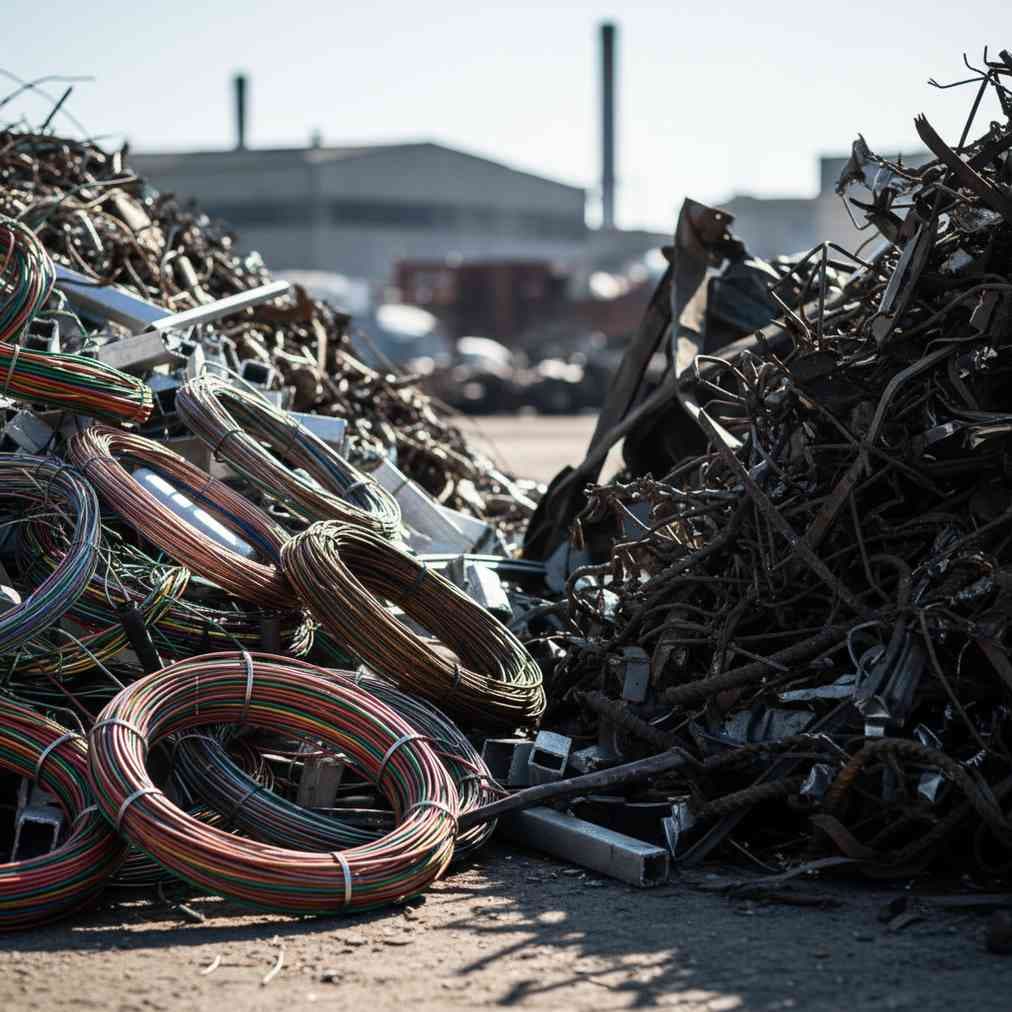
Article image
Understanding Ferrous vs. Non-Ferrous Metals: The Foundation of Profitable Scrapping
The key to maximizing your scrap metal profits lies in understanding the fundamental difference between ferrous and non-ferrous metals. This distinction can mean the difference between earning pennies or dollars per pound for your materials.
Ferrous metals contain iron and are magnetic, making them easy to identify with a simple magnet test. These include steel, cast iron, and wrought iron. While abundant, they typically fetch much lower prices due to their commonality and the ease of producing them from ore.
Non-ferrous metals contain little to no iron and are generally non-magnetic. These include copper, aluminum, brass, lead, zinc, and certain grades of stainless steel. They command significantly higher prices because they're rarer, have high manufacturing demand, and maintain quality through multiple recycling cycles.
Metal Type
Examples
Price Range per Pound
Magnetic Properties
Ferrous
Steel, Cast Iron, Wrought Iron
$0.05-$0.08
Magnetic
Non-Ferrous
Copper, Aluminum, Brass
$0.40-$3.00+
Non-Magnetic
The Critical Importance of the Magnet Test
The magnet test is your most valuable tool for quick metal identification. This simple technique can save you from costly mistakes that could reduce your entire load's value to the lowest common denominator.
To perform the test, use any strong magnet and touch it to the metal surface. If it sticks firmly, you're dealing with ferrous metal. If it doesn't stick or pulls away easily, it's likely non-ferrous and potentially much more valuable.
Important note: Some forms of stainless steel may be ferrous but non-magnetic due to their crystalline structure. When in doubt, remember that only ferrous metals will rust over time.
How Scrap Yards Price Different Metals
Understanding current market prices helps you prioritize your sorting efforts. According to industry data, here's what you can expect to earn per pound in today's market:
Metal
Approximate Price per Pound (2025)
Value Category
Copper
$3.50 – $3.70
Highest Value
Brass
$2.20 – $2.95
High Value
Aluminum
$0.55 – $0.80
Medium Value
Stainless Steel
$0.30 – $0.52
Low-Medium Value
Iron/Steel (Ferrous)
$0.06 – $0.09
Lowest Value
As you can see, copper commands the highest prices, followed by brass and aluminum. This pricing structure makes proper sorting absolutely crucial for maximizing your returns.
Extracting Maximum Value from Junk Cars
Junk cars represent one of the best sources for valuable scrap metal, but only if you know where to look and how to properly separate the materials. If you're considering selling your entire vehicle, you can get an instant quote for your junk car to compare against the value of parting it out yourself.
High-Value Copper Sources
Copper is the crown jewel of automotive scrap metal. Industry experts recommend focusing on these copper-rich areas:
Wiring harnesses: Found throughout the vehicle's electrical system
Alternator and starter windings: Require disassembly but contain high-grade copper
Radiator tubes: Often mixed with aluminum fins
Electric motor windings: From various automotive motors
Pro Tip: Stripping insulation from copper wire can nearly double your return per pound, increasing value from approximately $1.70 to $3.20 for bare bright copper.
Aluminum Goldmines
Aluminum parts are lighter but still valuable. Focus on:
Wheels and rims: High-value aluminum alloy
Engine parts: Cylinder heads, intake manifolds
Radiator fins: Separate from copper tubes
Transmission cases: Often aluminum in newer vehicles
Detailed Separation Guide by Vehicle Part
Vehicle Part
Primary Metal
Preparation Tips
Value Grade
Wiring/Harnesses
Copper
Strip plastic insulation for “Bare Bright” grade
Highest
Wheels/Rims
Aluminum
Remove steel brake parts and valve stems
High
Radiators
Copper & Aluminum
Separate copper tubes from aluminum fins
High
Alternators/Starters
Copper & Aluminum
Disassemble to separate copper windings
High
Brass Fittings
Brass
Remove from plumbing and connections
High
Body/Frame
Steel
Remove non-metal attachments
Low
Professional Preparation Techniques for Maximum Payout
Proper preparation can increase your payout by 20-40% according to scrap metal sorting experts. Here's how to prepare your materials like a professional:
Cleanliness Standards
Remove all contamination: Dirt, rust, paint, plastic, rubber, and grime reduce value significantly
Degrease metal parts: Oil and grease can lead to grade downgrades or rejection
Keep materials dry: Moisture adds unwanted weight and can cause corrosion
Use appropriate cleaning tools: Wire brushes, degreasers, and solvent wipes
Wire Stripping Best Practices
For copper wire, proper stripping technique is crucial:
Use proper tools: Wire strippers, utility knives, or specialized stripping machines
Never burn insulation: Charred copper receives lower grades and burning may be illegal
Sort by wire gauge: Different thicknesses may have different copper content
Remove all foreign materials: Ensure bare bright copper is completely clean
#1 Copper: Clean, uncoated, unalloyed copper wire and pipe
#2 Copper: Mixed copper with minor contamination or alloys
Insulated Wire: Copper wire with intact insulation
Clean Aluminum: Free of attachments, paint, and other metals
Dirty Aluminum: Mixed with steel or other contaminants
Advanced Sorting Strategies
Beyond basic ferrous/non-ferrous separation, advanced sorting techniques can boost profits even further:
Volume and Timing Considerations
Accumulate volume: Larger quantities often receive better pricing
Monitor market prices: Metal prices fluctuate daily
Build relationships: Regular customers often get preferential treatment
Call ahead: Confirm current pricing and acceptable grades
Transportation and Handling
Efficient transportation saves money and time:
Use appropriate containers: Label by metal type and grade
Secure loose materials: Prevent mixing during transport
Plan efficient routes: Visit multiple junkyards near me to compare prices
Bring accurate scales: Verify weights and calculations
Market Trends and Opportunities
The scrap metal industry is experiencing significant changes in 2025. Industry trends show increasing demand driven by supply chain disruptions and green energy initiatives, making scrap metal recycling more profitable than in previous years.
Key market drivers include:
Electric vehicle growth: Increased demand for copper and aluminum
Infrastructure projects: Government spending driving steel demand
Renewable energy: Solar and wind projects requiring various metals
Supply chain resilience: Companies prioritizing local recycling sources
Safety and Legal Considerations
Professional scrap metal sorting requires attention to safety and legal requirements:
Personal protective equipment: Gloves, safety glasses, and steel-toed boots
Proper lifting techniques: Use mechanical aids for heavy materials
Environmental compliance: Follow local regulations for fluid disposal
Documentation: Keep records of sources and transactions
Common Mistakes to Avoid
Avoid these costly errors that can significantly reduce your profits:
Mixing metal types: Contaminated loads receive the lowest price
Inadequate cleaning: Dirty metals are heavily discounted
Poor timing: Not monitoring market price fluctuations
Improper storage: Allowing metals to deteriorate or become contaminated
Incomplete separation: Leaving valuable metals mixed with low-value materials
Maximizing Your Scrap Metal Profits: Final Recommendations
Success in scrap metal sorting comes down to systematic approach and attention to detail. Complete guides to selling scrap metal consistently emphasize these key principles:
Action Step
Implementation
Expected Impact
Magnet Testing
Separate all ferrous from non-ferrous
Prevents undervaluation
Thorough Cleaning
Remove all contamination
Maximizes grade classification
Detailed Sorting
Separate by metal type and grade
15-40% increase per grade
Wire Stripping
Remove all insulation from copper
Nearly doubles copper value
Volume Accumulation
Collect larger quantities before selling
Better negotiating position
Relationship Building
Develop regular buyer relationships
Preferential pricing and information
By implementing these strategies systematically, you can transform what might seem like worthless junk into a profitable venture. Remember that proper sorting techniques are the foundation of success in the scrap metal business.
The key to long-term success lies in treating scrap metal sorting as a skilled trade rather than simply hauling junk. With proper knowledge, preparation, and execution, you can consistently achieve maximum profits from your scrap metal endeavors.