The Core Safety Controversy: Understanding Used Airbag Risks The safety of used airbags remains one of the most debated topics in automotive repair. While some industry segments view never-deployed Original Equipment Manufacturer (OEM) parts from certified recyclers as cost-effective alternatives, safety regulators and experts strongly favor new OEM replacement parts installed professionally. The central question [...]
Article image
The Core Safety Controversy: Understanding Used Airbag Risks
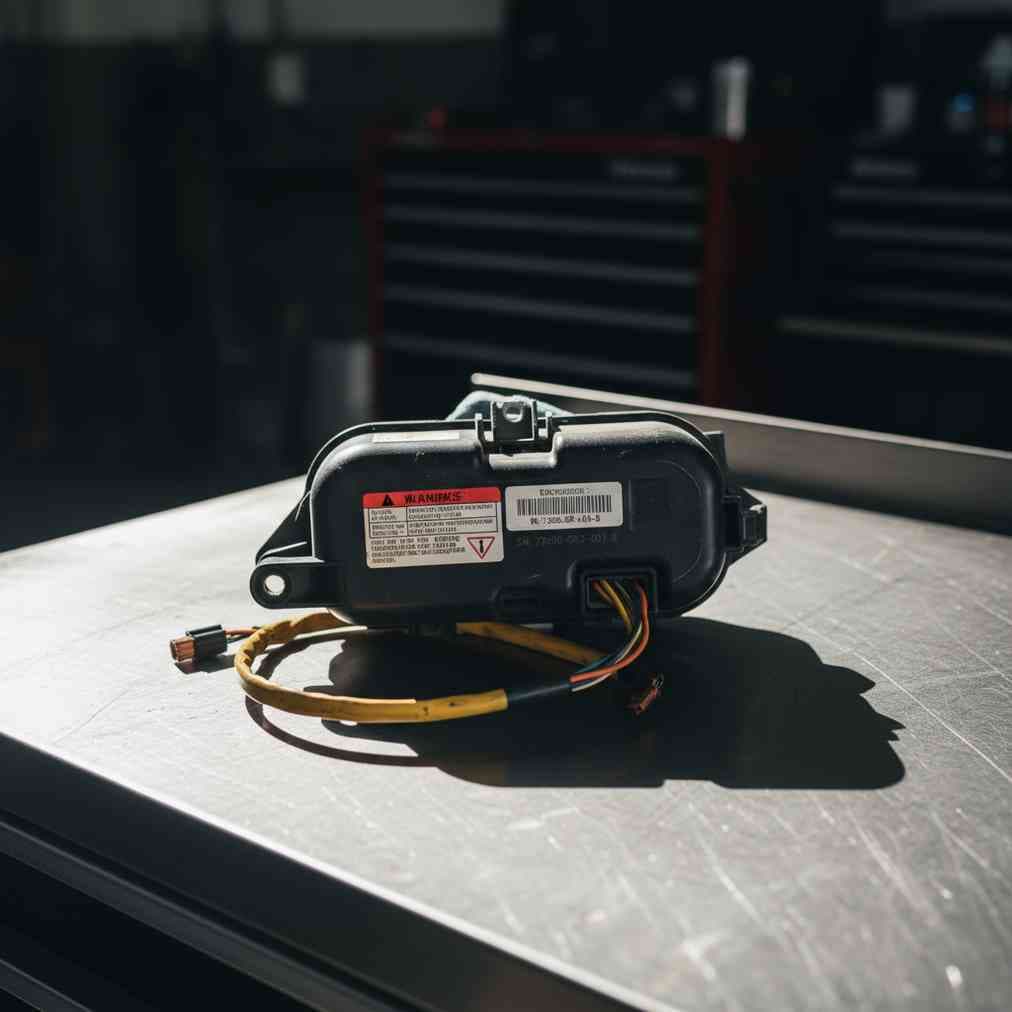
The safety of used airbags remains one of the most debated topics in automotive repair. While some industry segments view never-deployed Original Equipment Manufacturer (OEM) parts from certified recyclers as cost-effective alternatives, safety regulators and experts strongly favor new OEM replacement parts installed professionally.
The central question revolves around whether a used airbag module removed from a salvaged vehicle that never deployed its safety system retains its full, original safety capability. Understanding the facts and risks is crucial for making informed decisions about airbag replacement.
Current Safety Standards and NHTSA Guidelines
The National Highway Traffic Safety Administration (NHTSA) serves as the primary authority overseeing vehicle safety standards in the United States. Their stance on airbag replacement provides critical guidance for consumers.
Gold Standard: New OEM airbags purchased through authorized dealerships guarantee maximum safety
Federal Requirements: No federal law requires dealers to replace deployed airbags before selling used vehicles, though state laws may vary
Single-Use Design: Airbags must be replaced after deployment as they're designed for one-time use only
In 2024 alone, at least three people were killed and two seriously injured due to faulty aftermarket inflators, highlighting the critical importance of using legitimate replacement parts.
Understanding Recycled OEM Airbags vs. Counterfeit Parts
Not all used airbags carry the same level of risk. The automotive recycling industry makes important distinctions between different types of replacement airbags.
Airbag Type
Safety Level
Recommendation
New OEM from Dealership
Highest
Strongly Recommended
Never-Deployed OEM from Certified Recyclers
Moderate Risk
Proceed with Caution
Aftermarket/Third-Party
High Risk
Avoid
Counterfeit
Extremely Dangerous
Never Use
The Automotive Recyclers Association (ARA) argues that never-deployed, genuine OEM airbags from certified resellers represent a legitimate, cost-effective alternative. However, this comes with significant caveats regarding proper inspection and professional installation.
Critical Parts of the Supplemental Restraint System (SRS)
Understanding the complexity of modern airbag systems helps explain why used airbag safety is such a concern. The Supplemental Restraint System consists of multiple interconnected parts that work together:
Airbag Module: Contains the cushion and inflator mechanism
Inflator: Houses chemical propellant that rapidly produces deployment gas
Impact Sensors: Detect collision force and trigger deployment signals
Airbag Control Unit (ACU): The system “brain” that processes sensor data
Wiring and Connectors: Electrical pathways connecting all system parts
Seat Belt Integration: Modern systems include pretensioners and belt sensors
When sourcing parts from salvage yards near me, understanding these interconnected systems becomes crucial for safety assessment.
Visual Inspection Checklist for Used Airbag Modules
The primary risk with used airbags stems from unknown history and potential damage from moisture, corrosion, or impact that compromises the chemical inflator or electronics. Here's a comprehensive inspection guide:
Even legitimate used airbags pose significant risks when improperly installed. The consequences of incorrect installation can be catastrophic:
Incomplete Deployment: Airbag may not deploy fast enough, leading to occupant impact with steering wheel or dashboard
Accidental Activation: Incorrect wiring can cause deployment while driving, creating extreme danger
Explosive Failure: Counterfeit parts may explode, ejecting shrapnel instead of providing cushioning
System Disablement: Wiring mismatches can trigger error codes that disable the entire SRS system
Legal Liability: Improper replacement can result in denied insurance claims and potential legal consequences
“Airbags must be installed by certified professionals at authorized service centers. The precision required for proper installation cannot be overstated – lives depend on getting it right.”
Professional Installation: Non-Negotiable for Safety
Regardless of whether you choose new or used airbags, professional installation remains absolutely critical. Certified technicians provide:
Rigorous training and documented procedures
Precise tools meeting manufacturer specifications
Complete system scans and sensor calibration
Verification of proper deployment functionality
Warranty coverage for installation work
DIY airbag installation is never recommended due to the complex electrical systems and potential for accidental deployment during installation.
Legal and Insurance Implications
The decision to use used airbags extends beyond immediate safety concerns to legal and financial implications:
Insurance Claims: Some insurers may deny claims involving improperly installed safety equipment
State Regulations: Various states have different requirements for airbag disclosure and replacement
Liability Issues: Vehicle owners may face legal responsibility if non-OEM airbags cause injury
Resale Value: Vehicles with questionable safety equipment may have reduced market value
Before making any decisions about airbag replacement, consider consulting with legal and insurance professionals to understand your specific obligations and risks.
When Used Airbags Might Be Considered
Despite the risks, there are limited circumstances where recycled OEM airbags might be considered:
Financial constraints make new OEM parts impossible
Parts sourced from ARA-certified recyclers with documentation
Never-deployed modules with verified history
Professional installation and system verification guaranteed
Complete understanding and acceptance of increased risk
Even under these conditions, the recommendation remains strongly in favor of new OEM parts whenever financially feasible.
The Economics of Airbag Replacement
Cost considerations often drive the decision to consider used airbags. Understanding the full financial picture helps make informed choices:
Option
Typical Cost Range
Risk Level
New OEM Airbag + Installation
$1,500 – $3,000
Lowest
Certified Used OEM + Installation
$800 – $1,500
Moderate
Total Vehicle Replacement
Varies by Vehicle
Alternative to Consider
For older vehicles with lower market values, selling your junk car for cash and purchasing a replacement vehicle might prove more economical than expensive airbag replacement.
Advanced Safety Considerations
Modern vehicles incorporate increasingly sophisticated safety systems that extend beyond basic airbag functionality. These advanced data systems create additional complications for used airbag installation:
Multi-Stage Deployment: Modern airbags adjust deployment force based on crash severity
Side-Impact Protection: Curtain and side airbags require additional calibration
Integration Complexity: Electronic stability control and other systems interact with airbag deployment
These sophisticated systems make proper diagnosis and repair increasingly complex, further emphasizing the importance of professional service.
Environmental and Recycling Considerations
The automotive recycling industry plays a crucial role in environmental sustainability. Certified recyclers provide important services:
Proper disposal of hazardous materials
Reduction of manufacturing demand through parts reuse
Environmental compliance with disposal regulations
Documentation and traceability of recycled parts
When considering used airbags, working with certified automotive recyclers ensures proper environmental handling while maintaining some level of quality assurance.
Making the Final Decision: Safety First
The question “Are used airbags safe?” doesn't have a simple yes or no answer. The safety of used airbags depends on multiple factors:
Source credibility: Certified recyclers vs. unknown sources
Part history: Never-deployed vs. unknown deployment status
Installation quality: Professional vs. DIY installation
System integration: Complete vs. partial system replacement
Ongoing maintenance: Regular system checks vs. install-and-forget
The overwhelming consensus from safety experts remains clear: new OEM airbags installed by certified professionals provide the highest level of protection. While used airbags from reputable sources may offer a compromise solution in specific circumstances, they should never be considered equivalent to new parts in terms of safety assurance.
“When it comes to safety equipment that protects your life and the lives of your passengers, cutting corners on cost can have irreversible consequences. The peace of mind that comes with new, properly installed safety equipment is invaluable.”
For vehicle owners facing airbag replacement decisions, the recommendation remains consistent: prioritize safety over cost savings, work with certified professionals, and never compromise on the integrity of life-saving safety systems. While ongoing research continues to improve automotive safety technologies, current best practices clearly favor new OEM replacement parts for maximum protection.
Remember that airbags are just one part of a comprehensive vehicle safety system. Regular maintenance, proper seat belt use, and safe driving practices all contribute to overall road safety. When in doubt about any safety-related automotive decision, consult with certified professionals who can provide guidance based on your specific situation and the latest safety standards.