Cost Savings Make Used Alternators an Attractive Option When your alternator fails, the financial impact can be significant. A new alternator typically costs between $300 to over $1,000, making it one of the more expensive automotive repairs. In contrast, used alternators from junkyards range from $50 to $200, offering substantial savings for budget-conscious vehicle owners. [...]
Article image
Cost Savings Make Used Alternators an Attractive Option
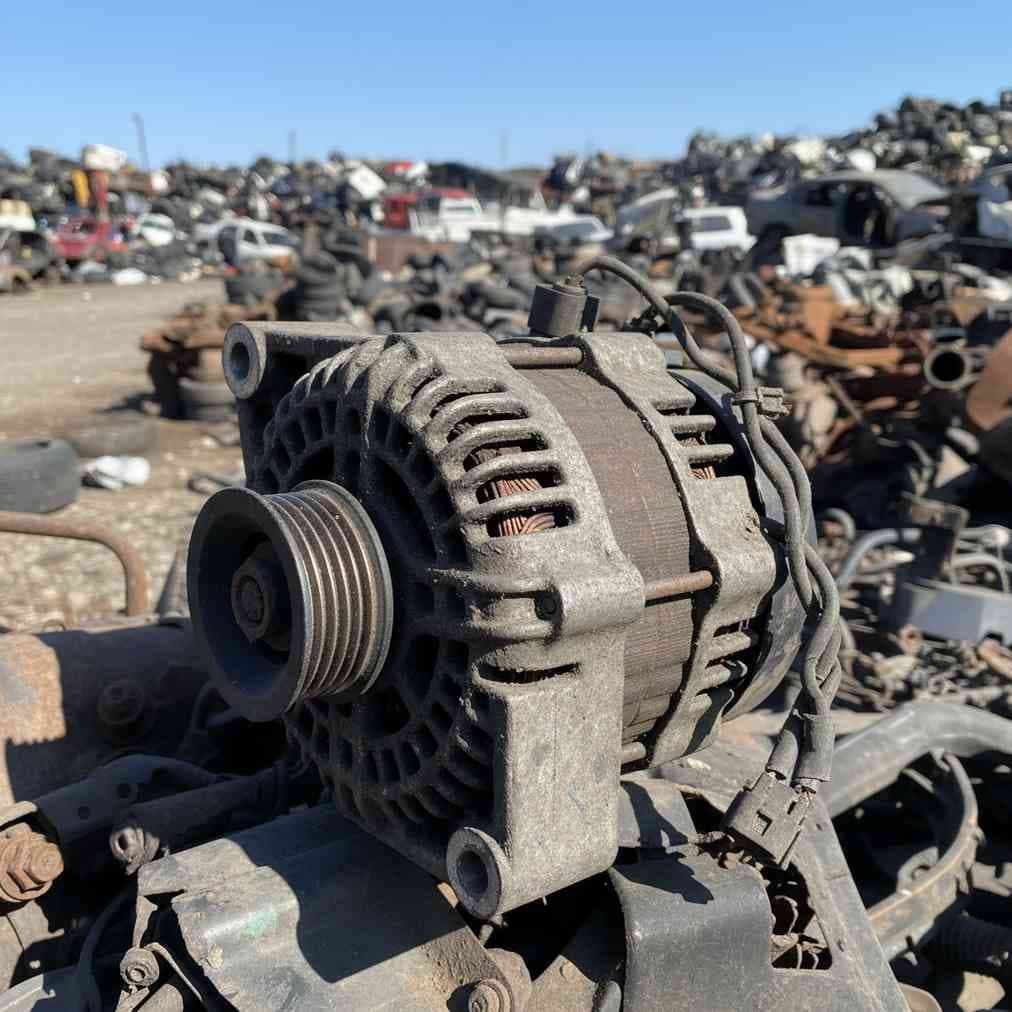
When your alternator fails, the financial impact can be significant. A new alternator typically costs between $300 to over $1,000, making it one of the more expensive automotive repairs. In contrast, used alternators from junkyards range from $50 to $200, offering substantial savings for budget-conscious vehicle owners.
These cost savings become particularly appealing for owners of older vehicles where investing in expensive new components might not justify the car's remaining value. Many car enthusiasts have discovered that knowing when to buy used auto parts can significantly reduce maintenance costs while keeping their vehicles operational.
Alternator Type
Price Range
Typical Warranty
Used/Junkyard
$50 – $200
30 days or less
Rebuilt/Remanufactured
$150 – $400
1 year or more
New OEM
$300 – $1,000+
2+ years
Understanding Alternator Lifespan and Performance
The average alternator lifespan ranges from 7 to 10 years or 80,000 to 150,000 miles, depending on driving conditions and maintenance practices. This longevity makes used alternators potentially viable, especially when sourced from lower-mileage vehicles.
According to automotive forum discussions, an alternator from a vehicle with under 50,000 miles could potentially last another 3-5 years with proper maintenance. However, the remaining lifespan varies significantly based on the original vehicle's maintenance history and operating conditions.
Climate factors: Extreme temperatures can reduce alternator lifespan
Driving habits: Short trips and frequent starts stress the charging system
Maintenance history: Regular belt replacements and clean connections extend life
If you're experiencing charging issues, learning how to tell if your alternator is going bad can help you determine whether replacement is necessary before visiting the junkyard.
Essential Testing Methods for Junkyard Alternators
Before purchasing a used alternator, thorough testing is crucial to avoid disappointment. Professional testing methods can help identify potential issues before you invest in a questionable part.
Visual Inspection Checklist
Corrosion check: Look for excessive rust or white/green corrosion on terminals
Physical damage: Inspect for cracks in the housing or bent components
Oil contamination: Check for signs of oil or coolant leaks
Wire condition: Examine all visible wiring for fraying or damage
Pulley test: Ensure the pulley spins smoothly without excessive play
Electrical Testing Procedures
Using a multimeter, you can perform several tests to verify alternator functionality:
Diode testing: Check for proper current flow direction
Winding resistance: Verify consistent resistance across windings
Output voltage test: Should produce 13.2V to 14.7V at 2000 RPM
Load testing: Test performance under electrical demand
Many auto parts stores offer free alternator testing services, though some experts suggest these tests may not always provide complete accuracy.
Comparing Your Options: Used vs. Rebuilt vs. New
Understanding the differences between alternator options helps make informed decisions based on your budget and reliability needs. Each category offers distinct advantages and drawbacks.
OEM (Original Equipment Manufacturer)
OEM parts represent the highest quality standard, manufactured to exact vehicle specifications. While expensive, they offer the longest lifespan and best compatibility with your vehicle's electrical system.
Remanufactured Alternators
Remanufactured units undergo complete disassembly, cleaning, inspection, and restoration to OEM standards. According to automotive experts, quality remanufactured alternators can be “essentially as good as new” while costing significantly less.
“Remanufactured is just as good as new at a fraction of the price. They take everything apart, clean it, test it, and make sure it conforms to OEM specifications or better.”
Rebuilt Alternators
Rebuilt alternators typically involve replacing only obviously failed components. Quality varies significantly depending on the rebuilder's standards and expertise, making them less predictable than remanufactured units.
Environmental Benefits and Sustainability
Choosing used alternators contributes to environmental sustainability by reducing manufacturing demands and waste. Buying recycled auto parts saves energy and raw materials required for new component production.
This environmental benefit becomes particularly significant when considering the automotive industry's resource consumption. Every reused alternator represents:
Reduced mining: Less demand for copper, aluminum, and steel extraction
Energy savings: Manufacturing new alternators requires substantial energy
Waste reduction: Prevents functional components from entering landfills
Carbon footprint reduction: Lower transportation and manufacturing emissions
Used alternator warranties vary dramatically between sellers. While reputable junkyards may offer 30-day warranties, many private sellers and smaller operations sell parts “as-is” with no guarantee.
Seller Type
Typical Warranty
Return Policy
Professional Salvage Yards
30-90 days
Usually accepted
Private Sellers
None (“as-is”)
Rarely accepted
Online Marketplaces
Varies widely
Platform dependent
To minimize risks when purchasing used alternators:
Buy from reputable sources: Establish relationships with reliable salvage yards
Document everything: Keep receipts and part information
Test immediately: Install and test within warranty periods
Have backup plans: Consider multiple sourcing options
Expert Recommendations and Best Practices
Automotive professionals offer mixed opinions on used alternators. While some mechanics prefer new or remanufactured units for reliability, others acknowledge that properly inspected used alternators can provide excellent value.
“If you properly inspect it, you can get a good, working alternator for a lesser price.”
However, contrasting viewpoints exist:
“Many junkyards won't warranty electrical parts either. The best way to replace an alternator is to spend a little extra and get a NEW one, not a rebuilt.”
The key to success lies in thorough inspection and realistic expectations. Understanding how u-pull-it junkyards operate can help you make better purchasing decisions and avoid common pitfalls.
Modern Vehicle Complexity and Alternator Integration
Today's vehicles feature increasingly complex electrical systems where alternators integrate with computer control modules and sophisticated charging management systems. This complexity can make alternator replacement more challenging than in older vehicles.
Smart charging systems: Variable voltage output based on demand
Diagnostic requirements: Professional scan tools may be necessary
Programming needs: Some alternators require ECU programming
For complex modern vehicles, consulting with professionals about car computer control modules compatibility becomes essential before installing used alternators.
Success Stories and Real-World Experiences
Many vehicle owners report positive experiences with junkyard alternators. Anecdotal evidence suggests success rates of 90% or higher when alternators are properly tested and sourced from reputable salvage yards.
Successful junkyard alternator purchases typically involve:
Thorough research: Understanding your vehicle's specific requirements
Multiple options: Having backup sources and parts available
Professional installation: Ensuring proper installation and testing
Used alternators from junkyards can be worthwhile investments for the right circumstances. With prices ranging from $50-$200 compared to $300-$1,000+ for new units, the cost savings are substantial. However, success depends heavily on careful inspection, proper testing, and realistic expectations about lifespan and warranty coverage.
For older vehicles or budget-conscious repairs, used alternators offer an environmentally friendly solution that can provide years of reliable service. Modern vehicles with complex charging systems may benefit more from remanufactured or new alternators to ensure proper integration and long-term reliability.
Ultimately, the decision should balance cost savings against reliability needs, considering factors like vehicle age, usage patterns, and financial constraints. When properly evaluated and selected, used alternators can provide excellent value while keeping your vehicle operational at a fraction of the cost of new components.