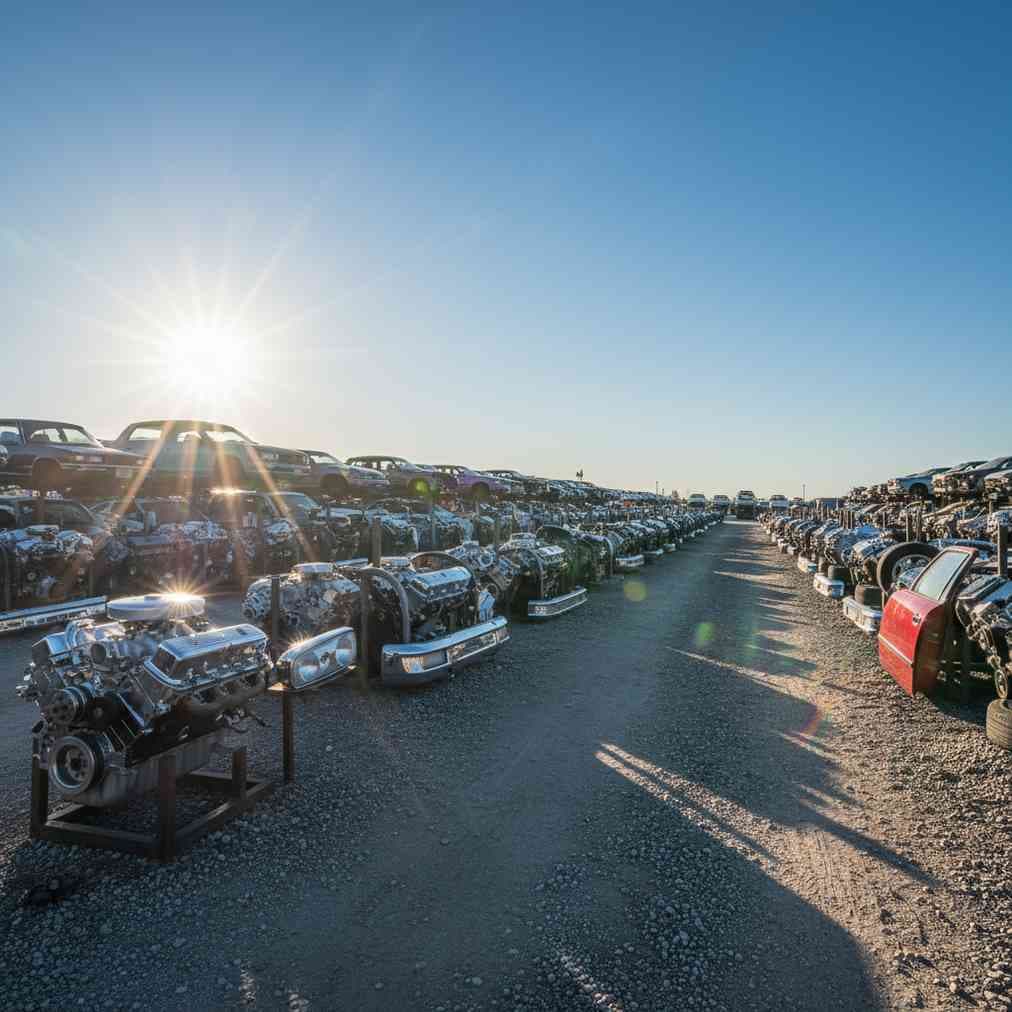
Beginner's Guide to Junkyard Etiquette and Rules Around You
Stepping into a junkyard for the first time can feel overwhelming, but with the right knowledge and preparation, it becomes an exciting treasure hunt for affordable auto parts. Whether you're a DIY mechanic, budget-conscious car owner, or restoration enthusiast, understanding proper junkyard etiquette and safety protocols is essential for a successful visit. Before You Go: [...]
Article image
Stepping into a junkyard for the first time can feel overwhelming, but with the right knowledge and preparation, it becomes an exciting treasure hunt for affordable auto parts. Whether you're a DIY mechanic, budget-conscious car owner, or restoration enthusiast, understanding proper junkyard etiquette and safety protocols is essential for a successful visit.
Before You Go: Essential Preparation
Research the Yard's Specific Rules
Every self-service junkyard operates differently. Before arriving, visit their website or call ahead to understand their policies on entry fees, payment methods, and tool restrictions. Many yards operate on a cash-only basis, so come prepared. Understanding these basic requirements will save you time and frustration at the gate.
Entry fees and payment methods accepted
What tools you can bring vs. what's prohibited
Operating hours and best times to visit
Parts removal policies and restrictions
Vehicle access requirements
Dress for Safety and Success
Safety starts with proper attire. Your clothing choices can mean the difference between a productive day and a trip to the emergency room. Professional salvage operators recommend treating every visit like you're entering an active construction zone.
Body Part
Recommended Protection
Why It's Important
Feet
Steel-toe boots or sturdy closed-toe shoes
Protects from falling parts and sharp debris
Legs
Long pants (durable material)
Shields from cuts, scrapes, and chemical exposure
Arms
Long-sleeved shirts or coveralls
Prevents abrasions and contact with fluids
Hands
Work gloves (cut-resistant preferred)
Guards against sharp edges and contamination
Eyes
Safety glasses or goggles
Protects from flying debris during removal
Essential Tools for Junkyard Success
While some yards rent basic tools, experienced mechanics recommend bringing your own toolkit for efficiency and familiarity. However, always check the yard's tool restrictions first, as many prohibit flame-based cutting tools and certain heavy equipment for safety reasons.
Socket set with various sizes
Wrenches (combination and adjustable)
Screwdrivers (flathead and Phillips)
Pliers (needle-nose and standard)
Pry bar for stubborn components
Flashlight or headlamp for dark spaces
Creeper for undercarriage access
Container or bag for small parts and hardware
Navigating the Yard: Safety and Etiquette in Action
Respect the Environment and Other Customers
Junkyard etiquette is built on mutual respect and common sense. Remember that you're sharing this space with other customers who have the same goals as you. Being courteous and mindful creates a better experience for everyone.
Give other customers plenty of space to work
Don't block aisles or vehicle access points
Ask before borrowing tools and return them promptly
Avoid damaging vehicles unnecessarily
Clean up your work area when finished
Keep noise levels reasonable
Critical Safety Protocols
Safety should never be compromised for the sake of finding a good deal. OSHA guidelines for auto recycling facilities provide a framework that customers should also follow to prevent accidents and injuries.
“The key to a successful junkyard visit is treating every situation as potentially hazardous until proven otherwise. This mindset keeps you alert and prevents most accidents before they happen.”
– Safety Expert, Auto Recycling Industry
Vehicle Stability and Structural Safety
Never enter unstable vehicles – always check support structures
Shake the vehicle gently before working underneath
Avoid climbing on stacked cars or unstable piles
Be aware of compressed springs and tensioned components
Watch for signs of structural damage that could cause collapse
Hazardous Materials Awareness
Be cautious around fluid leaks (oil, coolant, brake fluid)
Avoid contact with battery acid and other corrosive substances
Watch for asbestos in older vehicle components
Use proper disposal methods for any fluids you encounter
Wash hands thoroughly after handling any components
Disconnect battery first, then wiring and mounting bolts
Often in tight spaces – patience required
Understanding Junkyard Operations
Payment and Checkout Process
Most self-service yards operate on a straightforward pricing model, but understanding the process beforehand prevents surprises. Each facility has its own checkout procedures that you should familiarize yourself with.
Entrance fees are common and may be applied to your parts purchase
Many yards charge by part type rather than weight
Bring cash as many facilities don't accept cards
Keep track of all parts you remove for accurate checkout
Ask about warranties or return policies on purchased parts
Best Times to Visit
Timing your visit can significantly impact your success rate. Experienced junkyard visitors know that certain days and times offer better selection and less crowded conditions.
Weekday mornings typically have the best selection
Avoid weekends if you prefer less crowded conditions
New inventory often arrives on specific days – ask the staff
Weather can affect your comfort and safety – plan accordingly
Some yards offer special discount days – check their schedules
Advanced Tips for Junkyard Success
Building Relationships with Yard Staff
Junkyard employees are invaluable resources who can guide you to the right vehicles and help with difficult removals. Building positive relationships with staff members can lead to insider tips about new arrivals and hidden gems.
Be respectful and patient with staff members
Ask questions about vehicle inventory and locations
Follow all safety instructions without argument
Show appreciation for helpful assistance
Return tools promptly and in good condition
Quality Assessment Skills
Learning to quickly assess part quality will save you money and prevent future headaches. Understanding OEM vs. aftermarket parts and recognizing signs of wear or damage is crucial for making smart purchases.
Environmental responsibility is a key aspect of junkyard etiquette. Proper handling of automotive fluids protects both the environment and your health. Understanding these responsibilities makes you a better steward of shared resources.
Always drain fluids into appropriate containers
Never allow fluids to spill onto the ground
Ask staff about proper disposal methods
Wear protection when handling potentially hazardous materials
Report any significant spills to yard personnel immediately
Documentation and Legal Requirements
Some parts purchases may require documentation, especially for high-value components or items with serial numbers. Understanding these requirements prevents complications down the road.
Keep receipts for all purchases
Some states require documentation for certain parts
Catalytic converters often have special requirements
VIN numbers may be recorded for valuable components
Understand return policies before leaving the yard
Growing Trends in Junkyard Operations
Technology Integration
Modern junkyards are embracing technology to improve customer experience. The rise of electric vehicles and advanced automotive technology is changing how salvage yards operate and what parts are available.
Online inventory systems help locate specific vehicles
Mobile apps provide real-time inventory updates
Digital payment systems are becoming more common
Electric vehicle parts require specialized handling
Advanced diagnostics help assess electronic component condition
Sustainability and Recycling
The junkyard industry plays a crucial role in automotive sustainability. Understanding the environmental benefits of buying used parts helps justify your choice both economically and ecologically.
“Auto recycling prevents millions of tons of materials from entering landfills each year. Every used part purchased is a vote for environmental sustainability and resource conservation.”
Know when to stop and seek professional assistance
Common Injuries and Prevention
Understanding the most common junkyard injuries helps you take appropriate preventive measures. Most accidents are preventable with proper preparation and awareness.
Injury Type
Common Causes
Prevention Strategy
Cuts and Lacerations
Sharp metal edges, broken glass
Wear gloves, move carefully, use proper lighting
Eye Injuries
Flying debris, metal particles
Always wear safety glasses when removing parts
Back Injuries
Improper lifting, overexertion
Use proper lifting technique, get help with heavy parts
Chemical Exposure
Automotive fluids, battery acid
Avoid contact, wear protection, wash immediately
Making the Most of Your Visit
Planning Multiple Projects
Maximize your junkyard investment by planning for multiple projects during a single visit. Smart customers plan ahead to make each trip as productive as possible.
Make a comprehensive parts list before arriving
Research which vehicles might have your needed parts
Consider future maintenance items while you're there
Check for wear items that might need replacement soon
Building Your Parts Knowledge
The more you understand about automotive systems, the better you'll become at finding valuable parts and avoiding problematic ones. Understanding common car problems helps you identify parts that are likely to be in good condition.
Learn which parts are interchangeable between model years
Understand common failure points for different vehicle makes
Research high-value parts that offer the best savings
Study wiring diagrams for electrical components
Learn to recognize quality differences in similar parts
Conclusion: Your Path to Junkyard Success
Mastering junkyard etiquette and safety transforms what could be an intimidating experience into an rewarding adventure. By following these guidelines, you'll not only find the parts you need at unbeatable prices, but you'll do so safely while building positive relationships with fellow enthusiasts and yard staff.
Remember that every expert was once a beginner. Start with simpler projects, learn from experienced customers, and gradually build your skills and confidence. The junkyard community is generally welcoming to newcomers who show respect for safety protocols and common courtesy.
Your first visit might feel overwhelming, but armed with this knowledge, you're prepared to navigate the experience successfully. Take your time, stay safe, and enjoy the satisfaction of finding exactly what you need while saving money and contributing to environmental sustainability through automotive recycling.