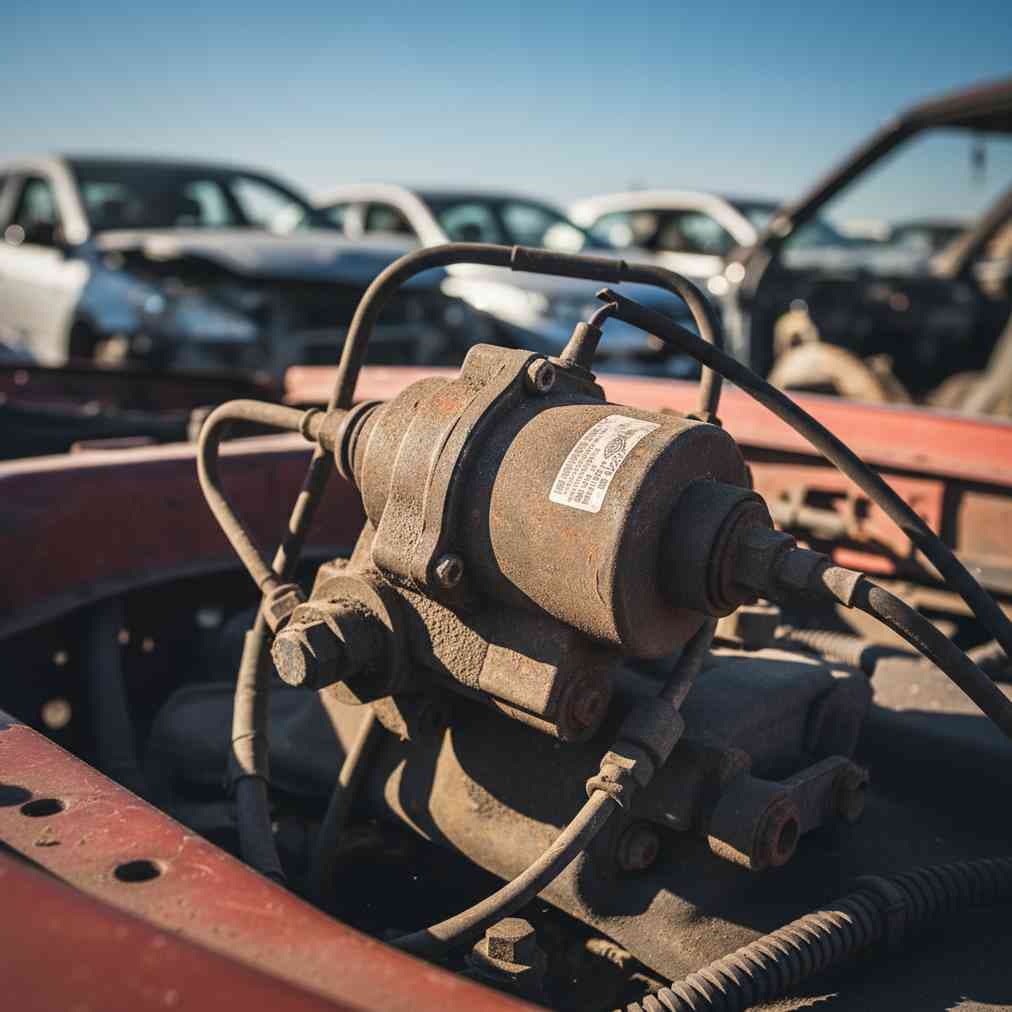
Why Choose a Used ABS Module from a Junkyard? When your vehicle's Anti-lock Braking System (ABS) module fails, the replacement cost for a new unit can be overwhelming. Purchasing a used ABS module from a junkyard can save you up to 70% compared to buying new, making it an attractive option for budget-conscious car owners. [...]
Article image
Why Choose a Used ABS Module from a Junkyard?
When your vehicle's Anti-lock Braking System (ABS) module fails, the replacement cost for a new unit can be overwhelming. Purchasing a used ABS module from a junkyard can save you up to 70% compared to buying new, making it an attractive option for budget-conscious car owners. This comprehensive guide will walk you through every aspect of buying, testing, and installing a used ABS module from salvage yards.
Understanding ABS Module Function and Importance
The ABS control module serves as the brain of your vehicle's anti-lock braking system. This critical component processes information from wheel speed sensors and controls hydraulic valves to prevent wheel lockup during emergency braking situations. Since 2004, ABS has been mandatory on all new vehicles sold in the United States, making it an integral part of modern vehicle safety systems.
The module works by constantly monitoring wheel speeds and detecting when a wheel is about to lock up. When this occurs, it rapidly pulses the brake pressure to that wheel, allowing the driver to maintain steering control while reducing stopping distance on slippery surfaces.
Common Signs Your ABS Module Needs Replacement
Before heading to the junkyard, it's crucial to confirm that your ABS module is actually failing. Here are the most common symptoms to watch for:
ABS warning light illuminated on dashboard
Traction control or stability control lights activated
Unusual brake pedal pulsation during normal braking
Unintended ABS activation when braking gently
Wheels locking up during hard braking
Spongy or unresponsive brake pedal feel
Increased braking distances
Speedometer malfunctions or erratic readings
It's important to have your vehicle properly diagnosed before purchasing replacement parts. Sometimes issues that appear to be ABS module failures can actually be caused by faulty wheel speed sensors, damaged wiring, or problems with the ABS pump. For comprehensive diagnostic guidance, check out our article on understanding car computer control modules.
Where to Find Quality Used ABS Modules
Not all sources for used ABS modules are created equal. Here's where to look for the best deals and most reliable parts:
Reputable Online Dealers
Specialized auto parts retailers like Used Auto Parts Pro offer tested modules with warranties
Premium salvage suppliers such as Premium Used Auto Parts provide quality-assured components
Visiting local junkyards allows you to physically inspect parts before purchase. Look for yards that specialize in your vehicle's make or have a good reputation for electronic components. Many yards now offer u-pull-it services where you can remove parts yourself at discounted prices.
How to Remove an ABS Module from a Salvage Vehicle
If you're planning to remove an ABS module yourself from a junkyard vehicle, follow these safety and removal procedures:
Safety Preparations
Disconnect the battery to prevent electrical damage or shock
Wear safety glasses and work gloves
Ensure the vehicle is properly supported if you need to work underneath
Have proper tools including socket sets, wire cutters, and plastic prying tools
Removal Steps
Locate the ABS module – typically found under the hood near the brake master cylinder or mounted on the firewall
Take photos of all connections before disconnecting anything
Carefully disconnect electrical connectors using proper techniques to avoid damage
If removing the hydraulic control unit, be prepared for brake fluid spillage
Remove mounting bolts and carefully extract the module
Label all components and connections for easy identification
Most used ABS modules require programming before they'll function properly in your vehicle. Here's what you need to know:
VIN Programming
Used modules typically retain the VIN (Vehicle Identification Number) from their original vehicle. This must be reprogrammed to match your vehicle's VIN for proper operation. This process requires:
Professional diagnostic equipment capable of ABS module programming
Access to manufacturer programming procedures
Proper initialization and calibration sequences
Security access codes for some vehicle brands
System Calibration
Wheel speed sensor calibration and learning procedures
Brake system baseline establishment
Integration with traction control and stability systems
Final system verification and testing
What to Look for When Inspecting Used ABS Modules
A thorough inspection process can save you from purchasing a defective module:
External Inspection Points
Case integrity with no cracks or impact damage
Connector condition with clean, undamaged pins
Mounting bracket integrity and thread condition
Part number and date code visibility and legibility
Evidence of previous repairs or modifications
Fluid-Related Checks
For hydraulic ABS units that include the pump and valve assembly:
No evidence of brake fluid leaks or crystallized residue
Clean fluid passages without contamination
Proper fluid reservoir condition
Intact seals and gaskets
Top Sources for Used ABS Modules
Finding reliable sources for quality used ABS modules requires knowing where to look:
Online Platforms
Specialized auto recyclers with testing capabilities and warranties
eBay sellers with high ratings and return policies
Manufacturer-specific parts specialists
Local dealership parts departments that handle used components
Local Resources
Established salvage yards with electronic parts specialization
Auto recycling facilities with testing capabilities
Independent shops that rebuild and resell modules
Fleet maintenance facilities disposing of serviceable units
Follow these professional recommendations for the best results:
Work with experienced professionals for programming and installation
Keep detailed records of part numbers, sources, and installation dates
Consider purchasing from sellers who offer technical support
Have a backup plan if the first module doesn't work properly
Budget for programming costs in addition to the module price
Test all related components before blaming a replacement module
“The key to successfully buying a used ABS module is thorough research, careful inspection, and working with reputable sellers who stand behind their products. Don't let the potential savings blind you to the importance of quality and compatibility.”
When to Consider Alternatives
Sometimes a used ABS module might not be the best choice:
Vehicle has repeated ABS module failures indicating underlying issues
Other brake system components are also failing
Vehicle value is very low making major repairs uneconomical
Professional rebuild services are available at competitive prices
New modules are offered at substantial discounts
For more guidance on making repair versus replacement decisions, see our article on when to buy used auto parts.
Conclusion: Making an Informed Decision
Buying a used ABS module from a junkyard can provide substantial savings while restoring critical safety functionality to your vehicle. Success depends on thorough research, careful inspection, proper compatibility verification, and professional installation with appropriate programming.
Remember that while the potential savings are significant—often 60-80% compared to new parts—the complexity of ABS systems means this isn't a simple plug-and-play replacement. Factor in programming costs, potential compatibility issues, and the limited warranty coverage when making your decision.
By following the guidelines in this comprehensive guide and working with reputable sellers and qualified technicians, you can successfully restore your vehicle's ABS functionality while keeping repair costs manageable. The key is balancing cost savings with quality and reliability to ensure safe, dependable operation of this critical safety system.