Purchasing a used differential from a junkyard can save you hundreds of dollars on automotive repairs, but success depends on knowing what to inspect before making your purchase. A differential replacement from salvage yards requires careful evaluation of gear wear, leaks, noise issues, and overall condition to ensure reliability and longevity. Understanding Differential Basics Before [...]
Article image
Purchasing a used differential from a junkyard can save you hundreds of dollars on automotive repairs, but success depends on knowing what to inspect before making your purchase. A differential replacement from salvage yards requires careful evaluation of gear wear, leaks, noise issues, and overall condition to ensure reliability and longevity.
Understanding Differential Basics Before Your Junkyard Visit
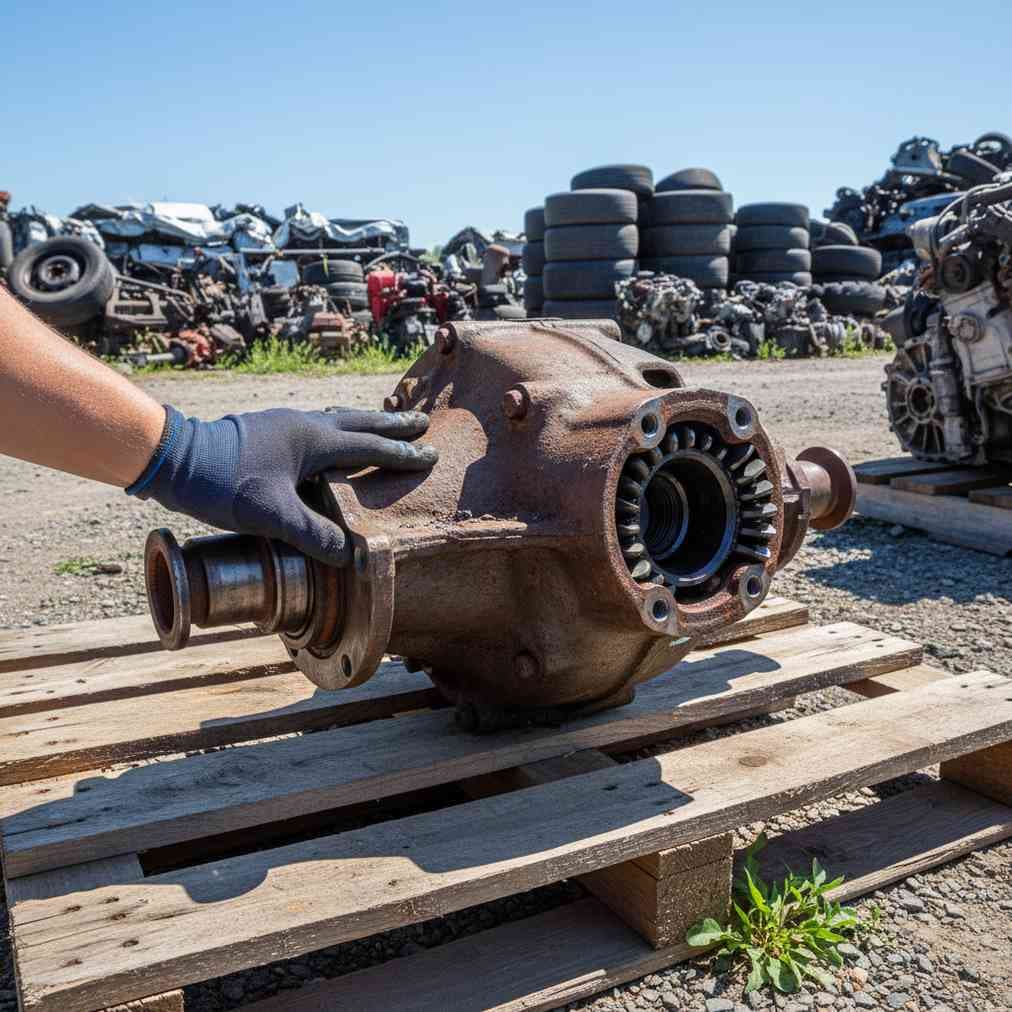
Before heading to your local salvage yard, it's essential to understand what you're looking for. A differential is a complex mechanical component that allows wheels to rotate at different speeds while turning. Most vehicles have either front-wheel drive with a transaxle differential or rear-wheel drive with a separate rear differential. Understanding your vehicle's specific requirements will help you identify the correct replacement unit.
Modern junkyards have become more organized with digital inventory systems, making it easier to locate specific differentials compared to traditional salvage operations. Many facilities now offer detailed inventory tracking that can help you identify compatible units before visiting.
Critical Inspection Points for Used Differentials
External Housing Examination
Start your inspection with the differential housing exterior. Look for obvious damage such as:
Cracks or fractures in the cast iron or aluminum housing
Bent or damaged mounting surfaces that could affect installation
Missing or damaged drain and fill plugs
Corrosion or rust that might indicate water damage
Pay special attention to the axle mounting points and driveshaft connection areas, as damage here can lead to vibration and premature failure after installation.
Gear Wear Assessment
The ring and pinion gears are the heart of any differential. Gear wear patterns tell the story of the differential's maintenance history and remaining lifespan. According to automotive experts, proper gear mesh creates uniform contact patterns, while excessive wear shows up as:
Pitting or scoring on gear tooth surfaces
Chipped or broken teeth indicating severe stress or impact
Uneven wear patterns suggesting misalignment or bearing problems
Deep scratches or gouging from metal debris circulation
– Experienced Automotive Mechanic
Leak Detection and Seal Condition
Differential leaks are common but vary in severity. During your inspection, examine all seal areas carefully:
Leak Location
Severity Level
Repair Cost
Pinion Seal
Moderate
$50-150
Axle Seals
Minor to Moderate
$40-100 each
Cover Gasket
Minor
$15-30
Housing Crack
Severe
$200-500+
Minor seepage around seals is often acceptable and can be addressed during installation, but significant fluid loss indicates more serious problems that could affect the differential's reliability.
Testing for Noise and Mechanical Issues
While comprehensive testing is difficult in a junkyard setting, you can still perform basic checks to identify potential problems. If the differential is accessible, try rotating the input shaft or axles by hand to detect:
Grinding or rough rotation indicating bearing wear
Excessive play or looseness in the gear mesh
Binding or tight spots suggesting damaged components
Metallic scraping sounds from debris or worn parts
Some differential types are particularly sought after in salvage yards due to their durability and aftermarket support. According to industry experts, these differentials represent excellent value:
Ford Super Duty Dana 60 (1999-present) – Known for strength and 1.5-inch, 30-spline axle shafts
GM 14-bolt axles – Excellent aftermarket support and robust construction
Jeep Cherokee Dana 30 (1995½-1999) – Popular for off-road applications
Toyota rear differentials – Reliable units often found in good condition
These popular units often have extensive aftermarket parts availability, making future maintenance more affordable and accessible.
Lifespan Expectations and Value Considerations
A well-maintained differential can last over 100,000 miles, but predicting the remaining lifespan of a junkyard differential requires careful assessment. Factors affecting longevity include:
Factor
Good Signs
Warning Signs
Vehicle History
Regular maintenance, highway miles
Heavy towing, off-road use
Fluid Condition
Clean, proper level
Metal particles, burnt smell
Component Wear
Even wear patterns
Excessive play, damage
Previous Repairs
Professional work, quality parts
Poor repairs, wrong parts
Understanding these factors helps you make informed decisions about which units offer the best value for your specific application and budget constraints.
Installation and Compatibility Considerations
Rear differential replacement requires matching several critical specifications to ensure proper fitment and performance:
Gear ratio – Must match existing ratio or other drivetrain components
Mounting dimensions – Bolt patterns and housing measurements
Axle shaft spline count – Typically 28, 30, or 35 splines
Brake mounting provisions – Drum or disc brake compatibility
Professional installation typically involves draining old fluid, disconnecting driveshafts and axles, and ensuring proper torque specifications during reassembly. Like other complex automotive components, proper installation is crucial for reliability and safety.
What Parts to Avoid vs. Safe Purchases
While differentials can be good junkyard purchases when properly inspected, it's important to understand what automotive experts recommend avoiding from salvage yards:
Safe to Buy Used
Use Caution
Avoid Used
Differential housings
Internal gears (inspect carefully)
Safety components (airbags, seatbelts)
Axle assemblies
Seals and gaskets
Brake pads and shoes
Drive shafts
Bearings (age dependent)
Timing belts
This guidance helps ensure you focus on components that offer genuine value while avoiding parts that could compromise safety or reliability.
Modern Junkyard Shopping Strategies
Today's salvage yards have evolved significantly from traditional junkyards. Modern facilities often feature organized inventory systems and online catalogs that make finding specific differentials much easier.
Call ahead – Many yards can check inventory before your visit
Bring tools – Basic hand tools for inspection and removal
Check multiple locations – Inventory varies significantly between yards
Ask about warranties – Some yards offer limited guarantees on drivetrain components
The rise of electric vehicles is also changing the junkyard landscape, potentially making traditional drivetrain components more scarce over time, though this remains a long-term trend rather than an immediate concern.
Cost Comparison and Value Analysis
Understanding the financial benefits of buying used differentials helps justify the inspection effort required:
Option
Typical Cost
Warranty
Availability
New Differential
$800-2000+
1-3 years
Order required
Remanufactured
$400-1200
6-12 months
Limited selection
Junkyard Unit
$100-400
30-90 days
Variable
Rebuilt (DIY)
$200-600
None
Parts dependent
These savings can be substantial, especially for older vehicles where the differential replacement cost might exceed the vehicle's value. However, factor in potential additional repairs and labor costs when making your decision.
Expert Tips for Successful Differential Purchases
Learning from experienced mechanics and salvage yard professionals can improve your success rate significantly. Video tutorials from experts like TorqueKingTV provide visual guidance on identifying good junkyard axles and differentials.
Research before visiting – Know your vehicle's specifications and compatible alternatives
Inspect thoroughly – Don't rush the evaluation process
Ask questions – Yard employees often know vehicle histories
Plan for contingencies – Budget for potential seal and bearing replacement
Consider professional inspection – A mechanic's second opinion can save money long-term
Similar careful evaluation applies to other major drivetrain components, and the same principles used for finding quality transmissions apply to differential shopping.
Installation and Break-in Procedures
Proper installation ensures maximum lifespan from your junkyard differential purchase. Key installation steps include:
Clean mounting surfaces thoroughly before installation
Replace all seals and gaskets – This prevents immediate leaks
Use proper torque specifications for all fasteners
Fill with correct fluid type – Gear oil specifications vary by application
Check fluid level after initial break-in – Typically after 500-1000 miles
Many professionals recommend changing the differential fluid again after the initial break-in period to remove any initial wear particles and ensure optimal performance moving forward.
Long-term Maintenance and Monitoring
Even a quality used differential requires ongoing attention to maximize its remaining lifespan. Establish a maintenance routine that includes:
Regular fluid level checks – Monthly for the first few months
Listen for unusual noises – Whining or grinding sounds indicate problems
Monitor for leaks – Address seal leaks promptly to prevent damage
Follow service intervals – Typically 30,000-60,000 miles for fluid changes
This proactive approach helps identify issues early, potentially preventing costly failures and extending the differential's service life well beyond initial expectations.
Making the Final Decision
Buying a used differential from a junkyard can offer significant savings when approached with proper knowledge and inspection techniques. Success depends on understanding what to look for, being realistic about potential risks, and having a plan for proper installation and maintenance.
Remember that while a junkyard differential might not last as long as a new unit, it can provide reliable service for many thousands of miles when properly selected and maintained. The key is thorough evaluation before purchase and professional installation when the complexity exceeds your mechanical abilities.
For those interested in learning more about automotive repairs and maintenance, exploring high-value auto parts available at salvage yards can provide additional cost-saving opportunities for vehicle maintenance and repairs.