Understanding ECUs and Their Critical Role An Engine Control Unit (ECU), also known as an Engine Control Module (ECM) or Powertrain Control Module (PCM), is the brain of your vehicle's engine management system. This sophisticated computer controls everything from fuel injection timing to ignition systems, making it essential for optimal vehicle performance. When your ECU [...]
Article image
Understanding ECUs and Their Critical Role
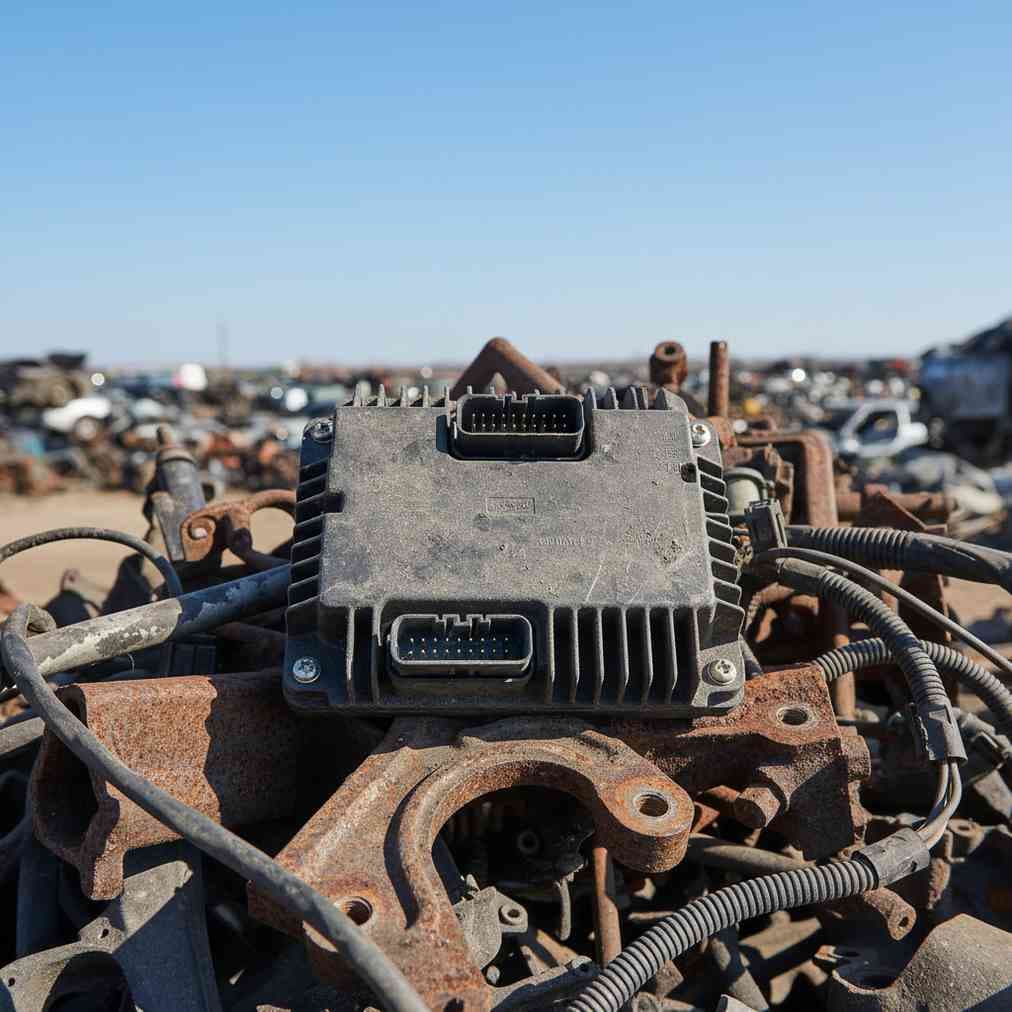
An Engine Control Unit (ECU), also known as an Engine Control Module (ECM) or Powertrain Control Module (PCM), is the brain of your vehicle's engine management system. This sophisticated computer controls everything from fuel injection timing to ignition systems, making it essential for optimal vehicle performance. When your ECU fails, you're faced with a significant repair decision that can impact both your wallet and your vehicle's functionality.
Purchasing a used ECU from a junkyard can save you 50% to 70% compared to buying new, with costs often ranging from $100-$300 versus $700 or more for new units. However, this cost-effective solution comes with important considerations that every car owner should understand before making the purchase.
The Economics of Used ECU Purchases
The financial benefits of buying a used ECU are substantial, but they come with hidden costs that buyers must factor into their decision. Much like when choosing when to buy used auto parts, timing and preparation are crucial for success.
ECU Source
Average Cost
Programming Required
Warranty
New ECU
$700-$1,500
Yes
1-2 Years
Remanufactured ECU
$400-$800
Sometimes
6-12 Months
Used ECU (Junkyard)
$100-$300
Always
30 Days (if any)
Critical Compatibility Requirements
The most crucial aspect of buying a used ECU is ensuring perfect compatibility with your vehicle. Unlike other components you might find at junkyards for various auto parts, ECUs require exact matching for successful installation.
Essential Matching Criteria
Vehicle Make and Model: Must be identical to your car
Model Year: Even one year difference can cause compatibility issues
Engine Size and Type: Different engines require different ECU programming
Part Number: The ECU part number should match exactly
Software Version: Outdated software versions may not function properly
Transmission Type: Manual vs. automatic affects ECU programming
As highlighted in professional ECM buying guides, even slight variations in these specifications can lead to engine performance issues, communication errors with other vehicle systems, or complete failure to start.
The VIN Matching Challenge
Modern vehicles integrate the Vehicle Identification Number (VIN) into the ECU's programming as an anti-theft measure. This presents one of the biggest challenges when installing a used ECU from a junkyard.
Why VIN Matching Matters
When you purchase a used ECU, it contains the VIN from its original vehicle. This creates several problems:
Immobilizer Conflicts: The ECU won't recognize your vehicle's key or security system
Communication Errors: Other modules may refuse to communicate with the “foreign” ECU
Diagnostic Issues: Scan tools may display incorrect vehicle information
Legal Concerns: Some regions require VIN matching for emissions compliance
“Unless your new ECU was programmed before it was shipped to you, it is a brick. It has to be programmed to the vehicle it is installed in.”
Automotive Technology Expert
Understanding Immobilizer Systems
Most vehicles manufactured after 1996 feature immobilizer systems as standard anti-theft protection. These systems create the most significant obstacle when installing a used ECU, similar to challenges faced when dealing with other complex electronic components like those found in car computer control modules.
How Immobilizers Affect Used ECUs
The immobilizer system stores encrypted security codes that must match between your key, the ECU, and other security modules. When you install a used ECU:
Key Recognition Failure: Your key won't be recognized by the “new” ECU
Engine Start Issues: The engine may start briefly then shut off immediately
Security Light Activation: Dashboard security warnings will illuminate
Complete Lock-out: In some cases, the vehicle won't start at all
Professional mechanics, as demonstrated in this detailed ECU programming explanation, emphasize that immobilizer systems cannot be bypassed and require proper programming tools for successful ECU replacement.
Programming and Reprogramming Requirements
Successfully installing a used ECU requires professional programming or “flashing” to integrate it with your vehicle's systems. This process involves clearing the old vehicle data and installing your car's specific parameters.
Programming Process Overview
Step
Process
Typical Cost
Time Required
1
VIN Clearing/Writing
$50-$150
30-60 minutes
2
Immobilizer Programming
$75-$200
45-90 minutes
3
Module Relearning
$25-$75
15-30 minutes
4
System Testing
Included
30-45 minutes
Programming Options
Dealership Programming: Most reliable but expensive ($200-$500)
Independent Specialist: Good balance of cost and expertise ($100-$300)
Mobile Programming Services: Convenient but limited availability ($150-$400)
DIY Programming: Requires expensive tools and technical knowledge
Physical Inspection Guidelines
Before purchasing any used ECU, thorough physical inspection is essential. Just as you would when making smart junkyard purchases, attention to detail can save you from costly mistakes.
Visual Inspection Checklist
Housing Integrity: Check for cracks, dents, or broken mounting tabs
Connector Condition: Inspect pins for corrosion, bending, or damage
Water Damage Signs: Look for water stains, corrosion, or mineral deposits
Heat Damage: Check for burnt components or discolored circuit boards
Tampering Evidence: Avoid units with broken seals or amateur repairs
Label Condition: Ensure part numbers and identifiers are readable
“If the car has an immobilizer, you will need to have the ECM programmed by the dealer or a mechanic with a high-end scan tool for the engine to start. If not, it might be plug and play.”
Professional Automotive Technician
Age-Related Considerations
The age of your vehicle significantly impacts the complexity and success rate of using a junkyard ECU. Understanding these differences helps set realistic expectations for your repair project.
Pre-1996 Vehicles
Older vehicles offer the best success rates for used ECU installations:
No Immobilizer Systems: Most lack complex security features
Generic Programming: Many used “universal” ECU programming
Simple Installation: Often truly “plug and play”
No VIN Integration: VINs weren't typically programmed into ECUs
Basic Immobilizers: Simple security systems that can often be programmed
OBD-II Compliance: Standardized diagnostics help with programming
Limited VIN Integration: Some systems require VIN matching
Moderate Programming: Usually requires professional service
2006+ Vehicles
Modern vehicles present the greatest challenges:
Advanced Security: Sophisticated immobilizer and anti-theft systems
Full VIN Integration: VIN programmed into multiple systems
Module Communication: ECUs must communicate with numerous other modules
Encryption: Advanced security protocols may prevent programming
Testing and Quality Assurance
Reputable auto recyclers test used ECUs before sale, but understanding their testing procedures helps you make informed decisions. Similar to other high-value used auto parts, ECUs require thorough evaluation before purchase.
Common Testing Methods
Test Type
What It Checks
Reliability
Power-On Test
Basic electrical function
Limited
Communication Test
Can connect to diagnostic tools
Good
Function Test
Core engine management features
Very Good
Road Test
Real-world performance
Excellent
Warranty and Return Policies
When purchasing a used ECU, warranty coverage becomes crucial given the complexity of installation and programming. As discussed in automotive community forums, having a safety net can save hundreds of dollars if the ECU proves defective.
Typical Warranty Offerings
No Warranty: “As-is” sales common at small junkyards
30-Day Limited: Basic protection against DOA (Dead on Arrival) units
90-Day Warranty: Better protection, usually from larger recyclers
1-Year Warranty: Premium option, often with remanufactured units
Communication Ability: Can connect to vehicle systems
What Warranties Don't Cover
Programming Costs: VIN matching and immobilizer programming
Compatibility Issues: Wrong ECU for your specific vehicle
Installation Labor: Mechanic fees for installation
Consequential Damage: Other vehicle damage from ECU failure
Alternative Solutions to Consider
Before committing to a used ECU from a junkyard, consider alternative solutions that might offer better value or reliability. Just as there are certain car parts you should never buy used, ECUs may fall into a gray area requiring careful consideration.
ECU Repair Services
Professional ECU repair might be more cost-effective than replacement:
Cost Range: $200-$600 depending on the problem
Advantages: No programming required, retains original VIN
Turnaround: Usually 1-3 business days
Warranty: Often 1-2 years on repairs
Remanufactured ECUs
Factory-remanufactured units offer middle-ground pricing:
Cost Range: $400-$800 plus programming
Quality: Rebuilt to OEM specifications
Warranty: Typically 12-24 months
Availability: Good for common vehicles
Pre-Programmed ECUs
Some suppliers offer ECUs programmed with your VIN:
Cost Range: $300-$600 including programming
Convenience: Plug-and-play installation
Lead Time: 1-5 business days for programming
Compatibility: Guaranteed to work with your vehicle
Step-by-Step Buying Process
Following a systematic approach increases your chances of success when buying a used ECU. This process, similar to strategies used for finding quality used auto parts, requires patience and attention to detail.
Pre-Purchase Preparation
Document Part Numbers: Record exact ECU part numbers from your vehicle
Research Programming Requirements: Understand what programming will be needed
Identify Programming Sources: Find local shops that can program ECUs
Budget Total Costs: Include ECU cost, programming, and installation
At the Junkyard
Verify Part Numbers: Confirm exact match with your requirements
Inspect Physically: Check for damage, corrosion, or tampering
Ask About Testing: Inquire about testing procedures
Negotiate Warranty: Push for at least 30-day coverage
Get Return Policy: Understand terms for returns or exchanges
Post-Purchase Steps
Schedule Programming: Book appointment with qualified technician
Prepare Vehicle: Ensure battery is fully charged and connections clean
Document Everything: Keep receipts and warranty information
Test Thoroughly: Drive vehicle through various conditions after installation
Common Problems and Solutions
Understanding potential issues helps you prepare for challenges that may arise during the ECU replacement process. Much like other complex repairs, having contingency plans can save time and money.
Problem
Cause
Solution
Prevention
Won't Start
Immobilizer mismatch
Professional programming
Verify immobilizer compatibility
Starts then dies
Security system activation
Key relearning procedure
Research security protocols
Communication errors
Wrong software version
ECU reflashing
Verify exact part numbers
Check engine light
Calibration mismatch
Parameter programming
Match engine specifications
Cost-Benefit Analysis
Before proceeding with a junkyard ECU purchase, conduct a thorough cost-benefit analysis. Consider both immediate costs and potential future expenses to make an informed decision.
Total Cost Calculation
Expense Category
Low End
High End
Notes
Used ECU
$100
$300
Varies by vehicle and availability
Programming
$100
$500
Depends on complexity and location
Installation Labor
$80
$200
If not DIY installation
Diagnostic Time
$50
$150
Troubleshooting if issues arise
Total Range
$330
$1,150
Compare to $700-$1,500 for new
Expert Recommendations
Based on industry expertise and real-world experience, here are professional recommendations for purchasing used ECUs from junkyards:
Best Candidates for Junkyard ECUs
Pre-1996 Vehicles: Highest success rate with minimal programming
Common Vehicle Models: Better availability and programming support
Non-Performance Vehicles: Standard engines with basic ECU requirements
Budget-Conscious Repairs: When new ECU cost exceeds vehicle value
Poor Candidates for Junkyard ECUs
Luxury Vehicles: Complex systems and expensive programming
High-Performance Cars: Specialized ECUs with limited availability
Vehicles with Advanced Security: Modern immobilizer systems
“Many cars manufactured before 1996 had ‘generic' ECU/PCM/ECM controllers. VIN numbers are not in play.”
Automotive Electronics Specialist
Future Technology Trends
The automotive industry's rapid technological advancement affects the viability of using junkyard ECUs. Understanding these trends helps predict future challenges and opportunities in the used ECU market.
Enhanced Cybersecurity: Stronger encryption makes programming more difficult
AI Integration: Machine learning algorithms customize ECU behavior
Blockchain Security: Immutable records of ECU programming and modifications
Impact on Used ECU Market
Increased Complexity: More sophisticated programming requirements
Limited Compatibility: Stricter VIN and security matching
Professional Dependency: Greater need for specialized programming equipment
Market Consolidation: Fewer sources for compatible used ECUs
Regional and Legal Considerations
Different regions have varying regulations regarding ECU replacement and emissions compliance. Understanding local requirements prevents legal issues and ensures proper vehicle operation.
Emissions Compliance
California (CARB) Requirements: Strict ECU replacement regulations
Federal EPA Standards: Must maintain original emissions calibration
State Inspection Programs: May require ECU VIN matching for testing
Local Regulations: City or county-specific requirements
Final Recommendations and Best Practices
Successfully purchasing and installing a used ECU from a junkyard requires careful planning, realistic expectations, and professional support. While significant savings are possible, the complexity of modern vehicle electronics makes this a challenging DIY project for most car owners.
Key Success Factors
Perfect Compatibility: Never compromise on exact part number matching
Professional Programming: Budget for proper ECU programming services
Quality Inspection: Thoroughly examine ECUs before purchase
Warranty Protection: Insist on at least 30-day warranty coverage
Realistic Budgeting: Include all costs in your decision-making