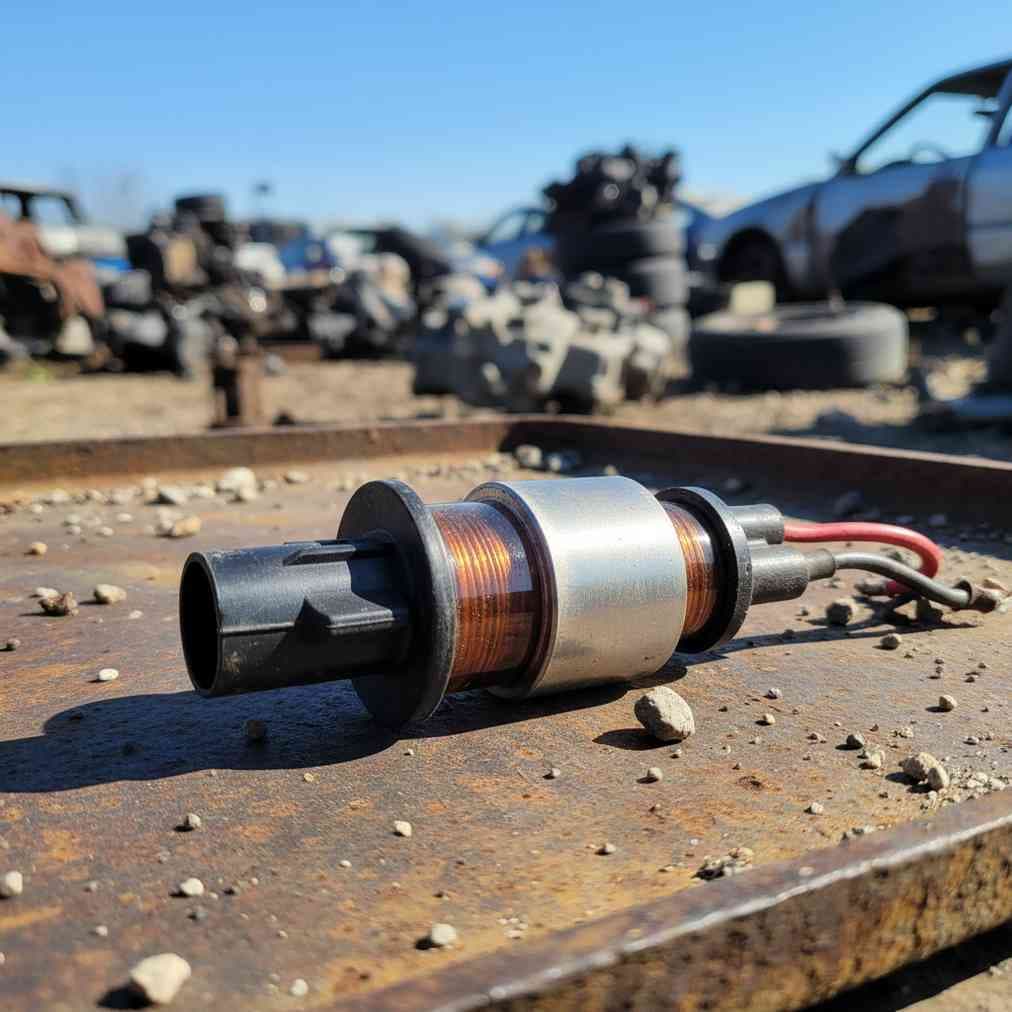
Understanding Ignition Coils and Their Critical Role Ignition coils are the unsung heroes of your vehicle's engine system, converting your car's 12-volt battery power into the high-voltage spark (typically 15,000-40,000 volts) needed to ignite the fuel-air mixture in your engine's combustion chambers. When these crucial components fail, your vehicle can experience a cascade of performance [...]
Article image
Understanding Ignition Coils and Their Critical Role
Ignition coils are the unsung heroes of your vehicle's engine system, converting your car's 12-volt battery power into the high-voltage spark (typically 15,000-40,000 volts) needed to ignite the fuel-air mixture in your engine's combustion chambers. When these crucial components fail, your vehicle can experience a cascade of performance issues that range from annoying to completely debilitating.
With new ignition coils costing between $150 and $300 (not including labor), many car owners are turning to used ignition coils from junkyards as a cost-effective alternative. However, buying used ignition coils requires careful consideration and thorough testing to ensure reliability.
Signs Your Ignition Coil Is Failing
Before heading to the junkyard, it's essential to confirm that your ignition coil is indeed the culprit. Check engine lights are often the first indicator, but several other symptoms can point to coil failure:
Engine Misfiring: Rough idle, shaking, or stuttering during acceleration
Difficulty Starting: Weak or absent spark leads to hard starts or no-start conditions
Engine Backfiring: Unburned fuel igniting in the exhaust system
Vehicle Stalling: Irregular sparks causing engine shutdown, especially at lower speeds
Reduced Power and Fuel Economy: Incomplete combustion resulting in sluggish performance
Fuel Smell from Exhaust: Rich fuel mixture from misfires creating noticeable odors
Common Causes of Ignition Coil Failure
Understanding why ignition coils fail can help you make better decisions when shopping for used auto parts. The most common failure causes include:
Cause
Description
Prevention
Worn Spark Plugs
Forces coils to work harder, increasing failure risk
Regular spark plug maintenance at recommended intervals
Electrical Issues
Bad grounds, weak batteries, or faulty alternators
Maintain proper electrical system health
Heat and Vibration
Prolonged exposure degrades coils over time
Ensure proper engine mounting and cooling
Moisture Contamination
Oil or coolant leaks causing shorts and corrosion
Address leaks promptly and keep connections clean
Normal Wear
Insulation degradation leading to overheating
Replace at manufacturer intervals (~50,000 miles)
Testing a Used Ignition Coil Before Purchase
As experts on automotive forums often note, ignition coils are typically “binary” components – they either work or they don't. However, thorough testing is crucial before making a purchase. Here's how to properly test a used ignition coil:
Visual Inspection
Check for Physical Damage: Look for cracks, burn marks, or melted plastic
Inspect Connectors: Ensure terminals are clean and free from corrosion
Examine the Boot: Check for tears or damage that could allow moisture intrusion
Verify Part Numbers: Confirm exact compatibility with your vehicle
Multimeter Testing
A digital multimeter is essential for testing used ignition coils. Follow these steps for accurate readings:
Primary Resistance Test: Set multimeter to ohms (Ω), connect probes to primary terminals. Healthy readings typically range between 0.4-2 ohms
Secondary Resistance Test: Connect one probe to primary terminal, other to output terminal. Good coils read 6,000-10,000 ohms (some sources suggest 7,500-10,500 ohms)
Consult Vehicle Manual: Resistance specifications vary significantly between makes and models
Spark Test
If multimeter readings are within specification but you still have concerns, perform a spark test:
Install the coil temporarily in your vehicle
Connect a spark tester to the coil output
Crank the engine and observe the spark quality
Look for a strong, consistent blue spark
OEM vs. Aftermarket: Making the Right Choice
When shopping for used ignition coils, understanding the difference between OEM and aftermarket parts is crucial for making an informed decision.
OEM (Original Equipment Manufacturer) Coils
Exact Specifications: Manufactured to precise vehicle requirements
Guaranteed Fit: No compatibility issues with connectors or mounting
Superior Quality: Built to original standards with proven materials
Longer Lifespan: Typically more durable than aftermarket alternatives
Higher Cost: Generally more expensive, even when used
Aftermarket Coils
Variable Quality: Ranges from excellent to poor depending on manufacturer
Cost-Effective: Usually less expensive than OEM parts
Research Required: Must verify brand reputation and compatibility
Potential Issues: Cheaper versions may fail prematurely
Expert Tip: When buying used, prioritize OEM parts whenever possible. The proven reliability and exact fit make them worth the potential extra cost, especially considering the common car problems that can result from subpar ignition components.
Where to Find Quality Used Ignition Coils
Not all junkyards are created equal when it comes to high-quality auto parts. Here are the best sources for used ignition coils:
Reputable Salvage Yards
Pull-A-Part Locations: Nationwide chain with standardized quality processes
LKQ Pick Your Part: Large inventory with organized sections
Local Auto Recyclers: Often have detailed knowledge of their inventory
Specialized Import Yards: For foreign vehicle brands
While used ignition coils can offer significant savings, certain situations call for new parts:
Situation
Recommendation
Reason
No Warranty Available
Consider New
Risk of immediate failure with no recourse
Unknown Vehicle History
Proceed with Caution
Previous maintenance affects part reliability
Critical Reliability Needed
Buy New
Daily driver or work vehicle dependency
Difficult Access Location
Buy New with Warranty
High labor costs for future replacement
Minimal Cost Difference
Choose New
Better value proposition for peace of mind
Cost Analysis: Used vs. New Ignition Coils
Understanding the true cost of used versus new ignition coils involves more than just the purchase price. Buying guides suggest considering these factors:
New OEM Coils: $100-$300 per coil with 1-3 year warranty
New Aftermarket: $40-$150 per coil with varying warranty periods
Used OEM: $25-$75 per coil, typically no warranty
Used Aftermarket: $15-$50 per coil, higher failure risk
Labor costs for ignition coil replacement can range from $50-$200 depending on your vehicle's design and local labor rates. This makes reliability a crucial factor in your decision.
Installation Tips for Used Ignition Coils
Proper installation is crucial for getting the best performance from your used ignition coil. Here are essential tools and tips:
Pre-Installation Checklist
Clean the Installation Area: Remove dirt and debris from coil mounting area
Inspect Spark Plugs: Replace if worn to prevent premature coil failure
Check Wiring Harness: Ensure all connections are clean and tight
Apply Dielectric Grease: Prevent moisture intrusion at connections
Common Installation Mistakes
Using the wrong torque specifications for mounting bolts
Failing to properly seat electrical connections
Installing coils without addressing underlying issues
Mixing different coil brands on the same engine
Maintenance Tips to Extend Ignition Coil Life
Whether you purchase used or new ignition coils, proper car maintenance can significantly extend their lifespan:
Buying a used ignition coil can be a smart financial decision when done correctly. The key factors for success include:
Thorough Testing: Never skip the multimeter and visual inspection
OEM Preference: Choose original equipment when available
Reputable Sources: Buy from established salvage yards with good reputations
Realistic Expectations: Understand the risks and plan accordingly
Professional Installation: Consider having a qualified technician install the part
Remember that ignition coils typically fail around 50,000 miles, but this can vary significantly based on driving conditions and maintenance history. By following the guidelines in this comprehensive guide, you can successfully purchase and install a used ignition coil that provides reliable service while saving money on your vehicle repairs.
For more information about finding quality used auto parts and maximizing your junkyard visits, explore our extensive auto parts and junkyard resource center.