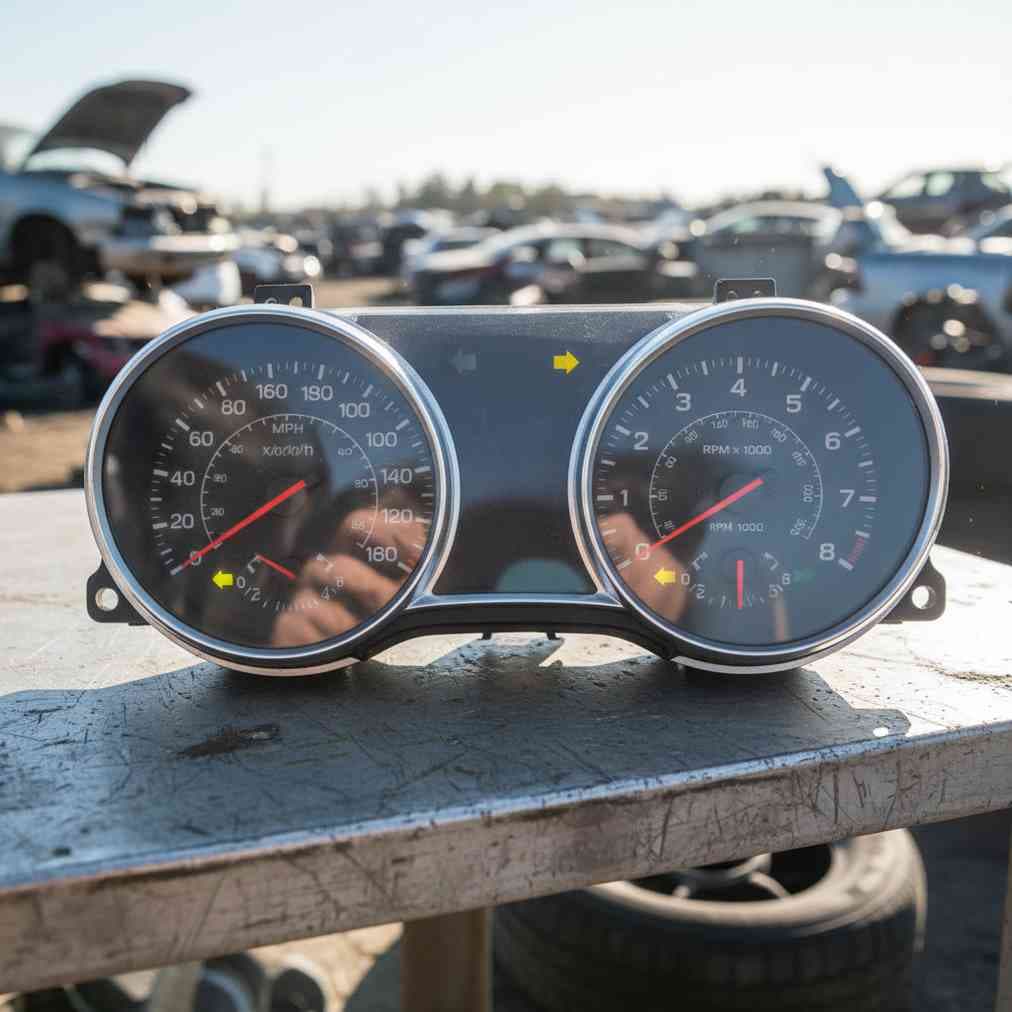
Understanding the Basics of Buying a Used Instrument Cluster Purchasing a used instrument cluster from a junkyard can save you hundreds of dollars compared to buying new OEM parts, but it requires careful consideration of compatibility, mileage issues, and reprogramming requirements. With prices ranging from $25-$50 at junkyards versus $300-$800 for new units, the cost [...]
Article image
Understanding the Basics of Buying a Used Instrument Cluster
Purchasing a used instrument cluster from a junkyard can save you hundreds of dollars compared to buying new OEM parts, but it requires careful consideration of compatibility, mileage issues, and reprogramming requirements. With prices ranging from $25-$50 at junkyards versus $300-$800 for new units, the cost savings are substantial. However, modern vehicles present unique challenges that didn't exist with older mechanical systems.
Before diving into a junkyard purchase, it's essential to understand that instrument clusters in modern vehicles are sophisticated electronic components that store vehicle-specific data including mileage, VIN information, and calibration settings. This complexity means that simply swapping clusters isn't always a plug-and-play operation, especially with digital displays that have become standard in most vehicles manufactured after 2010.
Digital vs. Analog Instrument Clusters: What You Need to Know
The type of instrument cluster in your vehicle significantly impacts the complexity of replacement. Understanding these differences will help you make an informed decision about whether a junkyard purchase is right for your situation.
Analog Clusters
Physical needles and mechanical gauges
Simpler electronic systems with fewer integration points
Generally easier to swap between compatible vehicles
More common in vehicles manufactured before 2015
Less expensive to replace and repair
Digital Clusters
LCD or OLED displays with customizable layouts
Store mileage and vehicle data in multiple locations
Require VIN programming and module synchronization
More complex integration with vehicle's computer systems
Higher risk of compatibility issues when sourced from junkyards
According to automotive forums like Focus Fanatics, many enthusiasts report that analog clusters are generally more forgiving when it comes to junkyard swaps, while digital units often require professional programming to function properly.
The Mileage Dilemma: Understanding Odometer Issues
One of the most significant concerns when buying a used instrument cluster is the mileage discrepancy. The cluster you purchase will display the mileage from its original vehicle, not your current car's actual mileage. This creates several important considerations:
Issue
Impact
Solution
Incorrect Mileage Display
Legal and resale value concerns
Professional mileage programming
Module Mismatch
Error codes and warnings
ECU synchronization
Fraud Prevention Systems
Immobilizer activation
VIN reprogramming
Modern vehicles store mileage information in multiple locations within the car's computer network, including the Body Control Module (BCM) and Engine Control Unit (ECU). When these systems detect a mismatch between the cluster's stored mileage and the vehicle's actual mileage, they may trigger warning lights or even prevent the vehicle from starting.
“Mileage is definitely in the cluster, but also may be saved in the BCM, so if they don't match you will throw a code”
Automotive technician advice from junkyard professionals
Reprogramming Requirements and Solutions
Successfully installing a junkyard instrument cluster often requires professional reprogramming services. This process involves syncing the cluster with your vehicle's specific data and ensuring all electronic systems communicate properly.
What Needs to be Programmed
Vehicle Identification Number (VIN)
Correct vehicle mileage
Engine specifications and calibration
Security system integration
Warning light thresholds
The cost of professional programming typically ranges from $100-$300, which should be factored into your total replacement cost. Some automotive electronics specialists offer package deals that include both the used cluster and programming services.
If you're looking for alternatives to complex cluster replacement, consider exploring dashboard parts you can find at a junkyard that might address your specific issue without requiring a full cluster swap.
What to Look for When Inspecting a Used Cluster
When visiting a junkyard to inspect potential instrument clusters, thorough examination is crucial to avoid purchasing a defective unit. Professional salvage yard experts recommend following a systematic inspection process.
Physical Inspection Checklist
Screen condition – Check for cracks, dead pixels, or burn-in
Connector integrity – Examine wiring harness for damage
Gauge needle condition – Ensure needles aren't bent or missing
Button functionality – Test all switches and controls
Mounting points – Verify tabs and screw holes are intact
Electronic Testing
If the junkyard allows electrical testing, bring a 12-volt power source to verify basic functionality. Many modern clusters will display a self-test sequence when powered up, which can reveal hidden defects that aren't visible during physical inspection.
For comprehensive guidance on junkyard shopping strategies, check out our article on when to buy used auto parts for optimal results.
Cost Analysis: Junkyard vs. New vs. Refurbished
Understanding the total cost of ownership for each option helps make an informed decision about the best approach for your instrument cluster replacement.
Source
Initial Cost
Programming Cost
Warranty
Total Investment
Junkyard
$25-$75
$100-$300
None
$125-$375
Refurbished
$200-$400
$50-$150
1-2 years
$250-$550
New OEM
$400-$800
$100-$200
3+ years
$500-$1000
While junkyard clusters offer the lowest upfront cost, the lack of warranty and potential for hidden defects can make refurbished units a better value proposition. Companies like Dr. Speedometer offer lifetime guarantees on refurbished clusters, which may justify the higher initial investment.
Legal Considerations and Odometer Fraud Prevention
Federal and state laws strictly regulate odometer tampering, making proper mileage documentation essential when replacing instrument clusters. The Motor Vehicle Information and Cost Savings Act requires accurate mileage disclosure, and violations can result in significant penalties.
Documentation Requirements
Keep receipts from junkyard purchase
Document original vehicle mileage before replacement
Obtain professional documentation of mileage programming
Update vehicle title if required by state law
Maintain service records for future reference
Statistics show that approximately 450,000 vehicles with rolled-back odometers are sold annually in the United States, costing consumers billions of dollars. Proper documentation protects both you and future buyers from legal complications.
For those concerned about legal compliance, our guide on OEM car parts and junkyard availability provides additional insights into maintaining vehicle authenticity.
Alternative Solutions: Dash Gauge Repair and Individual Component Replacement
Before committing to a full cluster replacement, consider whether individual gauge repair or component replacement might solve your problem more cost-effectively. Many issues that appear to require cluster replacement can actually be resolved through targeted repairs.
Common Repairable Issues
Stepper motor failure in individual gauges
Burnt-out LED backlighting
Loose solder connections
Cracked circuit board traces
Faulty capacitors or resistors
Professional gauge repair services often cost $150-$300, making them competitive with junkyard replacement when factoring in programming costs. Additionally, repairs maintain your vehicle's original mileage and eliminate compatibility concerns.
Many DIY enthusiasts find success with component-level repairs using parts from automotive forums and communities where experienced members share detailed repair procedures and source lists for common failure components.
Vehicle-Specific Considerations
Different vehicle manufacturers implement varying levels of security and integration in their instrument clusters. Understanding your specific vehicle's requirements is crucial for successful replacement.
High-Security Vehicles
Luxury and high-end vehicles often feature advanced anti-theft systems that make cluster replacement particularly challenging. Brands like BMW, Mercedes-Benz, and Audi typically require dealer-level programming tools and may have encrypted communication protocols.
Mainstream Manufacturers
Ford, Chevrolet, Honda, and Toyota vehicles generally have more straightforward replacement procedures, with aftermarket programming tools widely available. However, newer models from these manufacturers are increasingly adopting more sophisticated security measures.
If you're working on specific popular models, our guides on Honda Civic parts and Honda Accord parts provide model-specific insights for successful junkyard shopping.
Tools and Equipment Needed
Successful instrument cluster replacement requires specific tools and equipment, whether you're performing the installation yourself or preparing for professional service.
Basic Tool Requirements
Trim removal tools to avoid dashboard damage
Socket and screwdriver sets for cluster removal
Digital multimeter for electrical testing
OBD-II scanner for diagnostic codes
Wire strippers and electrical tape for repairs
For comprehensive tool guidance, review our article on essential junkyard tools that professionals recommend for successful parts removal.
Finding the Right Junkyard and Negotiating Price
Not all junkyards are created equal when it comes to electronic automotive components. Choosing the right facility can make the difference between a successful purchase and a costly mistake.
Ideal Junkyard Characteristics
Climate-controlled storage for electronic components
Organized inventory system with searchable database
Testing capabilities for electrical components
Knowledgeable staff familiar with vehicle electronics
Reasonable return policy for defective parts
When negotiating price, remember that instrument clusters are specialized components that require careful handling. Don't compromise quality for minimal savings, as the cost of professional programming and potential failure makes reliability crucial.
For broader junkyard selection guidance, explore our comprehensive guide to pick-and-pull junkyards for finding the best deals on automotive electronics.
Installation Best Practices
Whether you're installing the cluster yourself or having it professionally installed, following proper procedures ensures optimal results and prevents damage to both the cluster and your vehicle's electrical system.
Pre-Installation Steps
Disconnect battery and wait 15 minutes for capacitor discharge
Document current mileage with photographs
Take pictures of wiring connections before removal
Test the replacement cluster on a bench if possible
Verify all connectors match existing harness
Common Installation Mistakes to Avoid
Forcing connectors that don't fit properly
Skipping the battery disconnection step
Failing to secure all mounting points
Not testing all functions before reassembly
Ignoring warning lights after installation
For additional installation guidance, check our comprehensive resource on understanding car computer control modules to better comprehend how your cluster integrates with other vehicle systems.
Troubleshooting Common Issues After Installation
Even successful installations can present challenges as the vehicle's computer systems adapt to the new instrument cluster. Understanding common post-installation issues helps you address problems quickly and effectively.
Symptom
Likely Cause
Solution
Warning lights stay on
Module mismatch or incomplete programming
Professional reprogramming required
Erratic gauge readings
Poor connections or voltage issues
Check connectors and battery voltage
No display illumination
Blown fuse or backlight failure
Check fuses and backlight circuit
Incorrect speedometer
Wrong gear ratio programming
Recalibrate for vehicle specifications
Most post-installation issues stem from incomplete programming or module incompatibility. Allow 50-100 miles of driving for adaptive systems to learn and adjust to the new cluster before concluding that professional intervention is necessary.
Making the Final Decision: Is a Junkyard Cluster Right for You?
Deciding whether to purchase a used instrument cluster from a junkyard depends on multiple factors specific to your situation, vehicle, and technical comfort level.
Good Candidates for Junkyard Clusters
Older vehicles (pre-2010) with simpler electronics
Budget-conscious repairs on high-mileage vehicles
Projects where programming services are readily available
Situations where new clusters are discontinued or expensive
Owners comfortable with potential complications
Better Alternatives to Consider
Individual gauge repair for specific failures
Refurbished clusters with warranties
New aftermarket clusters for popular vehicles
Professional rebuilding of original cluster
Upgraded digital retrofit systems
Remember that the least expensive option isn't always the most economical in the long run. Factor in programming costs, potential compatibility issues, and the value of your time when making this decision.
For those interested in exploring other cost-effective automotive repair options, our guide to smart money-saving strategies at junkyards provides additional insights for budget-conscious vehicle maintenance.
Successfully buying and installing a used instrument cluster from a junkyard requires careful planning, proper tools, and realistic expectations about potential challenges. While the cost savings can be substantial, the complexity of modern vehicle electronics means this approach isn't suitable for every situation. By understanding the factors covered in this guide, you can make an informed decision that balances cost, reliability, and long-term satisfaction with your repair.