Buying a Used Starter and Alternator: A Smart Junkyard Strategy
Why Buying Used Starters and Alternators is a Smart Junkyard Strategy When your car's starter or alternator fails, the repair costs can be overwhelming. However, purchasing these components from auto junkyards offers a financially savvy and environmentally responsible solution. These critical electrical components are often robust, durable, and can be found in excellent working condition [...]
Article image
Why Buying Used Starters and Alternators is a Smart Junkyard Strategy
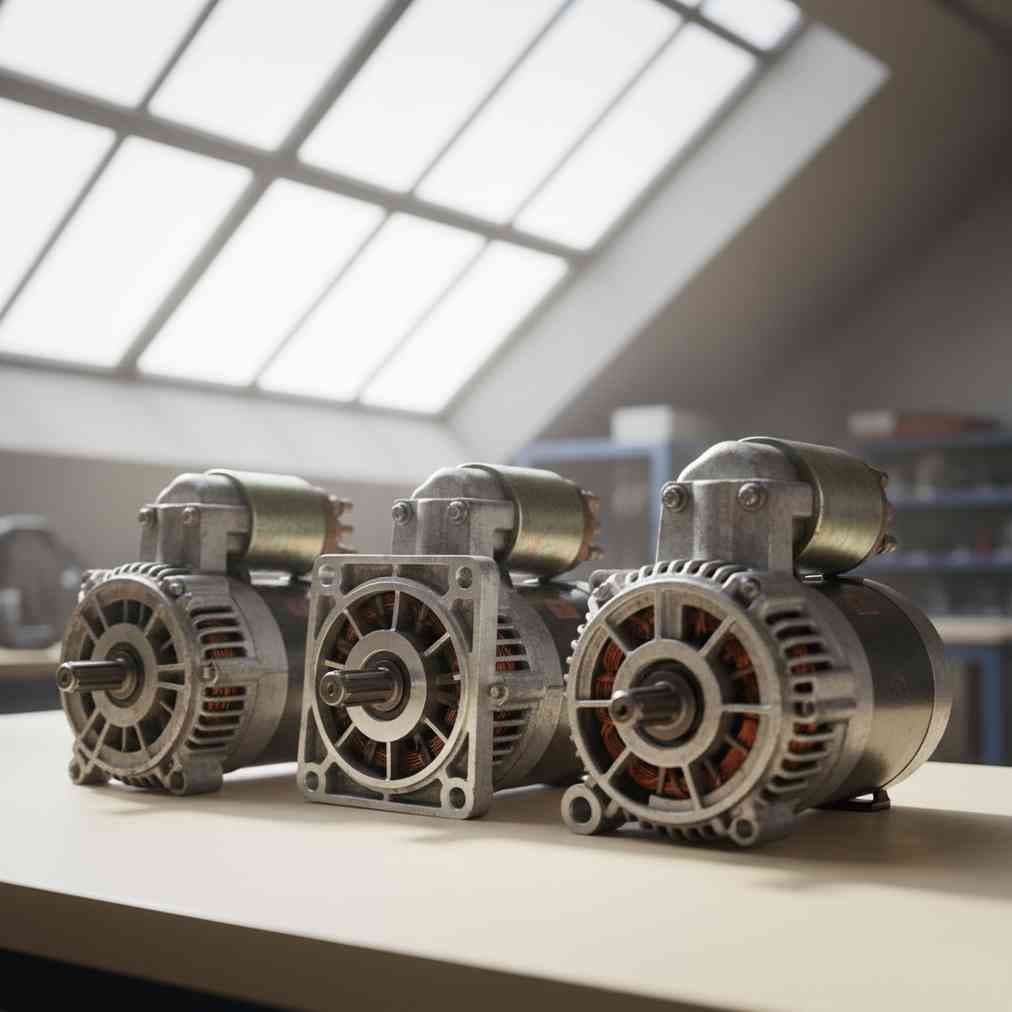
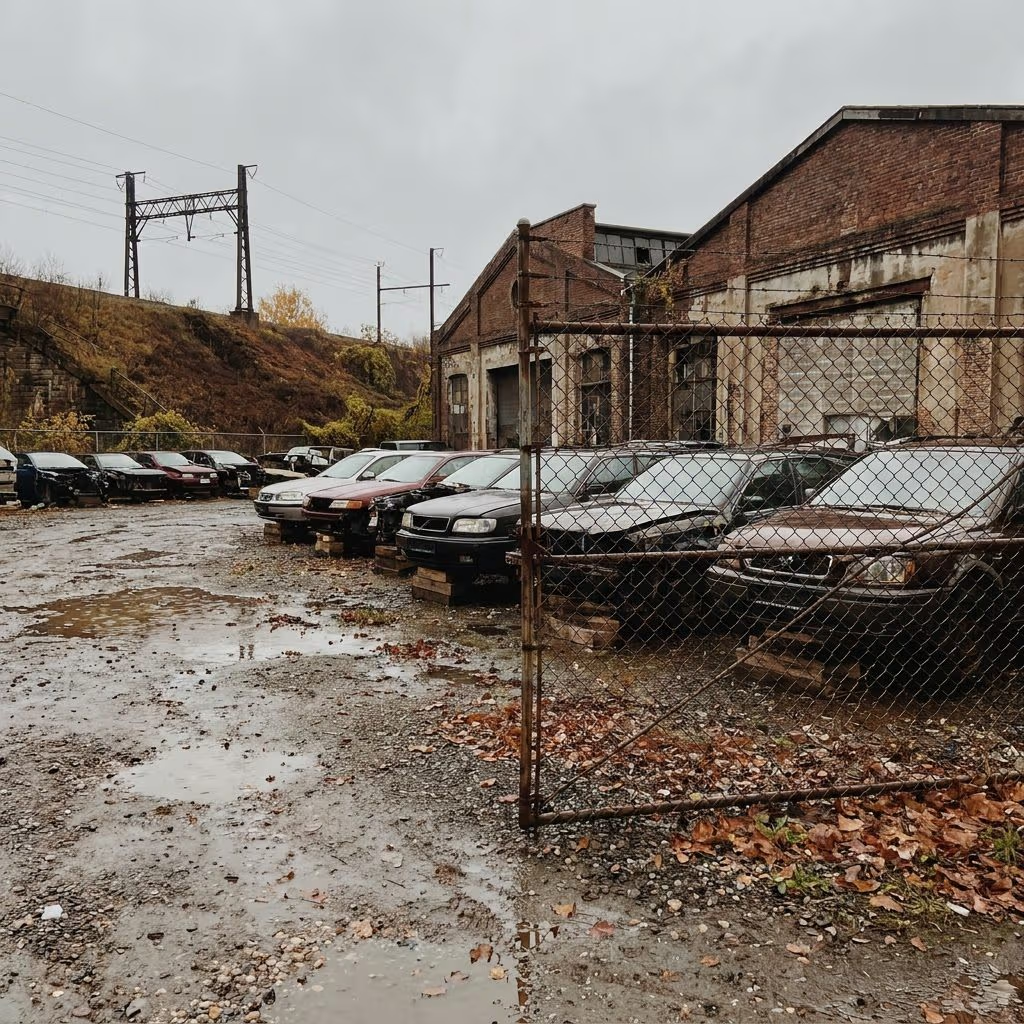
When your car's starter or alternator fails, the repair costs can be overwhelming. However, purchasing these components from auto junkyards offers a financially savvy and environmentally responsible solution. These critical electrical components are often robust, durable, and can be found in excellent working condition at a fraction of new part costs.
Understanding How Starters and Alternators Work Together
Before diving into purchasing strategies, it's essential to understand what these components do in your vehicle's electrical system:
Starter Motor: This electric motor initiates engine operation by using battery power to crank the engine's flywheel, allowing the combustion process to begin
Alternator: Once the engine runs, the alternator generates electrical power by converting mechanical energy into electricity, recharging the battery and powering all electrical systems
These components work in a continuous cycle – the starter gets the engine running, then the alternator takes over to maintain electrical power throughout your drive. Understanding this relationship helps you make informed decisions when finding reliable used starters at wrecking yards.
The Financial and Environmental Benefits
Significant Cost Savings
The most compelling reason to choose used starters and alternators is the dramatic cost difference. Here's what you can expect to save:
Component
New Part Price
Junkyard Price
Potential Savings
Alternator
$300 – $500
$50 – $120
Up to 80%
Starter
$200 – $400
$40 – $100
Up to 75%
OEM Quality Advantage
Original Equipment Manufacturer (OEM) parts from junkyards offer superior compatibility and build quality compared to many aftermarket alternatives. These parts were specifically designed for your vehicle's make and model, ensuring perfect fit and optimal performance. Learn more about OEM car parts meaning, quality, and junkyard availability.
Environmental Responsibility
Choosing used parts contributes to environmental sustainability by:
Reducing manufacturing demand for new parts
Conserving natural resources like copper, steel, and aluminum
Minimizing industrial waste and energy consumption
Extending the lifecycle of automotive components
As highlighted by industry experts, sourcing used car parts from scrap yards significantly reduces environmental impact while maintaining quality standards.
Why Starters and Alternators Are Excellent Used Purchases
Exceptional Durability
Both components are built to last:
Alternators typically last 100,000-150,000 miles
Starters can function reliably for 80,000-100,000+ miles
Robust construction makes them resistant to wear and damage
Self-contained units that rarely suffer collateral damage in accidents
According to industry data, approximately 98.7% of alternators and starters from totaled vehicles remain fully functional, making them ideal candidates for reuse.
High Availability
Junkyards typically have extensive inventories of starters and alternators because:
Many vehicles are scrapped due to body damage or engine problems rather than electrical issues
These components are easily accessible and removable
High demand ensures regular turnover and fresh inventory
Universal applications mean broader compatibility options
Comprehensive Testing Checklist for Used Starters
Before purchasing a used starter, follow this systematic inspection process to ensure you're getting a reliable component:
Visual Inspection
Housing condition: Check for cracks, damage, or signs of impact
Cleanliness: Cleaner units typically indicate less abuse or overheating
Terminal inspection: Look for corrosion, damage, or heat damage
Wiring examination: Inspect for burned, melted, or damaged wires
Mounting points: Ensure bolt holes and brackets are intact
Functional Testing
When possible, perform these tests before purchase:
Test Type
Method
What to Look For
Bench Test
Use 12V battery and jumper cables
Smooth gear extension and spinning
Sound Test
Listen during operation
No grinding, clicking, or unusual noises
Multimeter Test
Check continuity and resistance
Normal readings across terminals
Professional mechanics recommend watching demonstration videos to understand proper testing techniques before visiting the junkyard.
Compatibility Verification
Ensure you have the correct specifications:
Vehicle year, make, model, and engine size
Part numbers (if available)
Mounting configuration and bolt pattern
Electrical connections and terminal arrangement
Comprehensive Testing Checklist for Used Alternators
Physical Inspection
Start with a thorough visual examination:
Corrosion check: Inspect terminals and housing for excessive corrosion
Casing integrity: Look for cracks or signs of overheating
Pulley condition: Ensure smooth rotation without wobble or noise
Connection points: Check for damaged or corroded electrical connections
Smell test: Avoid units with “fishy” or “swamp water” odors indicating internal failure
Electrical Testing Procedures
If possible, perform these tests at the junkyard or immediately after purchase:
Test Phase
Expected Reading
Indicates
Battery at Rest
12.5V – 12.8V
Good battery baseline
Engine Running (1500 RPM)
13.2V – 14.7V
Proper charging function
Load Test (accessories on)
Above 13V
Adequate power output
Mechanical Assessment
Bearing condition: Pulley should spin freely without grinding
Internal noise: Use a stethoscope to detect internal bearing problems
Belt drive condition: Check for proper pulley alignment
Mounting bracket integrity: Ensure all mounting points are solid
Smart Shopping Strategies at Junkyards
Research Before You Go
Maximize your success with proper preparation:
Call ahead to check inventory availability
Verify part compatibility using your VIN or owner's manual
Research fair pricing to avoid overpaying
Bring necessary tools for removal and testing
Consider exploring different types of salvage operations by reading our guide on Pull-A-Part, Pick-A-Part, or Pick-N-Pull to find the best option for your needs.
Timing Your Visit
Strategic timing can improve your chances of finding quality parts:
Weekday mornings typically offer better selection
Shortly after new inventory arrives gives you first pick
Avoid peak weekend hours when competition is highest
Consider seasonal patterns – more inventory after harsh weather
According to industry recycling data, these components contain valuable materials that maintain their worth even when non-functional, which helps keep used part prices reasonable.
Environmental Impact and Sustainability
Choosing used starters and alternators contributes significantly to environmental sustainability:
Reduced Manufacturing Emissions: Avoiding new part production saves approximately 85% of manufacturing energy
Purchasing used starters and alternators from junkyards represents one of the smartest automotive repair strategies available. These components offer exceptional durability, significant cost savings, and environmental benefits while maintaining OEM quality and compatibility.
Success depends on thorough preparation, careful inspection, and proper testing. By following the comprehensive checklists and strategies outlined above, you can confidently purchase reliable used electrical components that will serve your vehicle well for years to come.
Remember that the benefits of used auto parts extend beyond immediate cost savings to include long-term reliability, environmental responsibility, and support for sustainable automotive practices.
Whether you're a professional mechanic or a DIY enthusiast, used starters and alternators from reputable junkyards offer an unbeatable combination of quality, value, and environmental consciousness. Start your search today and discover why this strategy has become the preferred choice for knowledgeable automotive professionals and budget-conscious car owners alike.
For additional resources and guides on automotive repair and junkyard strategies, visit our comprehensive blog for more money-saving tips and expert advice.