Understanding Hood Latch Safety and Function The hood latch is one of the most critical safety components in your vehicle, yet it's often overlooked until it fails. This mechanism secures your hood while driving, preventing it from unexpectedly opening and creating a potentially dangerous situation. When considering buying a used hood latch from a junkyard, [...]
Article image
Understanding Hood Latch Safety and Function
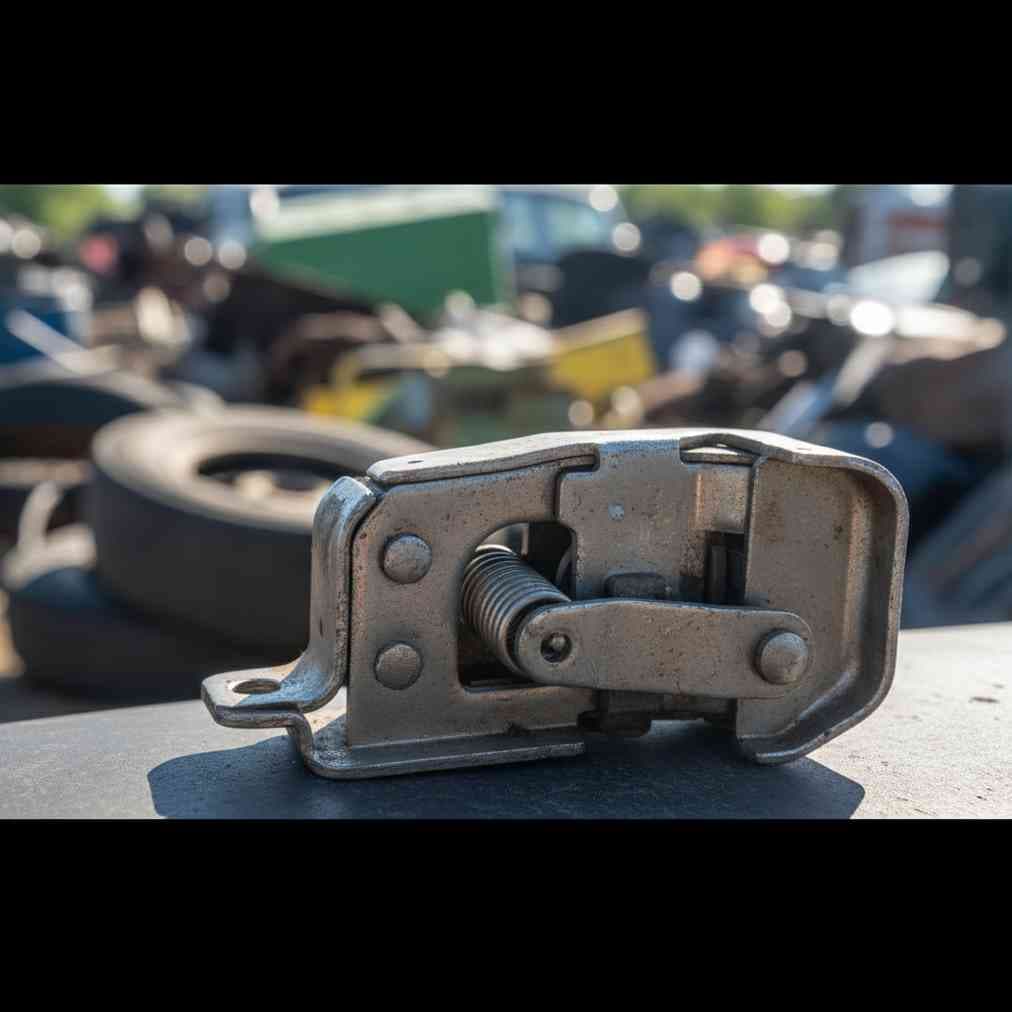
The hood latch is one of the most critical safety components in your vehicle, yet it's often overlooked until it fails. This mechanism secures your hood while driving, preventing it from unexpectedly opening and creating a potentially dangerous situation. When considering buying a used hood latch from a junkyard, understanding its function and importance is essential for making an informed decision.
Hood latches work through a dual-mechanism system consisting of a primary latch and a safety catch. The primary latch engages when you close the hood, while the safety catch serves as a backup to prevent accidental opening. According to automotive safety experts, a malfunctioning hood latch can cause the hood to fly open while driving, completely obstructing the driver's vision and potentially causing serious accidents.
Can You Buy a Used Hood Latch from a Junkyard?
Yes, you can absolutely buy a used hood latch from a junkyard, and it's often a cost-effective solution for vehicle repairs. Auto salvage yards commonly stock hood latches from various makes and models, making them readily available for most vehicles. However, purchasing a used hood latch requires careful consideration due to the safety-critical nature of this component.
Hood latches are among the most commonly requested parts at junkyards, primarily because they're relatively affordable compared to new OEM parts and are frequently needed due to wear and corrosion issues. The key is knowing what to look for and understanding the potential risks involved.
Common Wear Points and Failure Modes
Understanding how hood latches fail helps you make better decisions when shopping for used auto parts. Here are the most common failure points:
Component
Common Issues
Safety Risk Level
Primary Latch Mechanism
Corrosion, broken springs, worn engagement points
High
Safety Catch
Weakened springs, damaged engagement surface
Critical
Release Cable
Fraying, stretching, seizing due to corrosion
Medium
Moving Parts
Rust, stiffness, worn pivots and hinges
Medium
The hood release cable is particularly susceptible to failure, as automotive technicians report that lack of lubrication and exposure to road salt and moisture can cause cables to seize or snap without warning.
Safety Risks of Faulty Hood Latches
The primary safety concern with a compromised hood latch is hood opening while driving. This creates several dangerous scenarios:
Complete vision obstruction – The hood can slam against the windshield, blocking all forward visibility
Windshield damage – Impact from the hood can crack or shatter the windshield
Loss of vehicle control – Driver panic and sudden braking can cause accidents
Multi-vehicle accidents – Other drivers may react unpredictably to a hood flying open
“A hood that opens unexpectedly while driving can turn a routine commute into a life-threatening situation in seconds. The safety catch is your last line of defense, but it was never designed to be the primary holding mechanism.”
When shopping for a used hood latch at a junkyard, thorough inspection is crucial. Here's a comprehensive checklist to ensure you're getting a safe, functional part:
Visual Inspection Checklist
Rust and Corrosion – Check all metal surfaces for excessive rust, especially around pivot points and spring mechanisms
Physical Damage – Look for cracks, bends, or missing components in the latch housing
Spring Condition – Ensure springs appear intact and maintain proper tension
Engagement Surfaces – Examine latch and striker surfaces for excessive wear or deformation
Functional Testing
If possible at the salvage yard, perform these tests:
Manual Operation – Test the latch mechanism by hand to ensure smooth engagement and release
Spring Return – Verify that all moving parts return to their proper positions after activation
Safety Catch Function – Confirm the secondary latch engages and disengages properly
Cable Movement – If included, check that the release cable moves freely without binding
Compatibility Verification
Ensuring proper fitment is essential for safety and function:
Part Number Matching – Compare the part number with your vehicle's specifications
Physical Dimensions – Measure mounting points and overall dimensions
Year and Model Compatibility – Confirm the donor vehicle matches your car's specifications
Mounting Hardware – Check that all necessary bolts and brackets are included
OEM Hood Latch vs. Used Parts Comparison
When deciding between a new OEM hood latch and a used junkyard part, consider the following factors:
Factor
New OEM
Used Junkyard
Aftermarket
Cost
$80-$200+
$10-$30
$40-$80
Reliability
Excellent
Variable
Good
Warranty
1-3 years
30-90 days
1 year
Safety Assurance
Highest
Depends on condition
Good
Availability
May require ordering
Immediate if in stock
Usually available
For safety-critical components like hood latches, many automotive professionals recommend OEM parts when possible, especially if the vehicle is your primary transportation or frequently carries passengers.
While junkyard parts can offer significant savings, certain situations warrant choosing new OEM components:
High-Mileage Vehicles – If your car has over 150,000 miles, invest in new parts for reliability
Commercial Use – Work vehicles and delivery cars need maximum reliability
Recent Safety Recalls – If there have been recalls related to hood latches for your vehicle
Insurance Requirements – Some insurance policies require OEM parts for coverage
Automotive safety experts particularly recommend new parts if you've experienced previous hood latch failures or if the vehicle is used for long-distance travel.
Cost-Benefit Analysis
Making an informed decision about used hood latches requires weighing costs against potential risks:
Scenario
Recommended Choice
Reasoning
Budget Repair on Older Vehicle
Quality Used Part
Cost-effective if thoroughly inspected
Primary Family Vehicle
New OEM
Maximum safety and reliability needed
Project or Secondary Car
Used Part
Lower risk tolerance acceptable
Commercial Vehicle
New OEM
Downtime costs exceed part savings
Consider that crash repair using junkyard parts can be cost-effective when done properly, but safety components require extra diligence.
Finding Quality Salvage Yards
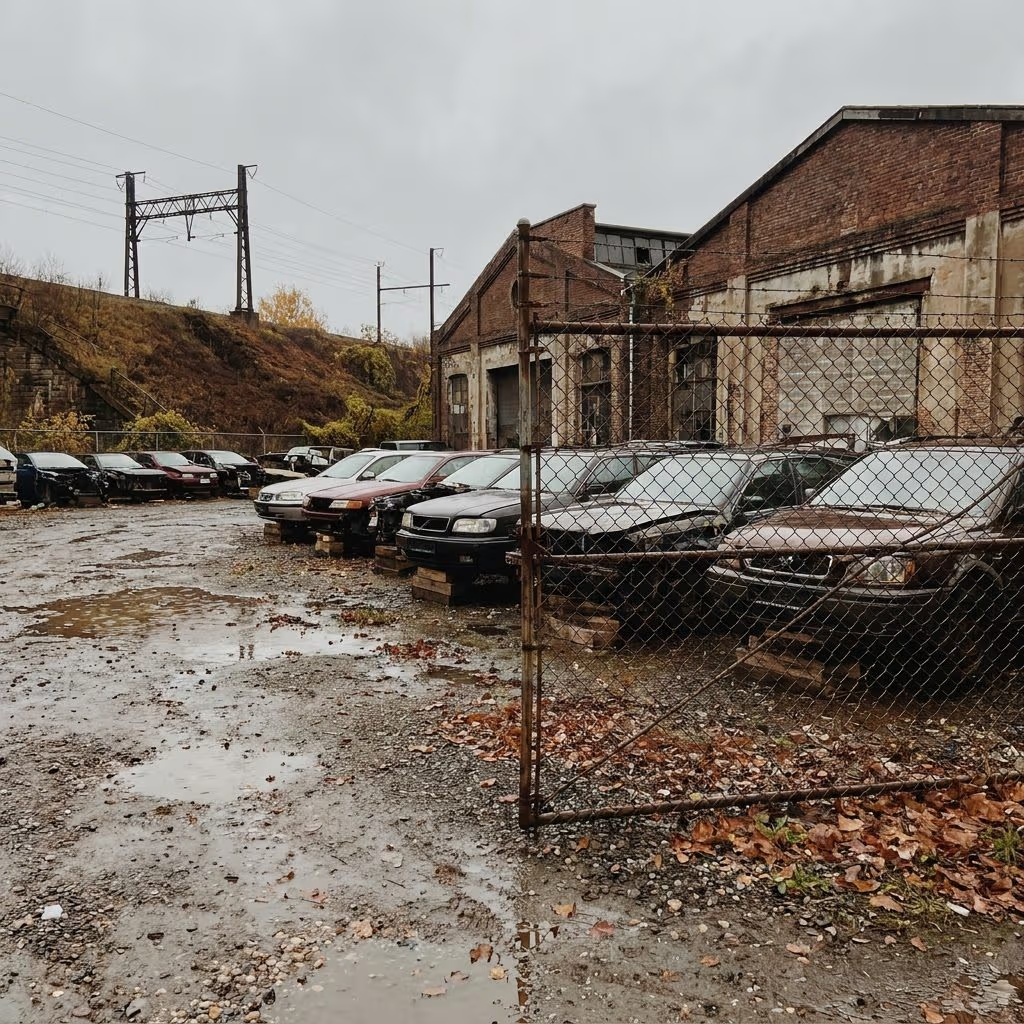
Not all junkyards are created equal. Finding reputable auto recyclers can make the difference between a successful repair and a safety hazard:
What to Look For
Professional Operations – Clean, organized yards with clear inventory systems
Testing Procedures – Yards that test electrical components and moving parts
Warranty Policies – At least 30-day warranties on safety-critical parts
Knowledgeable Staff – Employees who understand part compatibility and safety concerns
Many regions have established quality auto salvage operations that specialize in testing and warranting their parts. These businesses often maintain better inventory tracking and can provide guidance on part selection.
Legal and Insurance Considerations
Using used auto parts for repairs can have legal and insurance implications:
Insurance Claims – Some insurers require disclosure of non-OEM parts
Liability Concerns – Using substandard parts could affect liability in accidents
Resale Value – Non-OEM repairs may impact vehicle value
Safety Inspections – Some states have specific requirements for safety components
Check with your insurance provider and local regulations before making major safety-related repairs with used parts. Professional automotive service providers can often provide guidance on compliance requirements.
Conclusion: Making the Right Choice
Buying a used hood latch from a junkyard can be a practical and economical solution, but it requires careful consideration of safety, quality, and compatibility factors. The key to success lies in thorough inspection, understanding the risks, and making an informed decision based on your specific needs and circumstances.
Remember that hood latches are safety-critical components that protect you and your passengers from potentially life-threatening situations. While cost savings are important, they should never come at the expense of safety. Whether you choose a used part from a reputable salvage yard or invest in a new OEM component, proper installation and regular maintenance are essential for long-term safety and reliability.
If you're comfortable with the inspection process and understand the risks involved, a quality used hood latch can provide years of reliable service at a fraction of the cost of new parts. However, when in doubt, consult with a qualified automotive technician who can help assess your specific situation and recommend the best course of action for your vehicle and safety needs.