Cash for Damaged Cars: How to Get a Fair Price for a Wrecked Vehicle
Understanding the Value in Your Damaged Vehicle Many car owners facing accident damage assume their vehicle has lost most or all of its value. This misconception leads to thousands of dollars in lost potential income. Even severely damaged cars retain significant value through salvageable parts, scrap metal, and specialized buyers who understand the market for [...]
Article image
Understanding the Value in Your Damaged Vehicle
Many car owners facing accident damage assume their vehicle has lost most or all of its value. This misconception leads to thousands of dollars in lost potential income. Even severely damaged cars retain significant value through salvageable parts, scrap metal, and specialized buyers who understand the market for wrecked vehicles.
The key to maximizing your return lies in understanding how damaged car appraisals work and what factors influence your vehicle's worth. Companies like Wheelzy specialize in purchasing damaged vehicles and can often provide offers that exceed your loan balance, even in negative equity situations.
The Professional Appraisal Process Explained
Professional appraisal of damaged vehicles follows a systematic approach that determines fair market value based on multiple factors. Understanding this process helps you prepare effectively and set realistic expectations.
Initial Vehicle Inspection
The inspection phase typically requires 30-60 minutes and covers both visible and mechanical damage. Appraisers examine:
Exterior damage including body panels, frame integrity, and structural components
Interior condition assessing seats, electronics, and cabin functionality
Mechanical systems evaluating engine, transmission, and critical components
Salvageable parts identifying valuable components that can be resold
Many buyers now offer virtual inspections using detailed photos, streamlining the process while maintaining accuracy. Companies like Wheelzy have perfected remote assessment techniques that provide competitive offers without requiring physical presence.
Documentation and Market Analysis
Proper documentation significantly impacts your vehicle's valuation. Essential documents include:
Clear vehicle title and registration
Maintenance and service records
Previous repair receipts
Insurance documentation if available
Market analysis involves comparing your vehicle to similar damaged cars recently sold, considering current scrap metal prices, and evaluating demand for your specific make and model. This research-based approach ensures offers reflect actual market conditions rather than arbitrary estimates.
Critical Factors That Determine Your Car's Cash Value
Factor
Impact on Value
Considerations
Damage Severity
High
Cosmetic vs. structural damage varies significantly
Mechanical Condition
Very High
Working engine/transmission adds substantial value
Age and Mileage
Medium
Newer vehicles retain higher percentages of value
Make and Model
Medium-High
Popular models have higher parts demand
Market Demand
Variable
Fluctuates with scrap prices and parts availability
Understanding Damage Categories
Not all damage affects value equally. Structural damage to the frame or chassis can reduce value by 50% or more, while cosmetic issues like scratches and small dents have minimal impact. Understanding these distinctions helps set appropriate price expectations.
Vehicles with flood damage or those affected by natural disasters present unique challenges. Our comprehensive guide on flood car repairs can help you understand the potential for restoration versus selling for parts.
The Role of Salvageable Parts
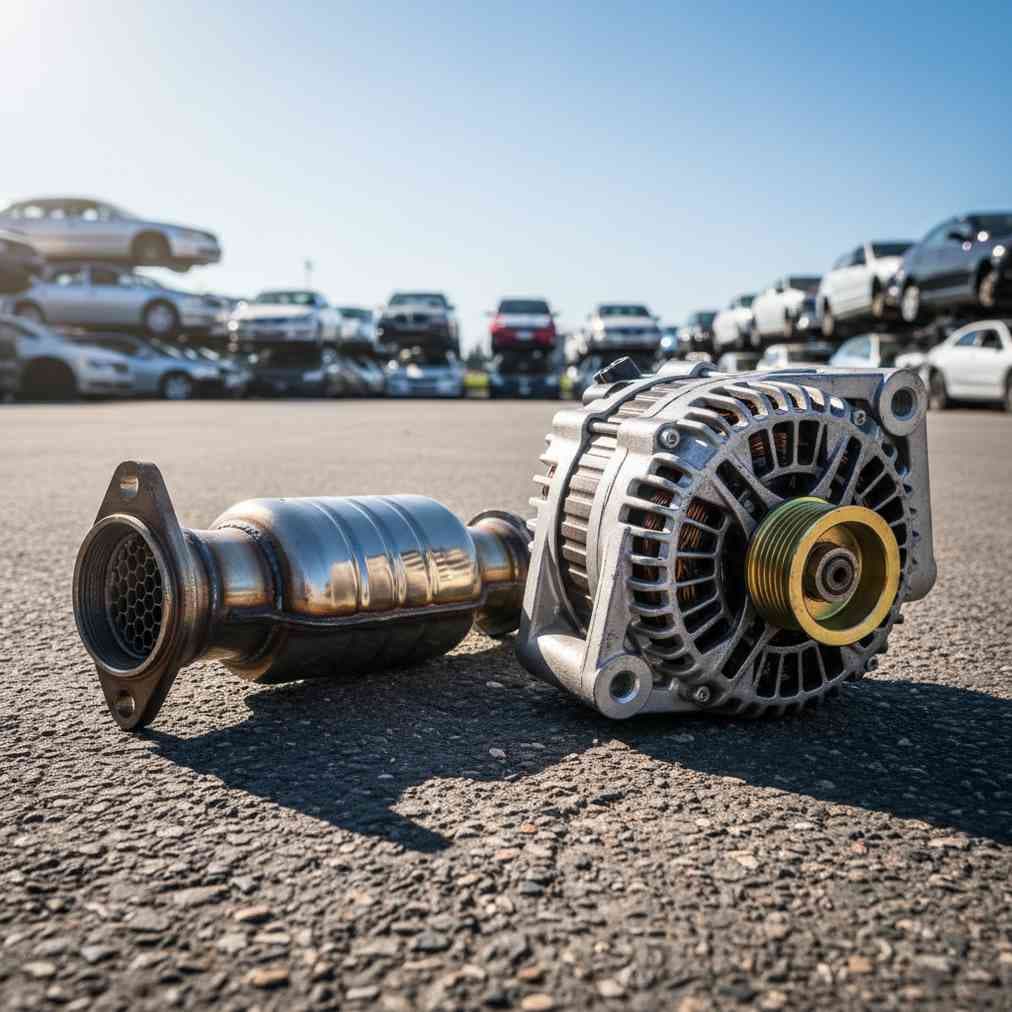
High-value automotive components can significantly increase your car's worth even when the vehicle isn't roadworthy. Components that retain substantial value include:
Engines and transmissions in working condition
Electronic control modules and computers
Catalytic converters and emissions systems
Airbag systems and safety components
Premium wheels and tire combinations
Understanding which parts hold value helps you negotiate better offers. Our detailed analysis of high-value used auto parts provides insight into components that maintain significant worth.
Maximizing Your Cash Offer: Strategic Preparation
Proper preparation can increase your offer by hundreds or even thousands of dollars. Professional buyers respond positively to sellers who demonstrate transparency and organization.
Essential Pre-Sale Steps
Complete thorough cleaning – Remove all personal items and clean interior/exterior surfaces
Document everything – Take clear photos of damage from multiple angles
Gather paperwork – Organize title, registration, and maintenance records
Research market value – Use online tools to understand your car's worth
Be completely honest – Disclose all known issues to build buyer trust
Transparency builds trust and prevents last-minute offer reductions during final inspection. Buyers appreciate sellers who provide accurate information upfront, often resulting in smoother transactions and better offers.
Getting Multiple Competitive Quotes
Different buyers specialize in various types of damaged vehicles, leading to significant offer variations. Research shows that obtaining multiple quotes can increase your final sale price by 15-30%.
The damaged car market attracts both legitimate buyers and unscrupulous operators. Protecting yourself requires understanding common warning signs and industry standards.
Red Flags to Avoid
Charging for towing – Legitimate buyers provide free pickup service
Changing offers at pickup – Reputable companies honor quoted prices
Requesting title before payment – Never sign over ownership until receiving payment
Hidden fees or charges – Transparent buyers disclose all costs upfront
Pressure tactics – Professional buyers allow reasonable decision time
Our comprehensive guide on selling junk cars safely provides additional protection strategies and industry best practices.
Payment and Transaction Security
Legitimate buyers offer multiple secure payment methods and complete transactions within 24-48 hours of acceptance. Cash payments should occur at pickup, while electronic transfers should clear before title transfer.
Established companies like Cash for Car Pittsburgh PA maintain transparent processes with verifiable business credentials and positive customer reviews.
Understanding Market Trends and Timing
The salvage vehicle market experiences seasonal fluctuations and economic influences that affect pricing. Understanding these patterns helps optimize your selling timing.
Seasonal Market Factors
Spring and summer months typically see increased demand for salvage vehicles as repair shops and DIY mechanics become more active. Winter weather often increases accident rates, flooding the market with damaged vehicles and potentially reducing individual offers.
Natural disasters significantly impact regional markets. Hurricane seasons and severe weather events create sudden influxes of damaged vehicles, as discussed in our analysis of hurricane damage impacts on salvage yards.
Economic Influences on Scrap Values
Metal commodity prices directly affect scrap vehicle values, with steel and aluminum pricing fluctuations impacting base offers. Global economic conditions, manufacturing demand, and international trade policies all influence these underlying values.
Special Considerations for Different Vehicle Types
Various vehicle categories require specialized approaches to maximize value recovery. Understanding these differences helps target appropriate buyers and set realistic expectations.
Vehicle Type
Special Considerations
Value Factors
Luxury Vehicles
Premium parts demand
Electronics, leather, specialized components
Trucks/SUVs
Higher scrap weight
Popular parts, rugged components
European Cars
Specialized parts market
Limited availability increases value
Classic/Vintage
Collector interest
Rare parts command premium prices
Electric Vehicles
Battery value and disposal
Emerging market with specialized buyers
Luxury and Performance Vehicle Considerations
High-end vehicles often retain substantial value even when severely damaged due to expensive replacement parts and specialized components. German luxury cars particularly maintain value, as explored in our analysis of German car values in salvage markets.
Performance modifications and aftermarket additions can significantly increase value, especially for popular models with strong enthusiast followings.
Commercial and Heavy-Duty Vehicles
Commercial trucks and heavy equipment often command higher prices due to valuable components and higher scrap weight. Our specialized guide to heavy-duty truck salvage provides detailed insights into this specialized market.
Alternative Options: Parts Sales vs. Whole Vehicle
Sometimes dismantling your vehicle and selling individual components yields higher returns than selling the complete car. This approach requires mechanical knowledge and time investment but can significantly increase total revenue.
High-Value Components for Individual Sale
Catalytic converters – Often worth several hundred dollars
Electronic control units – High demand for working modules
Transmissions and engines – Major value even when car is totaled
Airbag systems – Expensive new, valuable used
Premium wheels and tires – Strong aftermarket demand
Our comprehensive guide to catalytic converter values provides detailed pricing information for these high-value components.
When to Choose Parts Sales
Consider individual parts sales when:
You have mechanical knowledge and tools
Your vehicle contains particularly valuable components
You have time for gradual sales process
Local whole-car offers seem unreasonably low
You enjoy automotive projects
Regional Market Variations and Local Opportunities
Damaged car values fluctuate significantly by region due to local economic conditions, weather patterns, and buyer concentration. Understanding your local market helps optimize selling strategies.
Urban vs. Rural Markets
Urban areas typically offer more buyer competition and higher offers due to greater salvage yard density and parts demand. Rural markets may have fewer options but sometimes offer premium prices for specific vehicle types popular in those regions.
Local salvage operations like PGH Junk understand regional preferences and can provide competitive offers tailored to local market conditions.
Regional Economic Factors
Areas with strong manufacturing or construction industries often pay premium prices for scrap metal, directly benefiting damaged car values. Conversely, regions with weak economies may see depressed salvage values across all vehicle types.
Legal Considerations and Proper Documentation
Proper legal documentation protects both buyers and sellers while ensuring smooth transactions. Understanding requirements prevents delays and legal complications.
Title and Registration Requirements
Clear title ownership is essential for most sales. If your title is lost or damaged, contact your state DMV for replacement procedures. Some buyers accept vehicles without titles, but expect significantly reduced offers.
Lien releases from financing companies are required if you still owe money on the vehicle. Many buyers can facilitate payoff processes directly with lenders.
Insurance and Liability Considerations
Notify your insurance company immediately upon sale to avoid continued liability. Most buyers provide proper documentation to facilitate this process and ensure clean transfers of responsibility.
Future Market Outlook and Emerging Trends
The damaged vehicle market continues evolving with technological advances and changing automotive landscapes. Understanding these trends helps predict future value patterns and selling opportunities.
Technology Integration
Online platforms and mobile technology are streamlining the damaged car selling process. Virtual inspections, instant quote systems, and digital documentation reduce time requirements while maintaining accuracy.
Artificial intelligence and machine learning improve valuation accuracy, helping both buyers and sellers achieve fair pricing faster than traditional methods.
Environmental Regulations Impact
Increased environmental regulations are raising recycling standards and disposal requirements, potentially affecting operating costs and pricing structures. However, these same regulations increase demand for recycled parts, supporting overall market values.
Making Your Final Decision: Action Steps
Armed with comprehensive knowledge about damaged car values and selling strategies, you're ready to take action. Success requires systematic approach and realistic expectations.
Your Step-by-Step Action Plan
Assess your situation – Determine if quick sale or maximum value is priority
Gather documentation – Organize title, registration, and service records
Research market value – Use multiple online tools and local comparisons
Prepare your vehicle – Clean thoroughly and document condition
Request multiple quotes – Contact various buyer types for comparison
Negotiate confidently – Use your research to support fair pricing
Complete the sale safely – Follow proper procedures and document everything
Remember that selling a damaged car for cash is entirely achievable with proper preparation and realistic expectations. Whether working with specialized buyers like U-Pull-and-Pay or exploring various local options, your damaged vehicle retains value that can provide meaningful financial recovery.
For additional guidance on automotive topics and money-saving strategies, explore our comprehensive automotive resource center with expert insights on vehicle maintenance, repair cost savings, and market trends.
Final Tip: Don't let a damaged car become a depreciating liability. Even severely wrecked vehicles maintain value through salvageable components and scrap metal worth. Take action quickly to maximize your recovery and move forward financially.