EV Battery Modules: Where to Find Used Modules and What to Inspect
Where to Find Used EV Battery Modules The growing electric vehicle market has created new opportunities for sourcing used EV battery modules at significant cost savings. As more EVs reach end-of-life or suffer collision damage, these high-value components become available through various channels. Understanding where to look and what to inspect is crucial for making [...]
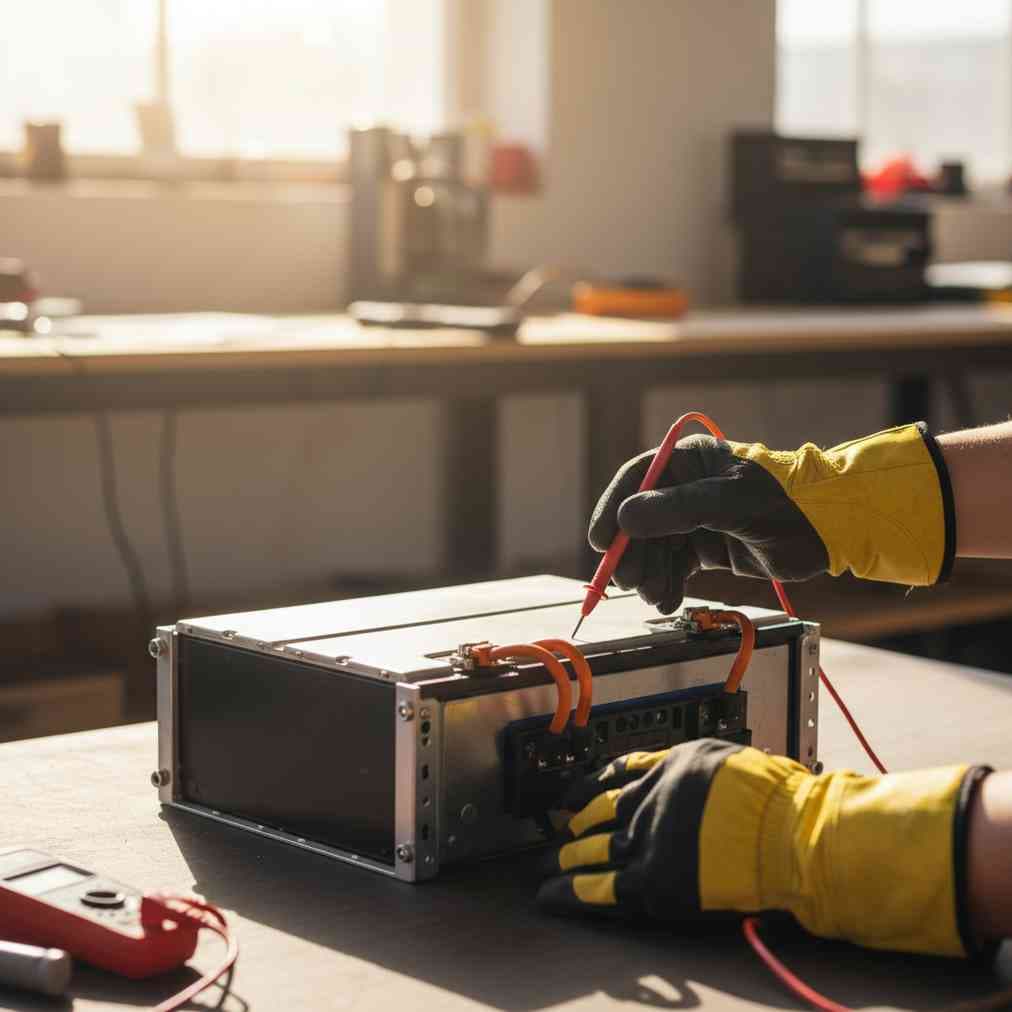
Article image
Where to Find Used EV Battery Modules
The growing electric vehicle market has created new opportunities for sourcing used EV battery modules at significant cost savings. As more EVs reach end-of-life or suffer collision damage, these high-value components become available through various channels. Understanding where to look and what to inspect is crucial for making safe, informed purchases.
Specialized Used Parts Retailers
Companies like Greentec Auto and Ingenext offer curated selections of used EV battery modules from manufacturers including Nissan, Tesla, and Kia. These retailers typically provide:
State of Health (SOH) percentages clearly documented
Limited warranties on battery performance
Professional testing and certification
Technical support for installation
Online Marketplaces
Platforms like eBay host a wide variety of used EV battery modules and complete packs. When purchasing through online marketplaces, exercise extreme caution by:
Thoroughly vetting seller reputation and feedback
Requesting detailed condition reports and testing data
Understanding return policies for defective components
Verifying authenticity and compatibility with your application
Salvage Yards and Auto Wrecking Facilities
Traditional salvage yards near me are increasingly developing capabilities to handle EV components safely. When sourcing from these facilities:
Confirm the yard has high-voltage safety protocols
Verify proper storage conditions for lithium-ion batteries
Request documentation of the vehicle's accident history
Ensure modules haven't been exposed to flooding or extreme heat
Businesses such as Second Life EV Batteries Ltd. specialize in repurposing EV batteries for various applications beyond automotive use. These companies often provide the highest quality assurance through:
Comprehensive testing and refurbishment services
Custom battery pack configurations
Energy storage system integration
Extended warranties on repurposed modules
Essential Safety Precautions
Before inspecting any used EV battery module, safety must be your top priority. EV batteries contain high voltage systems and potentially hazardous chemicals that require proper handling procedures.
Personal Protective Equipment (PPE)
Rubber or chemical-resistant gloves rated for electrical work
Safety goggles or full face shield
Acid-resistant clothing and closed-toe shoes
Insulated tools designed for high-voltage applications
Environmental Safety Requirements
Well-ventilated inspection area to prevent gas accumulation
Elimination of all ignition sources (sparks, flames, smoking)
Fire extinguisher rated for electrical and chemical fires
First aid kit with eye wash and emergency contact information
“Safety is paramount when inspecting used batteries. At Redway Battery, we emphasize robust PPE use, proper workspace ventilation, and strict adherence to chemical handling protocols. Our expertise ensures that thorough, safe inspections prolong battery life while protecting operators from hazards inherent in both lead-acid and lithium-ion batteries.”
Comprehensive Inspection Checklist
A systematic approach to inspecting used EV battery modules ensures you identify potential issues before purchase. Follow this detailed checklist to evaluate module condition and performance.
State of Health (SOH) Assessment
The State of Health is the most critical metric, indicating remaining battery capacity compared to original specifications. According to industry standards from warranty and assessment experts:
SOH Percentage
Condition Assessment
Recommended Action
90-100%
Excellent
Safe to purchase
80-89%
Good
Acceptable for most applications
70-79%
Fair
Suitable for secondary uses only
Below 70%
Poor
Avoid purchase – significant degradation
Physical Condition Inspection
Visually examine each module for signs of damage or deterioration:
Module Casing: Look for cracks, bulging, swelling, or deformation
Terminal Connections: Check for corrosion, loose connections, or burn marks
Thermal Management: Inspect cooling lines and thermal interface materials
Wiring Harnesses: Examine for fraying, melting, or damaged insulation
Mounting Hardware: Verify structural integrity of brackets and fasteners
Any signs of physical damage should immediately disqualify a module from consideration, as compromised integrity poses serious safety risks.
Electrical Testing and Diagnostics
Professional testing equipment provides crucial data about module performance. Key measurements include:
Cell Voltage Balance: Significant variations indicate degradation
Internal Resistance: Higher resistance suggests aging or damage
Capacity Testing: Actual vs. rated energy storage capability
Thermal Response: Temperature distribution during charge/discharge cycles
Modern battery testing utilizes sophisticated equipment to evaluate module condition accurately. Understanding these technologies helps you make informed purchasing decisions.
DC Internal Resistance (DCIR): Measures resistance under direct current conditions
AC Internal Resistance (ACIR): Evaluates alternating current response
Capacity Retention Testing: Determines actual energy storage vs. rated capacity
Industry Standards and Certifications
Several organizations have established protocols for second-life battery assessment. The UL 1974 standard provides comprehensive procedures for:
Rework and screening protocols
State-of-health evaluation methods
Consistent testing across different battery types
Safety certification for repurposed applications
Red Flags to Avoid
Certain conditions should immediately disqualify used EV battery modules from consideration. Recognizing these red flags protects you from dangerous or uneconomical purchases.
Water Damage and Flood Exposure
Modules exposed to flooding pose extreme safety risks. EV safety guidance documents emphasize that flood-damaged batteries can experience:
Internal corrosion leading to thermal runaway
Compromised insulation and electrical safety
Delayed failure modes that appear weeks after exposure
Toxic gas emissions during charging or discharging
Thermal Event Indicators
Signs of previous overheating or thermal runaway include:
Discoloration or scorching on module surfaces
Sweet or acrid chemical odors
Melted plastic components
Bulging or deformed cell casings
Crystalline deposits on terminals
Accident History Concerns
Battery packs from collision-damaged vehicles require extreme caution. Even minor impacts can cause:
Microscopic internal damage not visible externally
Structural weakness leading to future failures
Compromised thermal management systems
Delayed onset of safety issues
Evaluating Seller Credibility
The source of used EV battery modules significantly impacts quality and safety. Establishing seller credibility protects you from fraudulent or dangerous products.
Documentation Requirements
Reputable sellers should provide comprehensive documentation including:
Vehicle history reports showing accident and maintenance records
Professional battery testing results with calibrated equipment
Warranty information and transfer procedures
Proper handling and storage documentation
Certification of safety inspections
Professional Testing Services
Consider sellers who utilize professional testing services that follow established evaluation protocols. These services typically include:
Calibrated testing equipment
Standardized evaluation procedures
Detailed performance reports
Safety certifications
Traceability of test results
Market Trends and Future Outlook
The used EV battery market continues evolving rapidly, driven by increasing vehicle adoption and advancing battery technologies. Understanding these trends helps inform purchasing decisions.
Growing Second-Life Applications
EV batteries typically retain 80% of their capacity when reaching end-of-life for automotive use. This creates opportunities for:
Residential energy storage systems
Commercial grid-scale applications
Renewable energy integration projects
Backup power solutions
Recycling Market Development
According to industry projections, the global EV battery recycling market shows substantial growth potential. However, current recycling rates remain low at approximately 5%, highlighting the importance of reuse and repurposing initiatives.
Technology Advancements
Emerging technologies are improving the evaluation and management of used battery modules:
AI-driven health assessment algorithms
Automated testing systems for high-volume processing
Digital twin technology for predictive maintenance
Blockchain-based provenance tracking
Legal and Regulatory Considerations
Purchasing and using used EV battery modules involves various legal and regulatory requirements that buyers must understand.
Transportation Regulations
Lithium-ion batteries are classified as hazardous materials for shipping purposes. Requirements include:
Proper packaging and labeling for transport
Certified shipping carriers familiar with battery regulations
Documentation of battery condition and testing
Compliance with DOT and international shipping rules
Installation and Use Requirements
Local building codes and electrical regulations may govern the installation of repurposed EV batteries. Consider:
Electrical permits for high-voltage installations
Fire safety requirements for energy storage systems
Professional installation by certified technicians
Insurance implications of non-OEM battery systems
Cost-Benefit Analysis
Understanding the true cost of used EV battery modules requires comprehensive analysis beyond the initial purchase price.
Total Cost Considerations
Cost Factor
Typical Range
Notes
Module Purchase Price
$50-200/kWh
Varies by condition and supplier
Testing and Certification
$500-2000
Professional evaluation services
Shipping and Handling
$200-1000
Hazmat shipping requirements
Installation Costs
$1000-5000
Professional electrical work required
BMS and Controls
$500-2000
Battery management system integration
Value Proposition
Despite additional costs, used EV battery modules can provide significant value through:
Cost savings of 50-70% compared to new modules
Environmental benefits of extending battery lifecycle
Availability of modules no longer in production
Proven performance history in automotive applications
Best Practices for Purchase and Integration
Successful integration of used EV battery modules requires careful planning and execution. Following established best practices ensures safe, reliable operation.
Pre-Purchase Planning
Before committing to a purchase, develop a comprehensive plan that includes:
Application requirements including voltage, capacity, and power needs
Compatibility assessment with existing systems
Installation timeline and resource requirements
Safety protocols and emergency procedures
Maintenance and monitoring plans
Integration Considerations
Successful integration of used modules requires attention to:
Battery Management System (BMS) compatibility and configuration
Thermal management and ventilation requirements
Electrical safety systems and disconnect mechanisms
Monitoring and diagnostic capabilities
Maintenance access and serviceability
Final Recommendations
Successfully sourcing and using used EV battery modules requires careful attention to safety, quality, and regulatory requirements. The growing market offers significant opportunities for cost savings and environmental benefits when approached with proper knowledge and precautions.
Whether you're looking to sell your current vehicle for cash to fund an EV conversion project or sourcing batteries for energy storage applications, thorough evaluation and professional guidance ensure successful outcomes.
Remember that safety comes first in all aspects of handling used EV battery modules. When in doubt, consult with qualified professionals who have experience with high-voltage battery systems. The investment in proper evaluation and installation pays dividends in reliability, safety, and long-term performance.
As the EV market continues expanding, the opportunities for repurposing and reusing battery modules will only grow. Following the guidelines and best practices outlined in this article positions you to take advantage of these opportunities while maintaining the highest standards of safety and performance.