EV Battery Second-Life: How Salvage Batteries Get Repurposed
What Are Second-Life EV Batteries? Second-life EV batteries are electric vehicle batteries that no longer meet automotive performance requirements but retain approximately 70-80% of their original capacity. The primary goal of EV battery second-life initiatives is to maximize the value of Lithium-ion (Li-ion) batteries after they are no longer optimal for vehicle propulsion. These batteries [...]
Article image
What Are Second-Life EV Batteries?
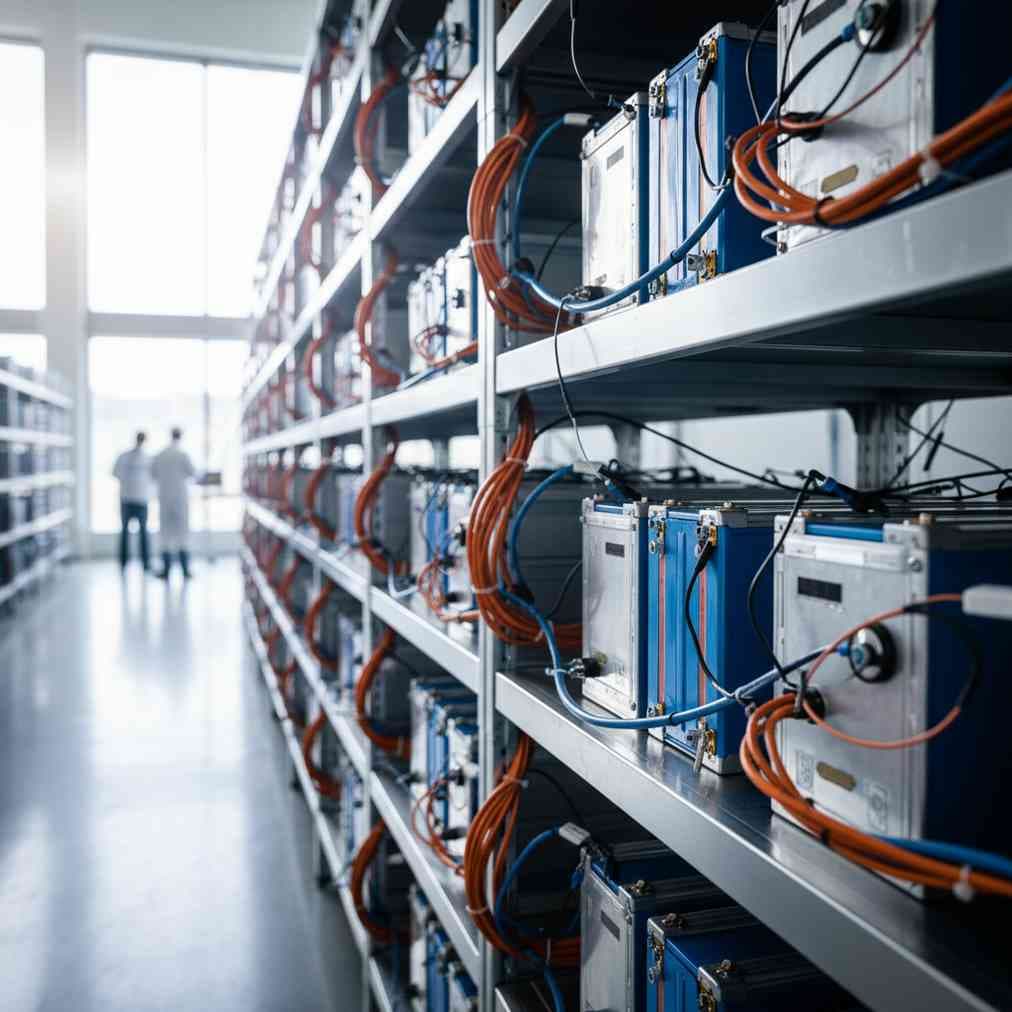
Second-life EV batteries are electric vehicle batteries that no longer meet automotive performance requirements but retain approximately 70-80% of their original capacity. The primary goal of EV battery second-life initiatives is to maximize the value of Lithium-ion (Li-ion) batteries after they are no longer optimal for vehicle propulsion. These batteries are tested, graded, and repurposed primarily for less demanding applications such as stationary energy storage systems (ESS), grid stabilization, backup power, and renewable energy integration.
According to InsightAce Analytic research, the second-life EV battery market is rapidly growing alongside increased EV adoption. Forecasts predict a compound annual growth rate (CAGR) between 28.4% and 39.8% during 2025-2035, with market sizes potentially reaching up to 330-350 GWh capacity by 2030 in stationary storage alone.
Unlike traditional automotive recycling where valuable components are salvaged, EV battery repurposing focuses on extending the useful life of entire battery systems, reducing environmental waste, and conserving precious materials like lithium, cobalt, and nickel.
The Two Main Approaches to Battery Reuse
There are two primary methodologies for repurposing salvage EV batteries:
Direct Reuse Approach
Direct reuse maintains the battery pack as a single entity, requiring only visual inspections and basic electrical tests. This method is generally more cost-effective but introduces performance uncertainties. The battery pack undergoes minimal modification and is deployed in applications where the existing configuration is suitable.
Refurbishing Approach
Refurbishing involves dismantling the pack into modules or cells, testing them individually, and then grouping them to form a new battery meeting specific application requirements. This method is more reliable as the best components can be selected, but it is more costly and generates more waste from unused parts.
Safety Protocols for Handling Salvage EV Components
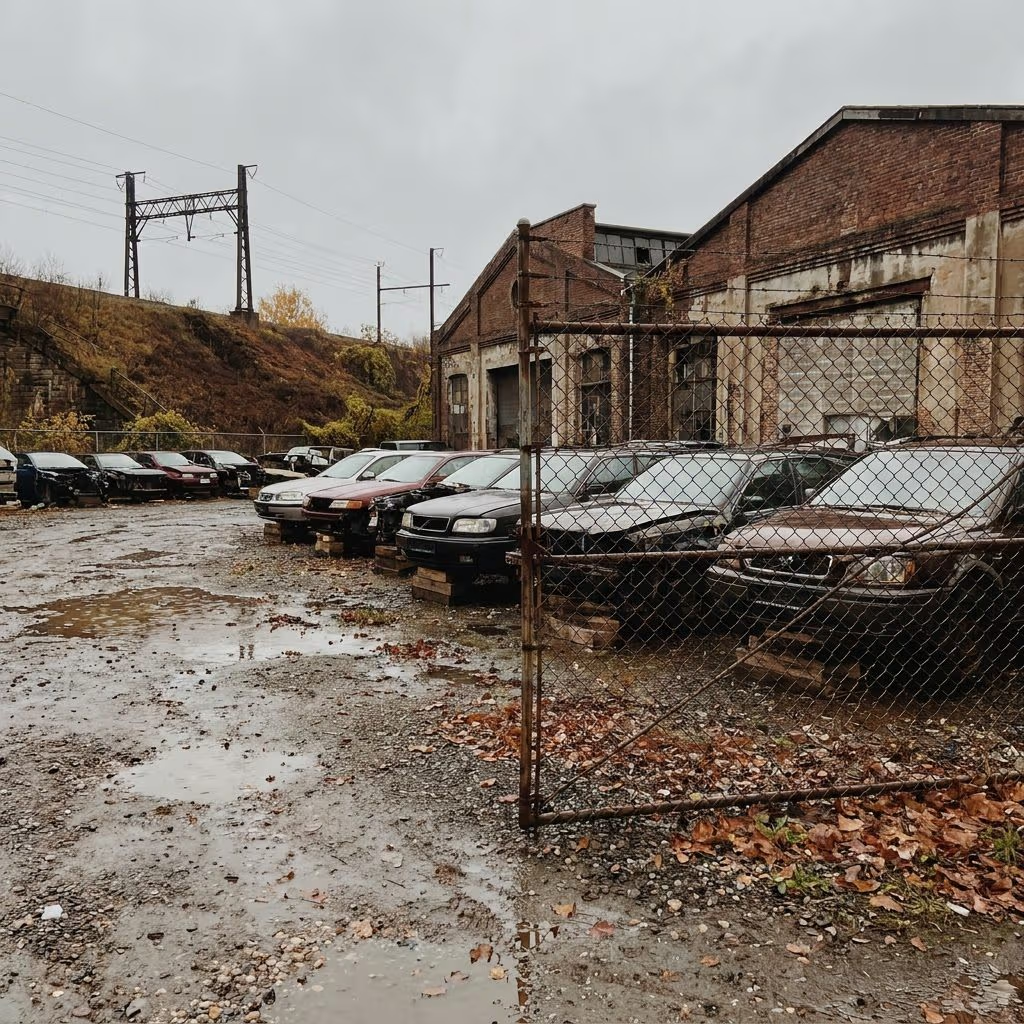
Handling high-voltage EV batteries and drivetrain components requires strict adherence to safety protocols due to the chemical, thermal, and electrical hazards associated with Li-ion batteries. Similar to safety precautions needed when working with electric vehicle parts from junkyards, proper procedures are essential.
Essential Safety Precautions
Training and PPE: Personnel must be fully aware of Li-ion battery dangers, receive appropriate training, and use suitable Personal Protective Equipment (PPE), including gloves, eye protection, and hardhats
De-energization: Before any electrical checks or removal, the high-voltage system must be confirmed to be at zero potential using a voltage absence verifier
Handling Weight: EV battery packs are extremely heavy (average around 1,000 lbs, some up to 4,000 lbs) and must not be moved by physical manpower alone
Isolation: Components should be stored away from combustible materials, preferably in cool, dry, and well-ventilated areas
Fire Safety: Emergency response plans must include staff training on using appropriate fire extinguishers for Li-ion fires, such as standard ABS or dry chemical extinguishers
The new industry standard EN 18061:2025 now facilitates safe, traceable, and trustable practices in second-life applications, supporting consumer confidence and circular economy policies.
Testing and Diagnostic Process for Battery Repurposing
Testing is crucial to determine the State of Health (SOH), which dictates viability for second-life use. The industry standard process for evaluation follows ANSI/CAN/UL 1974 protocols.
Key Testing Methodologies
Physical/Visual Inspection: Checking for external damage, penetration, or leakage
BMS Data Gathering: Analyzing historical data from the Battery Management System
Open Circuit Voltage (OCV) Testing: Measuring the resting voltage
Capacity Testing: Fully charging and discharging the battery to measure energy delivery capability
Internal Resistance Testing: Measuring Direct Current Internal Resistance (DCIR) as a crucial health metric
Self-Discharge Testing: Assessing how quickly the battery loses charge when idle
Impedance Spectroscopy (EIS): Advanced methods reducing testing time from over three hours to as little as three minutes
According to IDTechEx research, technology experts have developed methods to grade sub-components in as little as three minutes, representing a 98% decrease from traditional multi-hour processes.
Comprehensive Inspection Checklist for EV Components
When evaluating salvage EV components for repurposing, thorough inspection protocols ensure safety and functionality. Just as junkyards near me provide detailed component assessments, second-life battery facilities require systematic evaluation processes.
Component
Inspection Focus
Tests & Checks Required
Battery Modules/Packs
Physical damage, electrolyte leakage, capacity retention, voltage balance
Visual inspection for swelling/corrosion; capacity & voltage tests; thermal imaging
Visual Check: Signs of swelling, physical damage, corrosion, or leakage to identify immediate safety risks
State of Health (SOH) Test: Capacity testing and DCIR measurement to grade energy and power capability
BMS/Cell Voltage Check: Verify voltage consistency across cells/modules and check BMS operation
Thermal System Check: Inspect cooling lines for leaks; thermal imaging for hotspots
Market Statistics and Economic Impact
The economic potential of second-life EV batteries is substantial, with significant implications for both automotive and energy storage industries.
Key Market Data Points
Material Value: Average EV battery contains $1,000-$2,000 worth of recoverable materials in 2025
Retirement Volume: By 2030, 100-120 GWh of EV batteries will retire annually worldwide
Cost Advantage: Second-life batteries can be 30-70% cheaper than new ones in stationary storage applications
Cycle Performance: Repurposed batteries typically support 100-300 cycles annually in grid applications
Global EV Fleet: Over 16.5 million electric vehicles on roads worldwide, indicating growing supply of potential second-life batteries
MarketsandMarkets analysis indicates that utility-scale grid services hold the largest current share of the second-life battery market, driven by partnerships between automotive OEMs like BMW, Nissan, and VW with energy companies.
Expert Insights on Industry Trends
“Second-life batteries tie up significantly less capital per cycle and can displace more expensive and less efficient assets like old gas turbines, enhancing grid cost-efficiency.”
McKinsey & Company Analysis
According to McKinsey research, the strategic advantages of repurposed batteries extend beyond cost savings to include improved grid reliability and renewable energy integration capabilities.
Industry experts highlight that Lithium Iron Phosphate (LFP) batteries are especially favored for second-life applications due to superior cycle life (3,000+ cycles) and safety characteristics compared to other chemistries, as noted in Discovery Alert's 2025 analysis.
Current Challenges and Solutions
The second-life battery industry faces several significant obstacles that require innovative solutions and standardization efforts.
Major Industry Challenges
Information Sharing: Lack of shared critical information along the value chain
Design Limitations: Manufacturers don't typically design EV batteries with repurposing in mind
Disassembly Complexity: Current battery pack designs make disassembly difficult and costly
Capacity Variation: State-of-Health (SOH) can vary as much as 15% between modules within the same EV pack
Testing Time: Traditional capacity testing can take 6 to 10 hours per battery with conventional methods
Control Engineering reports that advances in battery management systems and modular design are improving the feasibility and efficiency of repurposing, allowing easier repackaging and longer second-life durations.
Recent Developments and Future Outlook
The second-life EV battery sector is experiencing rapid technological and regulatory advancement, positioning it as a cornerstone of sustainable energy storage solutions.
Key Industry Developments
Standardization Progress: Introduction of EN 18061:2025 significantly advances safety and performance standards for second-life EV batteries in the EU
Faster Testing Methods: Startups focusing on accelerated testing techniques like EIS to achieve 30% lower installed costs for used batteries versus new ones
OEM Participation: Major automakers actively establishing facilities to disassemble and prepare end-of-life batteries for second-life use
Regulatory Enhancement: The 2024 International Fire Code (IFC) adding requirements for storing Li-ion batteries in repurposing facilities
Companies like Nissan are pioneering the establishment of dedicated facilities for battery disassembly and preparation, aiming for what they term a “truly green transition” in automotive sustainability.
Applications for Second-Life Batteries
Repurposed EV batteries find applications across various sectors where high energy density requirements are less critical than in automotive use.
Primary Application Areas
Grid Energy Storage: Supporting renewable energy integration and grid stabilization
Residential Storage Systems: Home energy backup and solar energy storage
Commercial Applications: Industrial backup power and load management
Microgrids: Localized energy storage for communities and businesses
Low-Speed Vehicles: Golf carts, neighborhood electric vehicles, and e-bikes
Emergency Backup: Critical infrastructure and telecommunications
The shift away from coal and towards renewable energy increases demand for affordable energy storage solutions, which are well-served by second-life EV batteries. For those looking to sell their end-of-life vehicles, cash for junk cars programs now increasingly consider the value of recoverable battery components.
Environmental and Economic Benefits
The repurposing of EV batteries delivers significant environmental and economic advantages compared to immediate recycling or disposal.
Research published in the PMC scientific journal demonstrates that second-life applications can extend battery useful life by 5-10 years, substantially reducing the environmental impact per unit of energy stored and delivered.
Sustainability Impact
Resource Conservation: Delays the need for new battery production and associated mining operations
Waste Reduction: Prevents premature disposal of functional battery capacity
Carbon Footprint: Reduces overall lifecycle emissions by maximizing energy storage utility
Circular Economy: Supports sustainable business models and resource efficiency
Material Recovery: Eventually enables more complete material extraction when batteries finally reach end-of-life
Conclusion: The Future of EV Battery Second-Life
The second-life EV battery industry represents a critical component of sustainable transportation and energy storage ecosystem development. With market growth projections exceeding 28% annually and technological advances reducing testing times by 98%, the sector is positioned for significant expansion.
Key success factors include continued standardization efforts, improved battery design for disassembly, enhanced safety protocols, and expanded partnerships between automotive manufacturers and energy storage companies. As the global EV fleet continues expanding, the volume of batteries suitable for second-life applications will create substantial opportunities for sustainable energy storage solutions.
The integration of advanced testing methodologies, regulatory frameworks like EN 18061:2025, and growing market demand for affordable energy storage positions second-life EV batteries as a cornerstone technology for the renewable energy transition. This comprehensive approach to battery lifecycle management demonstrates how automotive waste streams can be transformed into valuable energy infrastructure assets.