Finding a Control Arm and Other Suspension Parts at a Salvage Yard
Understanding Control Arms and Essential Suspension Components When your vehicle's suspension starts showing signs of wear, finding quality replacement parts doesn't have to drain your wallet. Salvage yards offer an excellent opportunity to source control arms, steering knuckles, and sway bars at a fraction of the cost of new parts. Understanding what these components do [...]
Article image
Understanding Control Arms and Essential Suspension Components
When your vehicle's suspension starts showing signs of wear, finding quality replacement parts doesn't have to drain your wallet. Salvage yards offer an excellent opportunity to source control arms, steering knuckles, and sway bars at a fraction of the cost of new parts. Understanding what these components do and how to evaluate used parts can save you hundreds of dollars while maintaining your vehicle's safety and performance.
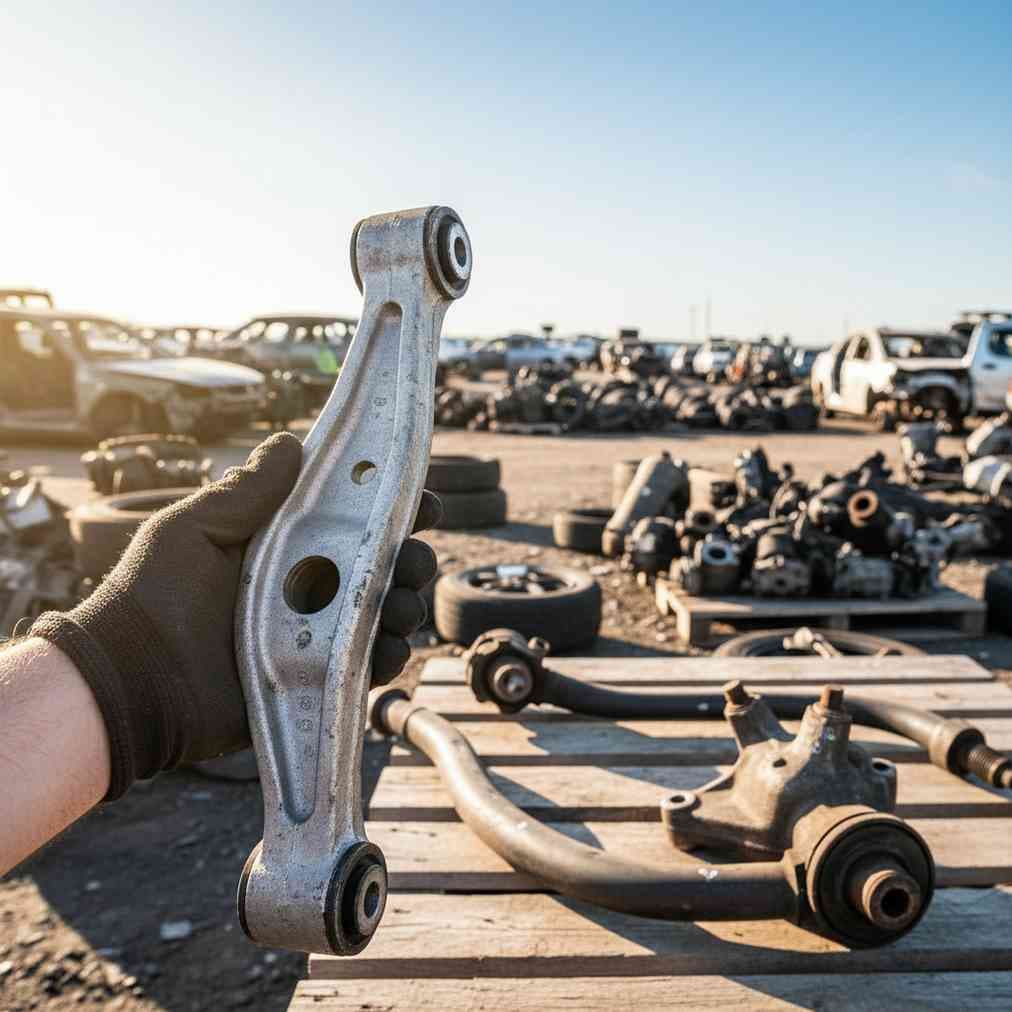
Control arms serve as the critical link between your vehicle's chassis and wheel hub, allowing controlled vertical movement over uneven surfaces. These suspension components work alongside other parts to ensure stability, proper tire contact, and comfortable ride quality. According to MOOG Parts, control arms are fundamental to maintaining proper wheel alignment and absorbing road shocks effectively.
The Financial Benefits of Buying Used Suspension Parts
Purchasing used suspension parts from salvage yards offers compelling advantages that make them an attractive option for budget-conscious vehicle owners. The cost savings alone can be substantial, often reaching 50-80% compared to new OEM parts.
Part Type
New Part Cost
Used Part Cost
Potential Savings
Control Arm
$200-$400
$50-$150
60-75%
Steering Knuckle
$150-$300
$40-$100
65-70%
Sway Bar
$100-$250
$25-$75
70-80%
Beyond the financial benefits, choosing recycled auto parts supports environmental sustainability by reducing manufacturing waste and conserving resources. Many reputable salvage yards also provide warranties on their parts, offering additional peace of mind for your purchase.
Critical Inspection Points for Used Control Arms
When evaluating used control arms at a salvage yard, thorough inspection is essential to ensure you're getting a reliable part. Understanding your vehicle's suspension system helps you identify potential issues before making a purchase.
Visual Inspection: Check for cracks, significant rust damage, or structural deformation
Bushing Condition: Examine rubber bushings for tears, cracks, or excessive wear
Ball Joint Assessment: Look for damaged boots or excessive play in the joint
Mounting Points: Ensure bolt holes are not elongated or damaged
Overall Integrity: Verify the arm maintains its original shape without bending
“Like with any second-hand car parts, you will need to inspect the particular part you are looking at buying to make sure it's in good condition. Otherwise you risk wasting time and money installing a faulty part, or one that will fail soon and will need to be replaced again.”
Evaluating Steering Knuckles and Hub Assemblies
Steering knuckles are critical components that connect the wheel to the suspension system. When examining used steering knuckles, focus on areas that experience the most stress during vehicle operation. Similar to when to buy other used auto parts, timing and careful evaluation are crucial.
Structural Integrity: Check for cracks around ball joint mounting areas
Bearing Surfaces: Inspect wheel bearing housing for scoring or damage
Thread Condition: Ensure all threaded holes are clean and undamaged
Tie Rod Connections: Verify mounting points are not worn or damaged
Sway Bar Assessment: What to Look For
Sway bars (anti-roll bars) play a crucial role in reducing body roll during cornering. Understanding suspension dynamics helps you appreciate why these components must maintain their structural integrity to function properly.
Bar Condition: Look for bends, cracks, or signs of fatigue
End Links: Check connecting links for wear or damage
Bushings: Examine mounting bushings for deterioration
Mounting Brackets: Ensure brackets are not cracked or deformed
Compatibility and Fitment Considerations
Ensuring proper fitment is crucial when purchasing suspension components from salvage yards. Unlike some OEM car parts that may have universal applications, suspension components are typically vehicle-specific.
Verification Point
What to Check
Why It Matters
Vehicle Year
Exact model year match
Suspension geometry changes between years
Engine Size
Displacement and configuration
Different engines may require different mounting points
Trim Level
Base vs. sport packages
Performance trims often have unique suspension components
Drivetrain
FWD, RWD, or AWD
Drive configuration affects suspension design
Tools and Techniques for Proper Inspection
Having the right approach when inspecting suspension parts at salvage yards can make the difference between a successful repair and costly mistakes. Professional mechanics recommend specific techniques for evaluating used components effectively.
Visual Assessment: Use good lighting to spot cracks or damage
Physical Testing: Gently stress test bushings and joints
Measurement Verification: Compare dimensions with your existing parts
Part Number Cross-Reference: Match OEM part numbers when possible
Consider visiting salvage yards during the best days to hit the junkyard when you'll have better selection and potentially lower prices on quality parts.
Common Red Flags to Avoid
Certain warning signs should immediately disqualify suspension components from consideration, regardless of the attractive price. Recognizing these issues can prevent safety hazards and costly reinstallation work.
Deep Rust or Corrosion: Structural compromise affecting safety
Obvious Damage: Bent, cracked, or severely worn components
Severe Bushing Degradation: Rubber components falling apart or hardened beyond use
Ball Joint Failure: Excessive play or damaged boot seals
Maximizing Value: Complete Assembly vs. Individual Components
When shopping for suspension parts, you'll often have the choice between complete assemblies or individual components. Understanding the trade-offs can help you make the most cost-effective decision for your specific situation.
Installation Considerations and Professional Advice
Successfully installing used suspension components requires attention to detail and proper mechanical knowledge. While some enthusiasts may tackle these repairs themselves, suspension work affects vehicle safety and should be approached with caution.
Consider the complexity of suspension repairs when deciding between DIY installation and professional service. Many salvage yards can recommend trusted mechanics familiar with used parts installation. For guidance on finding qualified professionals, check out our article on questions to ask before choosing an auto repair shop.
Professional installation videos can provide valuable insights into proper techniques and safety procedures for suspension component replacement.
Quality Assurance and Warranty Options
Reputable salvage yards often provide warranty coverage on suspension components, offering protection against premature failure. Understanding what's covered and for how long can influence your purchasing decision and provide valuable peace of mind.
Standard Warranty: Typically 30-90 days on major suspension components
Return Policy: Exchange options if parts don't fit properly
Quality Grading: Some yards grade parts by condition and adjust pricing accordingly
Installation Support: Technical guidance for proper installation procedures
Cost-Effective Suspension Repair Strategies
Developing a smart approach to suspension repairs using salvage yard parts can extend your vehicle's life while maintaining safety and performance. Consider these strategies when planning your repair project.
Start by identifying which components actually need replacement rather than replacing entire assemblies unnecessarily. Many times, only one component in a suspension assembly has failed, making targeted replacement more economical. This approach aligns with why people choose used auto parts over new alternatives.
Repair Strategy
Cost Range
Time Investment
Skill Level Required
Individual Component Replacement
$50-$150
2-4 hours
Intermediate
Complete Assembly Swap
$150-$300
1-2 hours
Beginner-Intermediate
Professional Installation
$300-$600
Service appointment
None required
Environmental Impact and Sustainability Benefits
Choosing used suspension components contributes to environmental sustainability by extending the useful life of automotive parts and reducing manufacturing demand. This circular economy approach benefits both your wallet and the environment.
Resource Conservation: Reduces demand for raw materials and energy-intensive manufacturing
Waste Reduction: Diverts functional components from landfills
Carbon Footprint: Lower environmental impact compared to new part production
Making the most of your salvage yard visit requires preparation and strategy. Experienced bargain hunters have developed techniques that consistently yield quality parts at great prices.
Before visiting, research your specific vehicle's suspension components and identify the exact parts you need. Bring basic tools for inspection and removal if you're shopping at a u-pull-it junkyard where you'll be removing parts yourself. Consider visiting multiple locations to compare quality and prices.
Pre-Visit Research: Know your vehicle's specifications and part requirements
Tool Preparation: Bring necessary tools for inspection and removal
Time Management: Allow sufficient time for thorough inspection
Documentation: Take photos of parts for later reference
Negotiation: Don't be afraid to discuss pricing, especially for multiple parts
Future Considerations and Maintenance
Installing used suspension components is just the beginning of maintaining your vehicle's suspension system. Understanding ongoing maintenance requirements helps ensure your investment provides long-term value and safety.
Plan for eventual replacement of related components that may wear more quickly due to the age difference with your “new” used parts. Also, establish a regular inspection schedule to monitor the condition of your suspension components, as control arms and other suspension parts experience constant stress during vehicle operation.
By following these guidelines and conducting thorough inspections, you can successfully source quality suspension components from salvage yards, achieving significant cost savings while maintaining your vehicle's safety and performance. Remember that suspension components are critical safety items, so never compromise on quality for the sake of a few dollars in savings.