Finding High-Quality Used Brakes at a Junkyard: Calipers, Hoses, and Rotors
Understanding the Critical Role of Brake Components When searching for high-quality used brakes at a junkyard, understanding the importance of each component is crucial for your safety and vehicle performance. Choosing the right brake components can save you hundreds of dollars while maintaining optimal braking performance. Brake calipers serve as the powerhouse of your disc [...]
Article image
Understanding the Critical Role of Brake Components
When searching for high-quality used brakes at a junkyard, understanding the importance of each component is crucial for your safety and vehicle performance. Choosing the right brake components can save you hundreds of dollars while maintaining optimal braking performance.
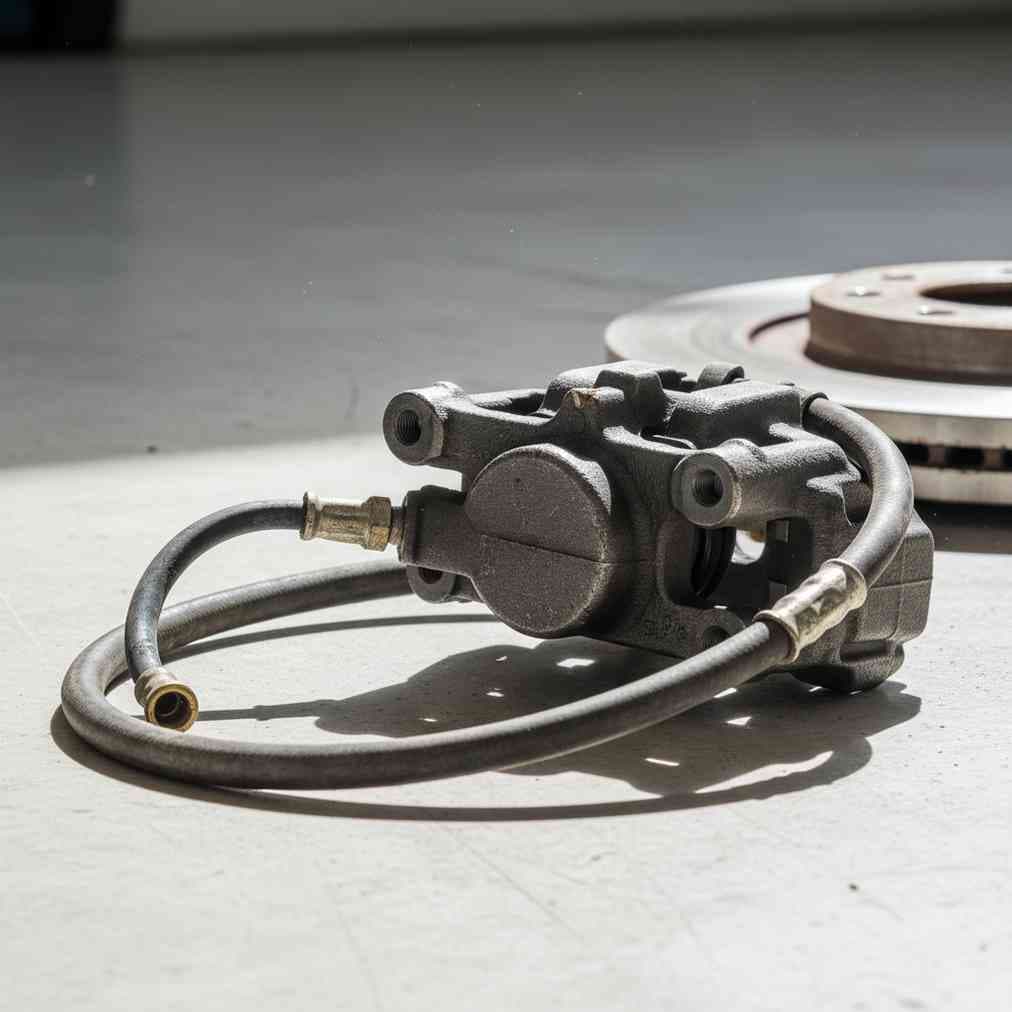
Brake calipers serve as the powerhouse of your disc brake system, housing pistons that press brake pads against rotors to create the friction necessary to stop your vehicle. These components must maintain hydraulic pressure without leaking and allow smooth piston movement for even brake pad contact.
Brake hoses are the flexible lifelines that carry brake fluid from your master cylinder to each caliper. Their flexibility accommodates wheel movement during steering and suspension travel while maintaining critical hydraulic pressure throughout the braking system.
Essential Visual Inspection Checklist for Used Brake Calipers
Before purchasing used brake calipers from a junkyard, follow this comprehensive inspection checklist to ensure you're getting safe and functional components:
Caliper Housing and Structural Integrity
Examine the caliper body for cracks, heavy rust, or corrosion that could compromise structural integrity
Check mounting brackets for damage, wear, or broken welds around attachment points
Inspect guide pin bores for excessive wear or corrosion that could cause caliper binding
Look for signs of impact damage or metal fatigue, especially around high-stress areas
According to AutoZone's brake caliper guide, damaged caliper housings are one of the primary causes of brake system failure and should never be overlooked during inspection.
Piston and Seal Assessment
Test piston movement by gently pressing – it should move smoothly without sticking
Examine dust boots and seals for tears, cracks, or signs of deterioration
Check for brake fluid leakage around the piston area, which indicates seal failure
Look for corrosion on the piston surface that could damage seals or cause binding
Professional mechanics recommend that seized brake calipers should be avoided entirely, as the internal damage often extends beyond what's visible during a basic inspection.
Threads and Bleeder Screw Condition
Inspect all threaded connections for damage, corrosion, or stripping
Test bleeder screws for functionality – they should turn without excessive force
Check brake line connection threads, as aluminum calipers are particularly susceptible to damage
Verify that all necessary hardware is present and in good condition
Comprehensive Brake Hose Inspection Guide
Brake hoses are often overlooked but represent a critical safety component. Proper brake system inspection must include thorough hose evaluation:
Inspection Point
What to Look For
Red Flags
Hose Surface
Smooth, flexible rubber
Cracks, splits, abrasions
Hose Ends
Clean metal fittings
Rust, corrosion, damage
Flexibility
Bends without resistance
Hardness, brittleness
Shape
Consistent diameter
Bulges, swelling, kinks
Critical Hose Defects to Avoid
Surface cracking indicates rubber deterioration and potential failure
Bulging or swelling suggests internal damage and imminent rupture risk
Hardened areas show age-related deterioration that compromises flexibility
Fluid residue around connections indicates existing or previous leaks
“Even small brake hose defects can lead to catastrophic brake failure. When in doubt, replacement is always safer than risk.”
– Automotive Safety Institute
Rotor Assessment at Auto Salvage Yards
While brake rotor inspection requires specific measurements, visual assessment can eliminate obviously damaged components:
Check for deep scoring or gouging on rotor surfaces
Look for signs of overheating like blue discoloration or heat checking
Assess overall thickness – rotors that appear unusually thin should be avoided
Examine the hat section for cracks or structural damage
Many auto recyclers now pre-inspect brake rotors, saving you time and ensuring better quality components.
Expert Tips for Junkyard Brake Shopping Success
Best Practices for Component Selection
Focus on low-mileage vehicles or those with recent brake service history
Bring basic tools for component removal and inspection
Consider purchasing complete caliper assemblies rather than individual components
Always inspect both sides of the vehicle for comparison
Professional mechanics often recommend buying used auto parts from vehicles that were rear-ended or had front-end damage, as brake components are typically undamaged in these scenarios.
Tools to Bring for Proper Inspection
Flashlight or headlamp for detailed visual inspection
Wire brush to clean surfaces for better assessment
Basic hand tools for component removal
Brake cleaner to remove dirt and debris for accurate evaluation
Gentle braking for the first 100 miles to ensure proper seating
Monitor for any unusual noises, vibrations, or pulling
Check for leaks after initial installation and first few drives
Schedule follow-up inspection after 500 miles of use
Finding the Best Auto Salvage Yards for Brake Components
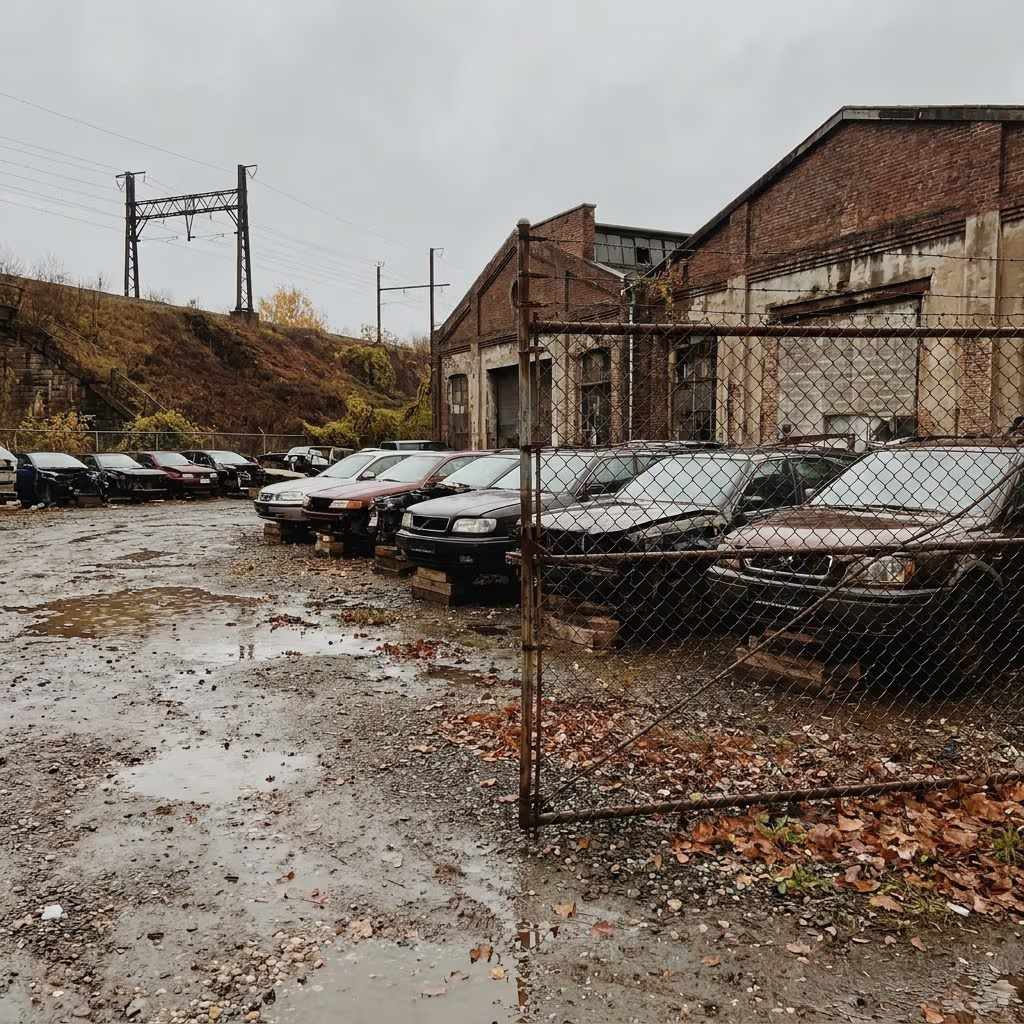
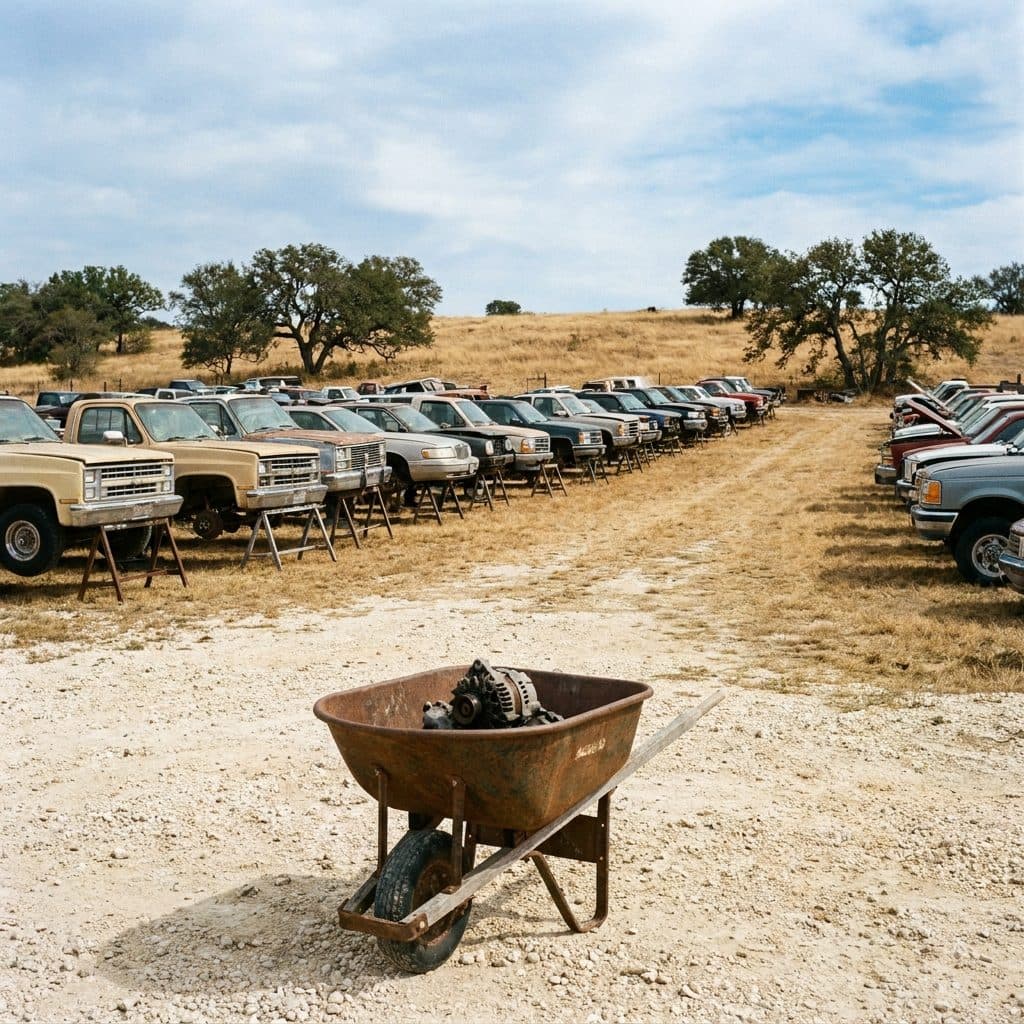
Not all junkyards are created equal when it comes to brake component quality. Local auto salvage yards that specialize in late-model vehicles often provide the best selection of quality brake components.
What to Look for in a Quality Salvage Yard
Organized inventory system for easy component location
Climate-controlled or covered storage areas
Knowledgeable staff who understand brake system components
Return policy for defective parts
Parts warranty, even if limited
Many successful DIY mechanics recommend visiting established chain operations for brake components due to their standardized quality control processes.
Final Safety Recommendations
Your vehicle's braking system is the most critical safety feature, and compromising on quality can have devastating consequences. While high-quality used brake components can provide significant savings, they should only be purchased after thorough inspection and with complete confidence in their condition.
“The cost difference between used and new brake components pales in comparison to the potential cost of brake system failure. When in doubt, invest in new components for peace of mind.”
– National Institute for Automotive Service Excellence
Remember that brake work often requires professional expertise. If you're not completely confident in your ability to properly inspect, install, and test brake components, consult with a qualified automotive professional before making any purchases or installations.
For those ready to explore the world of automotive salvage, self-service auto parts yards offer the best opportunity to personally inspect and select the brake components that meet your safety standards and budget requirements.