From the Ground Up: How to Find a Complete Engine/Transmission Dropout
What Is a Complete Engine/Transmission Dropout? A complete engine/transmission dropout refers to the removal method where the entire engine, transmission, and often the front subframe (k-frame) are extracted as a single unit from underneath the vehicle. This technique has become increasingly popular for major engine swap projects, particularly with modern front-wheel drive (FWD) vehicles where [...]
Article image
What Is a Complete Engine/Transmission Dropout?
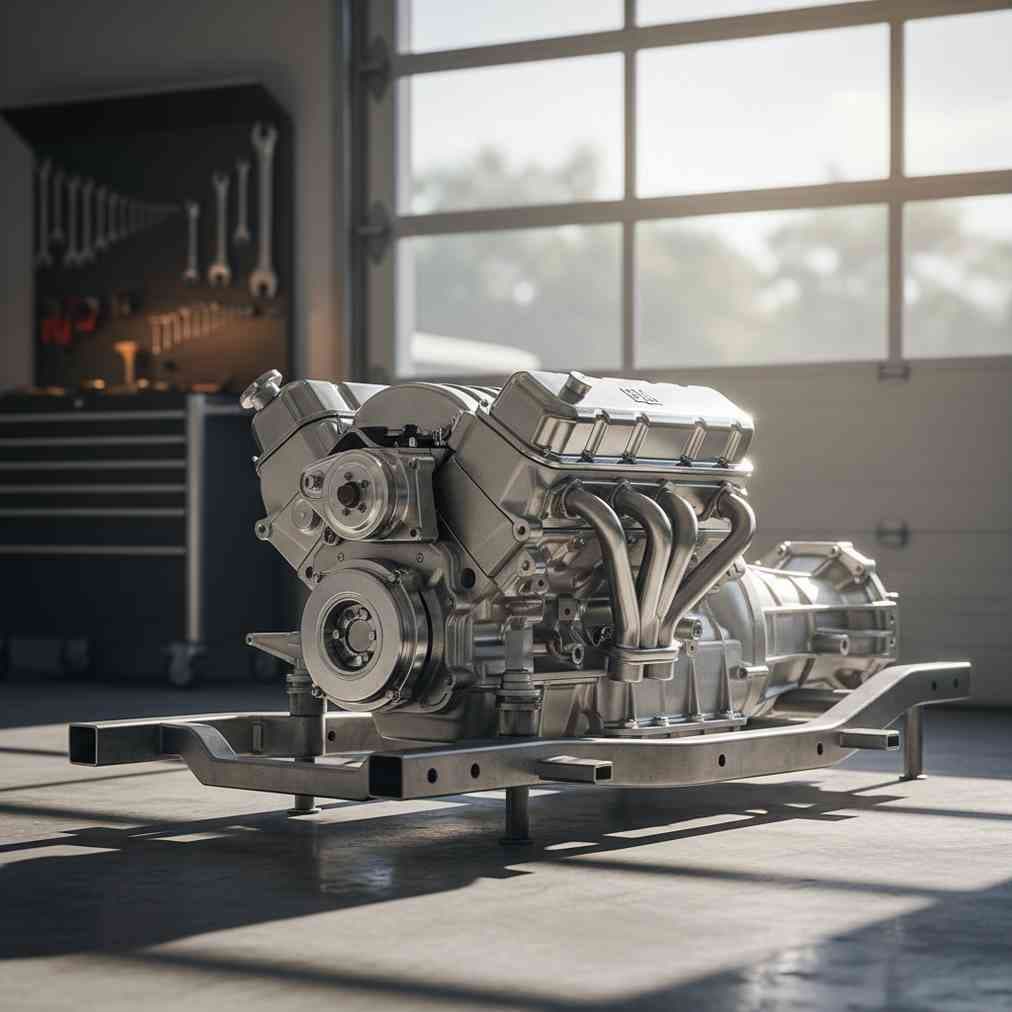
A complete engine/transmission dropout refers to the removal method where the entire engine, transmission, and often the front subframe (k-frame) are extracted as a single unit from underneath the vehicle. This technique has become increasingly popular for major engine swap projects, particularly with modern front-wheel drive (FWD) vehicles where space constraints make traditional top-removal methods impractical.
In the used parts market, a “complete dropout” typically means the engine, transmission, wiring harness, and Engine Control Unit (ECU) removed as one ready-to-install package from a donor vehicle. This comprehensive approach ensures all necessary electronic parts are present for successful swaps, especially crucial for modern computerized powertrains.
Why Choose the Dropout Method Over Traditional Engine Removal?
The dropout method offers several compelling advantages over conventional top-extraction techniques, making it the preferred choice for many professional mechanics and DIY enthusiasts working on complex engine swaps.
Efficiency and Time Savings
The primary benefit lies in reduced disconnection requirements. When dropping the assembly from below, many parts remain attached to the subframe, eliminating extensive under-hood disconnection work. This approach allows simultaneous removal of engine, transmission, and suspension parts mounted to the subframe.
Less disconnecting compared to top-removal methods
Maintains alignment between engine and transmission
Simplifies the process of moving the entire assembly
Reduces risk of component damage during removal
Superior Clearance for Modern Vehicles
For tightly packed engine bays, especially in FWD cars, dropping the assembly from below often provides the only feasible vertical clearance. Modern vehicles pack more parts into smaller spaces, making traditional removal methods nearly impossible without extensive component removal.
Essential Pre-Inspection Checklist for Dropout Assemblies
Before committing to a dropout assembly purchase, thorough inspection prevents costly mistakes. A “complete” assembly doesn't guarantee functionality, making careful evaluation crucial for project success.
Inspection Area
What to Check
Red Flags
Engine/Transmission Casing
Visual cracks, damage, impact signs
Deep cracks, severe dents, oil weepage
Fluid Condition
Color, consistency, contamination
Metal shavings, milky oil, burnt smell
Manual Transmission Input
Shaft play, bearing condition
Excessive up/down or side movement
Gear Engagement
Smooth shifting through all gears
Grinding, resistance, stuck gears
Output Shaft Play
Differential/axle spline condition
Excessive movement, worn splines
“Just means they took the motor out of another car or truck. Generally on eBay they will post what it came out of and how many miles are on it. Ads should also list what comes with it… Trans, wiring harness, etc.”
Tools and Equipment Requirements
Success with the dropout method demands proper equipment and safety measures. The height requirement represents the most significant challenge, necessitating adequate clearance underneath the vehicle.
Labeling materials (tape, markers for reconnection)
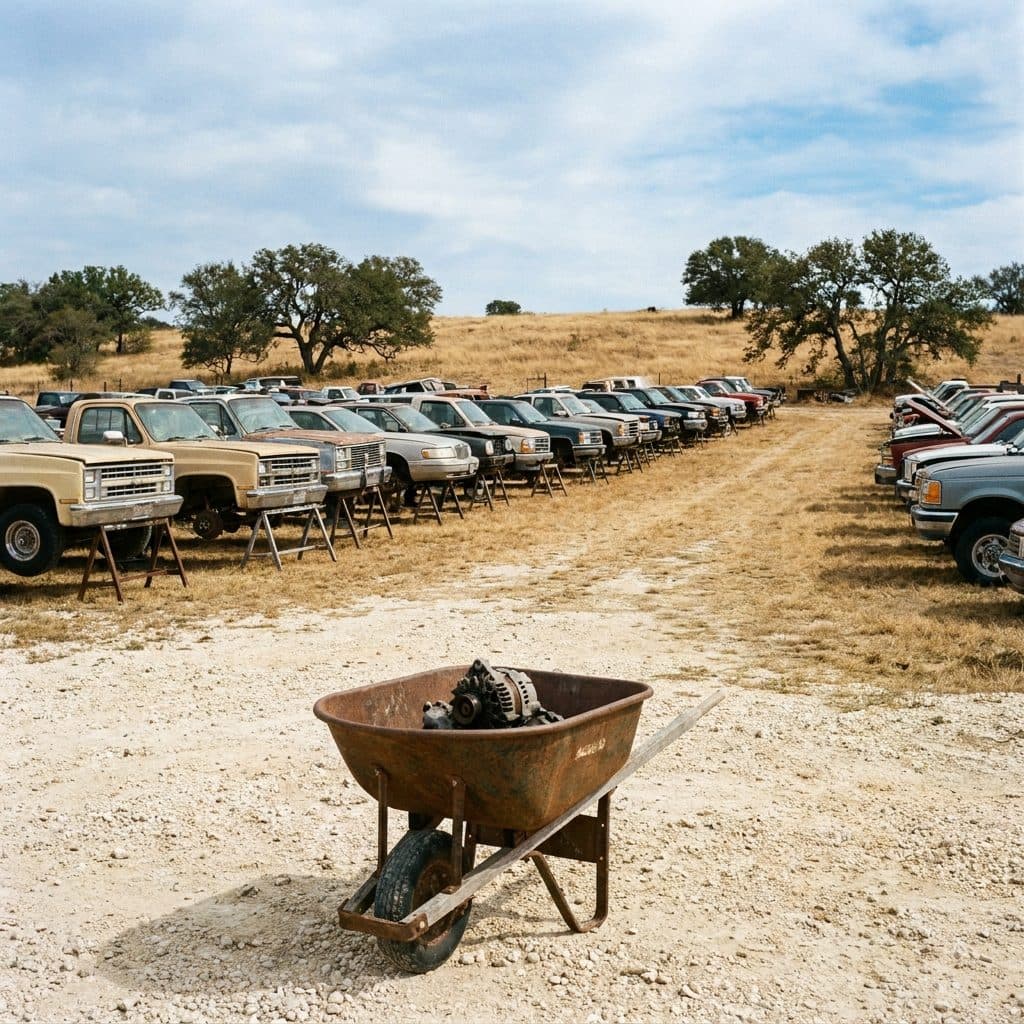
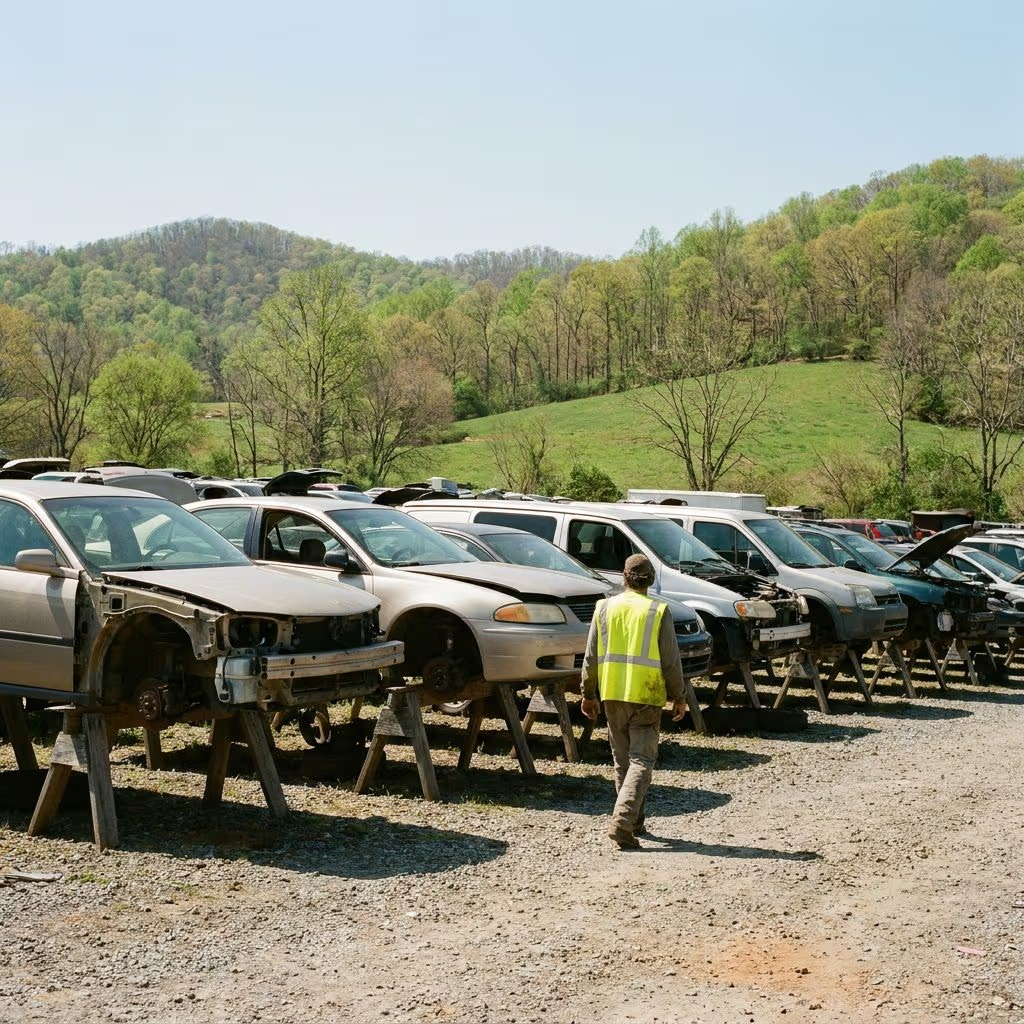
For those seeking quality used parts for their projects, finding a reliable junkyard near me can provide access to complete dropout assemblies at significant savings compared to new parts.
Step-by-Step Dropout Process
The dropout process follows a systematic sequence focusing on disconnecting everything connecting the engine/transmission/subframe assembly to the chassis. Labeling every connection proves essential for successful reassembly.
Phase 1: Preparation and Fluid Management
Proper preparation prevents environmental contamination and ensures safe working conditions throughout the removal process.
Disconnect battery cables completely
Relieve fuel system pressure safely
Drain engine oil and coolant into appropriate containers
Professional AC system evacuation (if applicable)
Secure workspace and gather all necessary tools
Phase 2: Undercarriage and Suspension Disconnections
This phase focuses on separating the subframe assembly from the vehicle's chassis and suspension systems.
Axle separation from transmission (FWD vehicles)
Driveshaft removal (RWD applications)
Exhaust system disconnection
Power steering line separation
Steering rack disconnection from steering column
Brake line separation from subframe-mounted parts
Strut/shock unbolteding from subframe
Engine and transmission mount removal
Primary subframe mounting bolt removal
Phase 3: Engine Bay Disconnections
The final disconnection phase addresses all remaining connections between the assembly and vehicle body.
System
Parts to Disconnect
Special Considerations
Cooling
Radiator, fan shroud, hoses
Drain completely, check for leaks
Fuel
High/low pressure lines
Relieve pressure first, use proper containers
Electrical
Main harness, ECU, grounds
Label everything, photograph connections
Transmission
Shifter cables/linkages
Mark positions for reassembly
Vacuum
Brake booster, cruise control
Check for cracked or brittle lines
“Basically if it is attached to both the body and either the engine, tranny, or sub frame, directly or indirectly it needs to be disconnected.”
Special Considerations for Different Vehicle Types
Front-Wheel Drive Applications
FWD vehicles represent the most common application for dropout removal due to their transverse engine mounting and integrated subframe designs. The transverse orientation makes traditional top removal extremely difficult.
Engine mounted sideways requires different approach
Subframe typically cradles engine, transmission, and suspension
CV axles must be carefully separated to prevent damage
Power steering rack often integrated with subframe
Rear-Wheel Drive Considerations
While less common, RWD applications can benefit from dropout methods, especially vehicles with front subframes that cradle the engine and suspension parts.
Longitudinal engine orientation provides different challenges
Understanding the financial and time investments helps set realistic expectations for dropout-based engine swap projects.
Project Aspect
Typical Range
Factors Affecting Cost
Labor Time
6-8 hours minimum
Experience level, vehicle complexity
Total Project Cost
$3,000-$5,000
Engine choice, required modifications
Dropout Assembly
$800-$3,000
Engine type, mileage, completeness
Additional Parts
$500-$1,500
Mounts, hoses, fluids, miscellaneous
For those considering selling their current vehicle to fund a project, obtaining an instant quote for junk car can provide valuable insight into available budget for the swap.
Safety Protocols and Best Practices
Safety must remain the top priority throughout any dropout operation. The combination of heavy parts, hydraulic fluids, and complex mechanical systems creates multiple hazard points.
Personal Protective Equipment
Safety glasses – mandatory for all work
Work gloves – protect against cuts and chemicals
Steel-toe boots – essential for heavy part handling
Work clothing – avoid loose garments near moving equipment
Fluid Handling Procedures
Proper fluid management prevents environmental damage and ensures compliance with local regulations.
Use appropriate containers for different fluid types
Never mix different fluids in same container
Dispose of fluids at certified recycling centers
Clean up spills immediately with absorbent materials
Maintain proper ventilation when working with solvents
Common Challenges and Solutions
Even experienced mechanics encounter obstacles during dropout operations. Understanding common issues and their solutions prevents project delays and frustration.
Stuck or Corroded Fasteners
Years of exposure to road salt and moisture can make fastener removal extremely difficult.
Apply penetrating oil 24 hours before removal
Use heat carefully to break corrosion bonds
Have cutting tools available for severely stuck bolts
Plan for fastener replacement in budget
Wiring Harness Complications
Modern vehicles contain extensive wiring that must be carefully managed during dropout operations.
“The more you disconnect, the more it will become apparent what else needs to be disconnected.”
Photography documentation before disconnection
Use colored tape for different circuit identification
Test all connections before final assembly
Keep spare connectors and terminals on hand
Modern Trends in Dropout Assembly Sourcing
The salvage industry has evolved to meet growing demand for complete dropout packages, particularly for popular engine swaps. This trend reflects the increasing complexity of modern powertrains and the need for complete electronic integration.
Popular Engine Swap Applications
LS engine swaps represent the most common application where complete dropout packages ensure all necessary electronic parts are present. The complexity of modern engine management systems makes partial swaps increasingly difficult.
Complete ECU and wiring harness inclusion
Immobilizer and security system integration
Emissions compliance maintenance
Reduced integration complexity for DIY builders
Digital Integration and Future Developments
Modern technology is transforming how enthusiasts identify and source dropout assemblies. AI and data science trends are beginning to influence parts identification and compatibility verification.
VIN-based compatibility databases
Digital inventory tracking systems
Online marketplace integration
Mobile apps for on-site part identification
Quality Verification and Testing Procedures
Verifying the condition of a dropout assembly before installation prevents costly rework and ensures project success. Comprehensive testing procedures help identify potential issues before they become expensive problems.
Engine Testing Protocol
When possible, conduct these tests while the engine remains in the donor vehicle:
Compression test on all cylinders
Oil pressure verification at idle and RPM
Coolant system pressure test
Electronic system diagnostic scan
Listening for unusual noises or vibrations
Transmission Evaluation
Transmission problems often don't become apparent until under load, making pre-purchase testing crucial:
Test Type
Manual Transmission
Automatic Transmission
Visual Inspection
Case cracks, fluid leaks
Case integrity, cooler lines
Fluid Analysis
Gear oil color/consistency
ATF condition, burnt smell
Mechanical Test
Gear engagement smoothness
Shift quality, slippage
Electronic Check
Clutch operation
Solenoid function, codes
Installation Planning and Preparation
Success with a dropout assembly extends beyond removal – proper installation planning ensures the project proceeds smoothly from start to finish.
Workspace Preparation
Creating an organized workspace prevents lost parts and reduces installation time:
Clean, level surface for assembly work
Adequate lighting for detailed work
Parts organization system with labeled containers
Reference materials and wiring diagrams
New fluids, filters, and wear items ready
Documentation and Record Keeping
Maintaining detailed records throughout the process helps troubleshoot issues and provides valuable reference for future maintenance:
Photo documentation of all connections and routing
Parts numbers and source information
Torque specifications and procedures used
Fluid capacities and types installed
Any modifications or adaptations made
Environmental Impact and Recycling Benefits
The dropout method supports environmental sustainability by maximizing parts reuse and minimizing waste. Complete assemblies often find new life in different vehicles, extending their useful service life significantly.
Recent developments in data science applications are helping salvage yards better track and manage inventory, improving the availability of quality dropout assemblies while reducing environmental impact.
Reduced manufacturing demand for new parts
Lower energy consumption versus new production
Decreased landfill waste from scrapped vehicles
Extended service life for quality mechanical parts
Support for circular economy principles in automotive sector
Conclusion: Maximizing Success with Dropout Projects
The dropout method represents an efficient, practical approach to major engine and transmission projects, particularly for modern vehicles with space constraints. Success depends on thorough preparation, proper equipment, and careful attention to safety protocols throughout the process.
Whether sourcing a dropout assembly for a performance build or restoration project, understanding the complete process helps ensure project success while maintaining safety and efficiency. The growing availability of complete packages in the salvage market makes this approach increasingly attractive for both professional and DIY applications.
Remember that patience and methodical approach yield the best results. As one expert noted, “The more you disconnect, the more it will become apparent what else needs to be disconnected.” This progressive revelation emphasizes the importance of allowing adequate time and maintaining detailed documentation throughout the entire dropout process.