Getting High-Quality Used Wheels and Rims from a Salvage Yard
Finding high-quality used wheels and rims from a salvage yard can save you hundreds of dollars while maintaining your vehicle's performance and safety. However, success depends on knowing what to look for and how to properly inspect these critical components before purchase. Essential Inspection Tips for Used Wheels and Rims When shopping for used wheels [...]
Article image
Finding high-quality used wheels and rims from a salvage yard can save you hundreds of dollars while maintaining your vehicle's performance and safety. However, success depends on knowing what to look for and how to properly inspect these critical components before purchase.
Essential Inspection Tips for Used Wheels and Rims
When shopping for used wheels at salvage yards, a thorough inspection is crucial for your safety and investment. Professional rim inspectors recommend several key examination techniques to identify potential problems before they become dangerous.
Physical Damage Assessment
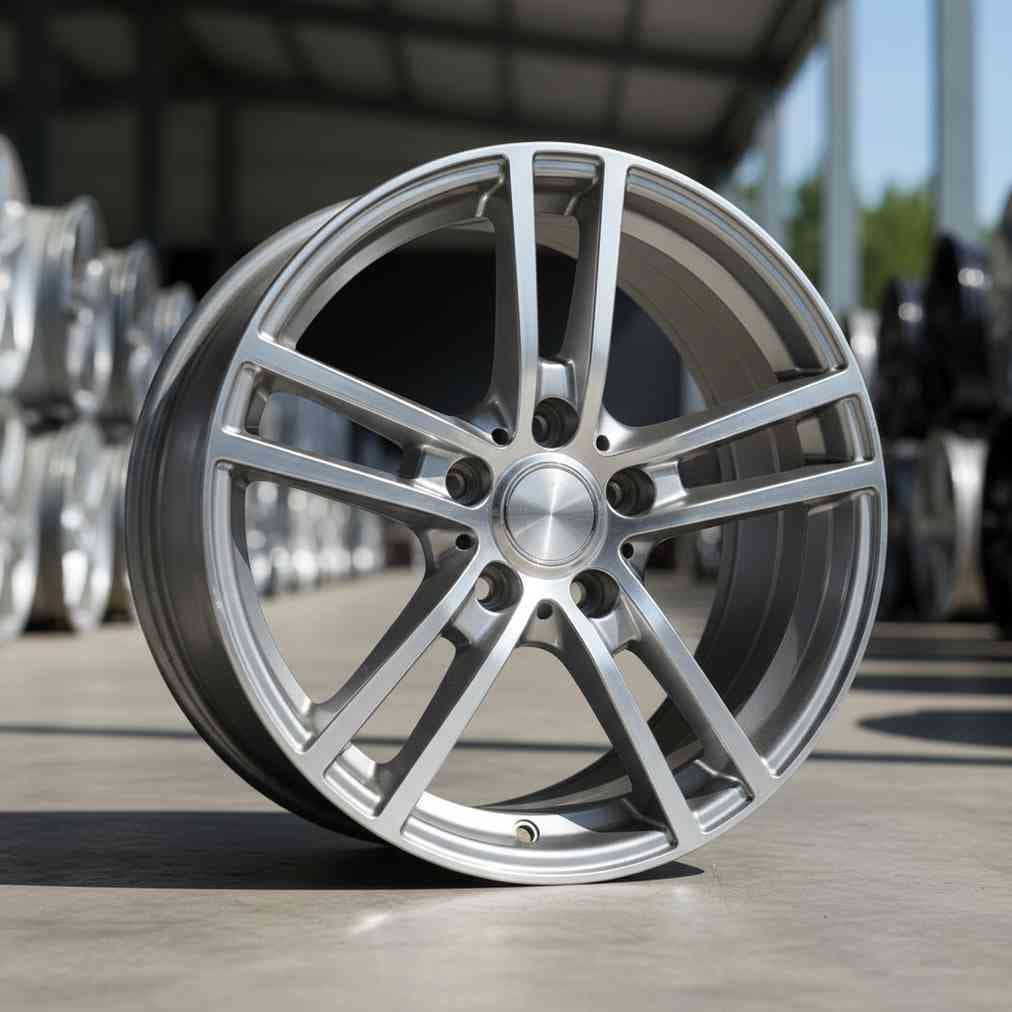
Start by examining the entire wheel surface for cracks, dents, or bends. Pay particular attention to these critical areas:
Outer rim edges – Check for impact damage from curbs or road hazards
Front and back surfaces – Look for hairline cracks that may worsen over time
Spoke areas – Inspect for stress fractures or deformation
Center hub – Ensure no cracks around the mounting area
To check for bends, roll the wheel on a flat surface. Any wobbling or sideways movement indicates structural damage that could cause tire failure at highway speeds.
Advanced Testing Methods
Test Type
Purpose
What to Look For
Spin Test
Detect wobbling/vibrations
Smooth rotation without lateral movement
Leak Test
Find air leaks
No bubbles when submerged in water
Roll Test
Identify bends
Straight rolling without wobbling
Bolt Hole Check
Assess mounting integrity
Perfectly round holes, no elongation
Professional salvage yards often use magnetic particle testing for steel rims and dye penetrant testing for aluminum wheels to detect invisible cracks. When shopping at quality salvage yards, ask if they perform these advanced inspections.
Identifying Corrosion and Structural Issues
Corrosion and rust can significantly compromise wheel integrity. Expert tire inspectors recommend examining these problem areas:
Bolt holes – Rust here can cause mounting failures
Rim edges – Corrosion affects tire sealing
Weld lines – Previous repairs may indicate hidden damage
Paint chips – Can reveal underlying metal deterioration
“When evaluating the quality of used wheels, structural integrity is paramount. Ensure there are no cracks, bends, dents, or missing parts.”
Use a flashlight to inspect dark areas where dirt might hide damage. Surface rust may be acceptable if it hasn't penetrated deeply, but pitting or deep corrosion should be avoided entirely.
Why OEM Wheels Are Superior to Aftermarket Options
Original Equipment Manufacturer (OEM) wheels offer significant advantages over aftermarket alternatives. As explained in our guide to OEM car parts quality, these factory-designed components provide superior performance and value.
Perfect Fit and Compatibility
OEM wheels are engineered specifically for your vehicle's:
Suspension system – Proper weight distribution and handling
Brake components – Adequate clearance and heat dissipation
Load capacity – Designed for your vehicle's weight specifications
Offset and backspacing – Maintains proper alignment and steering
Cost Comparison Analysis
Wheel Type
Price Range
Warranty
Fit Quality
Used OEM (Salvage Yard)
$75 – $175
Limited/None
Perfect
New Aftermarket
$200 – $400
1-2 Years
Variable
New OEM
$400 – $800+
3+ Years
Perfect
The cost savings of buying used wheels become apparent when comparing these options. Used OEM wheels from salvage yards typically cost 60-80% less than new OEM equivalents while maintaining the same engineering standards.
Understanding Wheel Grading Systems
Professional salvage yards often use standardized grading systems to categorize wheel condition. The ARA wheel grading system provides clear condition indicators:
Grade A – Near-perfect condition with minimal cosmetic wear
Grade B – Good condition with minor scratches or scuffs
Grade C – Functional but with noticeable cosmetic damage
Grade D – Significant wear but structurally sound
When shopping at reputable auto recyclers, ask about their grading system to ensure you understand exactly what you're purchasing.
Safety Considerations and Legal Requirements
Vehicle safety regulations vary by state, but California's Bureau of Automotive Repair provides comprehensive safety guidelines that apply broadly across the United States.
Critical Safety Checkpoints
Load rating – Must match or exceed original specifications
Size compatibility – Diameter, width, and offset must be correct
Age limitations – Some states restrict wheels over certain ages
Structural integrity – No cracks, severe corrosion, or repairs
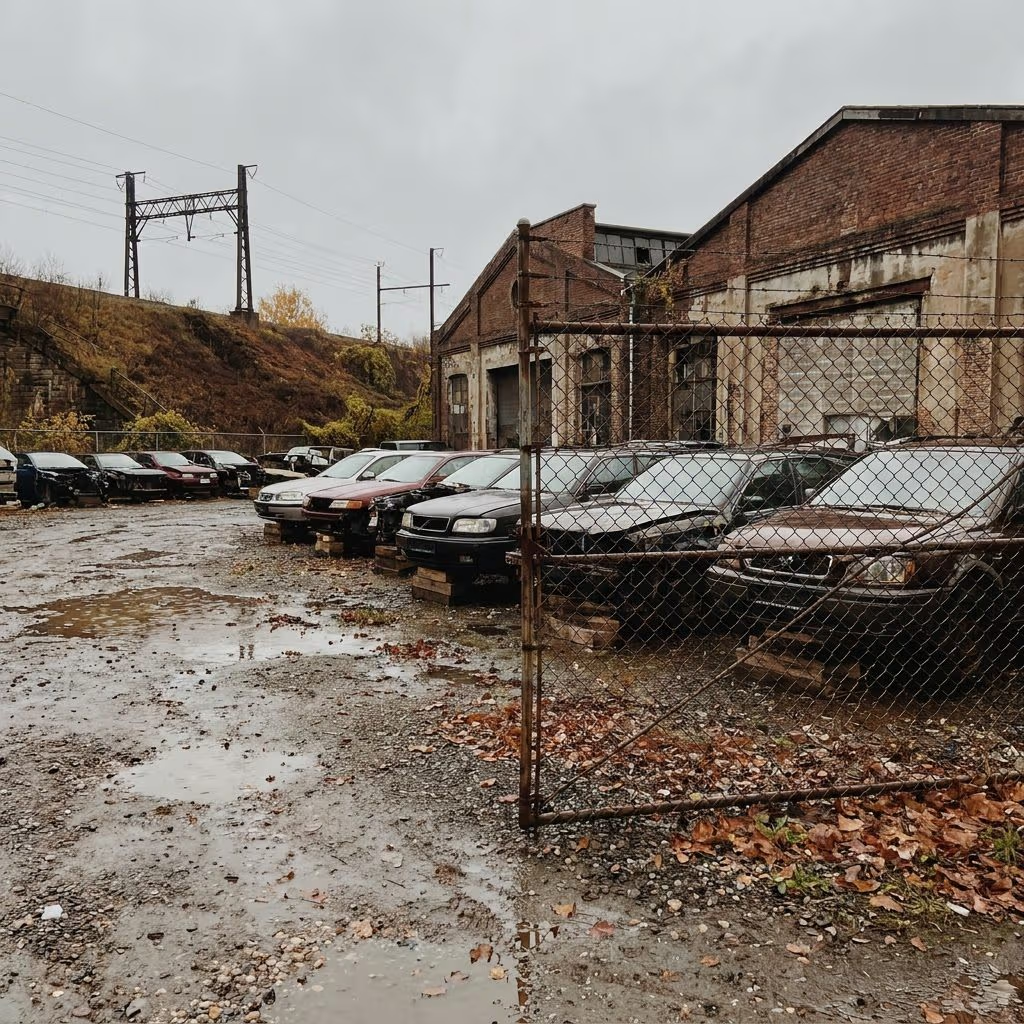
Not all salvage yards maintain the same quality standards. Spotting high-value auto parts requires visiting reputable establishments that properly inspect and store their inventory.
Best Types of Salvage Yards for Wheels
Full-service yards – Professional inspection and warranties available
OEM specialty recyclers – Focus on factory original parts
Self-service yards – Lower prices but buyer-beware policies
Online salvage networks – Wider selection with shipping options
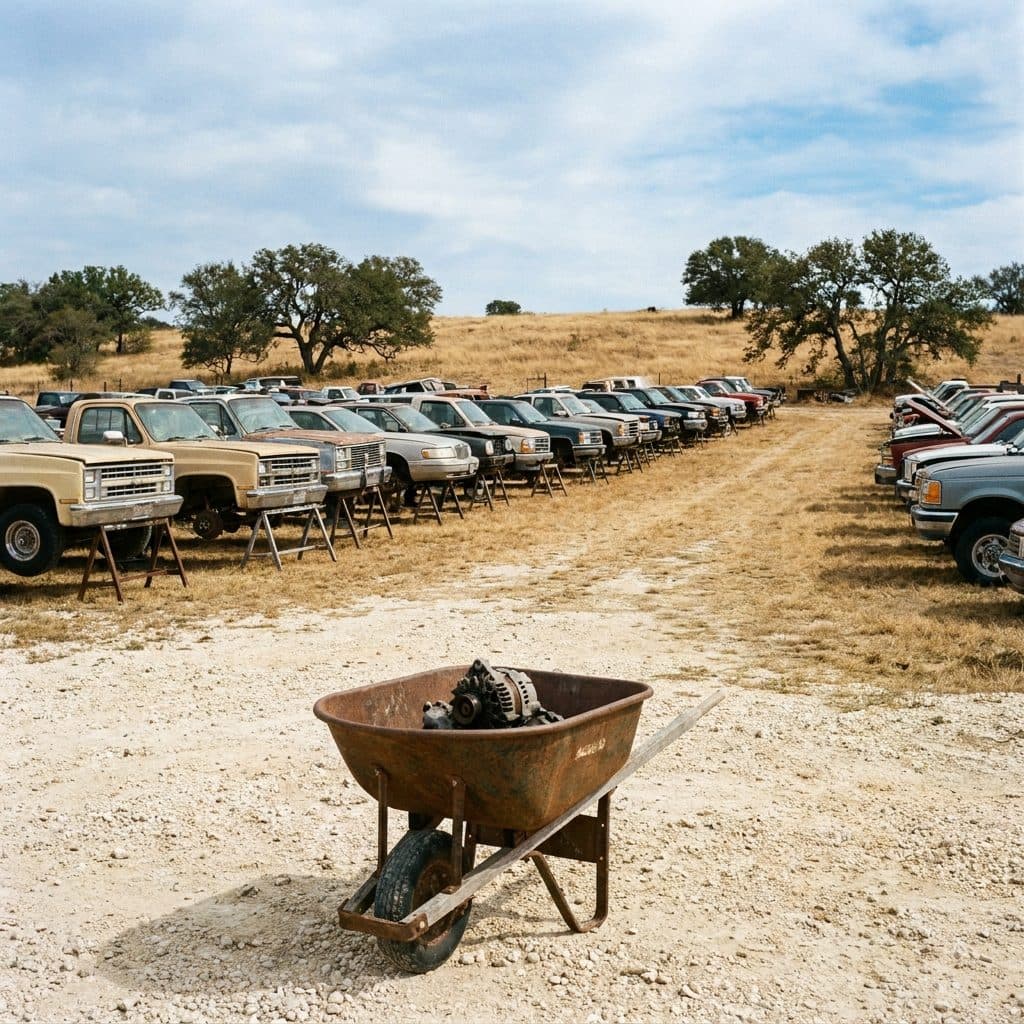
Consider visiting local u-pull-it salvage yards for the best selection and lowest prices, but bring proper inspection tools and knowledge.
Maintenance and Longevity Tips
Once you've purchased quality used wheels, proper maintenance ensures maximum lifespan and safety. Key maintenance practices include:
Regular cleaning – Remove road salt and brake dust buildup
Proper mounting – Use correct torque specifications
Periodic inspection – Check for new cracks or damage
Professional balancing – Ensure smooth operation and tire longevity
Successfully buying used wheels from salvage yards requires balancing cost savings with safety requirements. Professional buying guides emphasize that thorough inspection trumps low prices every time.
“Car experts prefer using factory original OEM parts because they are specifically designed for the vehicle, and therefore provide a better fit and a safer, smoother drive.”
When you find wheels that pass inspection, negotiate based on condition rather than appearance. Cosmetic imperfections shouldn't significantly affect pricing if the structural integrity remains sound.
Consider purchasing from established salvage yards that offer limited warranties or return policies. This additional protection justifies slightly higher prices compared to buyer-beware operations.
Remember that quality used OEM wheels from reputable salvage yards represent one of the best values in automotive parts. With proper inspection techniques and knowledge of what to avoid, you can save significantly while maintaining your vehicle's safety and performance standards.