How Insurance Salvage Auctions Work: A Buyer's Guide
How Insurance Salvage Auctions Work Insurance salvage auctions are specialized marketplaces where insurance companies sell vehicles declared a total loss to recoup claim payouts. This occurs when the estimated repair costs exceed a certain percentage of the car's current market value due to incidents like accidents, theft recovery, or natural disasters such as flood or [...]
Article image
How Insurance Salvage Auctions Work
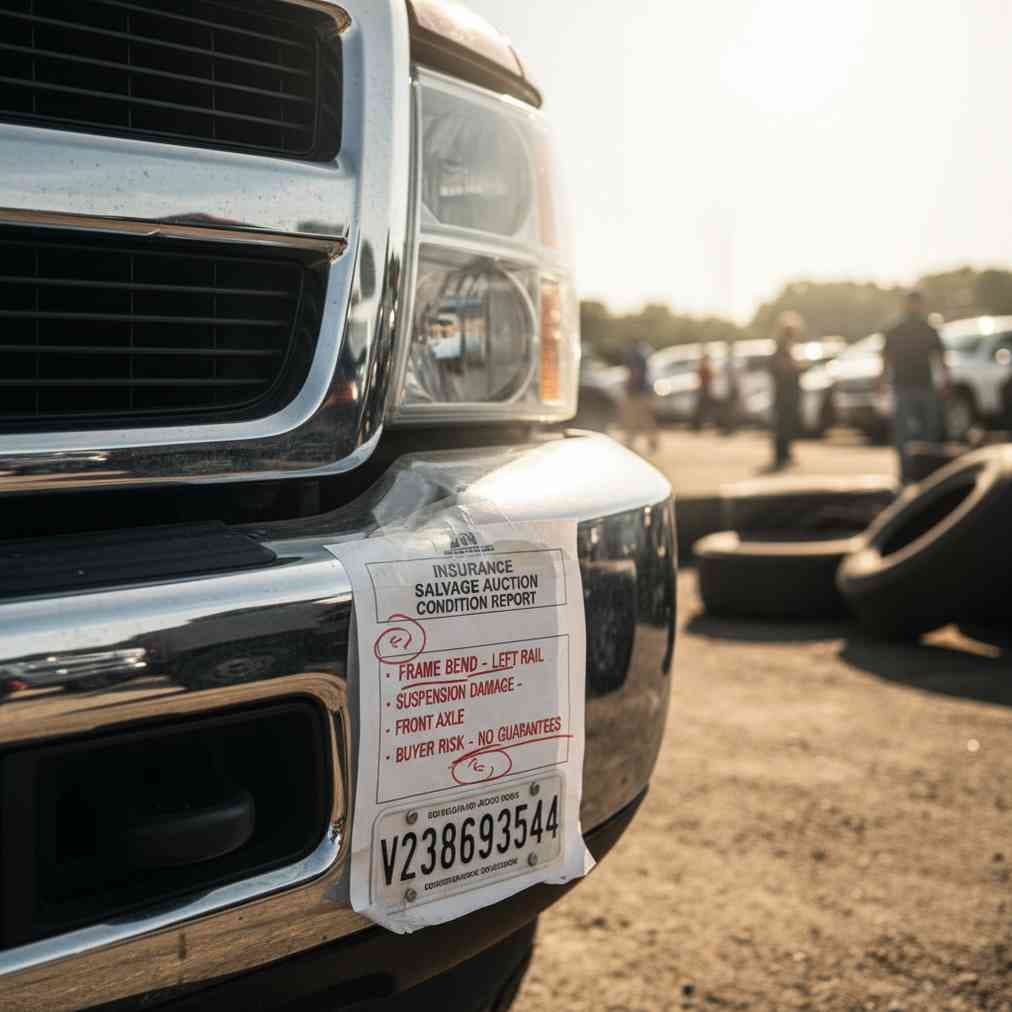
Insurance salvage auctions are specialized marketplaces where insurance companies sell vehicles declared a total loss to recoup claim payouts. This occurs when the estimated repair costs exceed a certain percentage of the car's current market value due to incidents like accidents, theft recovery, or natural disasters such as flood or hail damage. Online platforms have dramatically increased public access to these auctions, which are commonly hosted by major auction houses like Copart and IAAI.
How Vehicles End Up at Salvage Auctions
Understanding the journey from accident to auction helps buyers make informed decisions. The process typically follows these steps:
Incident and Claim: A vehicle is damaged in an accident, flood, fire, or theft, and the owner files an insurance claim
Assessment and Total Loss Declaration: An insurance adjuster evaluates whether repair costs exceed the vehicle's actual cash value
Settlement and Title Transfer: The owner receives compensation while the insurer takes possession and applies for a salvage title
Auction Preparation: The vehicle is transported to auction facilities for inspection and listing
The Salvage Title Application Process
Once an insurance company declares a vehicle a total loss, they must follow a systematic process to prepare it for auction:
Salvage Title Application: The insurance company applies for a salvage title indicating the vehicle is not roadworthy
Transport and Inspection: The vehicle is moved to auction facilities where staff conduct thorough inspections
Listing Creation: Detailed listings are created with photos, damage reports, and vehicle specifications
Lot Assignment: Each vehicle receives a lot number and auction schedule
Vehicle Condition Categories and Title Status
Salvage auction listings categorize vehicles by their operational status, which significantly impacts their value and repair requirements. Understanding these classifications is crucial for successful bidding strategies.
Condition Category
Description
Repair Implications
Run and Drive
Vehicle starts and can be driven
May have significant damage affecting safety
Starts
Engine starts but may not drive properly
Potential transmission or drivetrain issues
Stationary
Vehicle does not start or run
Requires towing and extensive repairs
Title Status Disclosure
Insurance companies must disclose the exact title status for each vehicle. Most carry a salvage title, while some may qualify for a rebuilt salvage title after proper repairs and state inspection. Vehicles marked “Bill of Sale (No Title)” are designated for parts or export only and cannot be registered for road use in the United States.
Understanding Buyer Risks at Salvage Auctions
While savings can be significant—often 20-40% lower than clean-title vehicles—buyers assume substantial risks. All salvage vehicles are sold “as-is” with no warranty or guarantee. First-time buyers should be especially cautious about these potential pitfalls.
Primary Risk Categories
Hidden Damage: Frame damage, flood damage leading to electrical issues, or fire damage that's not immediately visible
Underestimated Repair Costs: Unexpected expenses that can quickly eliminate profit margins
Title and Registration Issues: Complex state-specific requirements that can prevent legal road use
Insurance Challenges: Difficulty obtaining coverage or facing higher premiums with limited protection
Resale Limitations: Reduced market appeal and lower resale values for salvage-titled vehicles
Competitive Bidding: Popular models may sell above reasonable repair cost thresholds
Many buyers focus solely on the winning bid price but fail to account for the total cost of ownership, including repairs, fees, and ongoing insurance challenges.
Comprehensive Fee Structure and Total Cost Analysis
Understanding the complete cost structure is essential for accurate budgeting. The winning bid represents only a portion of your total investment in a salvage vehicle.
Fee Type
Description
Typical Range
Buyer's Premium
Percentage of winning bid charged by auction platform
5-15% of bid amount
Documentation Fees
Title transfer and paperwork processing
$50-$200
Gate Fees
Vehicle pickup charges at some locations
$25-$75
Storage Fees
Daily charges after free pickup period expires
$20-$50 per day
Transportation
Shipping or towing to your location
$200-$1,000+
Professional Inspection Tips and Evaluation Strategies
Thorough due diligence is essential whether inspecting vehicles in person or relying on virtual listings. Professional auction car evaluation requires systematic assessment across multiple areas.
Vehicle History and Documentation Review
VIN Verification: Ensure VIN numbers match between listings and vehicle identification plates
History Reports: Obtain comprehensive Carfax or AutoCheck reports using the vehicle's VIN
Title Status Confirmation: Verify the exact title type and understand your state's registration requirements
Lien Investigation: Check for outstanding loans or legal claims against the vehicle
Physical Inspection Priorities
When possible, conduct hands-on inspections focusing on these critical areas:
Structural Integrity: Check for frame damage, which can be costly or impossible to repair safely
Flood Damage Indicators: Look for water lines, musty odors, corrosion, or electrical component damage
Fire Damage Assessment: Inspect for heat damage to plastic parts, wiring harnesses, and interior materials
Mechanical Systems: Evaluate engine condition, transmission operation, and brake system integrity
Safety Equipment: Note deployed airbags, damaged seat belts, or compromised safety systems
Complete Buyer's Evaluation Checklist
Use this comprehensive checklist to evaluate every salvage auction opportunity systematically. Smart buyers never skip these essential steps.
Evaluation Area
Key Steps
Red Flags to Avoid
Vehicle History
Run VIN check, review accident reports, verify ownership history
Test electronics, check upholstery, smell for odors
Mold/mildew odors, extensive water damage, broken safety equipment
Mechanical Review
Verify start status, listen to engine, check fluid levels
Strange noises, fluid leaks, non-functional essential systems
Legal Compliance
Understand state salvage laws, confirm title transfer process
Unclear title status, complex registration requirements
Insurance Considerations for Salvage Vehicles
Obtaining insurance for salvage-titled vehicles presents unique challenges that buyers must address before completing their purchase. Many insurance companies have strict policies regarding salvage vehicles, and coverage options are often limited.
Coverage Limitations: Most insurers only offer liability coverage for salvage-titled vehicles
Higher Premiums: Expect increased rates due to perceived higher risk
Documentation Requirements: Insurers may require extensive paperwork including repair estimates and inspection reports
Company Shopping: Not all insurance providers accept salvage titles, requiring careful provider selection
State-Specific Legal Requirements
Salvage title laws vary significantly between states, making it crucial to understand your local requirements before bidding. Some states have more restrictive policies that can complicate the restoration process.
Inspection Requirements: Over 30 states require rebuilt inspections before salvage vehicles return to the road
Title Branding: Different states use various title designations that affect resale value
Registration Restrictions: Some jurisdictions limit where salvage vehicles can be driven
Emissions Compliance: Rebuilt vehicles must often pass standard emissions testing
Strategic Bidding Approaches
Successful salvage auction bidding requires discipline and strategic planning. Understanding auction dynamics helps buyers avoid common mistakes that lead to overpaying.
Pre-Bidding Preparation
Maximum Budget Setting: Calculate total costs including repairs, fees, and transportation before bidding begins
Market Research: Compare similar clean-title vehicle prices to establish value baselines
Repair Cost Estimation: Get quotes for anticipated repairs from qualified mechanics
Exit Strategy Planning: Consider how you'll handle the vehicle if repairs exceed expectations
Auction Day Tactics
Proxy Bidding: Use automated bidding systems to avoid emotional decision-making
Late Bidding: Enter auctions near closing time to avoid early price inflation
Multiple Options: Track several similar vehicles to avoid fixating on one lot
Discipline Maintenance: Never exceed your predetermined maximum bid amount
Common Salvage Vehicle Categories and Their Challenges
Different types of damage present varying levels of complexity and cost for buyers. Understanding these categories helps inform bidding decisions and repair planning.
Collision-Damaged Vehicles
Accident damage ranges from minor cosmetic issues to severe structural problems. Using salvage parts for crash repairs can significantly reduce restoration costs when done properly.
Cosmetic Damage: Dents, scratches, and broken lights that don't affect safety
Structural Damage: Frame or unibody damage requiring specialized repair equipment
Mechanical Impact: Engine, transmission, or suspension damage from collision forces
Flood-Damaged Vehicles
Water damage presents some of the most challenging repair scenarios due to widespread electrical and mechanical contamination. Rebuilding flood cars requires extensive knowledge and often proves uneconomical.
Electrical Systems: Corrosion in wiring harnesses, control modules, and sensors
Mechanical Contamination: Water in engine oil, transmission fluid, and differential lubricants
Interior Damage: Mold, mildew, and permanent odor issues in upholstery and carpeting
Recent Market Trends and Developments
The salvage auction industry has evolved significantly with technological advances and changing consumer behavior. Modern salvage car buying involves more sophisticated tools and broader market access than ever before.
Technology Integration
Mobile Applications: Auction houses now offer apps providing 24/7 access to inventory and bidding capabilities
Virtual Inspections: Enhanced photography and video inspections allow remote evaluation
Real-Time Bidding: Live streaming auctions enable participation from anywhere
Digital Documentation: Electronic title transfers and digital payment systems streamline transactions
Market Access Expansion
Online platforms have democratized salvage auction access, allowing individual buyers to compete alongside professional dealers. This increased participation has led to more competitive bidding but also greater opportunities for finding specific vehicles.
Alternative Options for Salvage Vehicle Acquisition
While insurance salvage auctions offer one avenue for acquiring damaged vehicles, other options exist for buyers seeking specific parts or vehicles. If you're looking to sell a junk car for cash instead of buying one, understanding these alternatives helps you evaluate all available markets.
Auto Salvage Yards and Junkyards
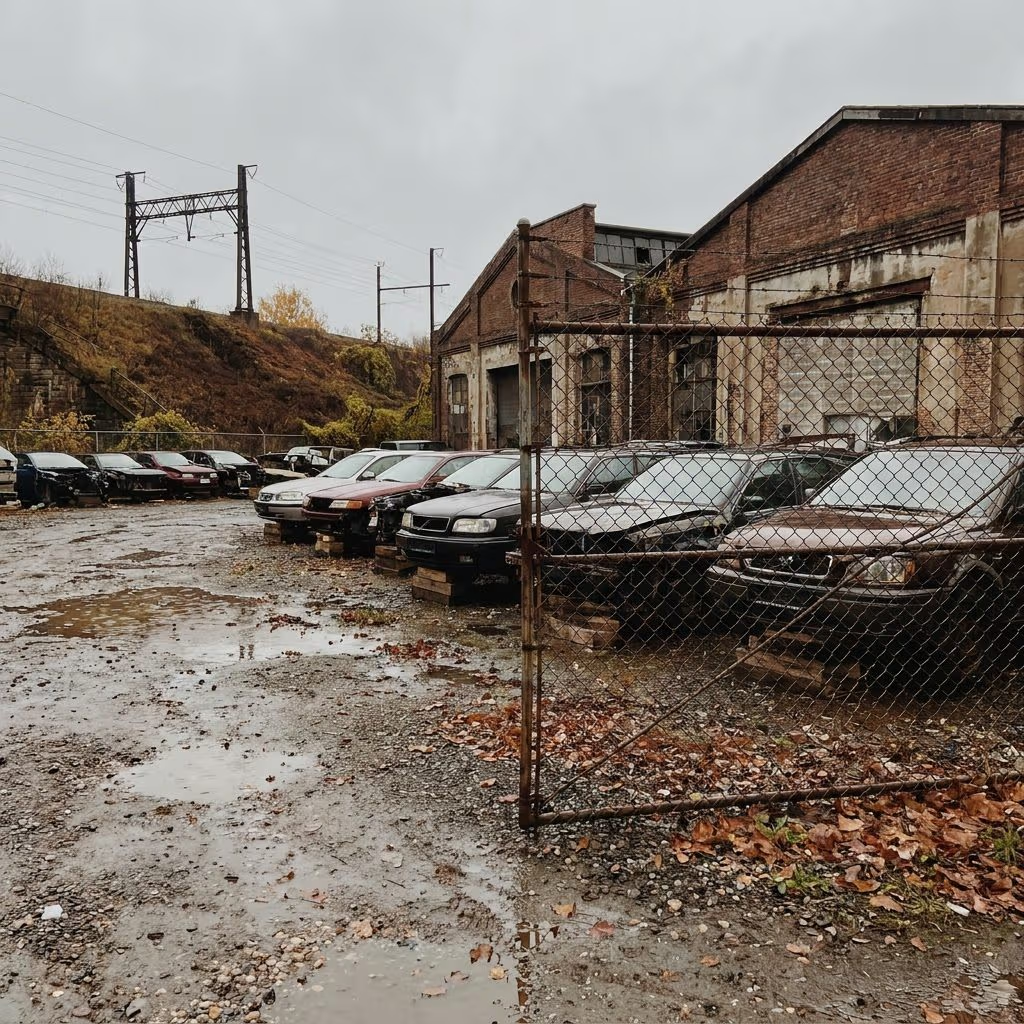
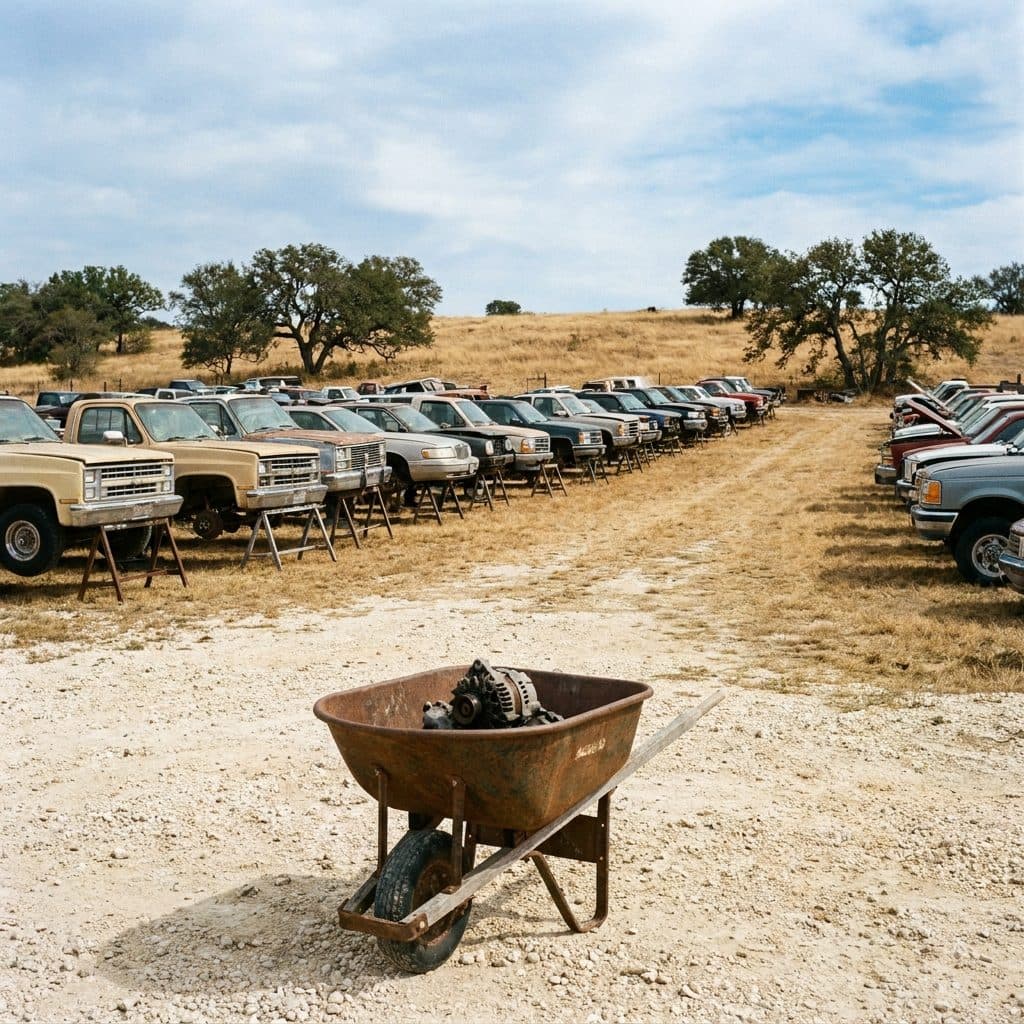
Traditional salvage yards near you offer direct access to damaged vehicles and individual parts without the auction process. These facilities often have established inventory and immediate availability for parts and complete vehicles.
Immediate Access: No waiting for auction dates or bidding competitions
Physical Inspection: Hands-on evaluation before purchase decisions
Parts Availability: Access to individual parts without buying entire vehicles
Local Relationships: Building connections with yard owners for future needs
Financial Analysis and ROI Considerations
Successful salvage vehicle investment requires careful financial analysis beyond the initial purchase price. Understanding total cost of ownership helps buyers make informed decisions about potential profitability.
OEM vs. aftermarket parts, availability, shipping costs
Labor Costs
15-30%
DIY capability, shop rates, complexity of repairs
Fees and Misc.
5-15%
Auction fees, transportation, title work, inspections
Expert Tips for Maximizing Success
Industry professionals and experienced buyers share common strategies for navigating salvage auctions successfully. Learning from experienced auction participants can help avoid costly mistakes and identify the best opportunities.
Professional Recommendations
Start Small: Begin with cosmetic damage vehicles before tackling complex structural repairs
Specialize: Focus on specific makes or models to develop expertise and parts source knowledge
Build Networks: Develop relationships with repair shops, parts suppliers, and other buyers
Continue Learning: Stay updated on title laws, auction policies, and market trends
Maintain Realistic Expectations: Not every project will be profitable; factor in learning costs
Long-Term Success Strategies
Documentation: Keep detailed records of all purchases, repairs, and outcomes
Market Analysis: Track successful sales and identify profitable vehicle categories
Skill Development: Invest in learning repair techniques and diagnostic capabilities
Tool Investment: Acquire proper equipment for efficient repairs and inspections
Exit Planning: Develop multiple channels for selling completed projects
Conclusion: Making Informed Salvage Auction Decisions
Insurance salvage auctions offer significant opportunities for savings and profit, but success requires thorough preparation, realistic expectations, and disciplined execution. Buyers who understand the complete process—from initial damage assessment through final resale—position themselves for the best outcomes.
The potential for 20-40% savings compared to clean-title vehicles makes salvage auctions attractive, but these savings come with inherent risks and responsibilities. Successful buyers approach each opportunity with careful analysis, adequate funding for total project costs, and realistic timelines for completion.
Whether you're seeking a project vehicle for personal use, planning to flip cars for profit, or sourcing vehicles for parts, understanding the insurance salvage auction process provides the foundation for making informed decisions in this specialized marketplace.