What Is a Salvage Title and Why Does It Matter? A salvage title is issued when a vehicle has been declared a total loss by an insurance company, typically when repair costs exceed 70-90% of the vehicle's market value. This designation occurs due to significant damage from accidents, floods, fires, or theft. While salvage vehicles [...]
Article image
What Is a Salvage Title and Why Does It Matter?
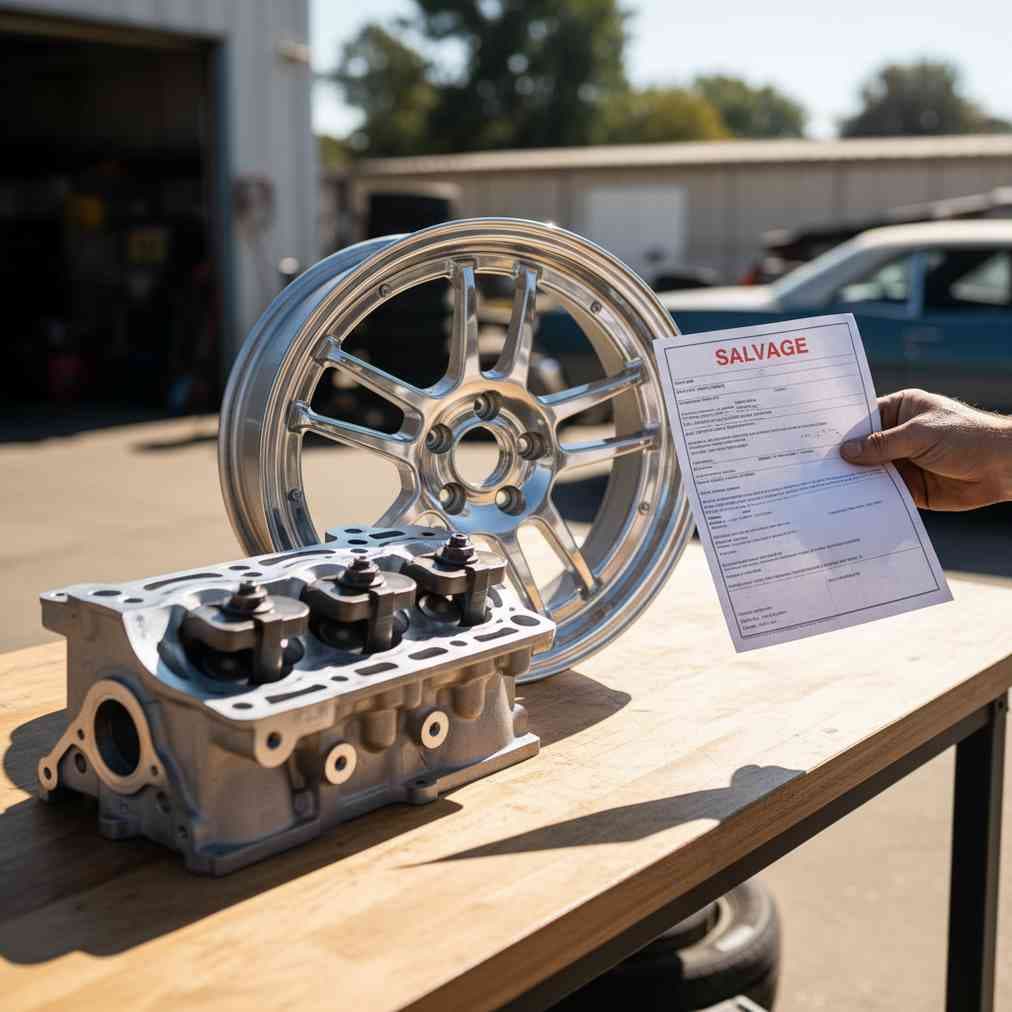
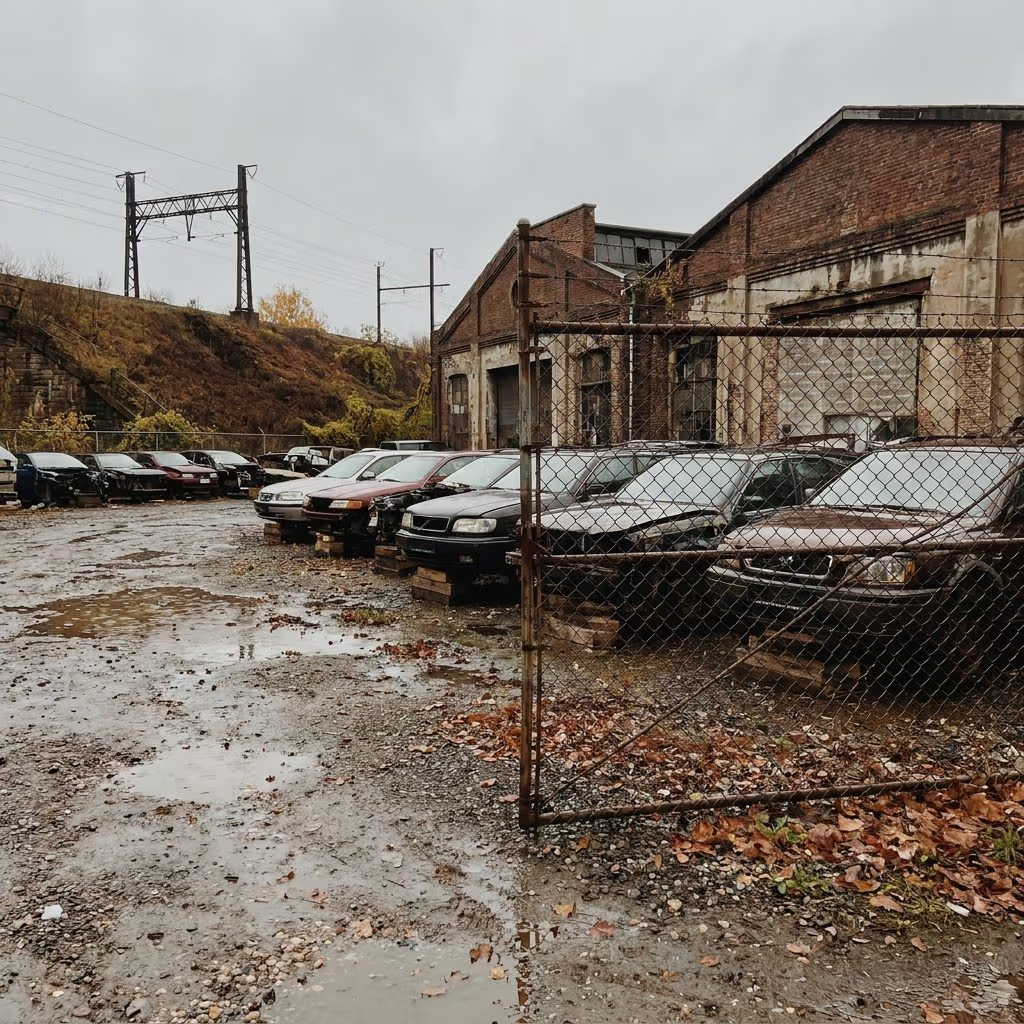
A salvage title is issued when a vehicle has been declared a total loss by an insurance company, typically when repair costs exceed 70-90% of the vehicle's market value. This designation occurs due to significant damage from accidents, floods, fires, or theft. While salvage vehicles face substantial challenges in the resale market, they play a crucial role in the used auto parts ecosystem at local junkyards.
Understanding how salvage titles affect both resale value and parts value is essential for anyone considering purchasing a salvage vehicle, buying used parts, or selling a damaged car for cash. The impact extends far beyond the initial transaction, affecting insurance costs, financing options, and long-term ownership expenses.
The Dramatic Impact on Vehicle Resale Value
Vehicles with salvage titles experience a significant reduction in resale value, typically ranging from 20% to 60% below comparable clean-title vehicles. According to automotive industry experts, some estimates suggest depreciation can reach up to 75% in severe cases.
Vehicle Condition
Typical Value Retention
Market Challenges
Clean Title
100% baseline value
Standard financing and insurance
Rebuilt Salvage
40-80% of clean title
Limited financing, higher insurance
Salvage (non-rebuilt)
10-30% of clean title
Parts only, not roadworthy
Key Factors Reducing Salvage Vehicle Values
Reduced buyer confidence due to safety and reliability concerns
Insurance complications – many companies refuse coverage or charge premium rates
Financing difficulties – lenders are hesitant to finance salvage title vehicles
Limited market demand – smaller pool of willing buyers
Mandatory disclosure requirements – legal obligation to reveal salvage status
Hidden damage risks – potential for undetected structural or mechanical issues
As noted by Car and Driver's financial experts, the combination of these factors creates a compounding effect that significantly impacts long-term ownership costs and resale potential.
Salvage Vehicles: A Goldmine for Used Auto Parts
While salvage vehicles struggle in the resale market, they represent exceptional value in the used auto parts market. Individual components from salvage vehicles often retain significant functionality and can provide cost-effective repair solutions for vehicle owners.
Why Salvage Parts Hold Their Value
Cost savings of 50-70% compared to new OEM parts
Original Equipment Manufacturer (OEM) quality – exact fit and specifications
Availability of rare components for classic or discontinued models
Environmental benefits through recycling and waste reduction
High demand for luxury brands – BMW, Mercedes, Audi parts retain premium value
“The salvage parts market continues growing as cost-conscious consumers seek alternatives to expensive new parts, while environmental awareness drives demand for recycled automotive components.”
Most Valuable Salvage Parts by Category
Part Category
Retention Value
Common Applications
Engine Components
60-80%
Blocks, heads, manifolds
Transmission Parts
50-70%
Complete units, valve bodies
Electronic Modules
40-60%
ECUs, BCMs, infotainment
Body Panels
30-50%
Doors, fenders, hoods
Interior Components
25-40%
Seats, dashboards, trim
Understanding Different Types of Damage and Their Impact
Not all salvage titles are created equal. The type of damage significantly affects both the vehicle's potential resale value and the usability of its individual parts. Understanding these distinctions is crucial for making informed purchasing decisions.
Collision Damage
Collision damage typically affects specific areas of the vehicle while leaving other components intact. Parts from the undamaged sections often retain full functionality and value, making these vehicles excellent sources for used parts.
Flood Damage
Flood-damaged vehicles present unique challenges as water can affect electrical systems, upholstery, and mechanical components in ways that aren't immediately visible. However, certain parts, like some body panels and mechanical components, may still be salvageable.
Fire Damage
Fire damage can severely compromise multiple vehicle systems, but often affects only specific areas. Parts located away from the fire source may remain in excellent condition.
The Economics of Buying Used Auto Parts from Salvage Vehicles
The used auto parts market from salvage vehicles offers compelling economic advantages for vehicle owners, mechanics, and automotive enthusiasts. Understanding these benefits helps explain why the salvage parts industry continues to thrive despite technological advances in manufacturing.
Primary Economic Benefits
Immediate cost savings – up to 70% less than new parts
Reduced vehicle maintenance costs over time
Access to discontinued parts for older vehicles
Faster repair turnaround – no waiting for special orders
Environmental cost savings through recycling
Support for local businesses – salvage yards and auto recyclers
Quality Considerations
Modern salvage yards employ sophisticated testing and quality control measures to ensure parts meet safety and performance standards. Many offer warranties on their parts, providing additional confidence for buyers.
Essential Inspection Checklist for Used Auto Parts
When purchasing used auto parts from salvage vehicles, thorough inspection is crucial to ensure you receive functional, safe components. This comprehensive checklist helps buyers make informed decisions and avoid costly mistakes.
Pre-Purchase Verification
Verify part compatibility – match part numbers exactly
Check VIN specifications – ensure proper fitment
Prioritize OEM parts over aftermarket alternatives
Research the donor vehicle's history if possible
Physical Inspection Protocol
Inspection Area
What to Check
Red Flags
Visual Damage
Cracks, rust, corrosion, dents
Fresh paint, filler, welds
Seals & Gaskets
Integrity, flexibility
Brittle, cracked, leaking
Moving Parts
Smooth operation
Binding, excessive wear
Electrical
Connections, corrosion
Burnt wires, damaged pins
Functional Testing
Electrical components – test with appropriate power source
Mechanical parts – check smooth operation of moving components
Fluid-containing parts – inspect for leaks and contamination
Request demonstration videos for online purchases
Legal and Documentation Considerations
The legal framework surrounding salvage titles varies significantly by state, affecting both vehicle values and parts transactions. Understanding these regulations is essential for anyone involved in the salvage vehicle market.
Disclosure Requirements
Mandatory disclosure laws require sellers to reveal salvage title status. Failure to disclose constitutes fraud and can result in legal consequences. Buyers should always verify title history through official channels before purchase.
State Variations
Damage thresholds vary from 70-90% of vehicle value
Title branding systems differ between states
Inspection requirements for rebuilt titles vary
Parts documentation requirements differ by jurisdiction
Future Trends in the Salvage Vehicle Market
The salvage vehicle and parts market continues evolving due to technological advances, environmental concerns, and changing consumer preferences. Several trends are shaping the industry's future direction.
Technology Integration
Advanced vehicle scanning for better damage assessment
Digital inventory systems for improved parts tracking
Online marketplaces expanding access to salvage parts
Quality verification systems using digital documentation
Environmental Initiatives
Growing environmental awareness drives increased demand for recycled auto parts. Government regulations and corporate sustainability initiatives support the growth of the salvage parts market as an eco-friendly alternative to new manufacturing.
Making Smart Decisions in the Salvage Market
Whether you're considering purchasing a salvage title vehicle or buying used parts, understanding the market dynamics is crucial for making informed decisions. Expert automotive advice consistently emphasizes the importance of thorough research and professional inspection.
The salvage title market presents both opportunities and risks. While entire vehicles may face significant depreciation, individual parts retain substantial value when properly evaluated and sourced. Success in this market requires knowledge, careful inspection, and realistic expectations about both benefits and limitations.
For buyers seeking cost-effective repair solutions, salvage parts offer compelling advantages. For sellers dealing with damaged vehicles, understanding how salvage titles affect value helps set appropriate expectations and identify the best disposal strategies. The key is approaching each transaction with complete information and professional guidance when needed.