Purchasing a used brake caliper from a junkyard can save you hundreds of dollars on vehicle repairs, but it requires careful inspection and knowledge to ensure safety and functionality. Brake calipers are critical safety components that apply pressure to brake pads, enabling your vehicle to stop effectively. This comprehensive guide will help you navigate the [...]
Article image
Purchasing a used brake caliper from a junkyard can save you hundreds of dollars on vehicle repairs, but it requires careful inspection and knowledge to ensure safety and functionality. Brake calipers are critical safety components that apply pressure to brake pads, enabling your vehicle to stop effectively. This comprehensive guide will help you navigate the process of buying quality used brake calipers while avoiding potentially dangerous parts.
Understanding Brake Calipers and Why Junkyard Parts Make Sense
Before diving into the buying process, it's essential to understand what brake calipers do and why buying recycled auto parts can be a smart financial decision. New brake calipers can cost anywhere from $100 to $250 or more per caliper, with labor costs adding significantly to the total repair bill. Understanding caliper pricing factors helps you appreciate the potential savings.
Junkyard brake calipers typically cost a fraction of new parts, often ranging from $30 to $80 depending on the vehicle make and model. However, brake components are among the most dangerous car parts you should never buy used without proper inspection, making knowledge crucial for safe purchases.
Essential Pre-Purchase Compatibility Checks
Verify OEM compatibility before examining any used caliper. Different trim levels, brake systems, and model years can have varying caliper specifications even within the same vehicle line. Understanding OEM car parts meaning and quality helps ensure proper fitment and performance.
Check your vehicle's VIN number for exact specifications
Verify brake system type (standard, ABS, or performance brakes)
Confirm caliper mounting style and piston count
Match brake line fitting types and sizes
Ensure proper left/right side identification
Critical Visual Inspection Points
Corrosion and Rust Assessment
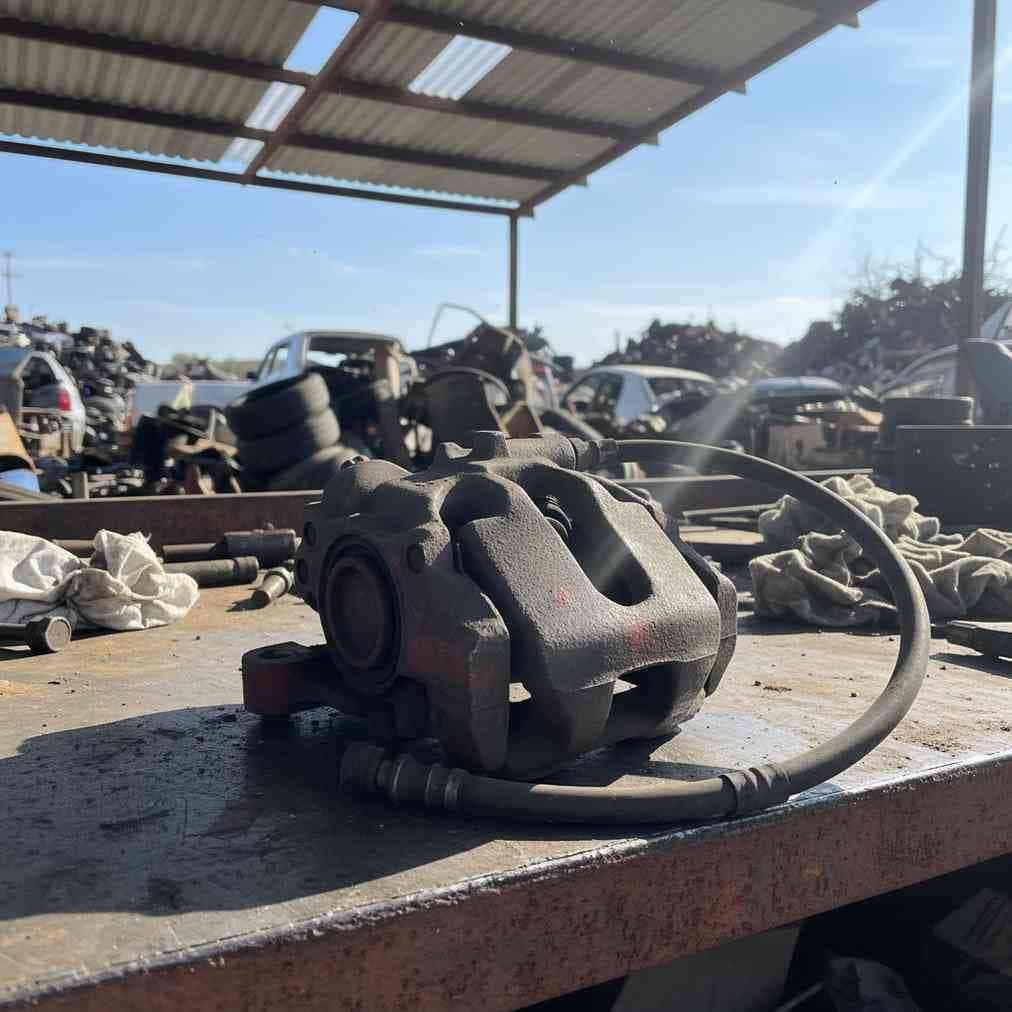
The most critical factor when evaluating used brake calipers is corrosion assessment. Excessive rust or corrosion compromises structural integrity and can lead to catastrophic brake failure. Focus your inspection on these key areas:
Inspection Area
What to Look For
Action Required
Caliper Body
Deep pitting, cracks, or structural damage
Reject if present
Piston Bore
Surface rust or corrosion inside cylinder
Minor surface rust acceptable
Mounting Points
Thread damage or excessive wear
Verify thread integrity
Bleed Screws
Seized or stripped threads
Must be functional
Aluminum calipers are particularly susceptible to thread stripping and corrosion damage. Professional guidance suggests avoiding heavily corroded aluminum calipers as repair costs often exceed replacement value.
Piston and Seal Functionality
Seized pistons represent the most common failure point in used brake calipers. The pistons must move freely within their bores to ensure proper brake pad engagement and release. Here's what to examine:
Dust boot condition – Look for tears, cracks, or deterioration
Piston surface – Check for scoring, pitting, or corrosion
Movement test – Piston should slide smoothly without binding
Seal integrity – No visible brake fluid leaks around seals
Retraction capability – Piston should return to rest position
Professional mechanics often use compressed air to test piston movement, but this requires proper safety equipment. Visual inspection techniques can reveal most potential problems without specialized tools.
Hardware and Component Assessment
Beyond the main caliper body, several smaller components require careful inspection to ensure safe operation:
Brake Line Connections
Examine all brake line connection points for thread damage, corrosion, or cross-threading. Damaged threads can cause brake fluid leaks and system failure. Pay special attention to:
Banjo bolt fittings and sealing surfaces
Threaded brake line connections
Bleed screw threads and sealing capability
Mounting bolt threads and insert condition
Sliding Components and Hardware
Many modern brake calipers use sliding or floating designs that require specific hardware for proper operation. Missing or damaged slider pins, boots, or bushings can cause uneven brake pad wear and reduced stopping power.
Cost Analysis: Rebuild vs Replace vs New
Understanding the true cost of used brake calipers requires considering potential rebuild expenses and long-term reliability. Many experienced mechanics recommend evaluating the total cost of ownership rather than just the initial purchase price.
Option
Initial Cost
Additional Expenses
Total Investment
Junkyard Caliper
$30-80
Rebuild kit $25-50
$55-130
Remanufactured
$80-150
Core exchange fee
$80-150
New OEM
$150-300
None
$150-300
The rebuild versus replace decision often depends on the caliper body condition and your mechanical skill level. User experiences suggest that rebuilding can be cost-effective when the main casting is sound, but requires proper tools and knowledge.
Junkyard Shopping Strategy
Successful junkyard brake caliper shopping requires systematic approach and proper preparation. Many salvage yards organize inventory differently, so understanding what is a u-pull-it junkyard helps optimize your search strategy.
Best Days and Times to Shop
Timing your junkyard visit can significantly impact part availability and pricing. The best days to hit the junkyard are typically weekdays when inventory is fresh and crowds are smaller. Many yards receive new vehicles on specific days, so calling ahead can help you access recently arrived inventory.
Once you've identified a promising caliper candidate, thorough bench testing helps verify functionality before installation. Professional evaluation techniques can reveal hidden problems that visual inspection might miss.
Piston Movement Testing
Testing piston movement requires careful technique to avoid injury or damage. If possible, connect the caliper to a brake bleeding system or use compressed air to evaluate piston travel and retraction capability.
“Never use excessive pressure when testing used brake calipers. Seized or damaged pistons can fail catastrophically under pressure, causing serious injury.”
Leak Testing Protocol
Brake fluid leaks often occur at seal interfaces and may not be visible during casual inspection. Apply brake cleaner to remove old fluid residue, then look for fresh seepage after pressure testing.
Warranty and Return Policies
Progressive junkyards now offer limited warranties on brake components, recognizing the safety implications of failed parts. Salvage yards specializing in maintenance parts often provide better warranty coverage than general automotive recyclers.
Standard warranty periods typically range from 30-180 days
Return policies may require original purchase receipt
Core exchange programs can offset replacement costs
Always inquire about warranty terms before purchase, as brake system failures can result in significant liability and repair costs.
Professional Installation Considerations
Many professional repair shops refuse to install used brake components due to liability concerns and potential safety issues. Understanding when to buy used auto parts includes recognizing installation limitations and safety requirements.
If you're planning DIY installation, ensure you have proper brake bleeding equipment and understand hydraulic system service procedures. Improper brake system service can result in partial or complete brake failure.
Alternative Part Sources and Comparisons
Before committing to junkyard brake calipers, compare pricing and availability from other sources. Professional brake caliper buying guides help evaluate the full range of options available to consumers.
Consider these alternative sources when junkyard parts don't meet your requirements:
Remanufactured calipers offer factory-quality rebuilds with warranties
Aftermarket new calipers provide cost savings over OEM parts
Online used parts dealers may offer better selection and return policies
Recognizing when to abandon a potential purchase protects your safety and prevents wasted money. These conditions indicate a caliper that should be avoided regardless of price:
Condition
Risk Level
Recommended Action
Cracked caliper body
Critical
Reject immediately
Completely seized pistons
High
Consider rebuild costs
Stripped brake line threads
High
Reject unless repairable
Heavy internal corrosion
Moderate
Evaluate rebuild feasibility
Missing hardware
Low
Factor replacement costs
Remember that brake system safety cannot be compromised. When in doubt, choose a higher-quality part or consult with a qualified brake specialist.
Final Recommendations and Best Practices
Successfully buying used brake calipers from junkyards requires combining careful inspection, realistic cost analysis, and safety-first decision making. High-value used auto parts like brake calipers can provide excellent savings when properly evaluated and installed.
Follow these final guidelines for the best results:
Prioritize safety over savings when evaluating marginal calipers
Budget for rebuild kits and additional hardware needs
Verify warranty coverage before completing your purchase
Consider professional installation if you lack brake system experience
Plan for proper disposal of old brake fluid and components
For more information about finding quality auto parts and maximizing your junkyard experience, explore our comprehensive guides on automotive recycling and parts sourcing. Remember that investing in quality brake components protects both your vehicle and your family's safety.
Whether you're working on crash repair using junkyard parts or performing routine maintenance, understanding proper part selection and evaluation techniques ensures successful repairs and long-term reliability.