How to Choose Compatible Wiring Harnesses from Donor Cars
Understanding Wiring Harness Compatibility Choosing compatible wiring harnesses from donor cars is a critical skill for anyone involved in automotive restoration, engine swaps, or custom builds. The process requires careful attention to detail, as electrical mismatches can lead to costly damage or system failures. When sourcing from junkyards near me, understanding compatibility factors becomes even [...]
Article image
Understanding Wiring Harness Compatibility
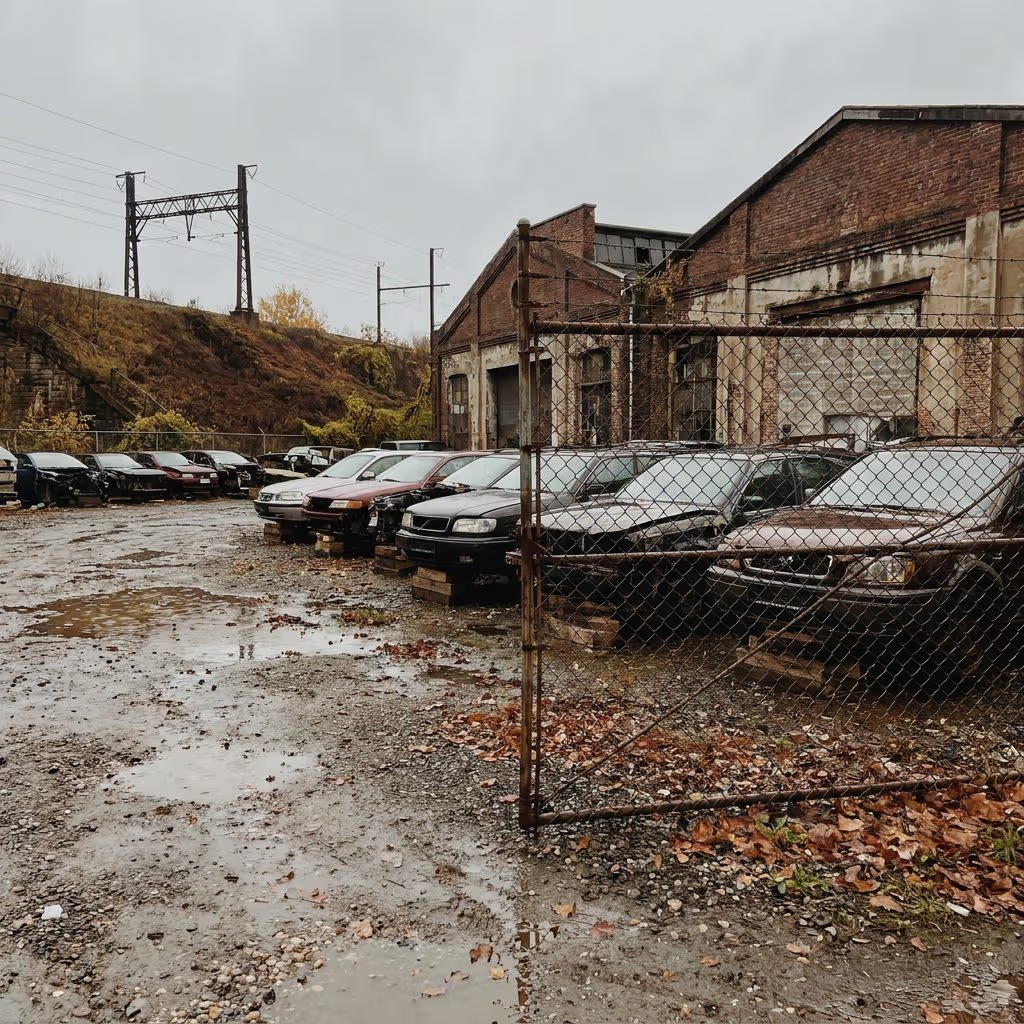
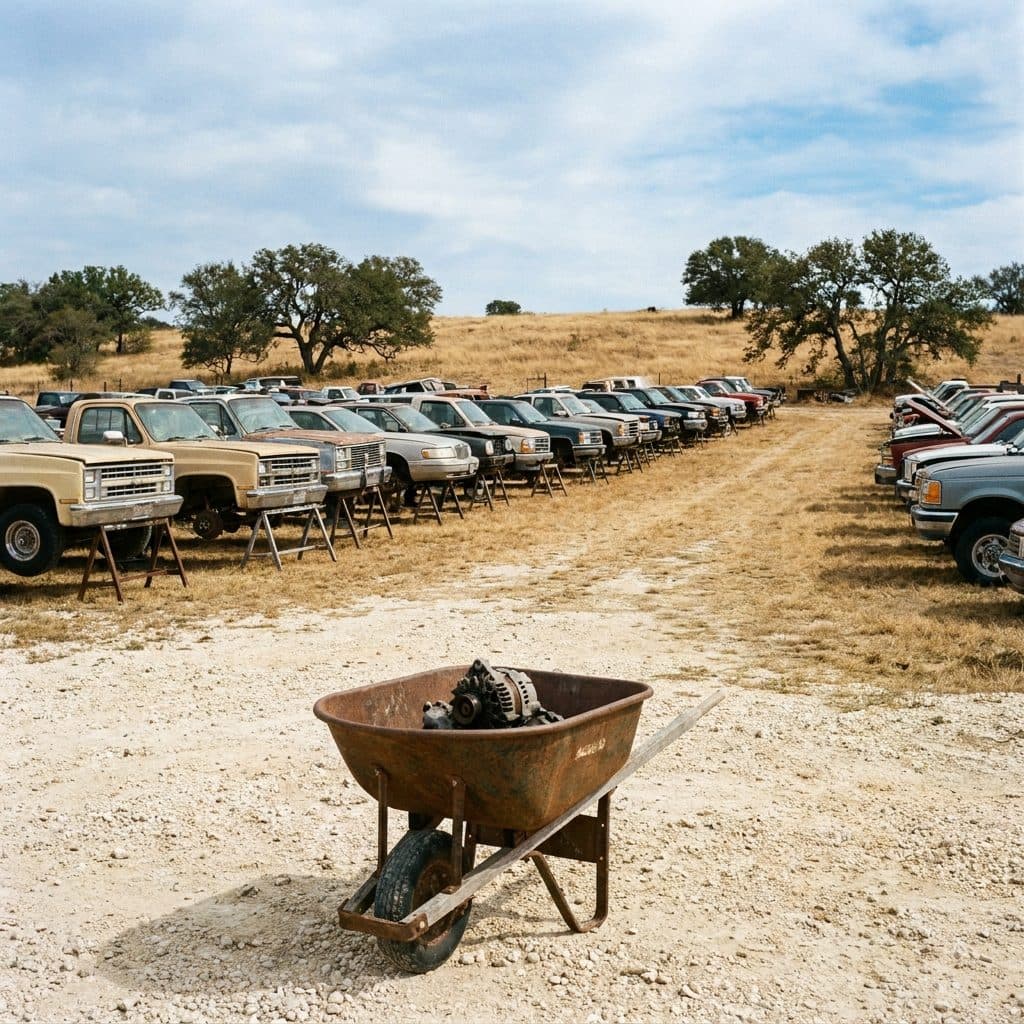
Choosing compatible wiring harnesses from donor cars is a critical skill for anyone involved in automotive restoration, engine swaps, or custom builds. The process requires careful attention to detail, as electrical mismatches can lead to costly damage or system failures. When sourcing from junkyards near me, understanding compatibility factors becomes even more crucial for success.
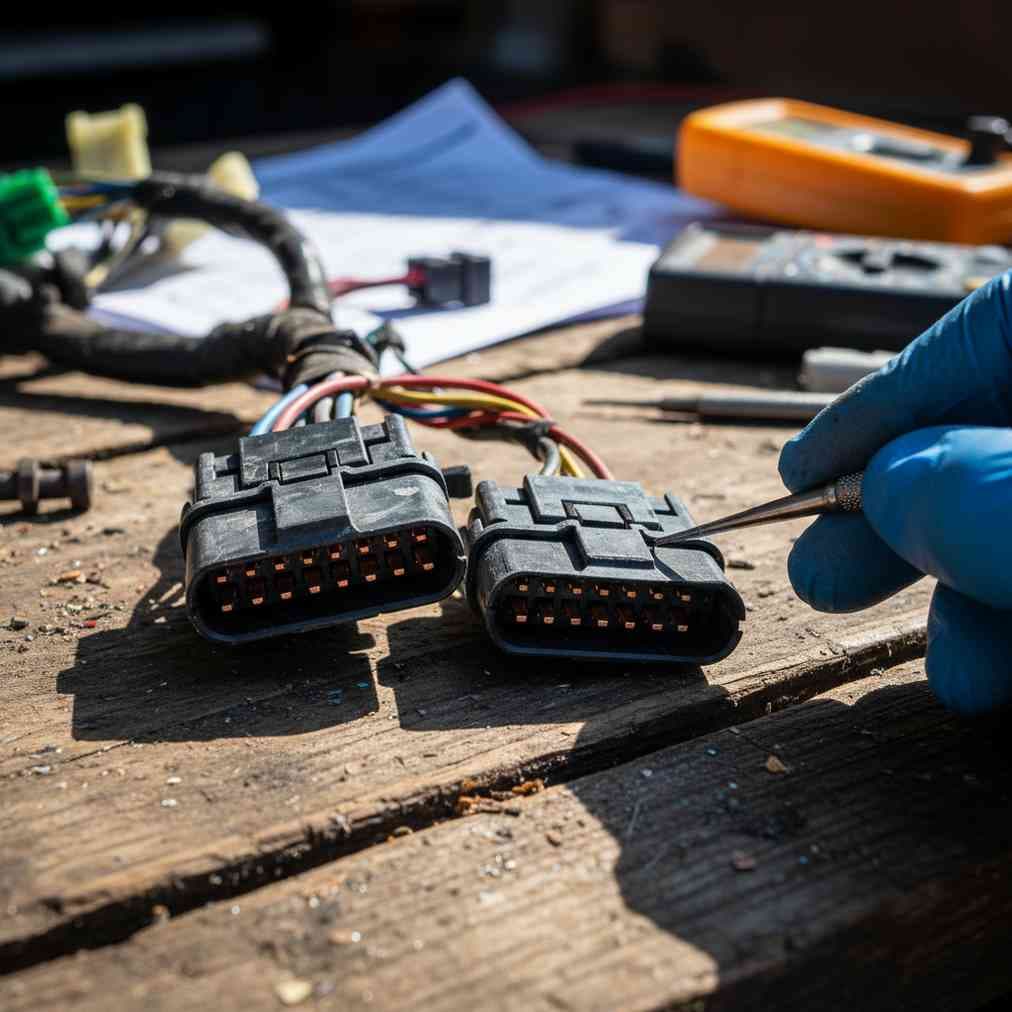
The primary challenge lies in ensuring matching connectors and pinouts to avoid electronic mismatches. While the physical connector might appear identical, the underlying electrical logic—the pinouts—must align perfectly between the donor and target systems.
Key Benefits of Using Donor Wiring Harnesses
Using wiring harnesses from donor vehicles offers several significant advantages over purchasing new components:
Cost Savings: Used harnesses can save 50% to 80% compared to new OEM equivalents
OEM Quality: Factory harnesses often feature superior wire quality, insulation, and connections compared to aftermarket alternatives
Preservation of Original Functions: Maintaining all intended vehicle features without extensive custom fabrication
Availability: Essential for older or rare vehicles where new parts are no longer manufactured
Reliability: Fewer connection points mean fewer potential failure points
“If you can wire a car like this a daily driver or or a hot rod using stock componentry with that sort of harness, you're head of the game. The quality of the wire, the quality of the insulation, the quality of all the connections.”
Critical Compatibility Factors
Connector Matching Requirements
For a plug-and-play experience, connectors on the donor harness must physically mate with corresponding components in the target vehicle. This includes ECUs, sensors, switches, and other electrical components. High-quality OEM connectors typically feature secure locks and strain relief to prevent loosening during operation.
Pinout Verification Process
The function assigned to each wire and pin must be identical between donor and target systems. A wire designated as a “sensor signal” in the donor system might serve as “ground” or “power” in the target vehicle, potentially causing immediate failure or damage if not properly verified through detailed wiring diagrams.
Compatibility Factor
Verification Method
Importance Level
Physical Connector Match
Side-by-side comparison
Critical
Pinout Alignment
Wiring diagram analysis
Critical
Wire Gauge Compatibility
Multimeter testing
High
Length and Routing
Physical measurement
Medium
Feature Support
Component inventory
Medium
Comprehensive Donor Harness Inspection Checklist
Pre-Purchase Evaluation
Before purchasing a used wiring harness, conduct a thorough inspection to ensure its integrity and compatibility:
Feature Documentation: Catalog all features present in donor harness (cruise control, sensors, etc.)
Connector Part Numbers: Cross-reference stamped part numbers with target vehicle requirements
Pinout Documentation: Obtain factory service manuals for both donor and target vehicles
ECU Compatibility: Confirm harness supports target vehicle's engine management system
Modern Trends in Harness Selection
Harness Thinning and Customization
A significant trend in custom builds involves harness thinning—taking a complete donor harness and professionally removing all non-essential circuits. This process often involves flashing the ECU to disable features no longer present, such as emissions controls or ABS systems.
“If you don't mind doing a little modifying, grab a junction box from a later model car in a junkyard and make it suit your needs. You could pull all of the wiring harnesses from a donor vehicle and shorten/lengthen them to fit your needs and would be a lot more economical than buying a bunch of new wire.”
Connector Standards and Quality
Modern automotive systems rely increasingly on high-quality connectors with specific ratings. These include IP ratings for sealing protection and current/voltage ratings that must be matched for reliability, especially when dealing with high-speed data systems.
Expert Installation Strategies
Direct-Fit vs. Custom Adaptation
When working with donor harnesses, you'll encounter two primary scenarios:
Direct-Fit Applications: OEM replacements or close upgrades designed to plug in without modifications
Custom Adaptation: Harnesses requiring splicing or adapter patch harnesses for mismatched connectors
Factory wiring diagrams and pinout charts serve as critical tools for confirming compatibility and verifying circuit functions before installation. Engine swap communities often provide valuable resources for specific applications.
Cost vs. Time Considerations
As experts note, “It's a choice between time and money” when deciding how much to modify a donor harness. Retaining features like power steering or ABS requires more complex wiring but preserves vehicle functionality. Choosing the right donor vehicle initially can significantly reduce modification requirements.
Common Pitfalls and Solutions
Electrical Mismatch Prevention
The most critical aspect of donor harness selection involves preventing electrical mismatches. These occur when:
Pin assignments differ between donor and target systems
Voltage levels don't match between components
Ground paths differ between vehicle architectures
Communication protocols vary between ECU generations
Testing and Verification Procedures
Before final installation, conduct these essential tests:
Continuity Testing: Use a multimeter to verify end-to-end circuit integrity
To ensure long-term reliability, implement these quality measures:
Quality Measure
Implementation
Benefit
Proper Splicing Techniques
Solder and heat shrink connections
Prevents corrosion and failure
Secure Routing
Use factory mounting points and clips
Prevents chafing and damage
Environmental Protection
Ensure proper sealing and drainage
Prevents moisture-related issues
Load Testing
Verify all circuits under operating conditions
Identifies potential problems early
Final Installation Guidelines
When you're ready to sell your old vehicle for parts or need cash for junk cars to fund your project, proper harness installation ensures your investment pays off. Follow these final guidelines:
Systematic Approach: Install and test circuits in logical groups rather than all at once
Backup Plans: Keep original wiring diagrams and modification notes accessible
Professional Consultation: Don't hesitate to consult with experienced builders for complex integrations
Safety First: Always disconnect battery power when making connections or modifications
Successfully choosing and installing compatible wiring harnesses from donor cars requires patience, attention to detail, and thorough preparation. By following these comprehensive guidelines and leveraging the cost savings and quality benefits of used OEM harnesses, you can achieve reliable, professional results in your automotive projects while avoiding the common pitfalls that lead to electrical problems and expensive repairs.