How to Find and Buy Used Suspension Components (shocks, control arms)
Why Consider Used Suspension Components? When suspension components fail, the cost of new OEM parts can be staggering, often running into hundreds or thousands of dollars for a complete repair. Used suspension components offer a practical alternative, providing significant cost savings while maintaining vehicle safety when properly inspected and sourced. For budget-conscious car owners, classic [...]
Article image
Why Consider Used Suspension Components?
When suspension components fail, the cost of new OEM parts can be staggering, often running into hundreds or thousands of dollars for a complete repair. Used suspension components offer a practical alternative, providing significant cost savings while maintaining vehicle safety when properly inspected and sourced. For budget-conscious car owners, classic car enthusiasts, and those dealing with discontinued parts, salvage yards near you can be a goldmine of quality components.
The value proposition is compelling: used parts can cost 30-70% less than new ones, making vital repairs accessible to more vehicle owners. Additionally, reusing suspension components supports environmental sustainability by reducing waste and the resource consumption associated with manufacturing new parts.
Understanding Suspension Component Roles and Functions
Before diving into the buying process, it's crucial to understand what each suspension component does and how failure affects vehicle safety and performance.
Control Arms: The Workhorses of Suspension
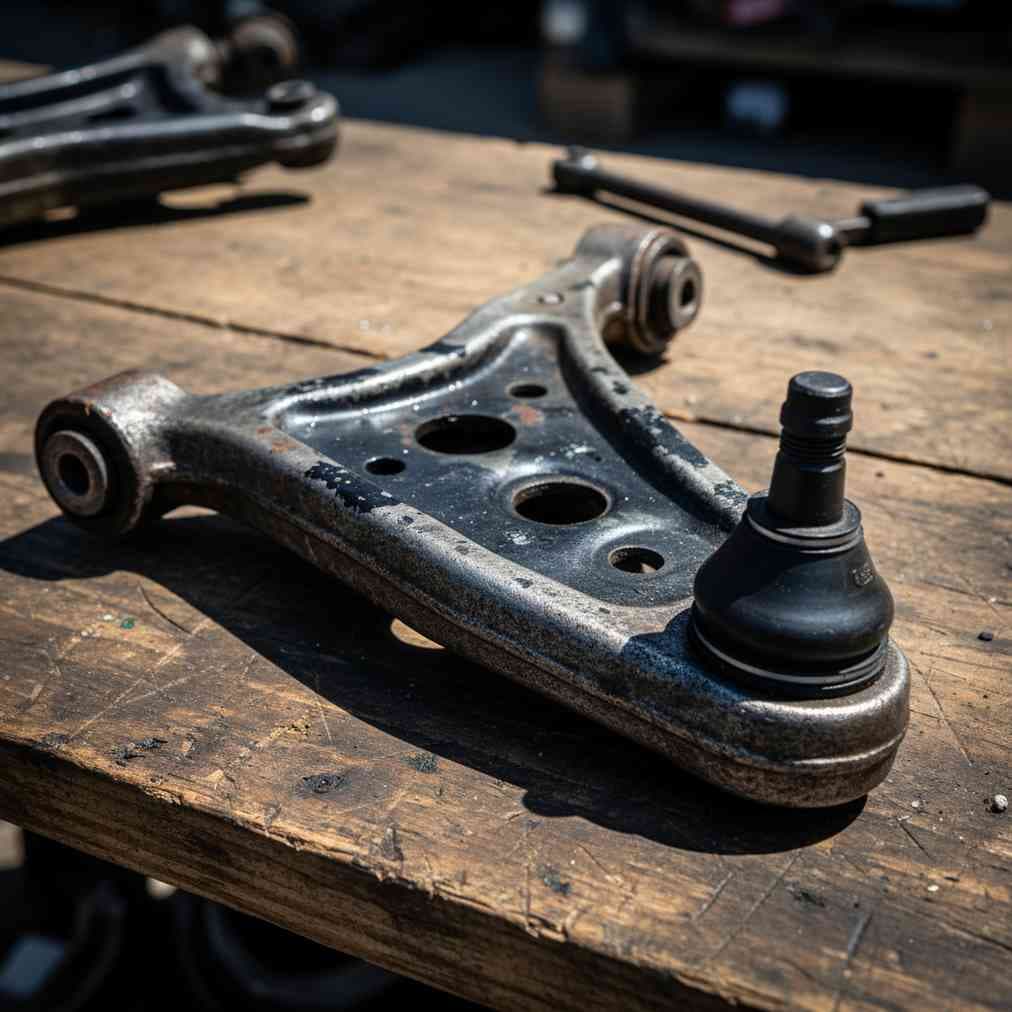
Control arms are the primary connection between your vehicle's frame and wheels, supporting the vehicle's weight while allowing controlled wheel movement. These components are essential for:
Supporting vehicle weight and absorbing road forces
Enabling steering while allowing vertical wheel movement
Maintaining proper wheel alignment
Housing critical components like ball joints and bushings
Most vehicles have one or two control arms per wheel, and according to suspension fundamentals guides, they're considered wear items that require periodic inspection and eventual replacement.
Shocks and Struts: Controlling Movement
Shock absorbers and struts manage spring movement and prevent excessive bouncing after hitting bumps. These components are critical for:
Maintaining tire contact with the road surface
Controlling body roll during turns
Improving braking stability
Providing ride comfort
Industry data shows that shocks and struts typically require replacement every 50,000-100,000 miles, depending on driving conditions and vehicle usage.
Ball Joints and Bushings: Critical Connection Points
Ball joints serve as mechanical pivot points, allowing controlled movement in suspension and steering systems. Meanwhile, bushings are rubber or synthetic components that absorb vibrations and maintain proper alignment where suspension parts connect to the frame.
Where to Find Quality Used Suspension Components
Sourcing used suspension parts requires knowing where to look and what to avoid. The best sources combine accessibility with reliability:
Auto Salvage Yards
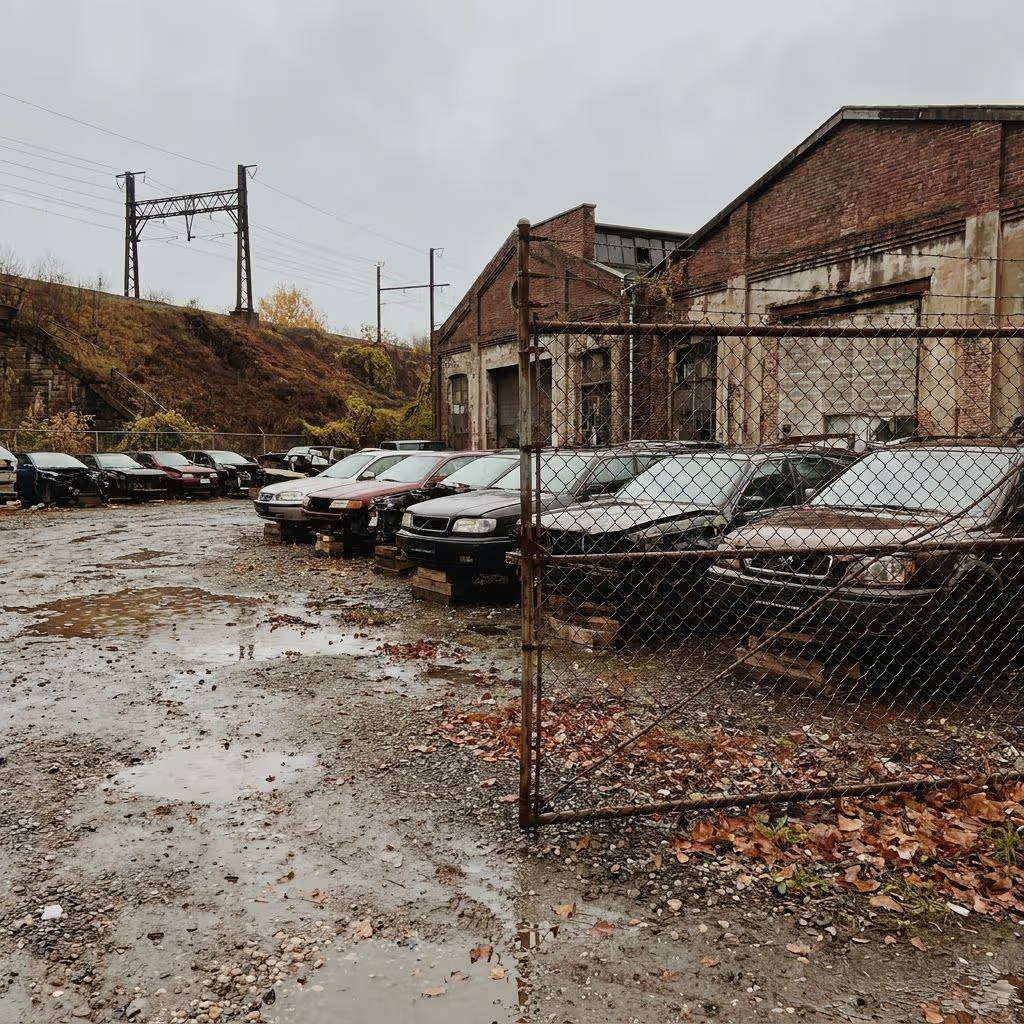
Local salvage yards remain the gold standard for used suspension components. They offer several advantages:
Hands-on inspection before purchase
Direct access to donor vehicle history when available
Professional evaluation by yard staff
Return policies for defective parts
Competitive local pricing
Online Marketplaces and Specialized Vendors
Online platforms like eBay and specialized auto recyclers have expanded access to hard-to-find components. However, buying online requires extra caution:
Request detailed photos from multiple angles
Verify seller reputation and return policies
Confirm part numbers and compatibility
Understand shipping costs and timeframes
When dealing with older or rare vehicles, you might find yourself exploring options like OEM parts availability at junkyards, which can be especially valuable for discontinued components.
Comprehensive Inspection Guide for Used Suspension Parts
Thorough inspection is the cornerstone of safely buying used suspension components. Each component type requires specific evaluation criteria to ensure safety and longevity.
Control Arm Inspection Protocol
Control arms endure tremendous stress and must be carefully evaluated for structural integrity:
Inspection Point
What to Look For
Pass/Fail Criteria
Structural Integrity
Cracks, bends, deformation
Must be fracture-free and straight
Rust and Corrosion
Surface rust vs. structural compromise
Light surface rust OK, no holes through metal
Mounting Points
Frame connection areas
No cracks, bends, or accident damage
Ball Joint Bosses
Threaded areas and attachment points
Clean threads, no damage or distortion
“A thorough inspection of your suspension can help prevent uneven tire wear, unpleasant noises around turns or over bumps, and even breakdowns caused by broken suspension components,” according to automotive service professionals.
Ball Joint Evaluation Techniques
Ball joint inspection requires both visual and physical testing to ensure safe operation:
Boot Condition: Examine the rubber boot for cracks, tears, or grease leakage
Play Testing: With the wheel off the ground, grip the tire at 12 and 6 o'clock positions and check for movement
Pry Bar Test: Use a pry bar between the control arm and steering knuckle to check for vertical play
Visual Inspection: Look for rust, corrosion, or damaged threads
Bushings are often the most overlooked suspension component, yet their condition significantly affects ride quality and alignment:
Visual Signs of Failure: Cracks, tears, deformation, or crumbling rubber
Physical Testing: Gentle pry bar pressure to check for excessive movement
Hardiness Test: Squeeze the rubber – it should be pliable, not hard or brittle
Noise Correlation: Failed bushings often cause clunking or knocking sounds
Shock and Strut Inspection Standards
Shocks and struts are complex hydraulic components that require careful evaluation:
Component
Critical Check Points
Immediate Rejection Criteria
Shock Body
Fluid leaks, dents, corrosion
Any fluid leakage, bent piston shaft
Piston Rod
Straightness, surface condition
Bends, scoring, or chrome damage
Mounts
Rubber condition, hardware integrity
Cracked rubber, missing hardware
Function Test
Smooth compression/extension
Rough movement, no automatic return
The comprehensive guide to suspension components emphasizes that any fluid leakage from shocks or struts indicates internal seal failure and the component will not pass safety inspections.
Safety Specifications and Compatibility Verification
Ensuring used suspension components meet safety specifications requires attention to multiple factors beyond visual inspection.
OEM Specifications and Tolerances
Original Equipment Manufacturer (OEM) specifications provide the baseline for acceptable wear limits and performance standards:
Ball Joint Play Limits: Typically 0.050″ vertical and 0.125″ horizontal maximum
Control Arm Tolerance: No visible deflection under load testing
Bushing Compression: Should maintain 75% or more of original thickness
Shock Damping: Must provide consistent resistance through full stroke
Part Number Verification and Cross-Referencing
Accurate part identification prevents costly mistakes and ensures proper fitment:
Use your vehicle's VIN for precise part number lookup
Cross-reference donor vehicle options and equipment codes
Check for manufacturer supersessions and design updates
Verify left/right side specific components
Confirm compatibility with vehicle trim level and options
Classic car restoration requiring original components
If you're working on an older vehicle and considering multiple used components, you might also explore other high-value used auto parts to maximize your budget.
Maintenance and Longevity of Used Suspension Components
Maximizing the lifespan of used suspension parts requires proactive maintenance and monitoring:
Post-Installation Monitoring
Initial Break-in Period: Monitor for unusual noises or handling changes
Regular Visual Inspections: Check for leaks, wear, or damage monthly
Tire Wear Patterns: Monitor for uneven wear indicating alignment issues
Performance Changes: Note any deterioration in ride quality or handling
Choosing used suspension components contributes to environmental sustainability in multiple ways:
Resource Conservation: Reduces demand for new raw materials
Energy Savings: Eliminates energy required for new part manufacturing
Waste Reduction: Diverts components from landfills
Carbon Footprint: Reduces transportation and manufacturing emissions
Circular Economy: Supports automotive recycling industry
Final Recommendations for Success
Successfully buying and installing used suspension components requires balancing cost savings with safety considerations. The key to success lies in thorough inspection, proper installation, and realistic expectations about component lifespan.
Priority recommendations include: Always prioritize safety over savings, invest in professional installation for critical components, and maintain realistic expectations about the service life of used parts. When budget constraints make new parts prohibitive, quality used components can provide safe, reliable service with proper selection and care.
For those dealing with a vehicle that's reached the end of its economical repair life, consider getting an instant quote for your junk car to help fund your next vehicle purchase.
Remember that suspension components are safety-critical systems. When in doubt about any component's condition or your ability to properly install it, consult with qualified automotive professionals. The money saved on parts isn't worth compromising vehicle safety or the safety of other road users.