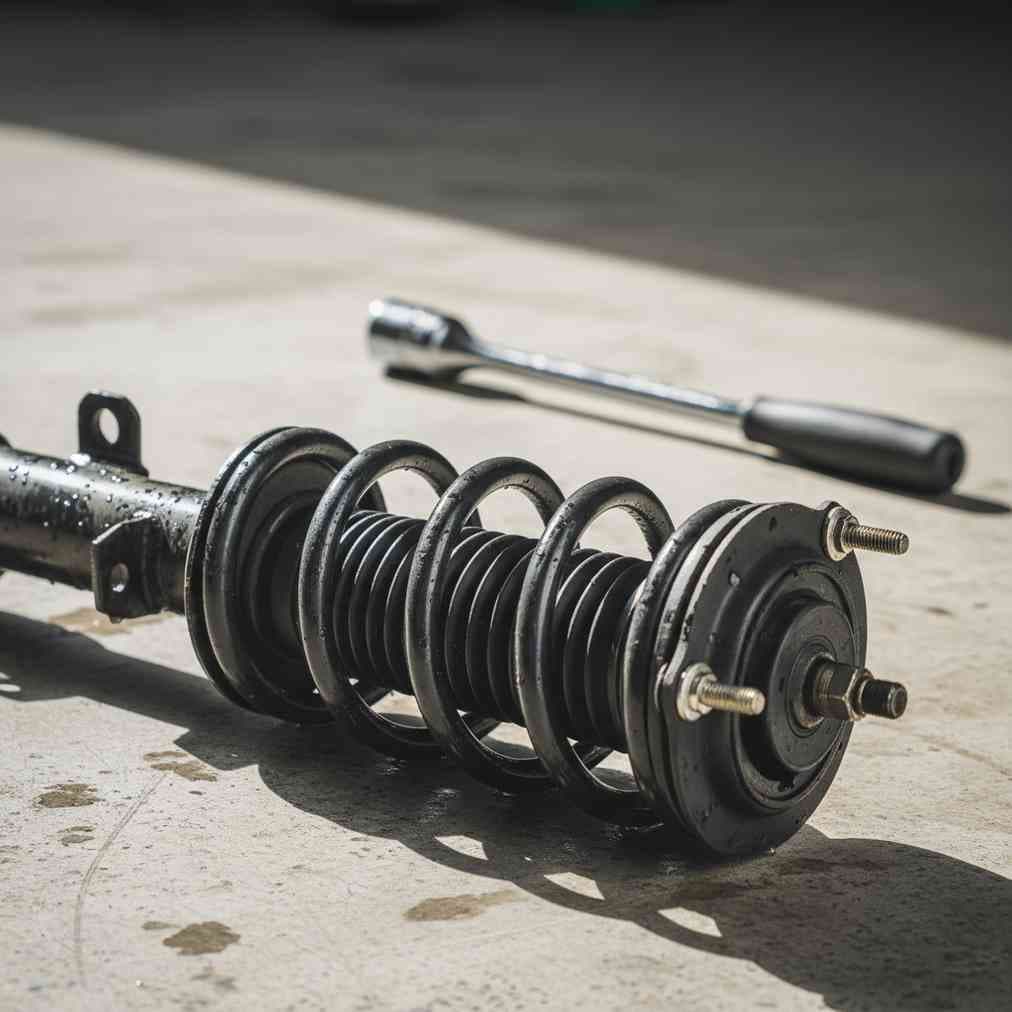
Signs Your Car Needs Strut Assembly Replacement Identifying a failing strut assembly early can save you money and prevent more serious suspension damage. Worn struts don't just affect ride comfort; they compromise braking distance and steering control, making them a critical safety component. These symptoms indicate diminished strut performance and necessitate immediate inspection. When shopping [...]
Article image
Signs Your Car Needs Strut Assembly Replacement
Identifying a failing strut assembly early can save you money and prevent more serious suspension damage. Worn struts don't just affect ride comfort; they compromise braking distance and steering control, making them a critical safety component.
Bouncy ride – Your vehicle continues to bounce after hitting bumps or dips excessively when braking
Nose diving – Sharp forward tilting during braking indicates compromised damping
Uneven tire wear – Look for “cupping” or feathering patterns on tire treads
Fluid leaks – Oily residue on the strut body signals blown seals
Excessive vibrations – Steering wheel or chassis vibrations, especially at higher speeds
Poor handling – Drifting, swaying in turns, or general instability
These symptoms indicate diminished strut performance and necessitate immediate inspection. When shopping for replacement parts, consider exploring when to buy used auto parts to make an informed decision about your repair options.
Finding Quality Used Strut Assemblies at Salvage Yards
Sourcing used strut assemblies from reputable salvage yards can provide significant cost savings compared to new parts. The key is knowing where to look and what to inspect before making your purchase.
Locating the Right Donor Vehicle
Start by identifying vehicles that match your car's specifications. Visit LKQ Pick Your Part locations or other salvage yards to find compatible donor cars. Ensure the donor vehicle is the same make, model, and year, or verify cross-compatibility through parts catalogs.
Having the right tools is crucial for safely removing and installing strut assemblies. Never attempt this repair without proper equipment, especially spring compressor tools.
Jack and jack stands – For safe vehicle lifting and support
Socket set and ratchets – Various sizes (typically 14mm, 17mm, 19mm)
Breaker bar – For loosening stubborn bolts
Spring compressor tool – ESSENTIAL for safe spring handling
Torque wrench – To meet manufacturer specifications
Penetrating oil – WD-40 or similar for rusty bolts
Pry bar and hammer – For component separation
Safety equipment – Gloves, safety glasses, work clothes
Removing strut assemblies from salvage vehicles requires careful technique to avoid damaging the parts or injuring yourself. Follow this detailed process for safe extraction.
Safety Preparation
Ensure the vehicle is on level ground with wheel chocks
Use proper jack stands – never rely solely on a jack
Take photos before disassembly for reference
Remove the wheel to expose the strut assembly
Component Disconnection
Start by carefully disconnecting all attached components to prevent damage during removal:
Brake line clips – Remove carefully to avoid stretching lines
ABS sensor wires – Unclip from strut mounting points
Sway bar end links – Use proper wrenches to avoid rounding bolts
Tie rod ends – Separate from steering knuckle if necessary
“Never attempt to compress springs or disassemble struts without a proper spring compressor tool due to risk of serious injury. The compressed spring can eject violently and cause severe trauma.”
For visual guidance on this process, watch detailed tutorials like this comprehensive strut replacement video that demonstrates proper safety techniques.
Strut Removal Sequence
Remove lower strut bolts – Typically 14-17mm pinch bolts
Support the steering knuckle – Use jack stand to prevent dropping
Access upper mount nuts – Usually located in engine bay or trunk
Leave center nut intact – Do not remove spring compression nut
Extract the assembly – Carefully maneuver out of wheel well
Professional Installation Process
Installing your used strut assembly requires reversing the removal process with attention to proper torque specifications and alignment. This step-by-step guide from experienced DIY mechanics provides detailed instructions for various vehicle types.
Installation Steps
Compare assemblies – Verify used part matches your old strut
Insert from top – Start with upper mount in strut tower
Align bottom connections – Connect to steering knuckle or control arm
Finger-tighten initially – Allow for adjustment during assembly
Reconnect all components – Brake lines, sensors, sway bar links
Final torque with weight on – Lower vehicle before final tightening
After installation, thorough inspection ensures your strut assembly replacement was successful and safe. Check out AutoZone's comprehensive strut replacement guide for additional safety checkpoints.
Post-Installation Checklist
Brake line clearance – Ensure no rubbing or pinching
Sensor wire routing – Check ABS wires are properly secured
Steering movement – Verify full lock-to-lock operation
Visual inspection – Look for proper alignment of all components
Test drive – Start with low speeds to check for noises
Using used strut assemblies can save significant money compared to new parts. Professional repair shops typically charge $300-700 for front strut replacement including parts and labor, making DIY installation with salvage parts an attractive option.
Money-Saving Strategies
Replace in pairs – Maintain balance and handling consistency
Complete assemblies – Avoid dangerous spring disassembly
Apply anti-seize compound to prevent future corrosion
Consider professional alignment after installation
Keep documentation for warranty purposes
Community forums like Edmunds discussion boards provide valuable insights from experienced DIYers who have successfully completed similar projects.
Safety Considerations and Best Practices
Working with suspension components involves serious safety considerations. The automotive industry continues to emphasize the importance of proper techniques, especially when dealing with compressed springs and heavy assemblies.
Never skip spring compressors – Uncontrolled spring release can cause fatal injuries
Use proper lifting techniques – Strut assemblies are heavier than they appear
Wear safety equipment – Eye protection and gloves are essential
Work on level surfaces – Ensure vehicle stability throughout the process
Have backup support – Consider having an experienced helper present
For comprehensive vehicle safety information, visit our guide on getting car repairs done right to understand professional standards and safety protocols.
Alternative Solutions and Related Repairs
While replacing complete strut assemblies is often the best approach, understanding related suspension repairs can help you make informed decisions about your vehicle's needs.
Related Suspension Components
Consider inspecting and potentially replacing these related components during your strut replacement:
Choosing used auto parts contributes significantly to environmental conservation. The automotive recycling industry prevents millions of tons of materials from entering landfills annually while providing affordable repair options.
Learn more about the role of auto recyclers in maintaining sustainable transportation and how your parts purchasing decisions impact environmental conservation efforts.
By following this comprehensive guide, you can successfully locate, evaluate, and install quality used strut assemblies while saving money and contributing to environmental sustainability. Remember that proper technique and safety precautions are essential for a successful DIY suspension repair project.