How to Find Salvage Engines by Mileage and Condition
Understanding the Balance: Mileage vs. Condition in Salvage Engines When searching for a salvage engine, understanding the relationship between mileage and condition is crucial for making a smart purchase. While many buyers focus solely on low mileage numbers, the actual condition of the engine often tells a more complete story about its reliability and remaining [...]
Article image
Understanding the Balance: Mileage vs. Condition in Salvage Engines
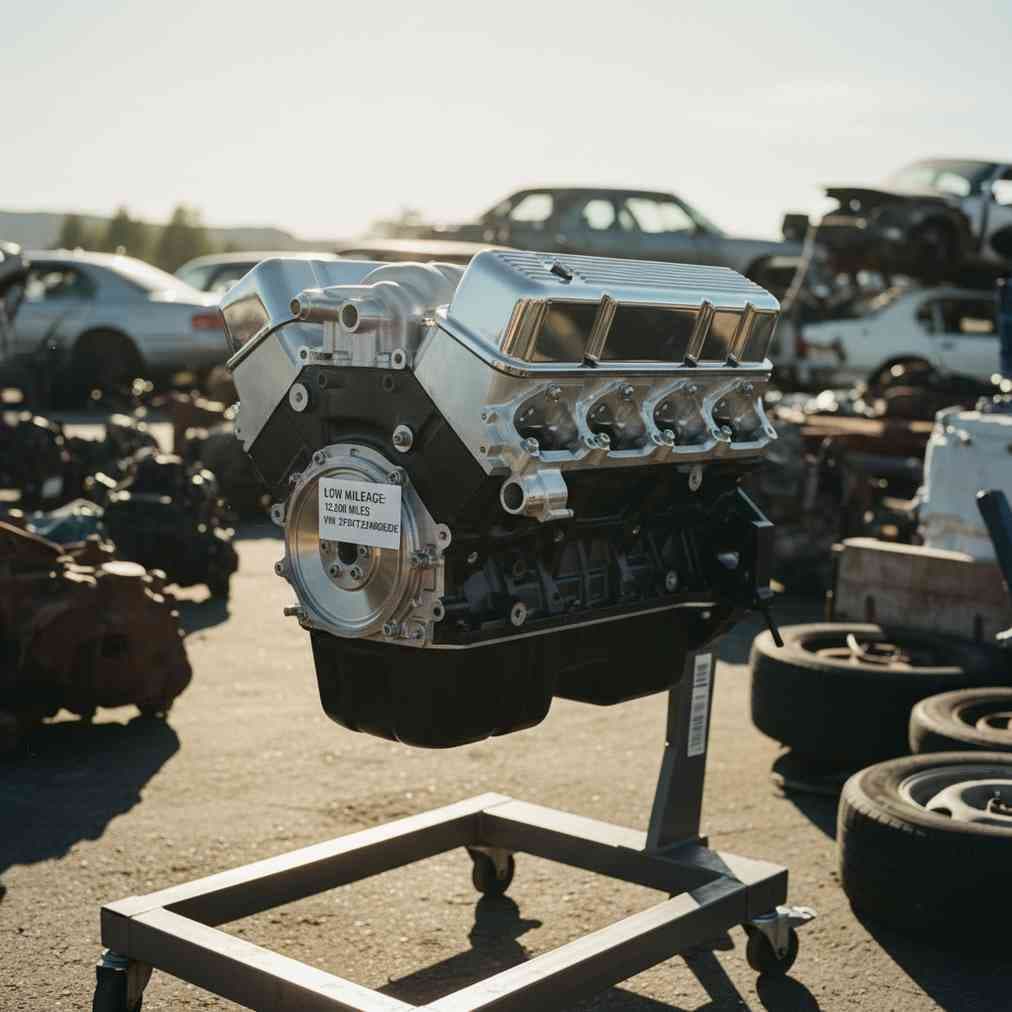
When searching for a salvage engine, understanding the relationship between mileage and condition is crucial for making a smart purchase. While many buyers focus solely on low mileage numbers, the actual condition of the engine often tells a more complete story about its reliability and remaining lifespan.
Finding the right salvage engine requires balancing two critical factors: numerical mileage expectations and real-world condition indicators. An engine with 100,000 miles but excellent maintenance records can often outperform a 50,000-mile engine that was severely neglected or improperly stored.
Key Insights for Sourcing Quality Salvage Engines
When sourcing a salvage engine, you're essentially looking for the best value combination of low upfront cost and long-term reliability. Here are the most important factors to consider:
Mileage Guidelines: Look for engines with less than 75,000 miles when possible, as this reduces the likelihood of significant wear. An ideal engine averages around 15,000 miles per year of use
Condition Trumps Numbers: A high-mileage engine with documented oil changes and proper maintenance often proves more reliable than a low-mileage engine from a neglected vehicle
Source Reputation:Reputable salvage yards that inspect and warranty their engines provide significantly more security than private sellers
Warranty Protection: Never buy a used engine without some form of warranty or return policy – this indicates the seller's confidence in the product quality
For those looking to find quality salvage engines, our comprehensive junkyard database can help locate reputable salvage yards near you with verified inventory and customer reviews.
Major Benefits of Choosing Salvage Engines
Opting for salvage engines offers compelling advantages that make them an attractive choice for cost-conscious vehicle repairs and restorations:
Benefit
Details
Potential Savings
Cost Savings
Used engines cost significantly less than new or rebuilt options
50-70% savings
Environmental Impact
Reduces manufacturing demand and landfill waste
Sustainability benefits
Availability
Access to older or rare engines no longer in production
Immediate availability
Proven Performance
OEM parts with road-tested reliability
Quality assurance
These cost savings make salvage engines particularly valuable for older vehicles where the repair cost might otherwise exceed the vehicle's value. Understanding when to buy used auto parts can help you make informed decisions about engine replacement timing.
Comprehensive Salvage Engine Inspection Checklist
A thorough inspection process is essential for evaluating a salvage engine's true condition, regardless of stated mileage. Use this systematic approach:
Documentation and History Verification
Service Records: Request maintenance history, oil change records, and any major repair documentation
Vehicle History: Obtain Carfax or similar reports to identify accident history, especially front-end collisions
Mileage Verification: Cross-reference odometer readings with service records and vehicle history
“The most important thing when buying a used engine is to make sure the compression is similar across the board. More than a 10-percent variance could indicate serious internal issues that may not be immediately apparent.”
– Engine Rebuilding Expert
Calculating Expected Lifespan and Value
Understanding the remaining useful life of a salvage engine helps justify the investment and plan for future maintenance:
Average Lifespan: Quality salvage engines typically provide 75,000 to 100,000 additional miles of service
Lifespan Calculation: Subtract current mileage from expected total lifespan (often 200,000+ miles), then divide by annual driving habits
Cost Per Mile: Calculate the engine cost divided by expected remaining miles to compare value against other options
This calculation becomes especially important when considering whether engine replacement makes financial sense compared to selling your vehicle for cash and purchasing a different one.
Modern Trends in Salvage Engine Sourcing
The salvage engine market has evolved significantly with technological advances and changing consumer preferences:
Online vs. Traditional Salvage Yards
Source Type
Advantages
Considerations
Online Retailers
Warranties, tested engines, direct shipping to mechanics
Higher initial cost, limited physical inspection
Local Salvage Yards
Lower prices, personal inspection, immediate pickup
Learning from others' experiences can prevent costly mistakes in salvage engine purchases:
Mistake
Consequence
Prevention
Focusing Only on Mileage
Overlooking maintenance history and actual condition
Equal weight to condition indicators and documentation
Skipping Compression Testing
Missing internal wear or damage
Always test compression before purchase
Buying Without Warranty
No recourse for hidden problems
Only purchase from sellers offering guarantees
Ignoring Compatibility
Engine won't fit or function properly
Verify exact model and engine code matches
Making the Final Decision
Successfully finding a salvage engine by mileage and condition requires a balanced approach that weighs multiple factors beyond simple odometer readings. The best salvage engines combine reasonable mileage with documented maintenance history, verified mechanical condition, and purchase from reputable sources with appropriate warranties.
Remember that condition ultimately trumps mileage in determining long-term reliability. A well-maintained engine with higher mileage often provides better value and performance than a neglected low-mileage alternative. By following the comprehensive inspection checklist and working with reputable suppliers, you can find a salvage engine that delivers reliable service for years to come.
Whether you're restoring a classic vehicle, repairing a daily driver, or building a project car, the right salvage engine can provide an economical and environmentally responsible solution when chosen with careful attention to both mileage and condition indicators.