Understanding the Used Car Door Market Finding a replacement car door doesn't have to break the bank. Junkyards and auto salvage yards offer an excellent opportunity to find quality used doors at a fraction of the cost of new parts. The growing market for used auto parts continues to expand, making it easier than ever [...]
Article image
Understanding the Used Car Door Market
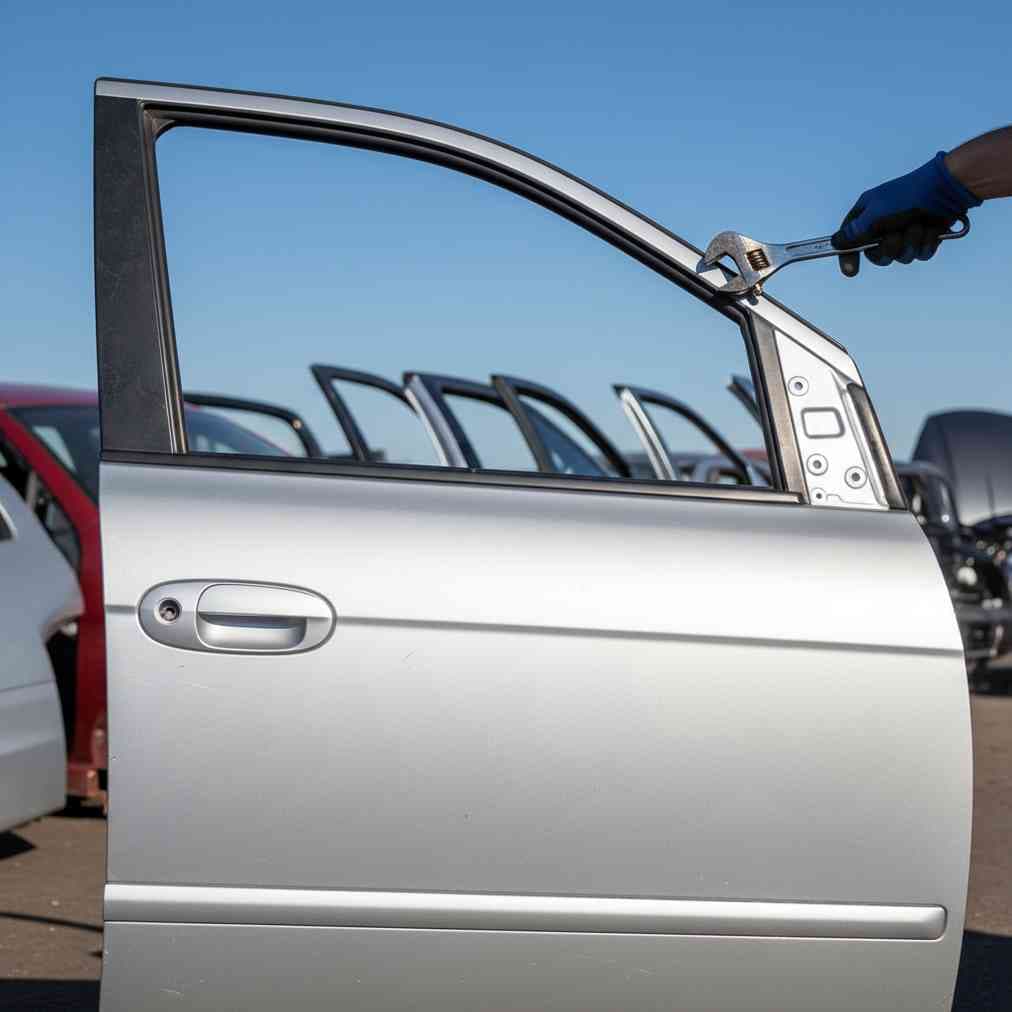
Finding a replacement car door doesn't have to break the bank. Junkyards and auto salvage yards offer an excellent opportunity to find quality used doors at a fraction of the cost of new parts. The growing market for used auto parts continues to expand, making it easier than ever to locate the specific components you need.
According to the Automotive Recyclers Association (ARA), the automotive recycling industry generates billions of dollars annually while saving significant amounts of energy and raw materials compared to manufacturing new parts. This highlights both the economic and environmental benefits of choosing affordable used car doors at auto salvage yards.
Preparation: Know Before You Go
Essential Vehicle Information
Before visiting any salvage yard, compile the exact specifications of your vehicle. This information is crucial for ensuring compatibility and avoiding costly mistakes.
Required Information
Why It Matters
Year, Make, Model
Ensures basic compatibility
Trim Level
Affects features like power windows, mirrors
Door Type
Front/rear, driver/passenger side
Two-door vs Four-door
Door size and shape variations
VIN Number
Helps identify exact parts compatibility
Research Reputable Salvage Yards
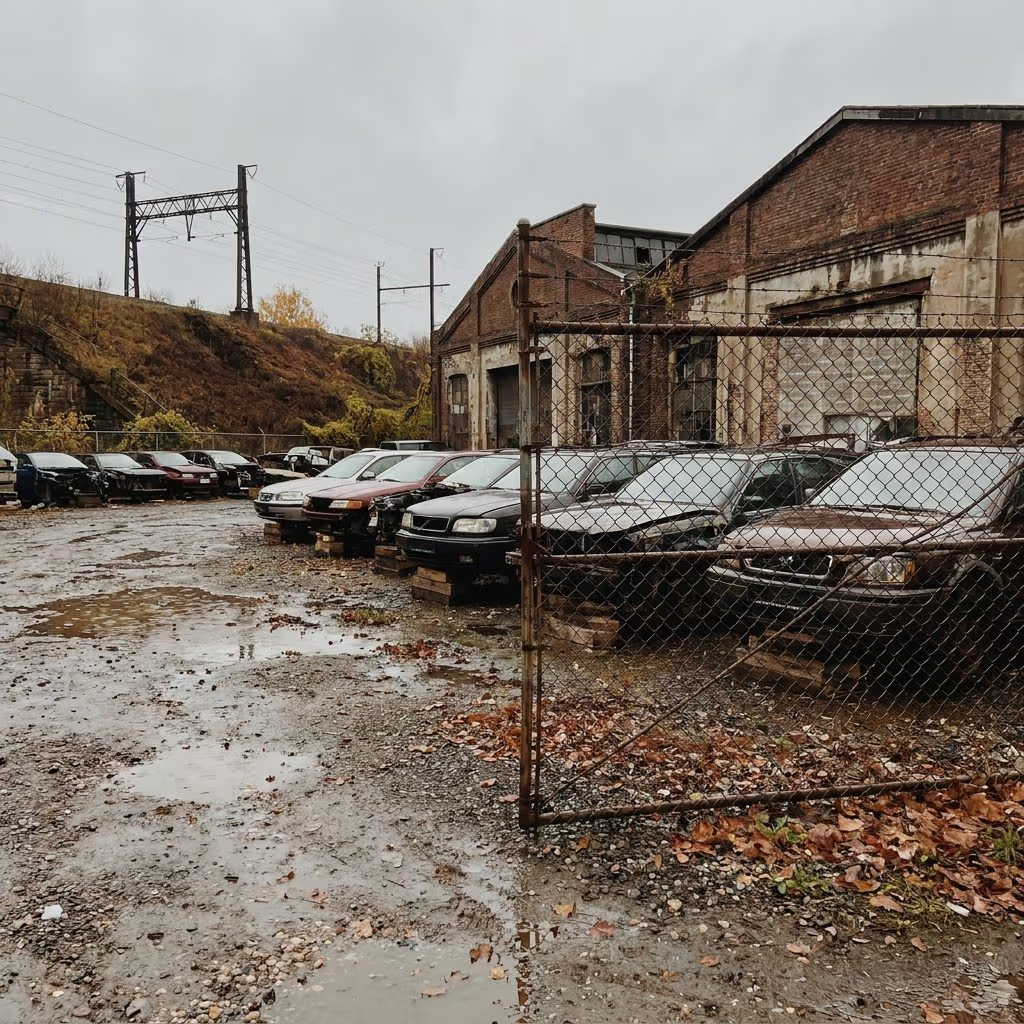
Not all junkyards are created equal. Quality salvage yards maintain organized inventories, fair pricing, and helpful staff. Consider these factors when selecting a yard:
Online inventory systems that allow you to search for parts remotely
Customer reviews and ratings on Google Maps or Yelp
Specialization in your vehicle's make or large general inventory
Clear policies on returns and warranties
Safety protocols and organized layout
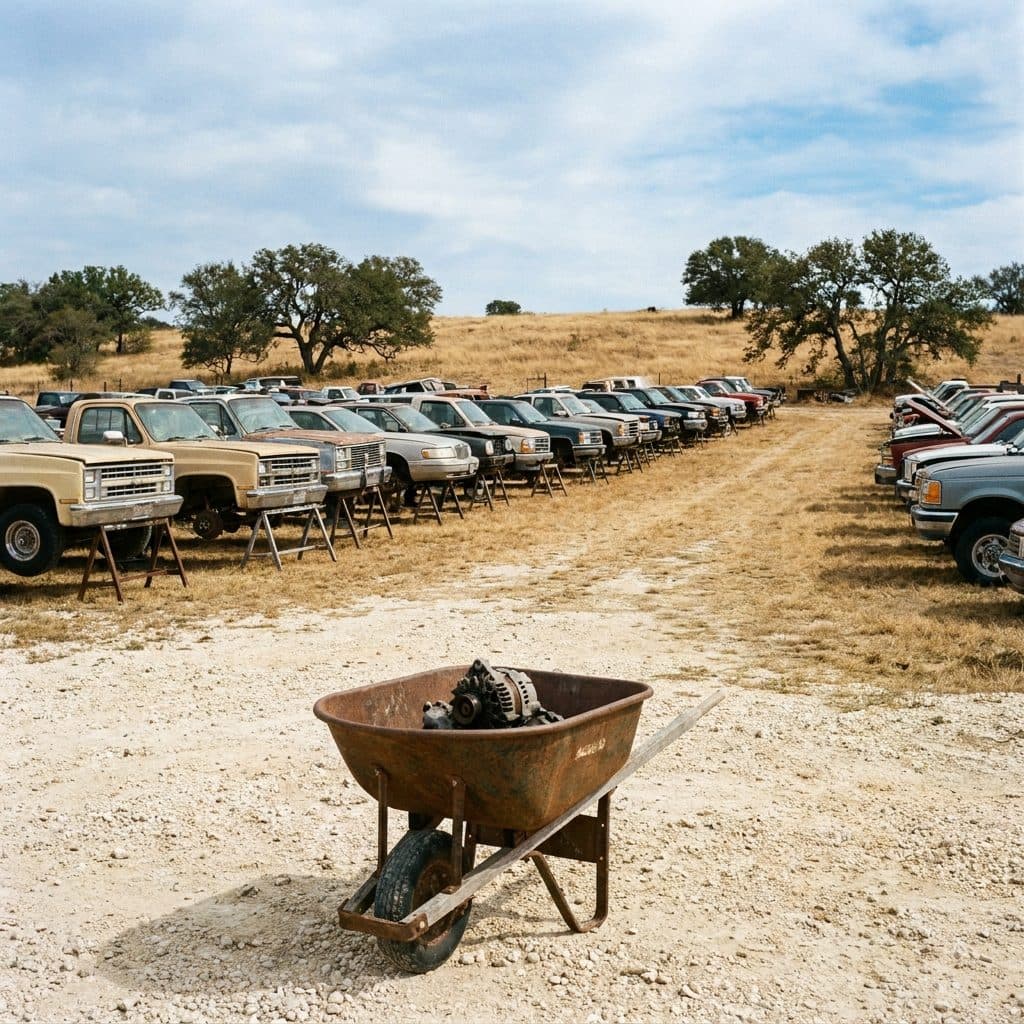
Many yards operate on a “pick-and-pull” or “U-Pull-It” system, where customers remove parts themselves. Learn more about what is a U-Pull-It junkyard and how these operations work before your visit.
A comprehensive inspection saves you from purchasing a door that will cause problems later. Understanding salvaged exterior parts helps you know what to look for during your evaluation.
Critical Inspection Points
Rust Assessment: Check lower edges, wheel well areas, inside door frames, and mounting points. Surface rust may be manageable, but deep, penetrating rust compromises structural integrity
Physical Damage: Look for dents, dings, cracks, or bends in the door panel. Check for accident damage signs like misaligned seams or excessive body filler
Window Functionality: Test manual windows by cranking them up and down. For power windows, inspect the motor and regulator mechanism
Hardware Condition: Verify door handles, lock cylinders, mirrors, and hinges are present and functional
Interior Panel: Examine for tears, cracks, or missing components that might require separate replacement
“When looking for used body panels, especially doors, rust is your biggest enemy. Always check the lower sections and behind trim pieces. A door that looks good on the outside might have hidden rot that will cost you more in the long run.”
Experienced Auto Mechanic
Hidden Areas to Inspect
Use your flashlight and inspection mirror to examine areas that aren't immediately visible. These often reveal the true condition of the door:
Inside the door jamb for water damage or rust
Under weather stripping for corrosion
Hinge mounting points for stress cracks
Window tracks and regulator mechanism
Electrical connections and wire harnesses
Safe Removal Procedures
Proper removal technique protects both you and the door from damage. Follow these first-time salvage yard tips to ensure a safe and successful extraction.
Step-by-Step Removal Process
Prepare the Vehicle: Open the door fully and disconnect the battery if working with electrical components
Remove Interior Components: Carefully detach the interior door panel, starting with visible screws and then releasing clips
Disconnect Electrical: Unplug all wire harnesses for speakers, power windows, locks, and lights
Support the Door: Use a jack stand, wooden block, or helper to support the door's weight
Unbolt Hinges: Remove bolts from either the door side or vehicle side of the hinges
Extract the Door: Carefully lift and remove the door with assistance
Remember that car doors are surprisingly heavy and awkward to handle. Having a second person makes the process much safer and reduces the risk of damage during removal.
Cost Considerations and Savings
Understanding the financial benefits helps justify the time invested in salvage yard shopping. Used doors typically cost 50-80% less than new replacements, making them an attractive option for budget-conscious repairs.
Door Type
New Part Cost
Used Part Cost
Potential Savings
Basic Economy Car
$800-$1,200
$150-$400
$400-$1,000
Mid-Size Sedan
$1,000-$1,800
$200-$600
$600-$1,400
Luxury Vehicle
$2,000-$4,000
$400-$1,200
$1,200-$3,200
Truck/SUV
$1,200-$2,500
$250-$800
$700-$2,000
These savings become even more significant when you consider that many used doors come with additional components like mirrors, window regulators, and interior panels that would cost extra when purchased separately.
Modern Vehicle Considerations
The automotive landscape is evolving rapidly, with new technologies affecting even basic components like doors. Electric vehicle parts from junkyards are becoming more common, but they present unique challenges.
Technology Integration Challenges
Advanced Driver Assistance Systems (ADAS): Some doors contain sensors for blind spot monitoring or other safety features
Integrated Electronics: Modern doors may have complex wiring for multiple functions
Keyless Entry: Sophisticated lock mechanisms that require programming
Premium Audio: High-end speaker systems integrated into the door panel
While these features add complexity, the core principles of inspecting for rust, damage, and functionality remain constant across all vehicle types.
Quality Assessment and Red Flags
Learning to identify quality issues quickly saves time and prevents disappointing purchases. Understanding junkyard rules and procedures helps set proper expectations for your shopping experience.
Green Light Indicators
Minimal surface rust that can be easily treated
Solid hinge mounting points without stress cracks
Functional window operation (manual or power)
Intact weather sealing and trim pieces
Complete electrical connections
Original paint in good condition
Red Flag Warning Signs
Deep rust that has eaten through the metal
Evidence of major collision damage
Bent or damaged hinge points
Missing essential hardware that's difficult to replace
Extensive body filler indicating poor previous repairs
Water damage signs (mud, water stains, corrosion)
Maximizing Your Salvage Yard Experience
Timing and strategy can significantly improve your chances of finding quality parts at great prices. The best days to hit the junkyard often provide better selection and less crowded conditions.
Strategic Shopping Tips
Early Morning Visits: Arrive when yards open for first pick of new inventory
Weekday Shopping: Avoid weekend crowds for better access and service
Build Relationships: Establish rapport with yard staff who can notify you of new arrivals
Bring Cash: Many yards offer cash discounts and some don't accept cards
Check Return Policies: Understand warranty terms and return options before purchasing
Transportation and Storage
Plan for safe transportation of your purchased door. Most salvage yards don't provide delivery, so you'll need:
A vehicle capable of transporting a bulky door
Protective padding to prevent damage during transport
Tie-down straps or rope to secure the door
A clean, dry storage area if not installing immediately
Installation Considerations
While finding and removing the door is just the first step, successful installation requires additional planning. Consider whether you'll handle the installation yourself or need professional help.
DIY vs Professional Installation
Aspect
DIY Installation
Professional Installation
Cost
Parts cost only
Parts + $200-$500 labor
Time Required
4-8 hours
2-4 hours
Tools Needed
Extensive tool collection
None
Skill Level
Intermediate to advanced
Not applicable
Warranty
Parts only
Parts and labor
Post-Installation Requirements
Alignment Adjustment: Doors may need fine-tuning for proper fit and closure
Paint Matching: Consider professional color matching for seamless appearance
Electrical Programming: Modern vehicles may require system reprogramming
Safety Inspection: Ensure all safety features function properly
Common Mistakes to Avoid
Learning from others' mistakes saves time, money, and frustration. These common errors can turn a good deal into an expensive lesson.
Inadequate Research: Not verifying compatibility before purchase
Rushed Inspection: Missing critical damage due to time pressure
Insufficient Tools: Arriving unprepared for removal requirements
Ignoring Hidden Damage: Focusing only on visible surfaces
Poor Transportation: Damaging the door during transport
Unrealistic Expectations: Expecting perfect condition at bargain prices
Environmental and Economic Impact
Choosing used automotive parts contributes to environmental sustainability while providing economic benefits. The role of auto recyclers extends beyond simple cost savings to include significant environmental contributions.
Environmental Benefits
Resource Conservation: Reduces demand for new raw materials
Energy Savings: Manufacturing new parts requires significantly more energy
Waste Reduction: Keeps functional parts out of landfills
Pollution Reduction: Less manufacturing means reduced industrial emissions
Building Long-Term Relationships
Successful salvage yard shopping often depends on developing relationships with yard operators and staff. These connections can lead to better deals, early notifications of new inventory, and insider knowledge about the best finds.
Relationship Building Strategies
Regular Visits: Become a familiar face at your preferred yards
Respectful Interaction: Treat staff courteously and follow yard rules
Fair Business Practices: Pay promptly and don't argue over reasonable prices
Word of Mouth: Recommend good yards to other enthusiasts
Patience: Understand that finding the perfect part may take time
Remember that salvage yard operators are running businesses and appreciate customers who understand their operations and constraints. Building these relationships can pay dividends in terms of better service, pricing, and access to quality parts.
Conclusion: Making Smart Salvage Decisions
Finding the best used car doors at junkyards requires preparation, patience, and knowledge. By following the comprehensive inspection guidelines, bringing proper tools, and building relationships with salvage yard professionals, you can consistently find quality doors at significant savings.
The key to success lies in understanding that while used parts require more effort to source and evaluate, the financial savings and environmental benefits make this effort worthwhile. Whether you're restoring a classic vehicle, repairing accident damage, or simply maintaining an older car cost-effectively, salvage yards offer an invaluable resource for quality automotive components.
Start your salvage yard journey with realistic expectations, proper preparation, and a commitment to thorough inspection. With time and experience, you'll develop the skills to quickly identify quality parts and avoid problematic ones, making your automotive maintenance both affordable and sustainable.