Understanding Parking Brake System Parts A traditional mechanical parking brake system operates independently of your vehicle's main hydraulic braking system, relying on mechanical linkage to secure the rear wheels. When sourcing a used parking brake assembly from a salvage yard, understanding the key parts is essential for a successful purchase. Primary Parts of a Parking [...]
Article image
Understanding Parking Brake System Parts
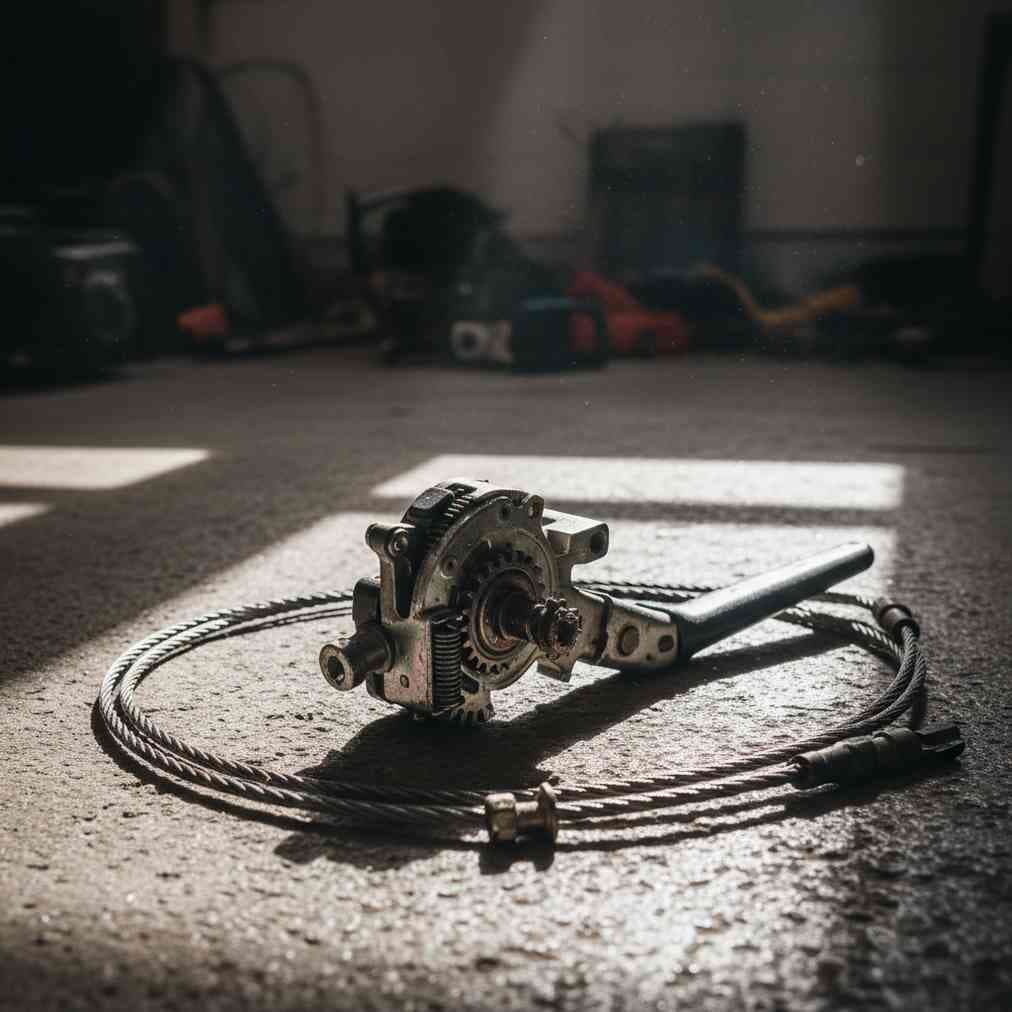
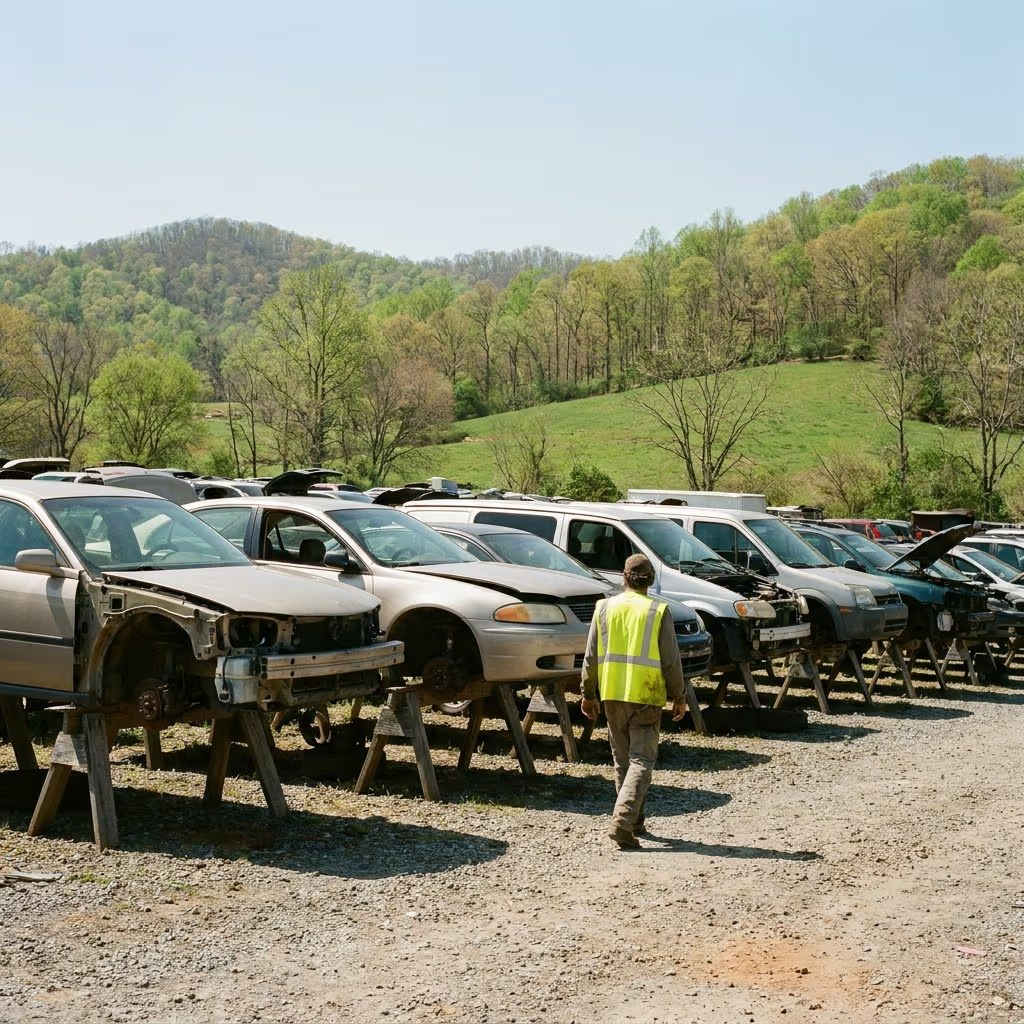
A traditional mechanical parking brake system operates independently of your vehicle's main hydraulic braking system, relying on mechanical linkage to secure the rear wheels. When sourcing a used parking brake assembly from a salvage yard, understanding the key parts is essential for a successful purchase.
Primary Parts of a Parking Brake System
Brake Operating Mechanism: Hand lever (handbrake), foot pedal, or electronic button (EPB)
Cables: Primary cable from lever to relay lever, splitting into two separate cables for each rear wheel
Brake Unit: Direct braking force application at rear wheels
Rear Calipers/Drums: Hardware that works with parking brake cables
The brake unit varies by vehicle type and includes disc integrated parking brakes with shoes and levers inside the rotor assembly, drum integrated systems using existing brake shoes, or central brake types installed behind the transmission. When visiting junkyards near me, you'll primarily search for the lever/pedal assembly, complete parking brake cables, and rear brake hardware.
Inspecting Used Parking Brake Cables
Parking brake cables are the most common wear item in mechanical systems, as they stretch, corrode, and seize over time. Thorough inspection is crucial when sourcing from salvage yards to ensure you're getting functional parts that will provide reliable service.
Inspection Point
How to Check
What to Look For
Fraying/Damage
Visually inspect entire exposed cable length
Broken strands, kinking, or damaged outer sheath
Rust/Corrosion
Check cable entry/exit points near axle and frame
Rust bubbles or visible rust through sheath
Stretching/Slack
Engage brake fully and check adjuster position
Excessive pulls needed or maxed out adjuster
Binding/Seizing
Manually manipulate cable ends and inner core
Sticking, binding, or poor retraction
Pro Tip: If the cable is seized where it connects to the rear caliper, disconnect it at the lever inside the cabin first, then trace and disconnect at the rear. Patience prevents breakage of valuable parts.
Testing Cable Functionality
When possible, perform functional tests on the parking brake cables. A properly functioning cable should retract completely into its outer casing when the brake is fully released. If you notice the cable appears loose or the adjuster is at maximum extension, the cable has likely stretched beyond useful limits.
Understanding data analysis techniques can help you make informed decisions about part condition based on visual and functional inspection results.
Complete Hardware Removal Checklist
Successfully obtaining a complete used parking brake assembly requires more than just the main lever and cables. Missing small clips, brackets, or hardware pieces can make reinstallation difficult and compromise safety. Use this comprehensive checklist to ensure you gather all necessary parts.
Actuator and Wheel End Parts
Part Group
Checklist Item
Salvage Yard Notes
Brake Hardware
Parking brake shoes/pads
Ensure shoes and actuator lever are present for drum-in-disc style
Mounting Hardware
Caliper/wheel cylinder bracket
Include entire caliper or specific parking brake actuator arm
Small Hardware
C-clips, pins, and struts
These hold parking brake shoes in place and are often non-reusable
Adjustment
Adjuster mechanism
Look for nut/bolt assembly near lever or under floor
Cable Run and Mounting Hardware
Cable clips and mounts: Collect all metal clips, brackets, and insulators securing cable housing to frame
Cable grommets and seals: Rubber grommets where cables pass through floor pan or firewall
Protective covers: Heat shields or protective sleeves along the cable run
Adjustment hardware: Nuts, bolts, and tensioning devices
Many salvage yards like those found through LKQ Pick Your Part Houston organize parts systematically, making it easier to locate complete assemblies with all necessary hardware intact.
Operating Mechanism Parts
The operating mechanism varies significantly between vehicles but typically includes the main lever or pedal assembly, mounting hardware, and internal adjustment components. For Electronic Parking Brake (EPB) systems, you'll need the activation button, control unit, and electric motors attached to rear brake elements.
Lever/pedal assembly with handle and mounting bolts
Internal adjustment nuts and springs
All mounting bolts, nuts, and washers
Electrical connections (for EPB systems)
Special Considerations for Different Systems
Modern vehicles may feature electronic parking brake systems that differ significantly from traditional mechanical setups. These systems require different parts and inspection techniques when sourcing from salvage yards.
Electronic Parking Brake Systems
EPB systems eliminate traditional cables in favor of electronic controls and electric motors. When sourcing these systems, ensure you obtain:
Electronic control module
Activation switch or button
Electric actuator motors
Wiring harnesses and connectors
Brake caliper integration hardware
Cable inspection becomes less relevant for EPB systems, but verifying the integrity of electronic parts and motor assemblies is crucial. If you're selling a vehicle with EPB issues, consider getting an instant quote for junk car to determine if repair or replacement makes financial sense.
Finding Quality Used Parking Brake Assemblies
Locating the right used parking brake assembly requires research and patience. Start by identifying your vehicle's specific system type and required parts before visiting salvage yards.
Research Before You Go
Identify your vehicle's parking brake system type
Create a parts list with OEM part numbers when possible
Check salvage yard inventory systems online
Call ahead to verify part availability
Bring proper tools for removal
Many successful salvage yard visits begin with thorough preparation. Understanding your specific needs and having the right tools can save significant time and ensure you get complete, functional assemblies.
Removal Tips and Techniques
Proper removal technique preserves part integrity and ensures you get all necessary hardware. Start with the operating mechanism inside the vehicle, then work your way to the rear wheels, carefully documenting cable routing and hardware placement.
Take photos during disassembly to reference proper installation procedures and hardware placement when installing your used parts.
For comprehensive guidance on automotive research methods and analysis, research methodology resources can provide valuable insights into systematic approaches for evaluating used auto parts.
Cost Considerations and Value Assessment
Used parking brake assemblies typically cost 60-80% less than new OEM parts, making them attractive options for budget-conscious repairs. However, proper evaluation ensures you get good value for your investment.
Price Factors to Consider
Part condition and completeness
Vehicle make, model, and year
System type (mechanical vs. electronic)
Local salvage yard pricing policies
Installation complexity and additional parts needed
Remember that incomplete assemblies may seem cheaper initially but can cost more when you factor in missing hardware and additional trips to source remaining parts. Investing in a complete, quality assembly often provides better long-term value.
Installation and Safety Considerations
Installing a used parking brake assembly requires attention to detail and adherence to safety procedures. Parking brakes are critical safety systems that must function properly to prevent vehicle rollaway accidents.
Post-Installation Testing
After installation, thoroughly test the parking brake system to ensure proper operation. This includes checking adjustment, verifying cable routing, and confirming the system holds the vehicle securely on an incline.
Test parking brake engagement and release
Verify proper cable adjustment and tension
Check for binding or unusual resistance
Confirm system holds vehicle on moderate incline
Inspect all connections and mounting points
Professional installation may be advisable for complex systems or if you're uncomfortable with brake system work. The safety implications of parking brake failure make proper installation critical for vehicle and occupant safety.
With careful inspection, proper part selection, and attention to installation details, a used parking brake assembly can provide reliable service at a fraction of new part costs. Take time to thoroughly evaluate parts before purchase and don't hesitate to walk away from questionable assemblies that might compromise safety or reliability.