Understanding the Value of a Car with a Blown Engine A car with a blown engine may seem worthless, but it still retains significant value. Even when the engine is completely damaged, your vehicle contains numerous valuable components and materials that buyers are actively seeking. Understanding these value sources is the first step toward turning [...]
Article image
Understanding the Value of a Car with a Blown Engine
A car with a blown engine may seem worthless, but it still retains significant value. Even when the engine is completely damaged, your vehicle contains numerous valuable components and materials that buyers are actively seeking. Understanding these value sources is the first step toward turning your non-running vehicle into cash.
What Makes Your Car Valuable Despite Engine Damage
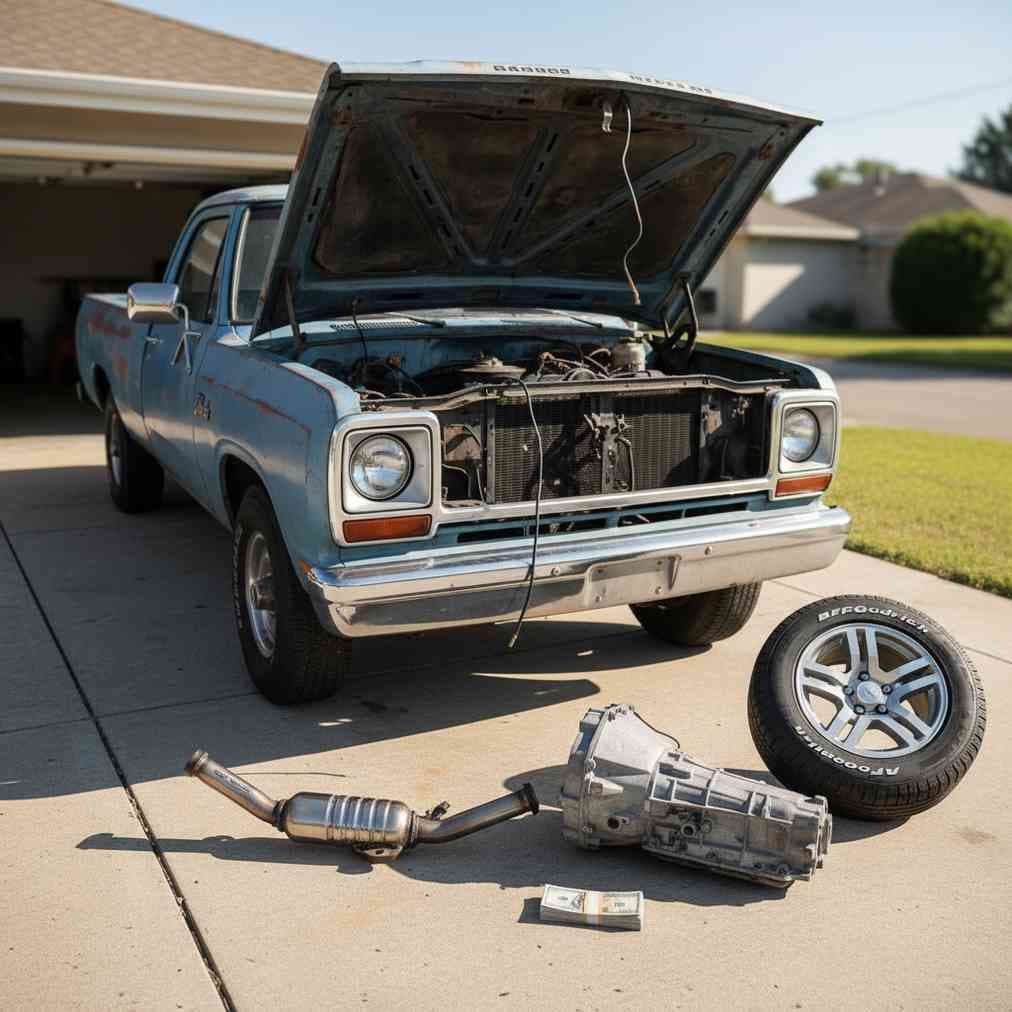
The engine typically accounts for only about 20% of a car's total value, meaning 80% of your vehicle's worth remains intact. Several factors contribute to this remaining value:
Valuable auto parts including transmission, alternator, catalytic converter, and wheels
Scrap metal value from the vehicle's steel and aluminum components
Interior components like seats, dashboard parts, and electronics
Body parts such as doors, fenders, and bumpers
Glass components including windshields and windows
Before exploring your selling options, it's important to understand why selling your car with engine problems often makes more financial sense than attempting repairs. Engine replacement or rebuild costs typically range from $4,000 to $7,000 or more, making it economically impractical for most vehicles.
“Professional advice highlights that repairing a blown engine is usually not financially sensible due to high parts and labor costs. Selling as junk maximizes value for most owners.”
The growing market for used auto parts ensures steady demand for components from vehicles with engine damage, making immediate sale a practical choice.
Essential Documents You'll Need
Gathering the proper documentation is crucial for a smooth transaction when selling your junk car. Missing paperwork can delay or prevent the sale entirely.
Required Documents
Vehicle Title – The most critical document proving legal ownership
Valid Government-Issued ID – Driver's license or state ID matching the title name
Current Vehicle Registration – Helpful for verification purposes
Lien Release – Required if there was a loan on the vehicle
Bill of Sale – Recommended for record-keeping and legal protection
If you've lost your title, contact your local Department of Motor Vehicles (DMV) to obtain a duplicate before attempting to sell. Some buyers may accept alternative documentation for older vehicles, but having a clear title simplifies the process significantly.
How to Prepare Your Car for Maximum Value
Proper preparation can significantly increase the cash offer you receive for your vehicle with engine problems. Even small efforts can make a meaningful difference in your final payout.
Pre-Sale Preparation Steps
Clean the vehicle thoroughly – Remove all personal items and debris
Assess valuable components – Note any high-value parts in good condition
Take detailed photos – Document both damage and valuable components
Check fluid levels – Drain hazardous fluids if required by buyer
Remove aftermarket additions – Consider keeping custom parts for separate sale
Being transparent about the engine damage builds trust with potential buyers and ensures smoother negotiations. Consider researching high-value auto parts that might be present in your vehicle to better understand its worth.
Best Places to Sell Your Car with a Blown Engine
Multiple options exist for selling a non-running car, each with distinct advantages and considerations. Understanding these options helps you choose the best approach for your situation.
Junk Car Buyers and Online Services
Professional junk car buying services offer the most convenient option for quick cash. These companies specialize in purchasing vehicles regardless of condition and typically provide:
Instant online quotes – Get estimates within minutes
Free towing services – No additional costs for vehicle pickup
Same-day payment – Cash on the spot or quick bank transfers
Paperwork handling – Assistance with title transfer and documentation
Popular services include Peddle and CarBrain, both offering streamlined processes for selling damaged vehicles.
Local Salvage Yards and Auto Recyclers
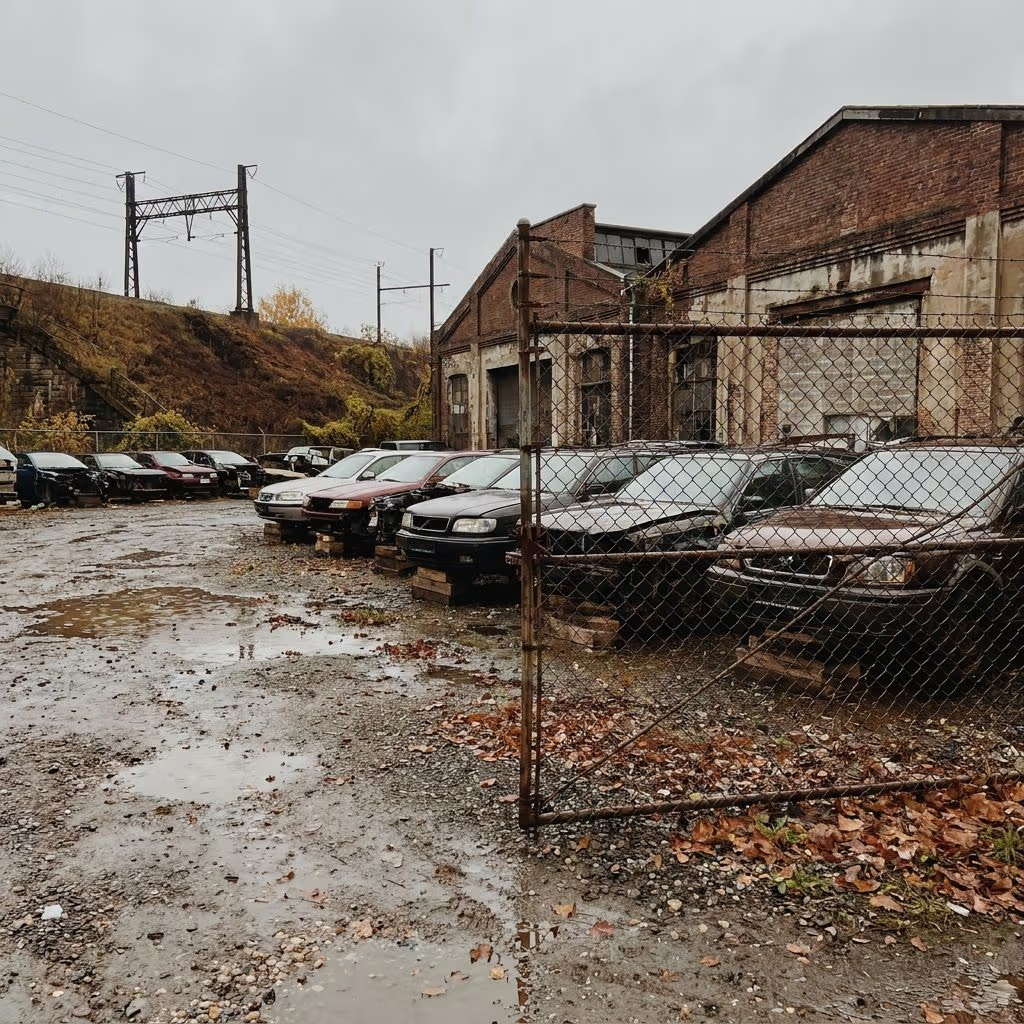
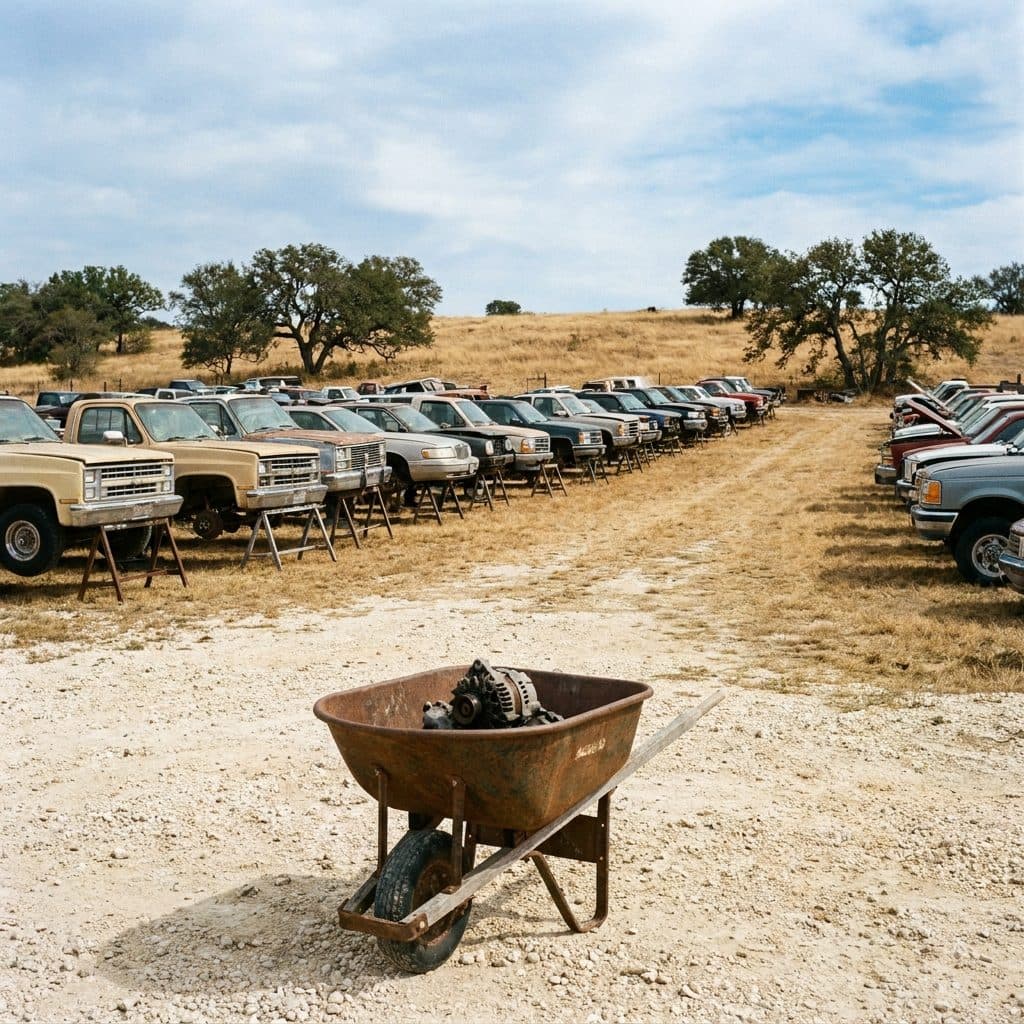
Local salvage operations often provide competitive offers and immediate cash payment. These businesses focus on auto recycling and parts resale, making them ideal buyers for vehicles with valuable components intact.
Benefits of working with local buyers include:
Face-to-face negotiations
Immediate cash transactions
Local market knowledge
Potential for higher offers on specific makes/models
Private Sales and Parts Sales
For those willing to invest more time and effort, selling individually or parting out the vehicle can yield higher returns. This approach works best when:
Your vehicle has particularly valuable or rare parts
Maximizing your return requires strategic thinking and market awareness. Understanding what drives junk car values helps you negotiate better offers and choose the right buyer.
Factors That Increase Your Car's Value
High-demand parts – Transmissions, catalytic converters, airbags
Vehicle weight – Heavier vehicles contain more scrap metal
Popular make and model – Common vehicles have higher parts demand
Current scrap metal prices – Market fluctuations affect base value
Complete vehicle – Missing parts reduce overall value
Location accessibility – Easy towing access may increase offers
Understanding catalytic converter values and other high-worth components helps you better assess offers from potential buyers.
Negotiation Strategies
Get multiple quotes – Compare offers from 3-5 different buyers
Know your car's specifics – Year, make, model, mileage, and condition
Highlight valuable components – Point out working parts and accessories
Be flexible on timing – Quick sales may command premium prices
Consider transportation costs – Factor in towing expenses if not included
Research shows that sellers who obtain multiple quotes typically receive 15-30% higher offers than those accepting the first bid.
Alternative Options: Donation and Trade-Ins
While direct cash sales typically provide the best return, alternative options may offer unique benefits depending on your circumstances.
Vehicle Donation for Tax Benefits
Donating your car to charity provides potential tax deductions while supporting worthy causes. Many charitable organizations accept vehicles with significant mechanical problems, including blown engines.
While less common for severely damaged vehicles, some dealerships accept cars with blown engines as trade-ins toward new vehicle purchases. However, expect significantly lower values compared to direct cash sales to junk car buyers.
Current Market Trends and Expert Insights
The junk car market remains robust in 2025, driven by steady demand for used auto parts and consistent scrap metal pricing. Several trends are shaping the industry:
2025 Market Trends
Increased digitization – More buyers offering instant online quotes
Environmental focus – Growing emphasis on proper recycling and disposal
Parts demand surge – Rising new car prices drive used parts popularity
Streamlined processes – Same-day pickup and payment becoming standard
Geographic expansion – National buyers serving remote areas
“The market for junk cars remains robust in 2025, especially since scrap metal prices and demand for used parts remain steady. Experts recommend owners act quickly to sell once engine damage is confirmed, as the vehicle's value depreciates further over time.”
Understanding these trends helps sellers time their sales for maximum value and choose buyers offering the most competitive services.
Removing valuable parts first – May reduce overall vehicle value
Hiding damage or problems – Transparency prevents transaction cancellations
Forgetting personal items – Remove all belongings before pickup
Skipping buyer verification – Ensure legitimacy of cash buyers
Research potential buyers thoroughly and read reviews before committing to any sale. Avoiding scams protects both your financial interests and legal standing.
Step-by-Step Selling Process
Follow this comprehensive process to efficiently convert your car with engine problems into cash:
Phase 1: Preparation (1-2 hours)
Gather all required documents
Clean vehicle and remove personal items
Take photos of valuable components
Research your vehicle's specifications
Assess market value using online tools
Phase 2: Getting Quotes (2-4 hours)
Contact 3-5 different buyers
Provide accurate vehicle information
Ask about towing and payment methods
Verify buyer credentials and reviews
Compare offers and terms
Phase 3: Completing the Sale (1-3 days)
Schedule pickup with chosen buyer
Prepare final paperwork
Ensure clear access for towing
Complete transaction and receive payment
Transfer title and receive receipt
For those interested in learning more about the automotive industry, explore how auto salvage yards operate to better understand the buyer's perspective.
Legal and Environmental Considerations
Responsible disposal of vehicles with engine damage involves several legal and environmental factors that sellers must consider.
Legal Requirements
Proper title transfer – Complete all required documentation
Lien clearance – Resolve any outstanding loans or liens
Registration cancellation – Notify DMV of vehicle disposal
Insurance notification – Cancel coverage after sale completion
Emission compliance – Some areas require proper disposal certificates
Environmental Responsibility
Choose buyers who follow proper environmental protocols for vehicle disposal and recycling. Responsible auto recyclers ensure:
Safe removal and disposal of hazardous fluids
Proper recycling of metal and plastic components
Appropriate handling of electronic components
Compliance with local environmental regulations
Understanding the benefits of auto parts recycling highlights the positive environmental impact of selling your damaged vehicle to legitimate recyclers.
Final Thoughts: Maximizing Your Return
Successfully selling a car with a blown engine requires strategic planning, proper documentation, and market knowledge. While engine damage significantly impacts value, numerous opportunities exist to extract meaningful cash from your non-running vehicle.
Choose reputable buyers – Verify credentials and read reviews
Consider all options – Cash sale, donation, or parts sale
Whether you choose to work with established junk car buyers or explore local salvage options, proper preparation and market knowledge ensure you receive fair compensation for your vehicle's remaining value.
For additional guidance on automotive topics, visit our comprehensive automotive blog for expert insights and practical advice on vehicle maintenance, parts sourcing, and automotive industry trends.